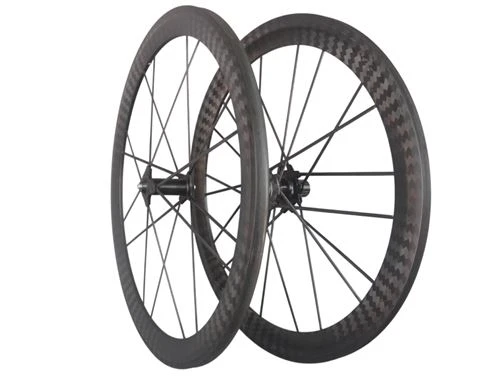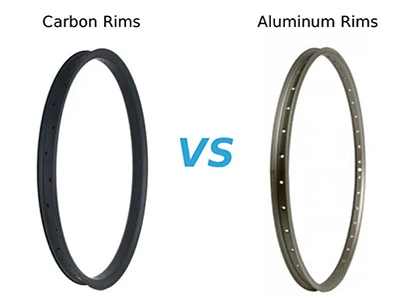
You are in the market for a brand-new set of carbon fiber road bike rims, and you've narrowed your options down to rim depths of 45mm, 50mm, or 60mm. This choice is far more than just a simple number; it will fundamentally transform the way your bike feels on the road during actual rides. While deeper-section rims may offer a sensation of greater speed, are they truly the right fit for the local routes you ride most often? Conversely, could lighter rims make your weekend climbing rides feel significantly more effortless? We are here to cut through the confusion and help you clarify your thinking. This guide will take you on a deep dive into the specific, real-world differences that various rim depths make during actual riding.

Quick Answer: Which Rim Depth Should You Choose?
| Riding Need | Best Rim Depth | Why |
| Climbing / mixed terrain | 45mm | Lighter, easier to accelerate, better in wind |
| All-round road riding | 50mm | Best balance of aero, weight, and control |
| Flat racing/triathlon | 60mm | Strongest aero advantage at high speed |
Understanding Carbon Fiber Road Rim Depth and Its Importance
Think of rim depth as the height of the wheel's sidewall. That simple measurement changes everything about how your bike performs. It's the key factor balancing speed against handling.
A shallower carbon road rim is usually lighter and easier to handle on climbs. A deeper rim slices through the air more cleanly, helping you save energy and maintain speed, especially on flat roads. But there's a trade-off.
Those taller sidewalls catch more wind from the side, which can push your bike around. They also add a bit more weight. A shallower rim is lighter and easier to handle in windy conditions, but you give up some of that free speed. Your job is to find your personal balance point.
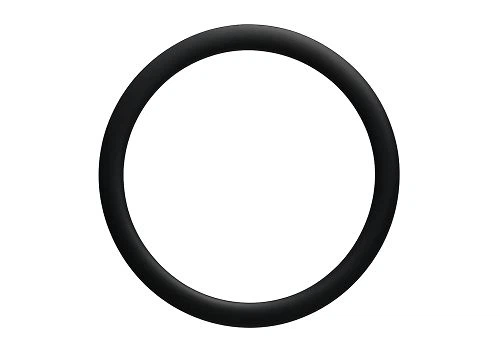
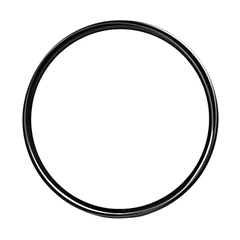
Carbon Rims Road
•Model: MYB02CTR025-700C
•ERD: 559mm
•Height: 40mm
•Width: 28mm
•Weight: 390±12g / 375±10g
•Carbon Weave: UD/3K
•Material: Toray T700/T800/T1000
•Tire Compatibility: Clincher/ Tubeless
•Brake Type: Disc Brake
•Rim Holes:20/21/24 (Customization)
•Recommended Tire Size: 25-28C
Send Inquiry Now
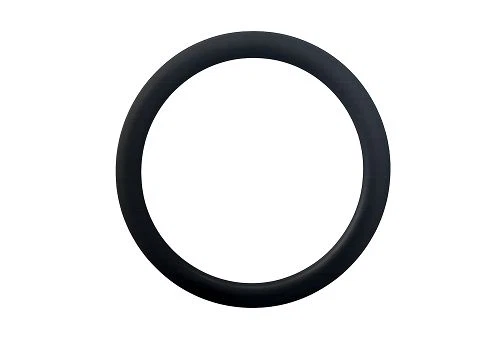
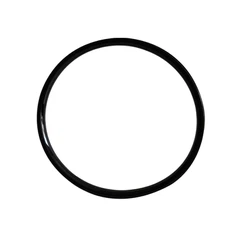
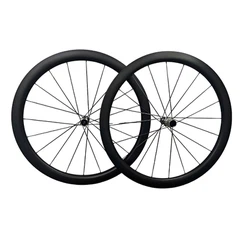
Carbon Rims for Road Bike
•Model: MYB02CTR021-700C
•ERD: 633mm
•Height: 45mm
•Width: 28mm
•Weight: 405±15g / 385±10g
•Carbon Weave: UD/3K
•Material: Toray T700/T800/T1000
•Tire Compatibility: Clincher/ Tubeless
•Brake Type: Disc Brake
•Rim Holes: 20/21/24 (Customization)
•Recommended Tire Size: 25-28C
Send Inquiry Now

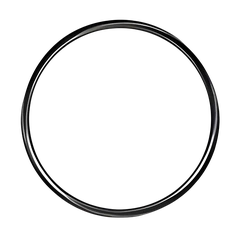
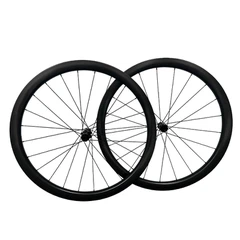
Carbon Road Rim
•Model: MYB02CTR024-700C
•ERD: 539mm
•Height: 50mm
•Width: 28mm
•Weight: 420±15g / 390±10g
•Carbon Weave: UD/3K
•Material: Toray T700/T800/T1000
•Tire Compatibility: Clincher/ Tubeless
•Brake Type: Disc Brake
•Rim Hole: 20/21/24 (Customization)
•Recommended Tire Size: 25-28C
Send Inquiry Now

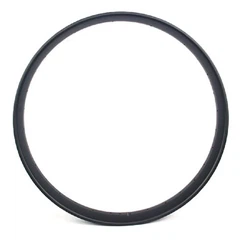
Carbon Road Rims 700C
•Model: MYB02CTR026-700C
•ERD: 539mm
•Height: 51mm/56mm
•Width: 28mm
•Weight: 450±15g
•Carbon Weave: UD/3K
•Material: Toray T700/T800/T1000
•Tire Compatibility: Clincher/ Tubeless
•Brake Type: Disc Brake
•Rim Holes: 24
•Recommended Tire Size:25-28C
Send Inquiry Now

Carbon Road Rims
•Model: MYB02CTR023-700C
•ERD: 539mm
•Height:50mm
•Width:30mm
•Weight: 425±15g / 395±15g
•Carbon Weave: UD/3K
•Material: Toray T700/T800/T1000
•Tire Compatibility: Clincher/ Tubeless
•Recommended Tire Size: 25-28C
•Brake Type: Disc Brake
•Rim Holes: 20/21/24 (Customization)
•Recommended Tire Size: 25-28C
Send Inquiry Now

Carbon Road Rims Clincher
•Model: MYB02CTR029-700C
•ERD: 519mm
•Height:60mm
•Width:30.8mm
•Weight: 470±15g
•Carbon Weave: UD/3K
•Material: Toray T700/T800
•Tire Compatibility: Clincher/ Tubeless
•Recommended Tire Size: 25-28C
•Brake Type: Disc Brake
•Rim Holes: 20/21/24 (Customization)
•Recommended Tire Size: 25-28C
Send Inquiry Now

Road Bike Carbon Rims
•Model: MYB02CTR001-700C
•ERD: 559mm
•Height: 40mm
•Width:30mm
•Weight: 470±15g /453±15g
•Carbon Weave: UD/3K
•Material: Toray T700/T800
•Tire Compatibility: Clincher/ Tubeless
•Recommended Tire Size: 25-28C
•Brake Type: Disc Brake
•Rim Holes: 20/21/24 (Customization)
•Recommended Tire Size: 25-28C
Send Inquiry Now

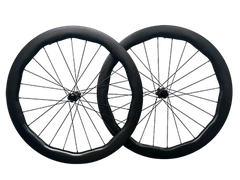
Carbon Aero Rims
•Model: MYB02CTR030-700C
•ERD: 519mm
•Height: 55mm/60mm
•Width:30mm
•Weight: 470±15g /453±15g
•Carbon Weave: UD/3K
•Material: Toray T700/T800
•Tire Compatibility: Clincher/ Tubeless
•Recommended Tire Size: 25-28C
•Brake Type: Disc Brake
•Rim Holes: 21
•Recommended Tire Size: 25-28C
Send Inquiry Now
Comparison of 45mm, 50mm, and 60mm Carbon Road Rims
Now that we understand the basics of rim depth, let's look at how these three popular sizes actually perform on the road.
| Rim Depth | 45mm | 50mm | 60mm |
| Best For | Climbing / endurance | All-round riding | Flat racing / TT |
| Main Advantage | Light and stable | Balanced performance | Highest aero gain |
| Main Trade-off | Less aero than deeper rims | Not the fastest on flats | More sensitive to crosswinds |
| Typical Weight | Lightest among the three | Balanced weight | Heaviest among the three |
| Aerodynamic Performance | Moderate aero gain | Strong aero benefits | Best aero performance |
| Crosswind Stability | Most stable in windy conditions | Good stability with mild crosswind | Least stable in strong crosswinds |
As you compare these rim depths side by side, you can see that each one serves a different riding style and purpose. The key is knowing which performance factors matter most to you.
How Rim Depth Affects Riding Style
Choosing the right rim depth becomes much easier when you understand how it connects to the way you ride. Different riders benefit from different depths, and the right match helps you ride more comfortably and efficiently in your usual conditions.

Climbers and Lightweight Riders
If you spend a lot of time climbing or you prefer a bike that feels light and quick when you stand up on the pedals, a shallower rim usually works better for you. A depth like 45mm helps you keep the bike responsive on long climbs, and you won't feel as much side pressure in windy areas. You'll notice that your bike reacts more quickly when you change speed or rhythm, making steep or rolling terrain easier to handle.
All-Round Riders
If you ride a mix of hills, flats, and everyday routes, you may want something that balances weight and aerodynamics. A 50mm rim depth gives you enough speed on flat roads without feeling too heavy when the road tilts upward. It's a versatile choice that supports steady training, group rides, and weekend events. You get a bit of extra aero help while still keeping good control in most wind conditions.
Sprinters and Flat Racers
When outright speed on flat terrain is your goal, aerodynamics becomes your top priority. A 60mm rim is designed to cut through the air with minimal resistance, helping you maintain higher speeds with less effort. The deeper section also provides greater stiffness and rotational inertia, which helps you carry your momentum powerfully. While you'll need to pay a bit more attention in strong, gusty winds, the pure speed advantage on smooth, fast courses is undeniable. For time trials, triathlons, or flat criteriums, this is the tool for the job.
Choosing the Right Carbon Rim Depth for Your Bike
Picking the right carbon road bike rim depth depends on the type of riding you do most often and how you want your bike to feel on the road. Each depth offers a different balance of weight, speed, and control, so it helps to think about the terrain you ride, the wind conditions in your area, and the performance you expect from your wheelset.
When you ride in places with lots of climbs, a lighter setup usually feels more natural. A shallower rim gives you quicker handling and makes it easier to keep your pace steady on long ascents. If your routes include a mix of flat roads and rolling hills, a mid-depth rim gives you both stability and aero support without feeling too heavy. This balance works well for riders who want one wheelset for different types of rides.
If speed on flat roads is your main goal, a deeper rim helps you hold momentum with less effort. You'll feel the difference when you accelerate or try to maintain a fast pace. Just keep in mind that deeper rims can catch more side wind, so it's helpful to choose a depth you feel comfortable controlling in your usual riding environment.
Technical Performance: Weight, Aerodynamics, and Braking
Let's look at what really happens when these three rim depths meet the road. The technical details matter, but they're easier to understand than you might think.
Weight and Rotational Inertia
When we talk about wheel weight, where that weight sits makes all the difference. Lighter 45mm rims have less mass concentrated at the outer edge, which means they require less effort to get spinning. You'll feel this most when accelerating out of a corner or changing pace on a climb. Deeper 60mm rims carry more weight in their taller sidewalls, creating what's called higher rotational inertia. Once you get them up to speed, they want to keep that momentum, which is perfect for maintaining pace on flat roads.
Aerodynamic Efficiency
Think of rim depth as your personal wind cheat. A 45mm rim does a decent job of slicing through the air, but as you go deeper to 50mm and 60mm, the wheel manages airflow more effectively. This reduced drag means you can hold the same speed with less effort, or push harder to go faster. The sweet spot for most riders is around 50mm, where you get noticeable aero benefits without the dramatic weight increase or crosswind sensitivity of deeper options.

Braking Performance
Many riders wonder if deeper rims mean different braking. The truth is, modern carbon rims across all depths offer excellent stopping power when paired with the right brake pads. What does change is heat management; deeper rims have more surface area to dissipate heat on long descents. However, for most riding conditions, you'll find reliable braking performance across 45mm, 50mm, and 60mm depths when using quality components and proper technique.
Conclusion
In the end, the right carbon rim depth depends on your specific riding goals and conditions. If you often tackle steep climbs or need quick acceleration, a 45mm rim will give you the lightness and agility you need to power up hills with ease. For a balanced ride that performs well on both flat roads and rolling hills, 50mm rims are an excellent choice. They offer a good mix of aerodynamics and handling without feeling too heavy or hard to control in crosswinds. If you're focused on speed, especially in time trials or flat races, a 60mm rim will give you the aerodynamic edge to maintain higher speeds with less effort, though you may need to adjust for stronger winds.
Frequently Asked Questions About Carbon Rim Depth
Q: How does rim depth interact with tire width and pressure?
A: Deeper rims often pair better with slightly wider tires to maintain stability and comfort, especially in crosswinds. Adjusting tire pressure can also help manage handling; lower pressure improves traction and comfort, while higher pressure can enhance responsiveness on smooth surfaces.
Q: Does rim depth affect wheel durability?
A: Deeper rims have more material, which can improve strength and impact resistance, but they are also heavier. Shallow rims reduce weight and rotational mass, and when well-constructed, they still provide solid durability for most riders.
Q: Can Carbon World provide OEM custom rim options?
A: Yes, Carbon World specializes in OEM services for carbon road rims. They can produce rims in different depths, widths, and designs to match your brand requirements or specific riding preferences. Custom logos, finishes, and technical specifications are also available.
Q: Can Carbon World accommodate bulk orders for deep rims?
A: Absolutely. Carbon World has the production capacity to deliver large volumes of 50mm or 60mm rims for professional teams, distributors, or retail brands. Each batch undergoes strict quality control to ensure consistency and reliability.