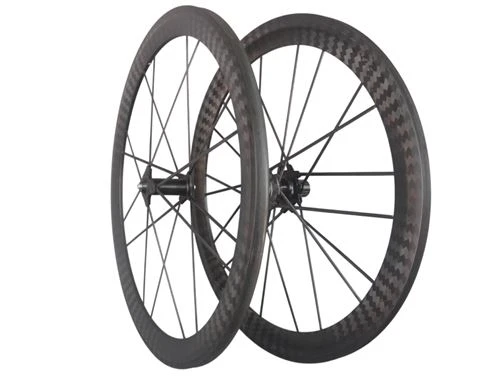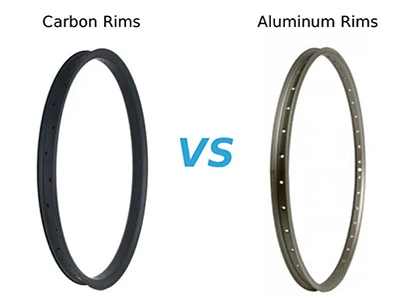
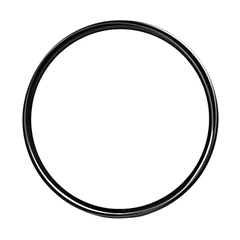


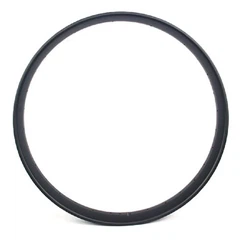
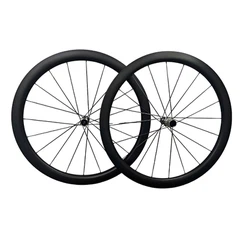

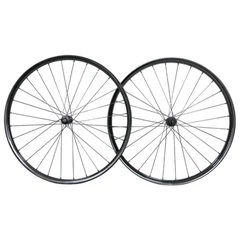








Alloy vs. carbon wheels is a common upgrade question for many riders. Carbon wheels are lighter and usually more expensive, while alloy wheels are known for practical value and easier daily use.
But what really changes when you switch?
Your wheels affect acceleration, climbing, handling, comfort, and durability. Material matters, but rim design, weight, stiffness, tire setup, and riding conditions also play a role.
This guide compares alloy and carbon wheels in real riding terms, so you can choose based on how you ride, not just price or appearance.
What Are Carbon Fiber Wheels?
Carbon fiber wheels are high-performance bicycle wheelsets with rims made of carbon fiber.
The rims are manufactured by aligning carbon fiber sheets in a specific direction and curing them into a robust structure.
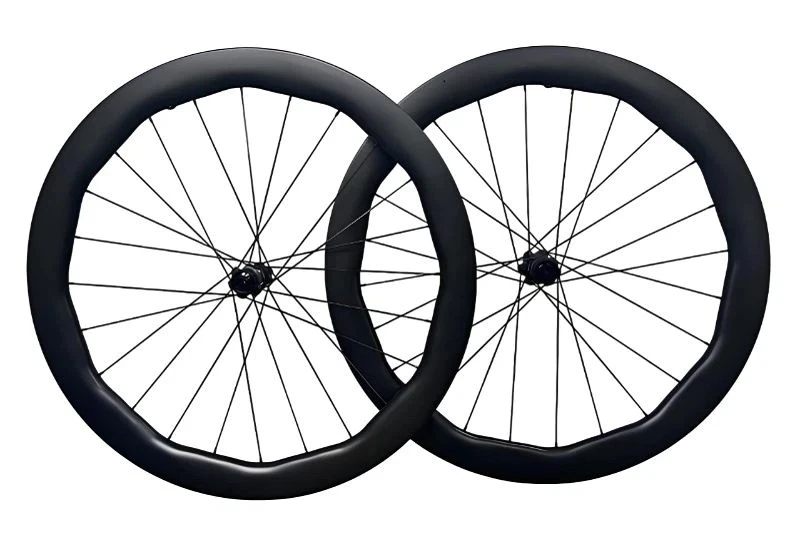
This process allows engineers to control the stiffness and flexibility of the rim. You get lightweight, high-strength, and high-performance wheelsets. This is one of the reasons why carbon fiber wheels are commonly found on high-end bicycles.
Most carbon fiber wheels are designed to reduce weight while maintaining high strength. They also help reduce minor road vibrations, thus improving comfort on long rides.
What Are Alloy Wheels?
Alloy wheels are bicycle rims constructed from aluminum alloy (a mixture of aluminum and other metals like magnesium).
They have been the standard choice for many years because they are reliable and practical.
The rim is formed from metal, shaped, and then joined into a circle. This construction makes alloy wheels strong and easy to produce at a reasonable cost. You'll find them on entry-level bikes as well as many mid-range models.
Alloy wheels are known for their balanced performance. They handle everyday riding well and are usually more forgiving if you hit a pothole or rough surface.

Carbon vs. Alloy Wheels - Key Differences at a Glance
|
Comparison Factor |
Carbon Wheels |
Alloy Wheels |
|
Material |
Made from layered carbon fiber |
Made from aluminum alloy |
|
Weight |
Usually lighter, especially at the rim |
Generally heavier |
|
Stiffness |
Can be tuned for higher stiffness |
Fixed stiffness based on metal shape |
|
Ride Feel |
Often smoother with reduced vibration |
More direct road feedback |
|
Acceleration |
Can feel quicker due to lower rotational weight |
Slightly slower to spin up |
|
Impact Behavior |
Very strong, but may crack under hard impact |
More likely to dent before failing |
|
Heat Management |
Depends on the design, especially with rim brakes |
Handles heat well in most cases |
|
Maintenance |
Needs proper torque and regular inspection |
More forgiving and easier to maintain |
|
Cost |
Higher upfront cost |
More affordable |
Performance Differences in Real Riding
On paper, weight and stiffness look like simple numbers.
On the road, they feel different.
Acceleration and Climbing
When you push hard on the pedals, lighter wheels can feel quicker to respond.
Carbon wheels are often lighter at the rim, which may help the bike spin up faster. You might notice this most when climbing or sprinting.
Alloy wheels can still accelerate well, but they may feel slightly less sharp in comparison.
Handling and Stability
Stiffness affects how direct the bike feels when you turn.
Carbon wheels are often built to be laterally stiff, which can give you a more precise steering feel at higher speeds.
Alloy wheels tend to feel steady and predictable. For many riders, that consistency is enough.
Comfort on Rough Surfaces
Over rough roads, small differences become clearer.
Carbon wheels can reduce some vibration, which may help your hands and legs feel less tired on long rides.
Alloy wheels transmit more road feedback. Some riders prefer that connected feel, while others value smoother comfort.
Durability and Long-Term Reliability
Durability is not just about surviving one hard ride. It's about how your wheels hold up month after month.

Impact Resistance
Alloy wheels tend to dent when they hit a sharp edge or pothole. The damage is usually visible, which makes it easier for you to judge whether the wheel is still safe to use.
Carbon wheels are very strong under normal riding loads. But in a hard crash or direct impact, they may crack instead of bending. The damage is sometimes harder to see, so careful inspection matters.
Fatigue Over Time
Both materials handle repeated stress differently.
Alloy can slowly weaken after many cycles of heavy use. Carbon does not fatigue in the same way, but it depends heavily on design and build quality.
Maintenance and Care
Long-term reliability also depends on how you treat your wheels.
Proper tire pressure, correct installation, and regular checks go a long way, no matter which material you choose.
Weight and Stiffness - Do They Really Change Your Ride?
Lighter and stiffer wheels can change how a bike feels, but the difference depends on your riding style and road conditions.
Rotational Weight
Weight at the rim affects how quickly the wheel spins up. Lighter wheels may feel quicker when you accelerate, climb, or make short efforts. On flat roads at steady speed, the difference is usually less obvious.
Stiffness and Power Transfer
Stiffer wheels flex less under load, so the bike can feel more direct when you pedal hard. But excessive stiffness may feel harsh over rough roads.
In the end, weight and stiffness matter most when they match how and where you ride.
Cost vs. Value Over Time
The price difference between alloy and carbon wheels can be significant. But the real question is not just what you pay today. It's what you gain over time.
Upfront Investment
Alloy wheels are usually more affordable. They deliver solid performance at a reasonable upfront cost, making them a practical choice for many riders.
Carbon wheels require a higher upfront investment. That price often reflects more complex materials and manufacturing.
Long-Term Use
Value depends on how often and how hard you ride.
If you train daily or race regularly, performance gains may feel worth the extra cost. If you ride casually, the difference may not justify the price.
Maintenance and Replacement
Both types need care.
Over time, factors like crash damage, wear, and riding conditions affect total ownership cost more than material alone.
In the end, value is personal. It depends on your riding goals, budget, and expectations, not just the price tag.
Types of Carbon Wheels and Where They Fit

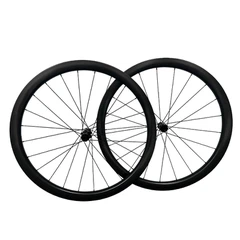
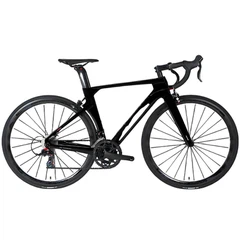
Carbon Road Bike Wheels
Send Inquiry Now

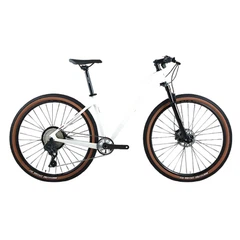
Carbon MTB Bike Wheelset
Send Inquiry Now

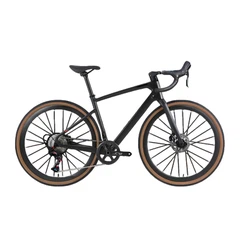
Carbon Wheels For Gravel
Send Inquiry Now

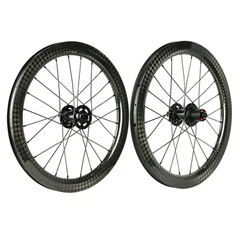
Carbon BMX Race Wheels
Send Inquiry Now

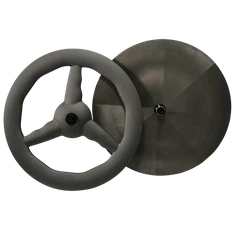
Carbon Time Trial WheelsSend Inquiry Now

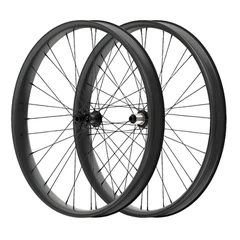
Carbon Fiber Fat Wheels
Send Inquiry Now
Who Should Choose Carbon?
Carbon wheels may suit riders who ride often and care about how the bike responds. If you climb, accelerate, race, or join fast group rides, the lower weight and stiffer feel may be noticeable.
They can also make sense when you are upgrading an already lightweight bike or want a more refined ride feel for long-distance riding.
Carbon may not be necessary if you ride casually, focus mainly on durability, or want the most budget-friendly option. The choice depends on whether the performance gain is worth the higher cost for your riding style.
Who Should Choose Alloy?
Alloy wheels are a practical choice if you want reliable performance without a higher cost. They work well for fitness riding, commuting, weekend rides, and mixed road conditions.
They may suit you if you ride on rough surfaces, prefer simple maintenance, or are building a budget-friendly bike. Alloy wheels are also a good option for newer riders who want something steady and easy to manage.
For many riders, alloy wheels offer enough strength, comfort, and value for everyday use.
Conclusion
Choosing between alloy and carbon wheels is not about picking a "winner." It's about understanding what matters most to you.
Alloy wheels offer reliability, lower cost, and simple maintenance. They work well for daily riding, training, and riders who value durability. Carbon wheels focus more on weight savings, stiffness control, and a refined ride feel. For some riders, those differences are noticeable and worth the investment.
Your decision should match how often you ride, how hard you push, and what you expect from your bike. Small performance gains matter more to some riders than others.
If you're exploring carbon wheel options or looking for custom solutions, Carbon World focuses on practical design, consistent quality, and real-world performance. Whether you ride for fitness or performance, choosing the right wheelset starts with clear priorities, not just material alone.
FAQ
Q: Are carbon wheels always faster than alloy wheels?
A: Not always. Carbon wheels can feel quicker in certain situations, especially when accelerating or climbing. But speed depends on many factors, including tire choice, rider strength, and riding position. The material alone does not guarantee a faster ride.
Q: Are alloy wheels more durable than carbon wheels?
A: They behave differently. Alloy wheels often dent under impact, while carbon wheels may crack. Both can be durable when properly designed and used within their limits.
Q: Are carbon wheels worth the extra cost?
A: That depends on your goals. If you ride often and value small performance gains, you may find the upgrade worthwhile. If you ride casually, alloy wheels may offer better value for your needs.
Q: Do carbon wheels break easily in a crash?
A: Not easily, but they react differently from alloy wheels. A hard impact can cause cracks that are not always obvious at first glance. After a crash, it's important to inspect them carefully or have them checked.
Q: Can alloy wheels go out of true more often?
A: They can, especially after strong impacts or long-term use. The good news is that alloy wheels are usually easier to true and adjust compared to carbon rims.
Q: Do carbon wheels handle crosswinds differently?
A: They can, especially if the rim is deep. Deeper rims may feel more affected by strong side winds. If you ride in windy areas often, rim depth may matter more than material alone.
Q: Can carbon wheels be customized?
A: Yes, many manufacturers offer customization options. You can adjust rim depth, width, finish, and even branding details. Custom options depend on production volume and technical requirements.
Q: Do custom carbon wheels require additional testing?
A: Yes, especially if the design changes significantly. Adjusting rim depth or layup may require validation to ensure safety and performance standards are met.