
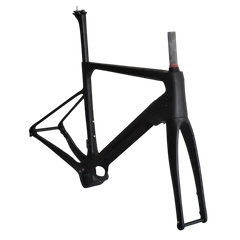
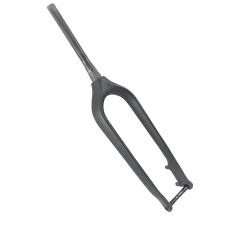
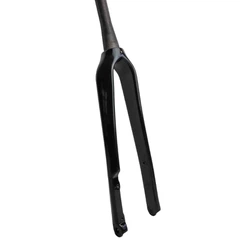
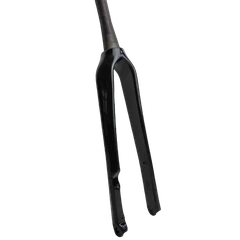
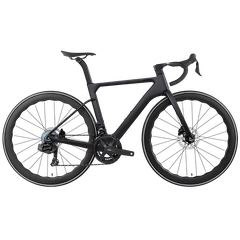
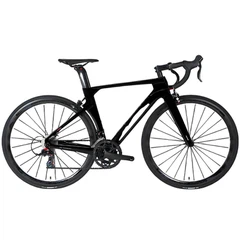
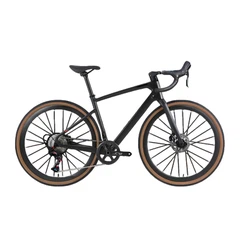


Introduction
Gravel road bikes and highway road bikes may look similar at first glance, but their components are designed for drastically different riding environments. One of the most important differences is the fork. The fork affects the bike's handling on rough terrain, tire width, and stability at high speeds.
What are the differences between gravel road bike forks and highway road bike forks? The answer is far more than just appearance. Geometry, tire clearance, and structural strength all play a crucial role in performance and safety.
In this guide, we'll detail the key differences between gravel road bike forks and highway road bike forks to help you understand which design is best suited to your riding style.

What Is a Road Bike Fork?
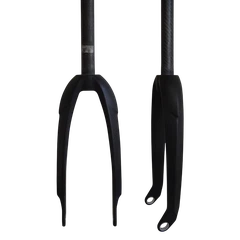
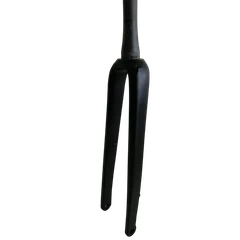
The road bike fork is the front component of a bicycle that connects the front wheel to the frame, allowing the rider to steer and control the bike. It consists of the steerer tube, crown, and fork blades, which work together to securely hold the wheel in place while maintaining precise handling during riding.
One notable feature of a road bike fork is its geometry. The fork's offset (also known as rake) and length are carefully engineered to provide stable yet responsive steering, especially at higher speeds. Many modern road bike forks also incorporate aerodynamic shaping to reduce wind resistance, helping riders maintain speed more efficiently. Road bike forks are typically designed to accommodate narrower tires, usually ranging from 25 mm to 32 mm. Narrow tires help reduce rolling resistance and support the aerodynamic profile commonly preferred by road cyclists.
Road bike forks are commonly used on race bikes, endurance road bikes, and performance-focused bicycle models.

Carbon Road Forks
Send Inquiry Now
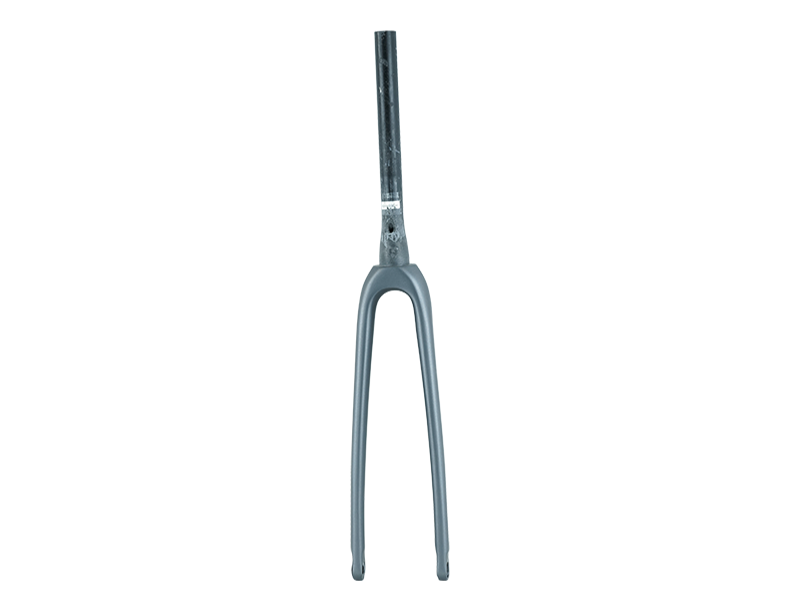
Carbon Fiber Road Forks
Send Inquiry Now

Carbon Road Forks
Send Inquiry Now
What Is a Gravel Bike Fork?
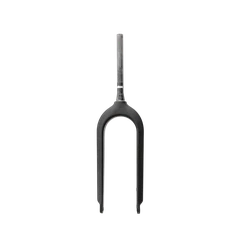
The gravel bike fork is designed to handle mixed-terrain riding, where smooth asphalt roads often transition into dirt paths, gravel tracks, and uneven surfaces. Unlike traditional road bike forks that primarily focus on speed and aerodynamics, gravel bike forks are built with versatility and durability at their core.
Gravel bike forks are carefully engineered to adapt to a variety of road conditions. During a single ride, cyclists may encounter paved roads, hard-packed dirt, loose gravel, or small rocky surfaces. To manage these changing conditions, the fork is designed to absorb vibrations and provide stable steering, helping the bike remain predictable and comfortable even on rough terrain. The geometry of a gravel bike fork is typically optimized for stability and comfort rather than aggressive steering performance.
One of the most distinctive features of a gravel bike fork is its larger tire clearance. Road bike forks generally support tires between 25 mm and 32 mm, while gravel bike forks can typically accommodate 40 mm to 50 mm tires or even wider. Wider tires improve traction, cushioning, and overall handling when riding on loose or uneven surfaces.

Geometry Differences Between Gravel Forks and Road Forks
Fork Offset (Rake) and Steering Characteristics
Fork offset is one of the most important geometric differences between gravel forks and road forks. It refers to the distance between the steering axis and the front axle. Although it may seem like a small measurement, it has a significant impact on how a bike handles.
A larger offset typically results in quicker steering and a more responsive feel, while a smaller offset increases trail, improving overall stability. Road bike forks are usually designed with geometry that emphasizes precise and responsive steering, making them ideal for high-speed riding on smooth pavement.
Geometry Designed for Different Terrain
Gravel forks are generally designed with geometry that prioritizes stability and control on rough or unpredictable terrain. By making subtle adjustments to the fork offset and axle-to-crown length, manufacturers can create a more stable front end when riding on gravel roads, dirt paths, or uneven surfaces.
Road bike forks, on the other hand, focus more on efficiency and speed. Their geometry supports a more aggressive riding position and quick directional changes, which are essential during high-speed riding, climbing, and sprinting.
Impact on Bike Fit and Riding Position
Fork geometry also influences the overall bike setup. Changes in fork length and offset can affect a bike's trail, wheelbase, and steering characteristics. Gravel bike forks typically provide a slightly more relaxed front-end feel, helping improve comfort during long-distance rides and mixed-terrain adventures. In contrast, road bike forks are designed to support a more performance-oriented riding position.

Tire Clearance and Compatibility
Road Fork Tire Clearance
Road bike forks are traditionally designed for narrower tires, typically ranging from 25 mm to 32 mm. This narrower clearance reflects the priorities of road cycling-speed, efficiency, and aerodynamic performance on smooth pavement.
Narrow tires help reduce rolling resistance when used with higher tire pressures, allowing riders to maintain efficient speed on paved roads. Road forks are also commonly optimized for lightweight construction, rather than accommodating larger tires. As a result, the fork design focuses on maximizing performance and responsiveness for fast road riding.
Gravel Fork Tire Clearance
Gravel bike forks offer significantly greater tire clearance, typically supporting tires from 40 mm to 50 mm or even wider, depending on the specific design.
Wider tires provide improved traction on loose surfaces such as gravel, dirt, and uneven terrain. Running lower tire pressures also helps absorb vibrations and small impacts, improving overall riding comfort. This design makes gravel forks ideal for mixed-terrain riding, bikepacking, and long-distance adventure cycling, where road conditions may frequently change.
Strength and Durability Differences
Structural Reinforcement in Gravel Forks
Gravel forks are typically designed with additional structural reinforcement to handle the unpredictable conditions of off-road riding. To address these challenges, manufacturers strengthen the crown area, reinforce the fork legs, and optimize wall thickness during the design process. These structural improvements help distribute loads more evenly across the fork and reduce the risk of long-term fatigue, ensuring greater reliability on rough terrain.
Designed to Handle Impacts and Vibration
Unlike road cycling, gravel riding exposes the fork to frequent micro-impacts and continuous vibration. Gravel forks are therefore engineered to absorb and manage these forces without compromising handling performance. Wider fork legs and slightly reinforced construction allow the fork to maintain stiffness while still providing a level of compliance, helping riders maintain stability and control on uneven surfaces.
Carbon Fiber Layup and Long-Term Durability
Modern carbon forks rely on advanced carbon fiber layup techniques to achieve the ideal balance between strength and weight. By adjusting fiber orientation and layering, manufacturers can reinforce high-stress areas while keeping the overall structure lightweight. For long-distance riders, durability is just as important as performance, and a well-designed carbon fork can deliver both reliability and comfort over extended use.
|
Feature |
Gravel Fork |
Road Fork |
|
Primary Purpose |
Designed for mixed terrain such as gravel roads, dirt paths, and rough surfaces. |
Designed for smooth pavement and high-speed road cycling. |
|
Geometry |
Geometry focuses on stability and control on uneven terrain. |
Geometry emphasizes responsive handling and fast steering. |
|
Tire Clearance |
Larger clearance typically supports 40–50 mm tires. |
Narrower clearance usually supports 25–32 mm tires. |
|
Strength & Durability |
Built stronger to handle impacts, vibrations, and rough terrain. |
Optimized for lightweight performance and efficiency. |
|
Weight |
Slightly heavier due to reinforced structure. |
Lighter for better speed and climbing performance. |
|
Mounting Points |
Often includes mounts for racks, bags, or fenders. |
Usually minimal or no accessory mounts. |
|
Typical Use |
Gravel riding, adventure cycling, bikepacking. |
Road racing, endurance rides, pavement cycling. |
Which Fork Should You Choose?
Structural Reinforcement in Gravel Forks
Gravel forks are typically designed with additional structural reinforcement to handle the unpredictable conditions of off-road riding. To address these challenges, manufacturers strengthen the crown area, reinforce the fork legs, and optimize wall thickness during the design process. These structural improvements help distribute loads more evenly across the fork and reduce the risk of long-term fatigue, ensuring greater reliability on rough terrain.
Designed to Handle Impacts and Vibration
Unlike road cycling, gravel riding exposes the fork to frequent micro-impacts and continuous vibration. Gravel forks are therefore engineered to absorb and manage these forces without compromising handling performance. Wider fork legs and slightly reinforced construction allow the fork to maintain stiffness while still providing a level of compliance, helping riders maintain stability and control on uneven surfaces.
Carbon Fiber Layup and Long-Term Durability
Modern carbon forks rely on advanced carbon fiber layup techniques to achieve the ideal balance between strength and weight. By adjusting fiber orientation and layering, manufacturers can reinforce high-stress areas while keeping the overall structure lightweight. For long-distance riders, durability is just as important as performance, and a well-designed carbon fork can deliver both reliability and comfort over extended use.
Conclusion
Although gravel forks and road forks may look similar, they are designed for very different purposes. Road forks prioritize lightweight design and precise handling, making them ideal for high-speed riding. Gravel forks, on the other hand, prioritize stability, greater tire clearance, and higher durability, allowing riders to confidently explore rough terrain and mixed surfaces.
FAQ
Q: Can a Road Bike Use a Gravel Fork?
A: In theory, a gravel fork can be installed on a road bike if the steerer tube, axle standard, and brake mount are compatible. However, gravel forks usually provide greater tire clearance and slightly different geometry, which may change the bike's handling compared with a traditional road fork.
Q: What Is the Main Difference Between a Gravel Fork and a Road Fork?
A: The main differences lie in tire clearance, geometry, and structural strength. Gravel forks support wider tires and are designed for rough or mixed terrain, while road forks focus on lightweight construction and responsive handling for smooth pavement riding.
Q: How Much Tire Clearance Does a Gravel Fork Typically Have?
A: Most gravel forks support tires between 40 mm and 50 mm, depending on the design. The additional clearance allows riders to use wider tires, providing better traction, comfort, and stability on loose surfaces such as gravel or dirt roads.
Q: Are Gravel Forks Stronger Than Road Forks?
A: Generally, gravel forks are designed with greater structural strength to better handle vibrations, bumps, and uneven terrain. Road forks, on the other hand, are optimized for lightweight performance and aerodynamics.
Q: Do Gravel Forks Have Mounting Points?
A: Many gravel forks feature mounting eyelets for accessories such as bikepacking bags, racks, or fenders. These mounting points make them suitable for adventure riding and long-distance touring.
Q: Which Fork Is Better for Long-Distance Riding?
A: For long-distance riding on mixed terrain, a gravel fork often provides better comfort and stability because it supports wider tires. For long rides on smooth pavement, a road fork may offer greater efficiency and speed.