




Choosing the right bike wheel size can change how your bike feels from the first ride.
It affects speed, stability, comfort, and control.
With options like 26", 27.5", 29", 700c, and 650b, it's easy to feel unsure about what you actually need. Bigger isn't always better, and smaller isn't always slower.
Your height, riding style, and the terrain you ride on all play a role.
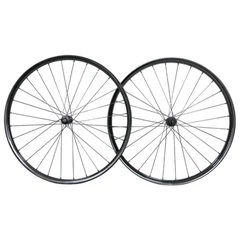
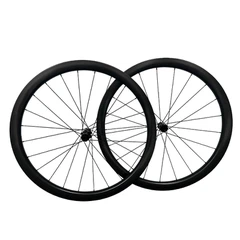
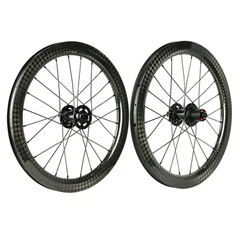
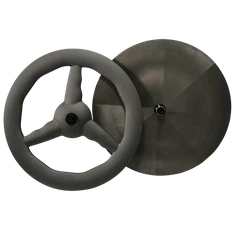
This guide breaks things down in simple terms, so you can choose a wheel size that fits your body, your bike, and the way you ride. Besides wheel size, wheel material also affects ride feel, especially if you are considering carbon fiber wheels or carbon fiber rims for better speed, stiffness, or comfort.
What Does Bike Wheel Size Mean?
Bike wheel size usually refers to the diameter of the wheel. This is measured from one side of the tire, across the center, to the other side.
You may see sizes listed in inches, like 26", 27.5", or 29". On road bikes, you often see 700c. These numbers describe the rim diameter, but they don't tell the whole story.

Tire width also changes the overall size of the wheel once it's mounted. That's why two bikes with the same rim size can still feel different.
Common Bike Wheel Sizes Explained
Different wheel sizes are designed for different riding needs. Understanding how each one feels on the road or trail helps you make a smarter choice.
26-Inch Wheels
26-inch wheels were once the standard for mountain bikes.
You'll still see them on older bikes and some smaller frames.
They feel quick and easy to turn. If you ride tight trails or need fast direction changes, 26-inch wheels can feel responsive. However, they don't roll over obstacles as smoothly as larger wheels.
Today, they are less common on new performance bikes, but they still work well for casual riding or smaller riders.
27.5-Inch (650b) Wheels
27.5-inch wheels sit between 26 and 29 in size.
They aim to balance agility and stability.
You may find them on modern mountain bikes because they roll over bumps better than 26-inch wheels but still feel lively in corners. For many riders, this size offers a middle ground between control and rollover ability.
If you want a mix of maneuverability and smooth rolling, 27.5-inch wheels are often a practical choice.
29-Inch Wheels
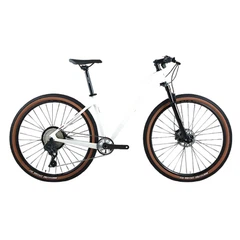
29-inch wheels are larger and roll more easily over rocks and rough surfaces.
They maintain momentum well and feel stable at higher speeds.
Climbing can feel smoother, and rough trails may feel less harsh. The trade-off is that they can feel slightly slower to turn in tight spaces.
They are popular with riders who value stability and efficiency.
700C Wheels
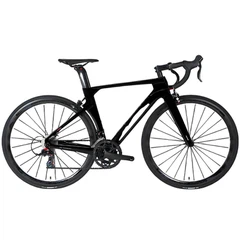
700c wheels are standard on most road and hybrid bikes.
They are designed for speed and efficiency on paved surfaces.
You'll usually see narrower tires paired with this size, which helps reduce rolling resistance. If you ride mainly on roads or bike paths, 700c is likely what your bike already uses.
650B Wheels
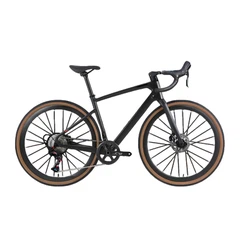
650 B wheels are common in gravel bikes.
They allow you to use wider tires without changing the frame too much.
With wider tires, you get added comfort and better grip on mixed terrain. This size works well if you ride both pavement and rougher surfaces and want more control without going to a full mountain bike setup.
Rim Depth and Wheel Size - Does It Matter?
Rim depth refers to how tall the rim is from the tire bed to the outer edge.

It's different from wheel size, but the two work together.
A deeper rim is often designed for better aerodynamics. On smooth roads, it can help you maintain speed with less effort. However, deeper rims may feel more affected by crosswinds, especially if you ride in open or windy areas.
Shallower rims are usually lighter and easier to handle. They can feel more stable in changing wind conditions and may be better for climbing.
Wheel size affects how the bike rolls.
Rim depth affects how it moves through the air.
Both matter, but the right choice depends on where and how you ride.
Carbon Fiber Wheelsets and Rims for Different Riding Needs
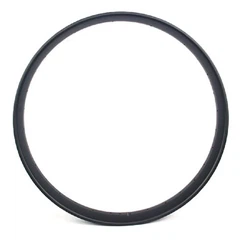
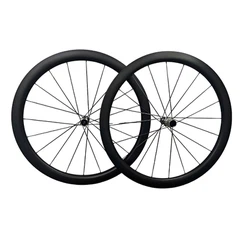
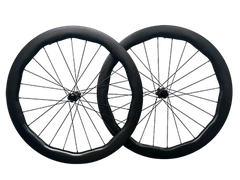
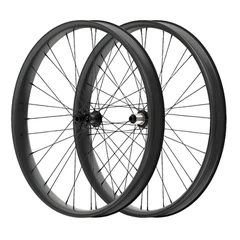
Beyond wheel size and rim depth, the material of the wheel itself can also make a noticeable difference in performance. That is why many riders consider carbon fiber wheelsets and carbon fiber rims when upgrading their bikes.
Carbon Fiber Rims

Carbon Rims Road
Send Inquiry Now

Carbon MTB Rims
Send Inquiry Now

Carbon Rims BMX
Send Inquiry Now

Carbon Rims Gravel
Send Inquiry Now

Carbon Fat Bike Rims
Send Inquiry Now
Carbon Fiber Wheels

Carbon Road Bike Wheels
Send Inquiry Now

Carbon MTB Bike Wheels
Send Inquiry Now

Carbon Wheels For Gravel
Send Inquiry Now

Carbon BMX Race Wheels
Send Inquiry Now

Carbon Time Trial Wheels
Send Inquiry Now

Carbon Fat Bike Wheels
Send Inquiry Now
Wheel Size vs Tire Width - What's the Difference?
|
Factor |
Wheel Size |
Tire Width |
|
What It Refers To |
The diameter of the rim (for example, 26", 29", 700c) |
The width of the tire is usually measured in millimeters or inches |
|
Affects |
Overall wheel diameter and rollover ability |
Grip, comfort, and contact with the ground |
|
Impact on Speed |
Larger diameters can maintain momentum better |
Wider tires may increase grip but slightly affect rolling resistance |
|
Impact on Comfort |
Bigger wheels roll over obstacles more smoothly |
Wider tires absorb more vibration and bumps |
|
Handling Feel |
Influences stability and turning radius |
Influences traction and cornering control |
|
Frame Compatibility |
Limited by frame and fork clearance |
Also limited by frame and fork clearance |
In simple terms, wheel size changes how big the wheel is, while tire width changes how wide the contact patch is on the ground.
You can keep the same wheel size and adjust tire width to change comfort and grip. Both matter, but they affect your ride in different ways.
How Wheel Size Affects Performance
Wheel size changes how your bike feels in motion. Some differences are subtle. Others are easier to notice.
Acceleration
Smaller wheels are usually lighter and can spin up quickly. If you ride in tight areas or start and stop often, this can feel responsive.
Larger wheels may take a little more effort to get moving. But once they build speed, they tend to hold momentum well.
Stability and Control
Bigger wheels often feel more stable at higher speeds. They roll over cracks, rocks, and small obstacles more smoothly.
Smaller wheels can feel more agile in sharp turns. If you ride technical trails or narrow paths, quicker steering may help.
Comfort and Efficiency
Larger wheels maintain speed more easily on uneven ground.
Smaller wheels may feel more lively but slightly less smooth on rough terrain.
In the end, performance depends on how and where you ride-not just the number printed on the rim.
Choosing Wheel Size Based on Your Height
Your height can help guide wheel size, but it should not be the only factor. Frame size and overall bike fit matter just as much.
The table below gives general guidelines. These are not strict rules, but they can help you narrow down your options.
|
Rider Height |
Suggested Wheel Size |
Notes |
|
Under 5'2" (157 cm) |
26" or 27.5" |
Smaller wheels are easier to handle and fit better on smaller frames |
|
5'2" – 5'6" (157–168 cm) |
27.5" |
Balanced size for control and comfort |
|
5'6" – 6'0" (168–183 cm) |
27.5" or 29" |
Depends on riding style and terrain |
|
Over 6'0" (183 cm+) |
29" |
Larger wheels often feel more stable for taller riders |
If you are between sizes, test riding can help you decide.
Comfort and control should guide your final choice, not height alone.
Choosing Wheel Size Based on Riding Style
Your riding style often matters more than your height. The way you use your bike should guide your wheel size choice.
Road Riding
If you mainly ride on pavement, 700c wheels are the standard choice.
They roll efficiently and maintain speed well on smooth surfaces. For long-distance road riding, stability and steady momentum are usually more important than quick turning.

Mountain Biking
On trails, you'll often choose between 27.5-inch and 29-inch wheels.
If you like tight turns and technical sections, 27.5-inch wheels may feel more responsive. If you ride rough terrain and value smooth rollover over rocks and roots, 29-inch wheels often feel more stable.
Gravel and Mixed Terrain
For gravel riding, both 700c and 650B wheels can work.
650b allows wider tires, which can improve comfort and grip. If you ride a mix of pavement and dirt, think about balance rather than extremes.
Urban and Casual Riding
For commuting or casual riding, comfort and practicality matter most.
Choose a wheel size that fits your frame and feels steady in everyday use.
Your riding habits should always come first.
Terrain Considerations
The surface you ride on should influence your wheel size choice. Different terrain places different demands on your bike.
On smooth pavement, larger wheels often feel steady and efficient. They maintain speed well and roll smoothly over small cracks in the road.
On rocky or root-covered trails, bigger wheels can roll over obstacles more easily. This may help you stay balanced and keep momentum.
If you ride tight, twisty paths, slightly smaller wheels may feel easier to control. They can respond quickly when you need to change direction.
For mixed terrain, balance matters most.
Choose a wheel size that supports comfort, control, and confidence on the surfaces you ride most often.
Frame Compatibility and Clearance
Before changing wheel size, you need to check your frame. Not every bike can fit every wheel.
Frame and Fork Clearance
Your frame and fork are built around a specific wheel diameter.
If you try to install a larger wheel, it may not clear the fork crown or rear stays. Even if the rim fits, the tire may rub when you ride.
Tire width also affects clearance.
A wider tire increases the overall size of the wheel.
Brake and Axle Compatibility
Brake type matters too.
Rim brake bikes are usually limited to one wheel size. Disc brake bikes offer more flexibility, but axle standards still need to match.
Before upgrading, confirm:
Maximum wheel diameter
Maximum tire width
Brake compatibility
A safe fit should always come before performance goals.
Are Bigger Wheels Always Better?
Not necessarily.
Bigger wheels can roll over obstacles more easily and feel more stable at speed. That's why many riders prefer them for rough terrain or long distances.
But larger wheels can also feel slower to turn and slightly heavier when accelerating. If you ride tight trails or make frequent direction changes, a smaller wheel may feel more responsive.
The "best" size depends on how you ride, your body size, and your bike setup.
Bigger is not always better. Fit and purpose matter more.
FAQ
Q: Can I change my bike wheel size without changing the frame?
A: Usually no. Most frames are designed for a specific wheel diameter. A larger wheel may not fit, and a smaller wheel can affect handling and bottom bracket height. Always check frame and fork clearance first.
Q: Is 700c the same as 29-inch?
A: They have the same rim diameter, but they are often used on different types of bikes. Tire width and frame design make them feel different.
Q: What wheel size is best for beginners?
A: There is no single best size. Choose one that fits your height, riding style, and bike design. Comfort and control matter most when starting.
Q: Is it worth upgrading the wheel size on an older bike?
A: Often, it's not simple. Frame design and brake type usually limit wheel size changes. It's important to check compatibility before considering an upgrade.
Q: If I'm between two wheel sizes, which should I choose?
A: Test riding is the best answer. Choose the one that feels more stable and natural for your riding style, not just the one that sounds better on paper.
Q: Does wheel size impact bike weight distribution?
A: Slightly. Larger wheels can raise the bike a bit, which may change how the weight feels between the front and rear. The difference is usually small but noticeable to experienced riders.
Conclusion
Choosing the right bike wheel size is less about trends and more about fit. There isn't one size that works for everyone.
Your height, riding style, and the terrain you ride most often should guide your decision. Larger wheels may feel smoother and more stable. Smaller wheels can feel quicker and easier to control. Neither option is automatically better.
It also helps to remember that wheel size is only part of the picture. Tire width, frame compatibility, and overall bike setup matter just as much. A well-fitted bike with the right balance of components will always feel better than one chosen only by numbers.
If you're unsure, test riding different sizes can make the choice clearer.
Go with what feels natural and confident under you. That's usually the right answer.


