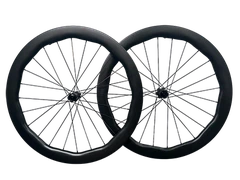
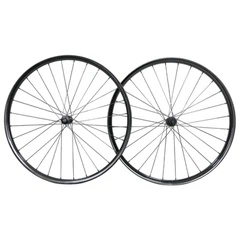
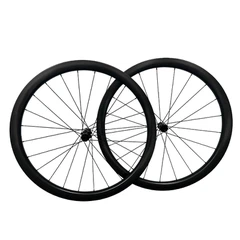
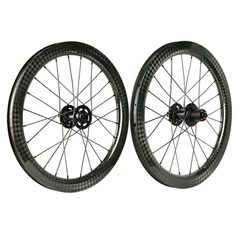



Carbon fiber mountain bike rims stand out the moment you see them. They look clean, sharp, and "engineered," even before you know the specs.
But if you're choosing rims for a build or comparing two rims that look similar, the appearance can tell you more than style. The weave, the finish, and the small details around the bead, valve hole, and spoke holes can hint at how carefully the rim was made and finished.
What Are Carbon Fiber Mountain Bike Rims?
With their unique appearance and exceptional performance, carbon fiber mountain bike rims have become an essential component of modern mountain bikes. Their appearance not only reflects the material's high-tech properties but also showcases a sophisticated engineering aesthetic within their functional design.
Carbon fiber MTB rims are rims made from layers of carbon fabric and resin, cured into a solid hoop. Unlike metal rims that are formed from a single piece, carbon rims are built in layers. That layered build is why you can see different surface "looks," even when two rims are the same size.

And while looks aren't the same as strength, appearance often comes from real design choices, such as where reinforcement is placed, how edges are finished, and what coating is used.
What Carbon MTB Rims Look Like
Carbon MTB rims have a "clean engineering" look. Even before you touch the bike, you can usually tell they're not metal.
The Overall Shape You Notice First
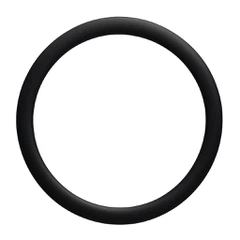
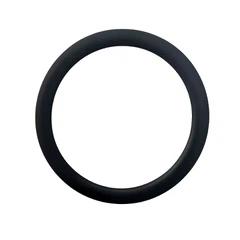
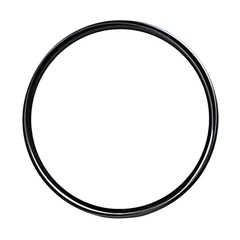
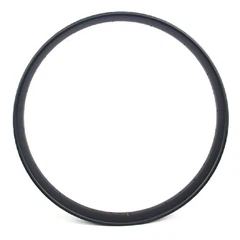
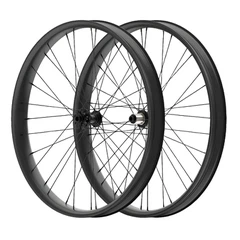
Most carbon mountain bike rims have a smooth, ring-shaped form with tidy edge transitions. The sidewalls often look slimmer and more refined than many alloy rims. That doesn't mean they're weak. It's just how carbon can be shaped and finished without the bulky look you sometimes see in metal.
Why the Weave Is the First Thing You Notice
Some rims show a clear woven texture. That classic "checker" look is what many riders think of when they hear carbon. Other rims look almost plain black, with only faint lines or a soft texture under the clear coat. That's normal too.

What matters for you is the visual style:
A visible weave tends to look more "carbon" at first glance.
A smoother look feels more modern and understated.
Either way, what you see on the surface is often a cosmetic layer. It's a look choice, not a promise of performance by itself.
Decals: Logos, Specs, and Style
Decals are where the rim becomes "your" wheelset. Some brands go bold with big logos. Others keep it quiet with small marks and simple spec text near the rim edge. If you care about a clean look, check how the decals sit on the rim. Straight lines, clean edges, and consistent placement make a rim look higher quality up close.

Overall, carbon fiber rims typically feature a lightweight yet sturdy ring-shaped structure. Due to the properties of carbon fiber, the rim wall thickness is precisely controlled, ensuring strength while achieving extreme lightness. This design creates a visually refined sculptural effect with smooth, natural edge transitions, eliminating the bulky feel often associated with traditional metal rims.
Weave Options
When people say a rim "looks like carbon," they usually mean the weave. But not every carbon MTB rim shows the same pattern, and some don't show a weave at all. Most of what you see comes from the outer cosmetic layer and the clear coat on top.

UD (Unidirectional)
UD rims often look almost plain black. Up close, you may see soft lines or a subtle grain under the surface, but you won't see a checker pattern. This look is popular because it feels quiet and modern, and it hides the "carbon pattern" if you want your build to look simple.
UD can also look different depending on the light. Under direct sunlight, it may show faint lay lines. In shade, it can look like a smooth, solid finish.
3K weave
3K weave is the look most riders recognize. It has a tight, small checker pattern that reads as "carbon" even from a short distance. Under a clear coat, 3K can look deep and detailed, especially on glossy rims.
12K weave
12K weave has a bigger checker pattern. From farther away, it can be easier to see than 3K. Up close, the pattern looks larger and more "graphic." Some riders love it because it stands out. Others feel it looks busier, especially when you add bold decals.
One more thing: weave appearance is mainly about style. The real performance comes from rim design, internal layup, and build quality, not just what you see on the surface.
Finish Options (Matte vs Gloss) and How They Age
Finish is the "skin" of your carbon MTB rim. It changes how the rim looks on day one, and it also changes how it looks after real riding-dust, mud, washes, and a season of small scuffs.

Matte
A matte finish cuts glare and looks calm in bright light. It's a common choice for trail and enduro builds because it feels more understated. Matte also hides fingerprints well, which matters more than you'd think if you handle the bike a lot.
How matte ages is simple: it usually doesn't show fine hairline scratches the same way gloss does, but it can show rub marks. If your rim gets dusty and you wipe it with a dry cloth, you may see lighter "wipe zones" where dust acts like a mild abrasive. Mud can also leave a faint stain if you let it dry on the rim for too long.
Gloss
Gloss makes the weave pop. It reflects light and gives the rim that deep, clean look many riders like in photos. On a glossy rim, UD can look richer, and 3K/12K patterns often look more three-dimensional.
Gloss tends to show fine marks more easily. If you ride in sandy dust or wash with a rough sponge, you may see light swirl lines over time. The good side is that gloss often cleans up fast and looks "fresh" after a proper wash.
Which One Should You Choose?
Think about your habits, not just style.
If you want a rim that looks quiet and doesn't shout for attention, matte usually fits.
If you want the weave to look bold and you enjoy the "high-contrast" carbon look, gloss is the classic choice.
A Simple Way to Keep Either Finish Looking Good
Rinse off grit before you wipe. Use a soft cloth. And don't scrub a dry, dusty rim like you're cleaning a workbench. Most "aging" comes from how the rim is cleaned, not from the riding itself.
Conclusion
Carbon MTB rims can look similar in a product photo, but the details are what make a rim feel "finished" in real life. The weave sets the style, the finish controls how the rim reflects light, and the decals decide whether the wheel looks loud or clean. Over time, the way you ride and clean the bike will shape how that rim actually ages.
If you want an easy way to choose, start with your taste. Pick UD for a quieter look, 3K for the classic carbon vibe, or 12K if you want the pattern to stand out. Then choose matte or gloss based on how you want it to look after a season of dust and washes.
If you're building new carbon wheels and want a clean, consistent look, Carbon World can help you match the right weave, finish, and decals to your rim specs. Send your wheel size, internal width, finish choice (matte or gloss), weave look (UD/3K/12K), and logo preference, and we'll recommend a setup that fits your bike and your style.
FAQ
Q: Does weave (UD/3K/12K) change how strong the rim is?
A: Not by itself. What you see on the surface is usually a cosmetic layer. Strength comes from the rim design, the internal layup, and the build quality.
Q: What appearance details should you check before you buy?
A: Look at the bead area, valve hole, and spoke holes. Clean edges, consistent drilling, and a smooth rim bed usually mean fewer problems during tubeless setup and wheel builds.
Q: Why do two "black" carbon rims look different in real life?
A: Because "black" depends on the weave style, the clear coat thickness, and whether the finish is matte or gloss. Lighting also changes it a lot, especially outdoors.
Q: Can you mix finishes-matte front and gloss rear?
A: Yes. Some riders do it for style, or because they're replacing one rim. It won't affect how the wheel rides, but the mismatch can be obvious in photos and bright sunlight.
Q: Does a visible weave mean it's "real carbon" and UD is not?
A: No. UD is still real carbon. It's just a different outer layer look. Both can be genuine carbon rims.
Q: Are small surface pinholes or tiny dots a big problem?
A: Often, they are cosmetic only, especially if they are in the clear coat. But if you see cracking, lifting, or a line that grows after riding, that's worth checking more carefully.