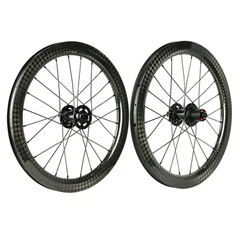
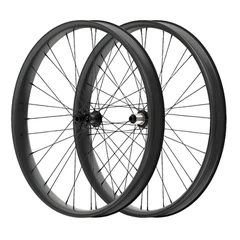
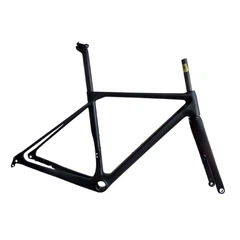
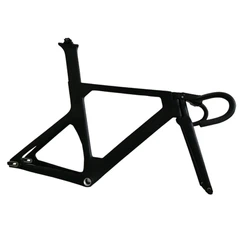
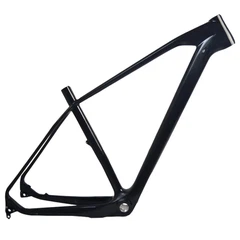
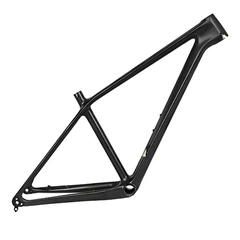
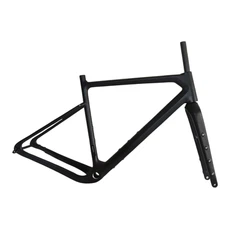
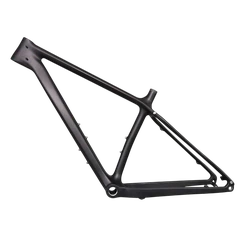
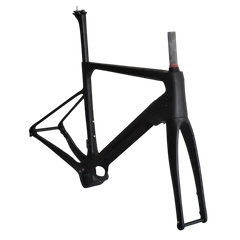
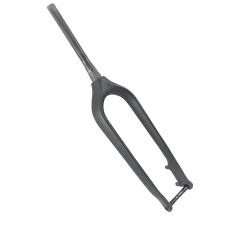
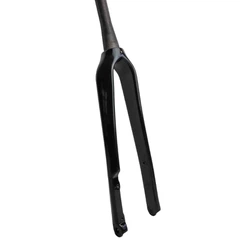
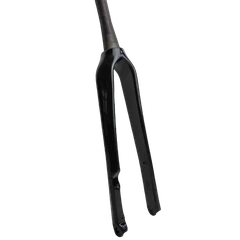
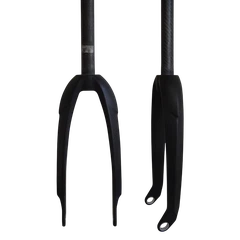
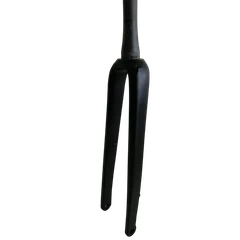
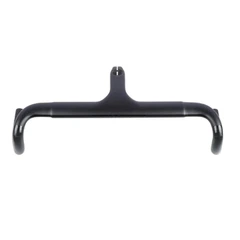
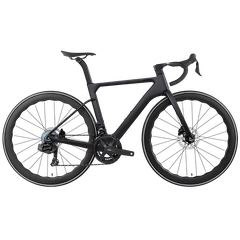
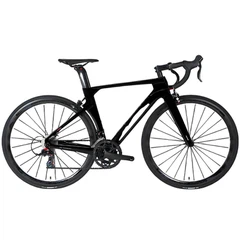
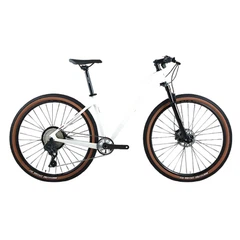
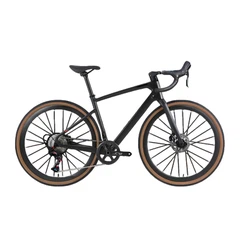
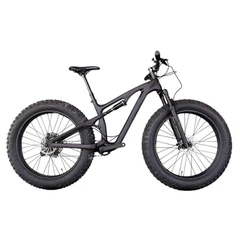
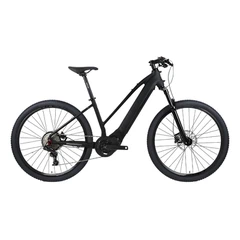
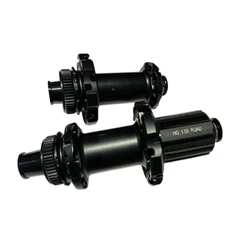
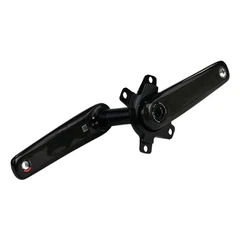
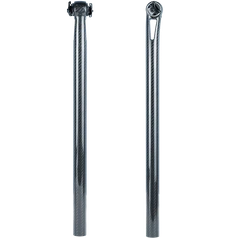
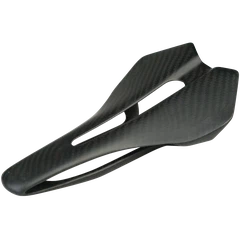

Carbon fiber bicycle frames are highly sought after for their light weight, high strength, and excellent ride performance, but proper maintenance is crucial for long-term use. The following are key maintenance tips for carbon fiber frames to help extend their lifespan and keep them in peak condition. Through proper cleaning, regular inspections, and proper maintenance, your carbon fiber bicycle frame will maintain its lightness and strength, providing you with a longer, safer riding experience.
Everyday Cleaning & Care
Rinse: Gently rinse the frame with a hose or damp cloth to remove dust and dirt from the surface, removing any adhering debris. Avoid using a high-pressure water jet, as this can cause water to enter the frame or bearings and cause long-term damage.
Wipe: Gently wipe the frame with a soft sponge or microfiber cloth dampened with a mild detergent (such as a diluted dish soap solution). Pay special attention to areas prone to staining, such as the bottom bracket, chainstays, and fork. Avoid using harsh brushes or harsh detergents, as they may scratch the paint or carbon fiber surface.
Dry: Thoroughly dry the frame with a clean, lint-free cloth, especially around the bolts and in the grooves, ensuring that all water has evaporated. This prevents rust on metal parts and protects carbon fiber frames from long-term moisture damage. Optionally, use a carbon fiber polish or wax to add a glossy finish and provide a protective layer.
Establish a cleaning routine: a quick wipe after every ride, a deep clean once a week, and a thorough inspection and light waxing monthly or seasonally. Using a carbon fiber polish not only preserves the frame's shine but also adds a layer of protection.

Check The Frame's Condition
Visual Inspection:
Regularly inspect your carbon fiber frame for scratches, dings, paint peeling, or cracks. Pay particular attention to high-stress areas such as the bottom bracket, head tube, chainstay, and seat post junction. Even small cracks or paint damage should be ignored. If paint damage is found, repair it immediately to prevent exposed metal parts from rusting. Use a magnifying glass or strong lighting to help uncover subtle, often difficult-to-see defects.
Structural Inspection
Gently shake the entire frame to check the tightness of connections such as the fork, seat tube, bottom bracket, stem, and handlebar clamps. Look for any unusual looseness, squeaking, or play. If looseness is detected, tighten with a torque wrench according to the manufacturer's recommended torque, or seek professional repair if unsure. Avoid overtightening, as excessive force can damage the carbon fiber.

Rust Prevention
For Frames Showing Signs Of Rust:
If you notice rust on metal frame components (such as the bottom bracket, bottom bracket eyelet, and inside the seat tube), pour a small amount of kerosene or a special rust-inhibiting oil into the frame, gently shake it to evenly coat the inside, and then pour out any excess liquid. Then, lightly smear the inside with linseed oil, mineral oil, or cooking oil to form a protective layer and slow the progression of corrosion.
Surface Protection:
For aluminum alloy or carbon fiber frames, keeping the surface clean and dry is crucial. Avoid contact with strong acids, bases, or other corrosive chemicals to prevent damage to the paint, anodized layer, or carbon fiber resin. Drying the frame promptly after riding, especially in rainy or coastal environments, can effectively reduce the risk of corrosion.
Crash & Repair Considerations
Even the strongest carbon fiber frames aren't completely immune to damage from accidental impacts. After a fall or serious impact, be sure to carefully inspect the frame before continuing.
Visual Inspection: Focus on stress-bearing areas like the head tube, bottom bracket, and seat stays for cracks, paint bulges, or delamination. White or hazy areas on the surface may indicate internal fiber damage.
Tap Test: Gently tap the frame surface with a coin. If a crisp sound is heard, the structure is normal; a dull sound indicates internal cracks.
Professional Inspection: If in doubt, take the frame to a qualified carbon fiber repair center for ultrasonic or X-ray inspection to confirm structural integrity.
Repair: Surface scratches or paint damage can be repainted, but deep cracks or fiber breaks require professional repair or complete frame replacement. Never apply adhesive patches yourself, as this may compromise the strength or warranty.
Annual / Long-Term Maintenance Checklist

To keep your carbon fiber bicycle looking like new for years, regular annual inspections and long-term maintenance are essential. The following checklist will help you maintain a safe, efficient, and durable frame.
Frame Inspection: Carefully inspect under bright light for cracks, discoloration, or delamination. If in doubt, have it inspected by a professional carbon fiber repair technician.
Torque Check: Use a standard torque wrench to check that key bolts, such as those on the stem, seatpost, and bottom bracket, meet the recommended torque values.
Bearing and Bottom Bracket Maintenance: Clean and re-grease to prevent corrosion and friction buildup.
Drivetrain and Cable Inspection: Replace worn chains, shift cables, and housings to ensure smooth shifting and reduce stress on the frame.
Protective Renewal: Reapply protective film or wax to protect against UV rays, moisture, and wear.
Preparing for Long-Term Storage: Thoroughly clean and lubricate metal parts before storage and store in a dry, constant-temperature environment.