

Gravel cycling lies somewhere between road and mountain biking, demanding a balance of speed and resilience. You ride across loose stones, washboard surfaces, sudden climbs, and unexpected impacts. That mixed terrain changes how a rim must be designed.
Unlike pure road rims that focus mainly on aerodynamics and low weight, gravel rims must handle repeated vibration, side loads, and sharp impacts while staying responsive under power. The design logic behind carbon fiber gravel rims differs significantly from that of conventional road rims.
Every choice, material, rim width, layup orientation, and profile shape affects how the wheel distributes load and absorbs shock. In gravel riding, strength alone is not enough. You need controlled flex, stable tire support, and reliable durability.
What Is a Carbon Fiber Gravel Rim?
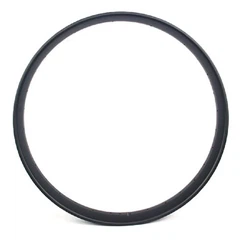
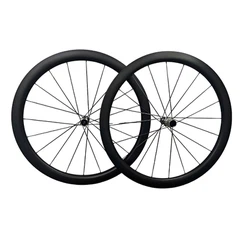
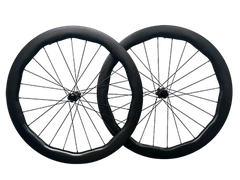
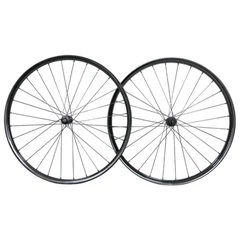
A carbon fiber gravel rim is a lightweight structural component designed specifically for mixed-surface riding. Unlike traditional road rims, gravel rims are built to handle wider tires, lower pressures, and repeated impacts from uneven terrain.

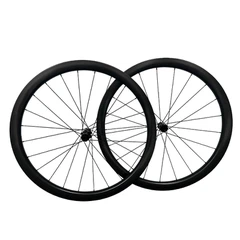
Carbon Gravel Rims
Send Inquiry Now

Carbon Gravel Rims 700c
Send Inquiry Now

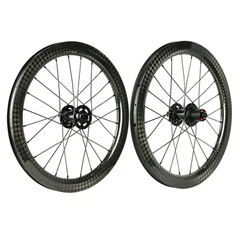
Carbon Gravel Rims 29 in
Send Inquiry Now

Carbon Gravel Rims 650B
Send Inquiry Now

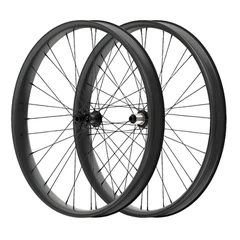
Carbon Gravel Rims 27.5
Send Inquiry Now

Carbon Gravel Rims 36
Send Inquiry Now
They are typically manufactured using layered carbon fiber composites, allowing engineers to control stiffness, strength, and vibration behavior through precise fiber orientation. Compared to standard road rims, gravel rims feature greater internal width and reinforced stress zones to improve tire stability and impact resistance.
The goal is not just speed. It is controlled performance across unpredictable surfaces.
Load Distribution and Impact Resistance
Gravel terrain creates complex forces on your rims. Unlike smooth pavement, loose stones and sudden drops apply vertical, lateral, and torsional loads at the same time. A well-designed carbon gravel rim must manage these forces without becoming overly stiff or fragile.

Vertical Impact Loads
When you hit rocks or sharp edges, the rim absorbs vertical impact. Rims must offer impact resistance and flex strength while maintaining a responsive feel. To handle this, engineers reinforce:
The bead seat area.
The spoke bed zone.
High-stress contact points.
These areas take the first shock when riding at lower tire pressure.
Lateral and Torsional Forces
Gravel riding often involves cornering on unstable surfaces. Your rim must resist side loads while keeping the tire stable. Proper fiber orientation improves lateral stiffness, helping the wheel track straight during turns.
At the same time, the rim must transmit pedaling torque from the hub through the spokes without energy loss.
Controlled Flex for Comfort
Too much stiffness can increase vibration.
Too little stiffness reduces control.
Carbon design allows engineers to tune flex zones, balancing strength and comfort so your wheel remains durable under repeated gravel impacts.
Internal Rim Width and Tire Support
Internal rim width plays a major role in how your gravel bike feels on rough terrain. It affects tire shape, air volume, grip, and overall stability. A wider rim does more than just hold a wider tire. It changes how the tire performs under load.
Supporting Wider Gravel Tires
Carbon gravel rims typically feature an internal width of 25–30mm to match tires in the 35–50mm range. When the internal width is properly matched, the tire sidewalls are better supported.

This improves:
Cornering stability.
Low-pressure performance.
Resistance to tire roll.
Air Volume and Comfort
Wider rims allow the tire to maintain a more rounded and consistent shape. This increases usable air volume and improves shock absorption when riding over gravel and washboard sections.
You gain comfort without sacrificing responsiveness.
Tubeless Compatibility
Modern gravel rims are designed for tubeless systems. A precise tire bed and airtight construction reduce the risk of flats and allow you to run lower tire pressure safely.
Carbon Layup Strategy
The strength of a carbon gravel rim depends heavily on how the fibers are layered. Carbon layup is not random. Each layer is placed in a specific direction to control stiffness, impact resistance, and vibration behavior.
Longitudinal (0°) fibers support pedaling forces and torque transfer. These layers help the rim stay firm under acceleration. Transverse (90°) fibers improve radial stiffness, allowing the rim to resist vertical impacts from rocks and uneven ground.
Engineers also use ±45° layers to manage torsional loads and reduce harsh vibration. This angled fiber placement helps the rim stay stable during cornering while maintaining comfort.
Material choice matters too. Carbon gravel rims are typically constructed from Toray T700 and T800 carbon fibers, combined with a high-temperature-resistant resin system.
By adjusting fiber orientation and layer thickness, designers can tune the rim to balance stiffness, strength, and controlled flex for real gravel riding conditions.
Rim Depth and Aerodynamic Trade-Off
Rim depth influences both speed and stability. In gravel riding, you do not design for aerodynamics alone. You design for balance.

Moderate Depth for Stability
Deeper rims can improve airflow at higher speeds. On smooth roads, this may reduce drag and help maintain momentum. However, gravel terrain often includes open fields, uneven surfaces, and unpredictable wind.
A very deep rim may:
Increase side wind sensitivity.
Reduce steering stability.
Feel less predictable on loose ground.
For this reason, many carbon gravel rims use moderate depths. This helps you maintain control while still gaining some aerodynamic benefit.
Crosswind Management
Gravel routes often expose you to crosswinds. A well-shaped rim cross-section, such as a rounded or U-shaped profile, allows airflow to move more smoothly around the wheel. This reduces sudden side force and improves tracking. Stable handling matters more than maximum speed.
Design Balance
Rim depth also affects weight and stiffness. Deeper sections can increase structural rigidity but may add material mass. Shallower designs save weight but must maintain enough strength for rough terrain.
In gravel riding, the goal is not extreme aerodynamics. It is controlled efficiency with reliable stability across changing conditions.
Weight vs Durability Balance
In gravel riding, lighter is not always better. You want a rim that feels quick under acceleration, but it must also survive repeated impacts and long-distance vibration. The real challenge is finding the right balance between weight savings and structural strength.
Why Low Weight Matters
Reducing rotational weight improves how your bike accelerates and responds to changes in pace. A lighter rim can make climbing feel easier and help maintain a steady cadence over long gravel sections.
Less rotating mass means quicker response. But only if the structure remains strong.
The Risk of Over-Light Design

If a rim is built too thin, it may struggle under sharp impacts or heavy loads. Gravel riding includes rocks, potholes, and uneven surfaces. These forces add stress around:
The bead seat.
The spoke holes.
The outer rim wall.
Insufficient reinforcement in these zones can reduce long-term durability.
Smart Reinforcement Strategy
Engineers often strengthen high-stress areas while keeping other zones lighter. This targeted reinforcement approach allows you to maintain performance without unnecessary material weight.
The goal is not the lightest rim possible. It is the most efficient strength-to-weight balance for real gravel conditions.
Hooked vs Hookless Design
The choice between hooked and hookless rims affects tire compatibility, pressure limits, and overall safety. Both designs are used in modern carbon gravel rims, but they follow different engineering principles.
|
|
||
|---|---|---|
| Feature | Hooked Rim | Hookless Rim |
| Bead Design | Small inward hook secures the tire bead | Straight sidewall without a hook |
| Tire Compatibility | Compatible with most tubeless and tube-type tires | Requires hookless-approved tubeless tires |
| Maximum Tire Pressure | Generally allows higher pressure | Limited to manufacturer pressure guidelines |
| Manufacturing Complexity | More complex mold shaping | Simpler internal geometry |
| Weight | Slightly heavier due to the hook structure | Often slightly lighter |
| Installation | More forgiving during tire mounting | Requires precise tire fit and setup |
| Safety Margin | Wider compatibility range | Depends on strict tire-rim tolerance |

Hooked rims provide broader tire compatibility and are often chosen when flexibility is important. They offer a mechanical bead lock that helps secure the tire at higher pressures.
Hookless rims rely on precise dimensional control between the tire and the rim. When matched correctly, they provide a clean internal shape and can reduce material use. However, they require approved tires and careful pressure management.
Real-World Performance Considerations
Design principles matter, but real gravel riding adds variables that no lab test can fully predict. Your rim must perform not just under controlled loads, but across changing terrain, weather, and riding styles.
Vibration and Fatigue Over Distance
Gravel routes often include long stretches of washboard and loose stones. Continuous vibration can cause rider fatigue and stress the rim structure over time. A well-tuned carbon layup helps absorb small impacts without feeling dull or overly soft. You feel the difference after hours in the saddle.
Cornering and Tire Stability
On loose surfaces, tire support becomes critical. Internal rim width and sidewall design influence how stable the tire feels during cornering. A rim that holds the tire securely allows you to lean with more confidence and maintain predictable handling.
Load Variation and Rider Weight
Rider weight, bikepacking gear, and terrain all change how the rim behaves. Gravel wheels must handle shifting loads while keeping spoke tension stable and the rim true.
In real riding conditions, consistency matters more than peak numbers. A rim that maintains strength, comfort, and control across different situations delivers reliable performance where it counts most.
FAQ
Q: Why are carbon rims ideal for gravel bikes?
A: Carbon rims combine lightweight construction, vibration damping, and structural strength, making them perfect for mixed-terrain riding. They absorb bumps from gravel, improve handling, and allow precise power transfer.
Q: Are carbon gravel rims more durable than aluminum?
A: High-quality carbon rims are engineered with reinforced layups and advanced resin systems, offering superior fatigue resistance. While aluminum can bend or dent under heavy impact, carbon rims maintain structural integrity when properly designed and tested.
Q: What rim width should I choose for gravel riding?
A: For gravel bikes, an internal rim width of 25–30mm is recommended. This supports wider tires, improves traction, and provides better comfort on rough terrain.
Q: What internal rim width is best for gravel riding?
A: Most gravel rims use an internal width between 25mm and 30mm. The right width depends on your tire size. Wider tires (40–50mm) pair better with wider rims to improve sidewall support and stability at lower pressures.
Q: Do deeper gravel rims improve speed?
A: Moderate rim depth can reduce aerodynamic drag, but gravel riding also requires crosswind stability. Extremely deep rims may reduce control on exposed or uneven terrain. Balance is more important than maximum depth.
Q: How do carbon gravel rims handle repeated impacts?
A: Carbon rims are designed with reinforced bead seats and spoke beds to manage impact loads. Proper tire pressure and regular inspection help maintain durability over time.
Conclusion
Designing a carbon fiber gravel rim is about balance. You need impact resistance without excess weight. You need lateral stiffness without a harsh ride feel. Every design choice, rim width, layup orientation, depth, and bead structure affects how the wheel performs on real gravel terrain.
Gravel riding is unpredictable. Your equipment must handle sharp impacts, crosswinds, long vibrations, and shifting loads. A well-engineered rim distributes stress efficiently and maintains stability over time.
The goal is not simply to build a lighter rim. It is to build a rim that performs consistently under varied conditions. If you are developing or sourcing carbon gravel rims, focusing on structural design logic and real-world performance criteria helps ensure long-term reliability.
Carbon World supports brands and performance projects with precision-manufactured carbon fiber gravel rims engineered around strength-to-weight balance and durability standards. By combining careful layup design with rigorous testing control, Carbon World helps you build reliable wheel systems ready for modern gravel demands.