

When using carbon fiber materials in business, understanding the difference between UD, 3K, and 12K carbon fiber is essential. Each type has its own characteristics that influence strength, flexibility, cost, and suitability for different applications. Selecting the right fiber structure can directly affect product performance, weight, durability, and manufacturing efficiency.
Carbon fiber is widely used in industries such as automotive, sporting goods, aerospace, and industrial equipment because it offers high strength with low weight. However, many people assume that the weave pattern alone determines performance. In reality, fiber arrangement, tow size, and layup design all play important roles.
Is 12K stronger than 3K?
Why do some bicycle frames use UD inside but 3K outside?
Does weave affect strength, or mainly appearance?
In this article, we explain these differences clearly and help you choose the right carbon fiber architecture for your product needs.
What is Carbon Fiber?

Carbon fiber is made from extremely thin strands of carbon atoms bonded together in long chains. These strands are grouped into bundles called "tows." A tow can contain thousands of individual filaments that work together to provide strength and stiffness.
The number followed by "K" refers to how many thousands of filaments are inside one tow. For example:
3K means 3,000 filaments per tow
12K means 12,000 filaments per tow
Tow size influences fabric thickness, surface texture, resin absorption, and production efficiency. Larger tows create thicker and heavier fabrics, while smaller tows allow finer surface finishes and more precise layup control.
Carbon fiber fabrics are formed either by weaving these tows together or by aligning them in a single direction. This arrangement determines how the material handles stress, which is why UD, 3K, and 12K carbon fiber behave differently in real applications.
Understanding UD Carbon Fiber
UD stands for "unidirectional," meaning all carbon fibers in the sheet are aligned in the same direction. Instead of being woven into a pattern, the fibers run parallel to each other without crossing.
This alignment allows the material to carry load very efficiently along the fiber direction. When force is applied parallel to the fibers, strength and stiffness are maximized. However, strength across the fiber direction is lower, which is why UD layers are often combined at different angles during manufacturing.
In real structural design, UD layers are commonly arranged at 0°, 45°, and 90° orientations. By stacking layers in multiple directions, engineers create balanced strength while keeping weight low.

Strength of UD Carbon Fiber
UD carbon fiber provides the highest directional strength among the three types. It is widely used as a structural inner layer in bicycle frames, aerospace parts, and performance components where stiffness and load transfer are critical.
Flexibility of UD Carbon Fiber
Because there is no woven pattern, UD material is less flexible across its fiber direction. It does not drape easily over tight curves unless properly oriented. If forced to bend sharply against the fiber direction, it may crack.
Typical Uses of UD Carbon Fiber
UD carbon fiber is typically used in structural applications where load direction is predictable, such as:
Bicycle frame tubes
Aerospace panels
High-performance automotive chassis components
In many products, UD is used inside the structure, while woven fabrics may be applied on the outer surface.
What Is 3K Carbon Fiber?
3K carbon fiber is made from tows containing 3,000 filaments per bundle. Unlike UD sheets, these tows are woven together into fabric patterns, such as plain weave or twill weave. The woven structure allows fibers to cross over each other, creating strength in multiple directions.
Because of its balanced construction, 3K carbon fiber provides more uniform in-plane strength compared to UD. While it does not match UD in pure directional stiffness, it performs well when loads come from different angles.

Strength of 3K Carbon Fiber
The woven pattern distributes stress across intersecting fibers. This makes 3K suitable for components exposed to multidirectional forces. It offers a practical balance between structural performance and manufacturing flexibility.
Flexibility of 3K Carbon Fiber
3K fabric drapes more easily than UD. The weave allows it to bend and conform to curved molds during production. This makes it easier to use for parts with complex geometry or visible surfaces.
Typical Uses of 3K Carbon Fiber
3K carbon fiber is widely used in applications where both performance and surface appearance matter, such as:
Bicycle frame outer layers
Automotive panels
Drone frames
Consumer electronics housings
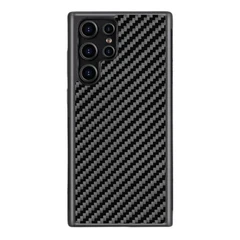
Its fine checker pattern has become the classic "carbon fiber look" seen in many high-performance products.
What Is 12K Carbon Fiber?
12K carbon fiber is made from tows containing 12,000 filaments per bundle. Like 3K, it is typically woven into fabric patterns. However, because each tow contains more filaments, the resulting fabric is thicker and has a more visible, coarse texture.
The larger tow size affects both performance and manufacturing. With wider fiber bundles, fewer tows are needed to cover a surface area. This can improve production efficiency and reduce material cost per square meter.
Strength of 12K Carbon Fiber
12K carbon fiber provides strong structural performance for many industrial applications. However, a higher K number does not automatically mean higher strength. Total strength depends more on fiber orientation, layer count, and resin system than on tow size alone.
Compared to 3K, 12K may be slightly less precise in fine structural control, but it remains robust for larger parts and load-bearing panels.
Flexibility of 12K Carbon Fiber
Because of the larger bundle size, 12K fabric is thicker and somewhat less flexible than 3K. It can still be molded and shaped, but it may not conform as easily to very tight curves or detailed surfaces.
Typical Uses of 12K Carbon Fiber
12K carbon fiber is often used in:
Large industrial panels
Structural components
Heavy vehicle parts
Cost-sensitive manufacturing projects
It is a practical choice when structural performance is required, but ultra-fine surface appearance is not the priority.
Comparing UD, 3K vs 12K Carbon Fiber: Strength and Flexibility
When comparing UD, 3K, and 12K carbon fiber, it is important to understand that tow size and weave pattern influence handling, surface appearance, and manufacturing efficiency. However, overall structural performance depends largely on fiber orientation and layup design.
Below is a clearer technical comparison:
| Feature | UD Carbon Fiber | 3K Carbon Fiber | 12K Carbon Fiber |
|---|---|---|---|
| Tow Size | Continuous aligned fibers | 3,000 filaments per tow | 12,000 filaments per tow |
| Fiber Arrangement | Unidirectional (parallel) | Woven (plain or twill) | Woven (plain or twill) |
| Directional Strength | Highest in fiber direction | Balanced multidirectional | Good, but less precise than 3K |
| Surface Appearance | Linear, smooth | Fine checker pattern | Coarse checker pattern |
| Layer Thickness | Thin per layer | Moderate | Thicker per layer |
| Drape & Molding | Limited | Good | Moderate |
| Structural Use | Inner load-bearing layers | Outer layers or balanced laminates | Large structural panels |
| Cost per m² | Highest | Moderate | Lower |
Does Weave Affect Strength?
A common misunderstanding is that the weave type or K number directly determines how strong a carbon fiber product will be. In reality, the weave pattern alone does not define the overall structural strength.
The true strength of a carbon fiber component depends primarily on:
Fiber orientation
Layer stacking sequence
Number of layers
Resin system
Curing process
UD carbon fiber provides maximum stiffness in one direction because all fibers are aligned. However, if a structure needs strength in multiple directions, engineers combine layers at different angles.
Woven fabrics such as 3K and 12K distribute fibers in two directions within a single layer. This improves in-plane balance but does not automatically make them stronger than properly oriented UD layers.
In most engineered products, total strength comes from laminate design rather than weave appearance. Tow size mainly influences fabric thickness, surface texture, and production efficiency, not absolute tensile strength.
Which Carbon Fiber Should You Choose?
Choosing between UD, 3K, and 12K carbon fiber depends on how your product will be used. There is no single "best" option. The right choice depends on structural requirements, appearance needs, and production priorities.

Choose UD Carbon Fiber If
Your part requires maximum stiffness in a specific direction
Load direction is predictable
Structural performance is the top priority
The carbon layer will be hidden inside the product
UD is commonly used as the internal structural layer in bicycle frames, aerospace parts, and high-performance components.
Choose 3K Carbon Fiber If
Your product is exposed, and surface appearance matters
The design includes curves or complex shapes
Strength is needed in multiple directions
You want a balance between performance and aesthetics
3K is widely used for visible outer layers in consumer products and performance equipment.
Choose 12K Carbon Fiber If
You are producing large structural panels
Manufacturing efficiency and cost control are important
Ultra-fine surface texture is not required
The part design does not require tight curvature
12K is often selected for industrial components and large-scale production where cost efficiency is a key factor.
In many engineered products, different fiber types are combined. For example, UD layers may provide internal strength, while 3K fabric is used on the surface for appearance and balanced performance.
The best solution often comes from strategically combining materials rather than choosing a single type.
How Carbon Fiber Weaves Are Used in Bicycle Components
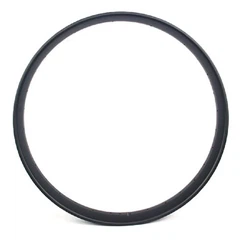
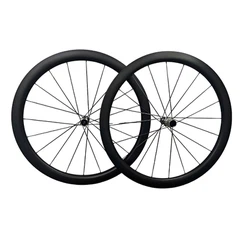
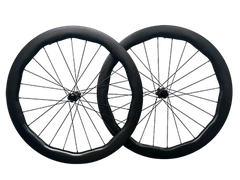
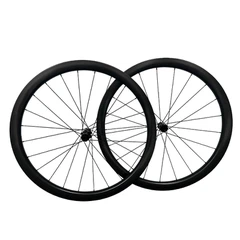
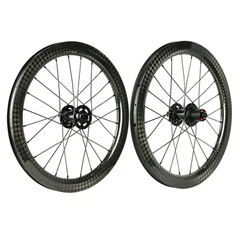
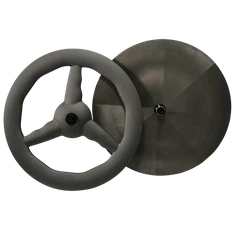
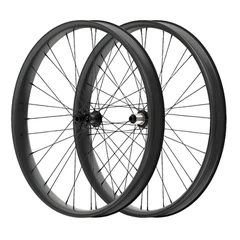
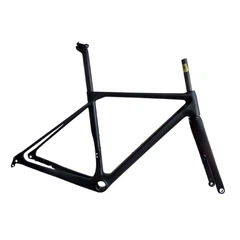
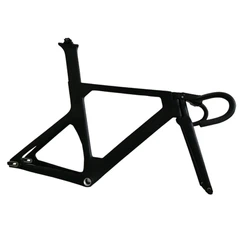
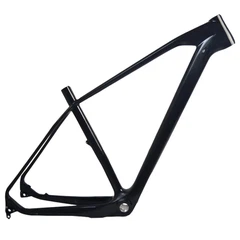
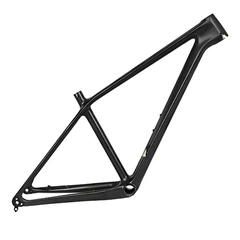
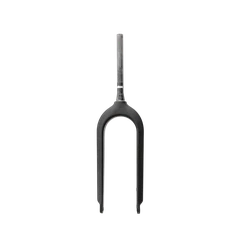
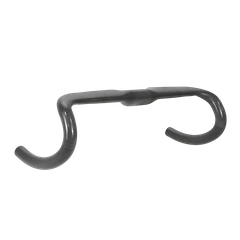
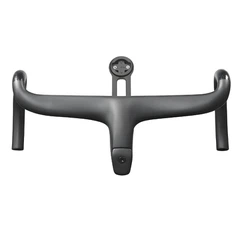
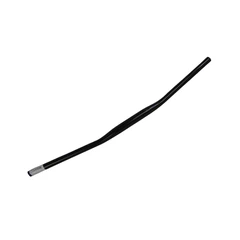
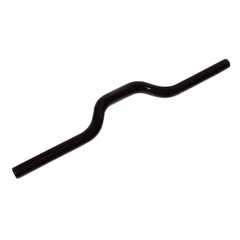
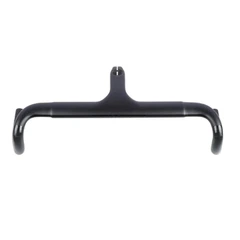
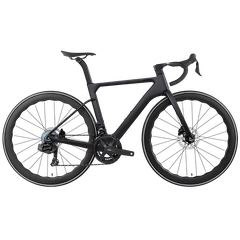
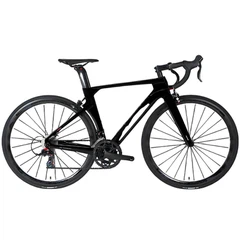
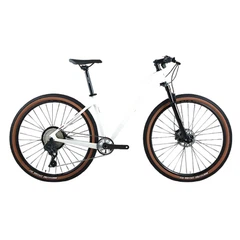
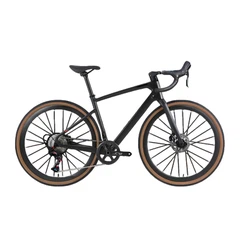
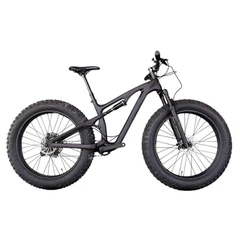
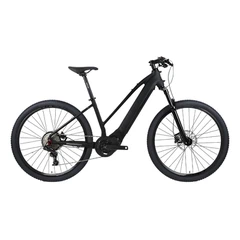
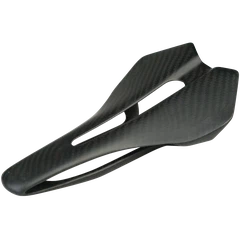
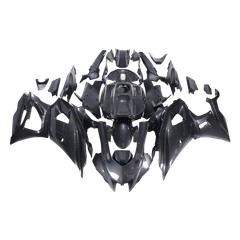
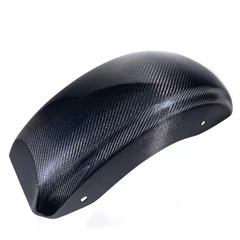
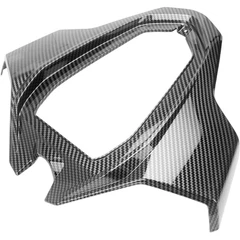
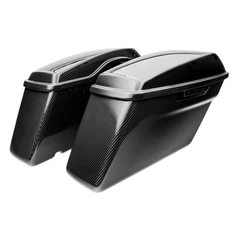
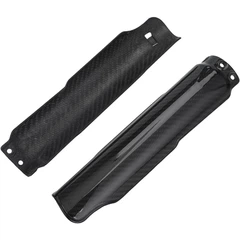
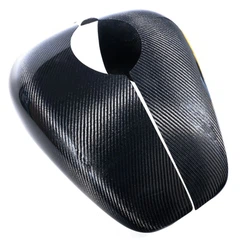
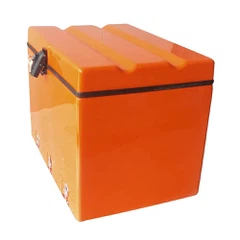
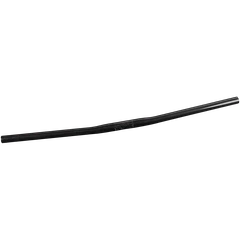
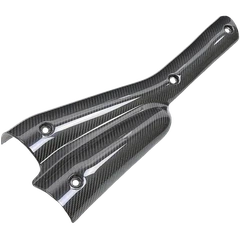
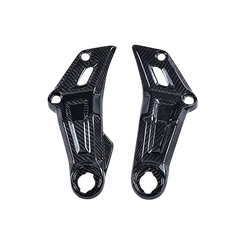
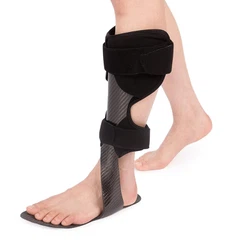
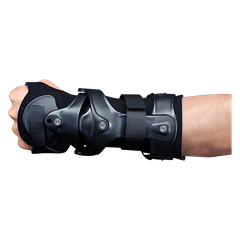
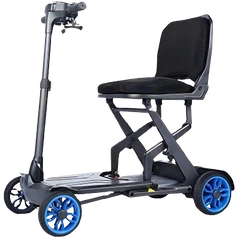
In bicycle components, carbon fiber weave is chosen based on how the part works, not only how it looks. Components such as carbon fiber rims, frames, forks, handlebars, motorcycle parts, or medical parts often employ different carbon fiber layup structures in different areas.

Carbon Bike Rims
Send Inquiry Now

Carbon Bike Wheels
Send Inquiry Now

Carbon Bike Frame
Send Inquiry Now

Carbon Fiber Forks
Send Inquiry Now

Carbon Handlebars
Send Inquiry Now

Carbon Fiber Bike
Send Inquiry Now

Motorcycle Industry
Send Inquiry Now

Medical Industry
Send Inquiry Now
For a carbon bike rim, the spoke hole area, tire bed, sidewall, and brake or disc load area do not carry force in the same way. The layup must support impact, spoke tension, tire pressure, and riding vibration.
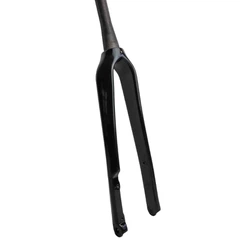
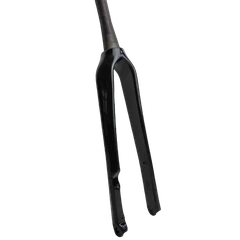
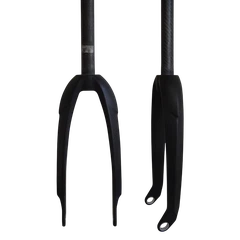
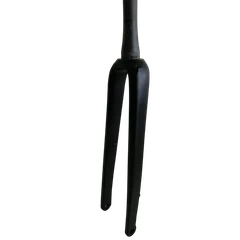
On a carbon frame or fork, some areas need higher stiffness, while others need controlled flex. This helps improve power transfer, steering feel, and rider comfort.
For handlebars and seatposts, the material layout is also important. These parts must stay strong under repeated load, but they should not feel too harsh during long rides.
That is why a good carbon bicycle component is not judged only by its surface weave. The real value comes from proper material selection, accurate layup, stable molding, and careful quality inspection.
How the Differences Impact Your Product
When choosing UD, 3K, and 12K carbon fiber, consider product requirements:
Load Direction: UD carbon fiber provides maximum strength when the product is under predominantly one-way stress.
Design Complexity: With curved surfaces and complex shapes, 3K carbon fiber's flexibility makes production easier.
Budget Constraints: 12K carbon fiber can reduce material costs if cost takes priority and applications don't demand the highest weave.
Aesthetics: 3K fabrics have finer weaves and superior surface finishes, hence they contribute to a large extent to consumer-led leading products.

Cost Considerations of UD, 3K vs 12K Carbon Fiber
The price difference can affect the choice. UD carbon fiber tends to be the most expensive because of its high quality and production requirements. 3K Carbon fiber is moderately priced with an acceptable balance between performance and cost. 12K carbon fiber is easy to make due to the big fiber bundle, and the price per kilogram tends to be the lowest. For price-sensitive applications or high-volume productions, 12K reduces the cost. However, if performance is vital, it is worth the additional cost of UD and 3K.
How to Choose the Right Carbon Fiber for Your Business
To choose the type of carbon fiber that would best suit your application, consider the following:
Analyze Load Requirements: Determines whether a product is subjected to directional or multi-directional forces.
Consider Shape and Flexibility: Are carbon fibers going to be shaped or bent during production?
Assess Cost Limits: Budgets and whether the rises in material cost can be offset by gains in performance.
Look at End-Use: Industry standards and customer expectations.
Consult with Material Experts: Cooperation between carbon fiber suppliers and engineers to decide the optimum balance of performance.
Conclusion
UD, 3K, and 12K carbon fiber each serve a different purpose. UD is often used when strength and stiffness need to be controlled in a clear direction. 3K is a good choice when the product needs a refined carbon look and balanced surface performance. 12K is useful for larger parts where coverage, cost, and production efficiency matter.
The best choice is not always the most expensive material or the most visible weave. It depends on how the part will be used, where the load comes from, what surface finish is required, and how the product will be manufactured.
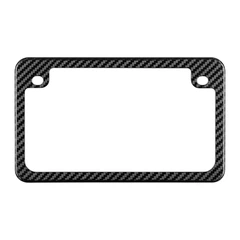
At Carbon World, we help customers choose suitable carbon fiber structures for bicycle components, motorcycle parts, medical products, 3C accessories, and other custom carbon fiber projects. If you need support with material selection, weave appearance, layup design, or OEM/ODM production, our team can help you develop a practical solution for your product.
FAQ
Q: Why are many bicycle frames UD on the inside and 3K on the outside?
A: UD carbon fiber is commonly used as the internal structural layer because it provides high stiffness in specific load directions. The outer layer is often 3K fabric because it offers balanced surface strength and a refined carbon appearance. This combination improves both performance and aesthetics.
Q: Does the weave pattern affect weight?
A: Tow size influences fabric thickness and resin absorption, which can affect weight per layer. Larger tows like 12K create thicker layers. However, total component weight depends more on the number of layers and overall laminate design than weave type alone.
Q: Which carbon fiber is best for visible surfaces?
A: 3K carbon fiber is often preferred for exposed surfaces because of its fine checker pattern and smoother appearance. 12K has a coarser texture, while UD typically shows a linear fiber pattern and is less decorative.
Q: Can different carbon fiber types be combined in one product?
A: Yes. Many high-performance components combine UD for structural layers with woven fabrics, such as 3K or 12K, for outer surfaces or balanced reinforcement. Material selection is often strategic rather than exclusive.
Q: Which carbon fiber type is easier to mold into complex shapes?
A: Woven fabrics like 3K and 12K usually drape more easily around curves because the fibers interlace. UD sheets are less flexible across the fiber direction and may require careful orientation during layup. For tight curves or detailed surfaces, woven fabrics are often more manageable.
Q: Is UD carbon fiber weaker in some directions?
A: Yes. UD provides maximum strength along the fiber direction but lower strength across it. That is why engineers stack UD layers at different angles (such as 0°, 45°, and 90°) to achieve multidirectional strength.