


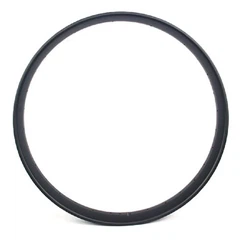
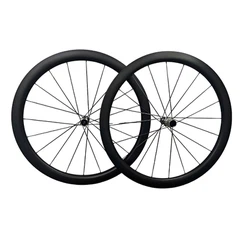

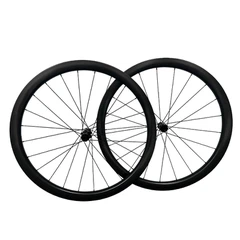
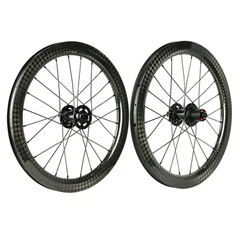
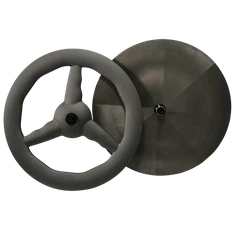
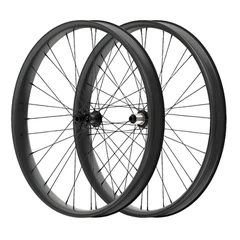
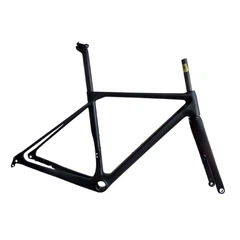
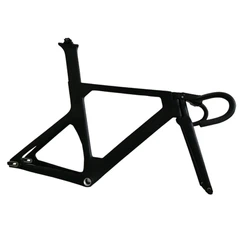
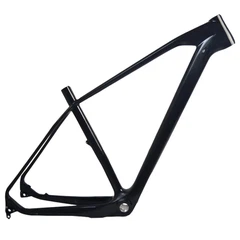
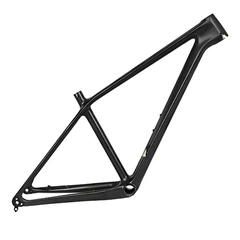
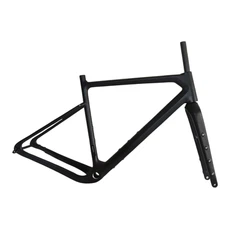
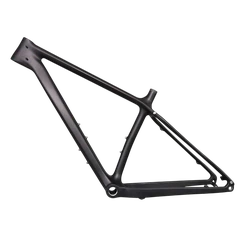
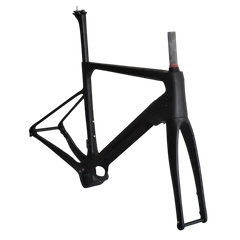
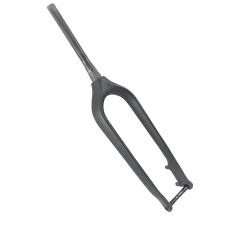
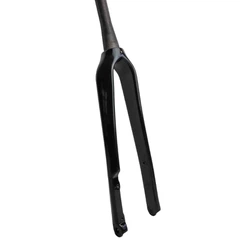
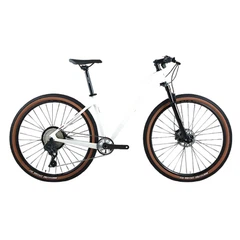
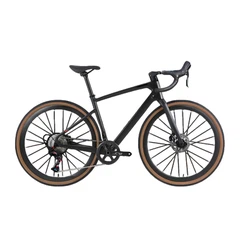
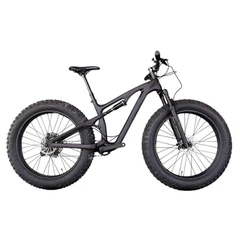
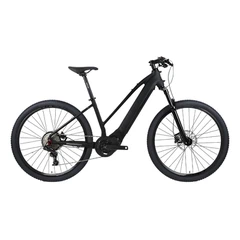
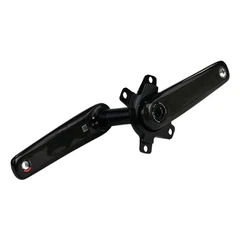
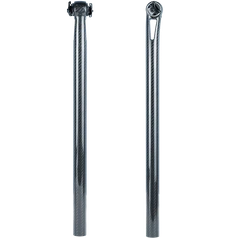
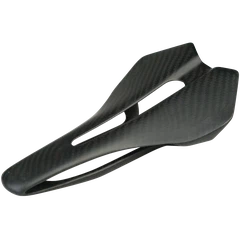




The core design philosophy of carbon fiber mountain bike wheels lies in achieving the optimal balance between lightness and structural rigidity, while also balancing durability, shock absorption, and aerodynamic efficiency. As a key component of high-end mountain bikes, their design must integrate materials science, mechanical principles, and riding requirements to meet the extreme performance demands of professional riders on challenging terrain.
First, the selection of carbon fiber materials and layup design are the foundation of wheel performance. By utilizing high-modulus carbon fiber, wheels offer exceptional torsional rigidity while maintaining minimal weight, ensuring maximum pedaling efficiency. Layered layup technology, through optimized fiber angles (such as ±45° and 0°/90° combinations), precisely controls the rim's lateral stiffness and longitudinal strength to withstand the high-frequency impacts and sharp cornering loads of mountain biking.
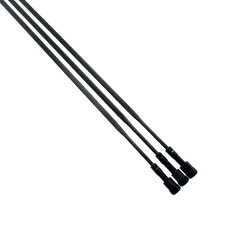
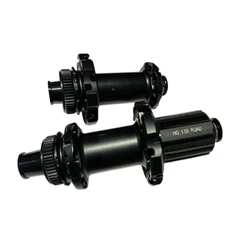
Second, the wheel's structural design must balance dynamic response and safety margins. The bearing layout and ratchet mechanism of the hub system directly impact power transmission efficiency. Carbon fiber spokes or hybrid metal-carbon spoke designs can reduce weight while maintaining impact resistance. Deep-section rims (e.g., 35-50mm) can improve high-speed stability, but their profiles must be optimized through aerodynamic simulation to reduce crosswind interference. Wider bead designs (e.g., 25-30mm internal width) adapt to the modern wide tire trend and enhance grip and comfort.
Furthermore, durability design is crucial. Carbon fiber wheels undergo finite element analysis (FEA) to simulate stress distribution under extreme conditions, and reinforce vulnerable areas such as the tire bead and spoke holes. Anti-slip coatings and sealed hub technology further extend lifespan, while modular designs facilitate maintenance and customization.
Ultimately, carbon fiber mountain bike wheel design is a blend of science and art-data-driven material selection and engineering-driven structural optimization to strike a balance between extreme lightness and reliable performance, providing riders with an agile, stable, and enjoyable mountain biking experience.


