

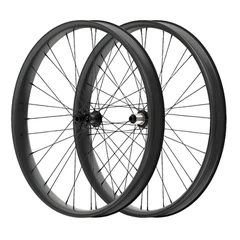






Introduction
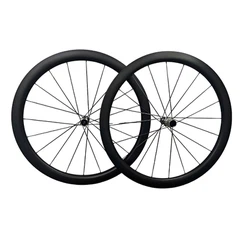
I've seen many riders traverse rocky trails, muddy descents, and long endurance stages with carbon fiber mountain bike wheelsets, seemingly unimpeded, until seemingly minor, barely perceptible damage escalates into major problems.
Carbon fiber wheels fail differently from aluminum alloy wheels. They don't always bend or deform first. Sometimes, they crack, delaminate, or develop stress marks that are invisible to the naked eye. Therefore, proper maintenance and care of carbon fiber mountain bike wheelsets are crucial, not optional.
In this guide, we'll detail how to inspect, clean, protect, and maintain carbon fiber mountain bike wheelsets to ensure they maintain speed, safety, and readily available performance throughout the riding season.
Why Carbon Fiber Mountain Bike Wheelsets Require Special Maintenance
Detailed Explanation of Carbon Fiber Composite Structure:
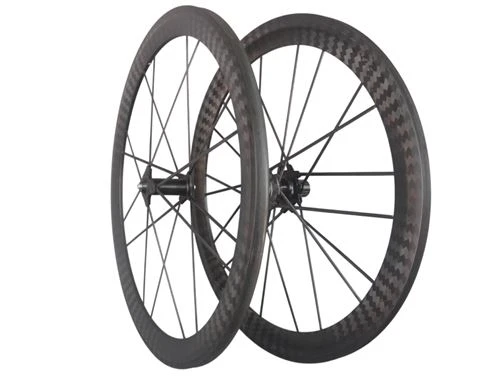
Carbon fiber mountain bike wheelsets are not solid metal, but rather composed of multiple layers of carbon fiber bonded together with a resin matrix. The carbon fiber provides strength and rigidity, while the resin holds all components in place and distributes the load. This multi-layered structure delivers superior performance, but its stress characteristics differ compared to aluminum alloy rims.
Impact Performance Comparison with Aluminum Alloy Rims:
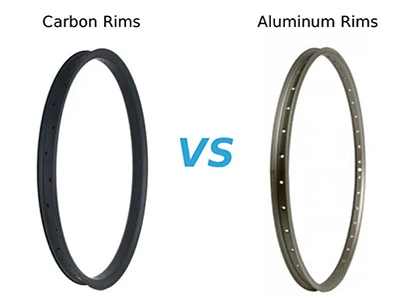
Aluminum alloy rims are prone to bending or denting upon impact. Carbon fiber rims, on the other hand, are extremely rigid and resistant to deformation. They do not exhibit noticeable bending but instead absorb internal energy. This means that damage is not always readily apparent.
Stress Concentration Areas:
High-load areas such as the rim edges, spoke holes, and sidewalls are repeatedly subjected to tensile and impact forces. These areas require regular inspection, especially after aggressive riding or rockfalls.
Micro-Damage Detection is Crucial:
Small cracks or surface defects can expand over time. Early detection can prevent larger structural problems and protect the long-term durability of the wheelset.

How to Properly Clean Carbon Fiber Mountain Bike Wheelsets
First, use safe cleaning products designed specifically for bicycles-mild soap, bicycle cleaner, and warm water are ideal. These cleaners remove dirt and riding residue without affecting the resin structure of the carbon fiber rims. Avoid using harsh chemicals such as degreasers, strong solvents, brake cleaners, or acidic products. While they may seem effective, long-term use can damage the surface coating and weaken the protective layer.
After a muddy ride, gently rinse the wheels with low-pressure water to remove grit and dried mud. Never use a pressure washer, as the high pressure will force water into the hub bearings, damaging the seals. Carefully clean the rim surface using a soft sponge or microfiber cloth, especially the bead area of tubeless tires.
Drying is just as important as cleaning. Thoroughly wipe the rims with a clean cloth and allow them to air dry completely before storing. Pay special attention to the rotor and hub areas-avoid soaking the bearings and never spray cleaner directly onto the hub joint. Spending a few minutes on careful maintenance after each ride will keep your carbon fiber wheelset looking brand new and performing exceptionally well.
Inspect Carbon Fiber Rims for Cracks and Impact Damage
Regular inspection is one of the most important habits to ensure the safe and reliable operation of carbon fiber rims during riding. First, carefully inspect the rim surface in well-lit conditions. Fine cracks usually appear as thin lines along the carbon fiber grain, while simple surface scratches typically only affect the clear coat. Scratches that don't change shape when lightly pressed are usually just a cosmetic issue, but if the crack widens or extends slightly, it may indicate more serious structural damage.
Next, check for delamination or soft spots. Gently press the inner and sidewalls of the rim. The surface should feel firm and even. Any unusual bending, bubbling, or dull sound when tapped may indicate internal separation and should not be ignored.
Pay special attention to the spoke holes. Stress cracks around these areas may appear as small radial cracks, usually caused by uneven spoke tension or strong impacts. Finally, inspect the rim edges, especially when using tubeless tires. Check for nicks, warping, or sharp edges, as these can affect tire sealing and safety. Understanding the difference between harmless surface marks and structural damage ensures your carbon fiber wheelset continues to perform reliably.

How Long Do Carbon Mountain Bike Wheels Last?
Carbon mountain bike wheels are built to handle serious terrain, and under normal trail use, they can last many years. For most riders, a well-made carbon rim can easily deliver 3–5 years of consistent performance, and often much longer when properly maintained. Unlike aluminum, carbon does not fatigue in the same way, which means it won't gradually weaken from repeated stress if it remains structurally intact.
Riding style plays a major role in lifespan. Cross-country (XC) riding typically involves smoother terrain and lighter impacts, so wheels tend to last longer. Trail riding introduces more technical sections and moderate hits, while enduro riding places the highest stress on rims due to aggressive descents, rock strikes, and higher speeds. The more demanding the terrain, the more critical regular inspection becomes.
Rider weight also affects durability. Heavier riders naturally generate higher impact forces, especially during jumps or hard landings. Choosing the correct rim profile and maintaining proper spoke tension helps distribute these forces effectively.
It's time to replace your carbon rim if you notice deep cracks, soft spots, repeated loss of spoke tension, or visible structural damage around the bead or spoke holes. Minor surface marks are normal. Structural compromise is not. With proper care, carbon MTB wheels remain one of the most durable performance upgrades you can invest in.
Can Carbon Fiber Mountain Bike Wheelsets Be Repaired?
Carbon fiber mountain bike wheelsets can sometimes be repaired, but this depends entirely on the type and severity of the damage. Minor surface scratches, small dents in the clear coat, or minor abrasions from off-road gravel usually don't affect structural integrity. These issues are often just visual and can be observed for a while without immediate intervention. However, structural cracks, deep impact fractures, soft spots, or visible delamination are a different story. If the carbon fiber layers are damaged, the wheel's strength and safety may be compromised.
Professional carbon fiber repair specialists can repair certain types of rim damage by rebuilding the damaged carbon fiber layers and re-curing them under controlled conditions. This method is very effective for localized damage, especially when detected early. That said, not all repairs are created equal. If the crack extends to the rim edge, spoke holes, or a larger load-bearing area, replacement is usually a safer and more reliable option.
Regular maintenance schedules and meticulous care not only extend the lifespan of carbon fiber wheels but also ensure riding safety and stable performance. Regularly monitoring the condition of your wheels is essential maintenance for high-end mountain bike enthusiasts.
FAQ
Q: How do I know if my carbon MTB rim is cracked or just scratched?
A: Light scratches usually affect only the surface finish and do not change the shape or stiffness of the rim. Structural cracks, however, often appear as deeper lines, spreading patterns, or areas that feel soft when pressed gently. If the damage sits near the bead seat or spoke holes, it should be inspected carefully. When in doubt, stop riding and have it checked professionally.
Q: Are carbon MTB wheels more fragile than aluminum wheels?
A: Modern carbon MTB wheels are engineered for impact resistance and fatigue strength. In many cases, they are as strong as, or stronger than, aluminum rims. The difference is how they fail: aluminum bends, while carbon may crack under extreme impact. Proper maintenance and correct tire pressure significantly reduce risk.
Q: How often should I inspect my carbon mountain bike wheels?
A: A quick visual inspection after aggressive rides is recommended. Look for cracks, loose spokes, and unusual noises. A more detailed inspection every few months helps catch small issues before they become serious problems.
Q: Do carbon MTB wheels require special maintenance?
A: No complicated procedures are needed. Keep them clean, check spoke tension regularly, and follow recommended torque and pressure limits. Consistent basic care goes a long way in extending wheel lifespan.