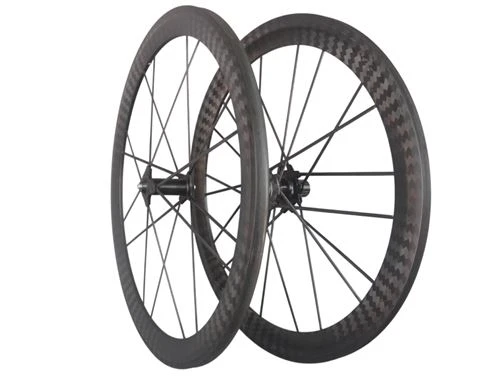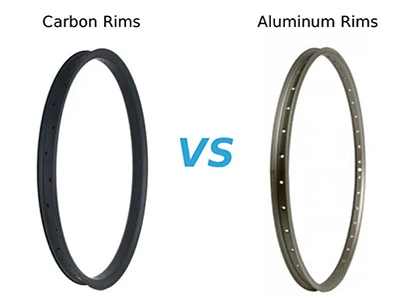
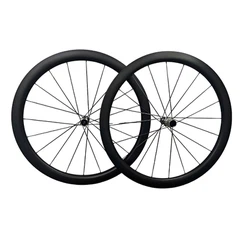
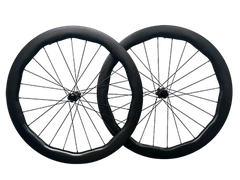
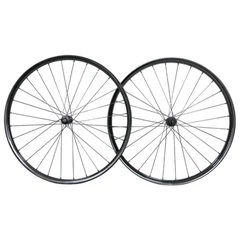
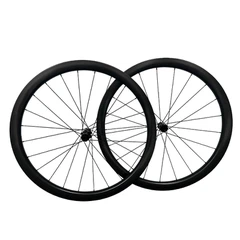
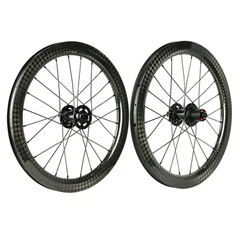
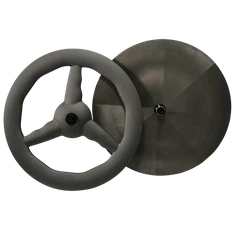
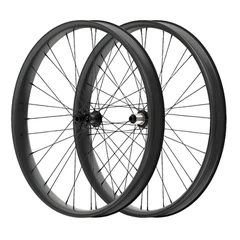
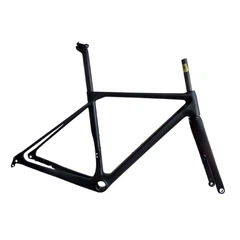
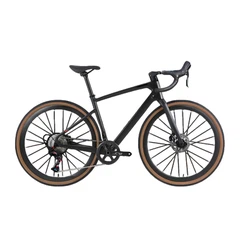
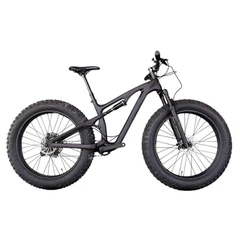
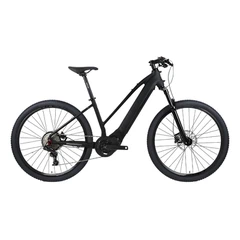


Carbon fiber road wheels are considered "high-end" in the road cycling world for a simple reason: they perfectly combine lightweight construction with rim shapes that deliver exceptional performance at high speeds. However, this doesn't mean all carbon fiber wheelsets are suitable for all riders or will automatically make them faster. The real advantage lies in the greater design flexibility, allowing for optimization based on riding conditions, wind conditions, and tire type.
A wheelset is more than just a rim; it's a system composed of the rim, hub, spokes, and spoke nipples, and the way these components work together is just as important as the materials themselves. A high-quality wheelset maintains its true roundness, retains spoke tension, and provides a stable feel when you're pedaling hard.
What Are Carbon Fiber Road Wheels?
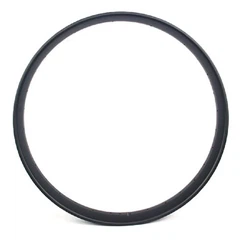
Carbon fiber road bike wheels are high-performance bicycle wheelsets whose rims are made of carbon fiber composite material. Carbon fiber rims are made from multiple layers of carbon fiber prepreg, which are laid in different directions and then cured in a mold through heating and pressure. This layering structure is not just for aesthetics; it affects the rim's performance during cornering, braking, and in crosswinds.
A carbon fiber wheelset is still a complete system, not just a single component. It includes the hub, spokes, and spoke nipples, which work together to maintain tension in the rim. If these components are well-matched and expertly assembled, the wheelset will remain straight, rotate smoothly, and feel stable when you stand up to accelerate.

For cyclists, carbon fiber wheelsets typically offer two key advantages: weight and shape. They allow for deeper or more aerodynamic rim profiles while maintaining a reasonable weight, which is crucial for high-speed riding on open roads. However, the best choice still depends on your brake type, tire size, and the type of terrain you frequently ride on.
Carbon Road Wheel Components
A carbon fiber road bike wheel is a system. If one component is "high-end" but the others don't match, you won't get a stable and reliable riding experience.
Rim
The rim is the main load-bearing component. It supports the tire, withstands spoke tension, and absorbs most of the road shocks you can't avoid. High-end carbon rims use higher modulus fibers and more complex layup structures, allowing brands to reinforce critical areas like the bead seat and spoke holes without increasing the overall rim weight. Rim depth and internal width also affect wheel performance, especially when using modern 25-30C tires.

Hub
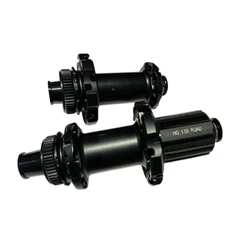
The hub is where the wheel spins. It holds the axle and bearings, and it transfers your power through the freehub. Sealing and bearing fit matter more than fancy material names. A good hub stays quiet, stays smooth, and doesn't develop play after a wet season.

Spokes and nipples
Spokes connect everything. They control stiffness, comfort, and long-term trueness. On rear wheels, spoke angles and tension often differ between sides to handle drivetrain forces and keep the wheel properly dished. Nipples are small, but they decide how easy the wheel is to true and service later.

Rim Structure
Carbon fiber rims are not molded in one piece. They are made by stacking multiple layers of material, each layer laid down with a specific purpose, and then cured to form the final shape. This structure determines every aspect of the rim: weight, stiffness, strength, and riding comfort.
Laminate Structure
The laminate structure can be understood as the "recipe" for the rim. Workers place carbon fiber fabric pieces (called plies) into a mold. They are then molded under high temperature and pressure. The fiber orientation, type, and quantity are crucial. Some layers help the rim resist lateral loads during cornering, while others help the rim remain stable under spoke tension and braking forces.
Tire Bead Area
The tire bead area is where the tire locks onto the rim. Details here, such as hooked or hookless designs, are very important; most tubeless tire leaks start here if the fit is improper. A good bead seat helps the tire mount evenly and seal easily, especially for wider road tires.
Spoke Hole Area
The spoke hole area withstands repeated tension loads from every pedal stroke and bump. A strong rim will reinforce the area around the spoke holes and control drilling precision, resulting in even tension and making it easier to maintain wheel trueness.
Rim Inner Wall
The rim bed is the flat groove where the tire bead sits. For tubeless systems, this surface must be perfectly smooth to achieve an airtight seal. A strong tape covers the spoke holes here. The width of the rim bed affects tire performance. A wider bed provides better support for the tire, resulting in a smoother, more stable shape.
A well-crafted rim perfectly integrates these four areas to create a strong yet lightweight whole. Each part plays its specific role.
Hub & Freehub
The hub is the center of the wheel, and it decides how smooth and reliable the wheel feels over time. A deep rim can look impressive, but if the hub develops play or rough bearings, you'll notice it on every ride.
Axle and Shell
The axle supports your load and keeps the hub aligned. Material matters less than fit and machining. A well-made hub keeps the axle straight, holds end caps securely, and doesn't loosen after hard miles or wet rides.
Bearings and Seals
Bearings don't fail all at once. They get slowly rough, then suddenly noisy. Good sealing helps keep water and grit out, which is why hubs for everyday riding often focus on seals as much as low drag. If you ride in rain, this matters more than tiny weight savings.
Freehub and Engagement
The freehub is the part that drives the wheel when you pedal. Engagement is how quickly it "catches" when you put power down. Faster engagement can feel more direct when you surge or start from a stop, but it can also mean more moving parts. What matters most is that the freehub stays consistent and doesn't slip or develop strange noises.
Materials
You'll see alloy shells, steel or alloy axles, and different freehub bodies. In real use, the best hub is the one that stays smooth, stays quiet, and can be serviced without headaches.
Spokes, Nipples, and Lacing Patterns
Spokes may seem simple, but they determine the everyday performance of a wheel. They affect the wheel's stiffness, comfort, and how often it needs truing. Even with a high-quality rim, a wheel's performance can be compromised if the spokes are not properly set up.

Spokes
Think of spokes as high-strength wires. They pull the rim towards the hub, creating a strong yet flexible structure.
Most spokes are made of stainless steel. This provides the best balance of strength, durability, and price. You'll see two main shapes:
Round Spokes: The traditional choice. They are very strong and reliable.
Bladed Spokes: These cut through the air better. They can provide a slight aerodynamic advantage to the wheel.
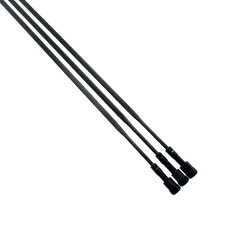
Some high-end wheels now use carbon fiber spokes. These offer weight savings and further aerodynamic improvements, but may be less durable on rough terrain.
The right spokes maintain the strength of the wheel without adding unnecessary weight.
Spoke Nipples
Spoke nipples are where the wheel is trued. Brass nipples are generally more corrosion-resistant and easier to maintain after years of riding. Alloy nipples offer weight savings but are more prone to wear if neglected. If you frequently ride in wet conditions, the choice of spoke nipples is more important than most people realize.
Lacing Patterns
The lacing pattern refers to how the spokes connect the hub and the rim. The lacing pattern affects the wheel's strength, weight, and how it handles stress.

The most common lacing pattern is the three-cross pattern. In this pattern, each spoke crosses three other spokes on its way from the hub to the rim. This creates a very strong and durable wheel, ideal for all types of riding.
For racing and aerodynamics, you'll often see radial lacing on the front wheel. In this pattern, the spokes extend directly from the hub to the rim without crossing. It's lighter and has higher lateral stiffness, but may transmit more road vibration.
The lacing pattern is part of the overall wheel design. It works in conjunction with the rim and hub to create a balanced product.
Build Quality That Matters
A wheel is more than just a collection of parts. How it's assembled determines its strength, durability, and riding feel. Precise manufacturing prevents problems down the road.
Tension Balance
What you need isn't "maximum" tension, but even tension. If some spokes are significantly looser than others, the wheel may creak, lose its true roundness, or feel unstable during sprints.
Rim Dish
The rear wheel isn't perfectly centered in the frame. The freewheel pushes it to one side. "Rim dish" refers to how a technician adjusts the rim's position to center it between the frame's rear dropouts.
A perfect rim dish is crucial. A poorly-dished wheel won't track straight in the frame, leading to poor shifting and uneven brake pad wear. It can even affect the bike's handling.
Runout
Runout refers to the side-to-side and up-and-down wobble of the wheel. A slight wobble is normal, but significant runout usually indicates uneven tension or manufacturing problems. A well-built wheelset spins smoothly and maintains that smoothness for a long time.
If you want your wheelset to last longer, manufacturing quality is just as important as the rim material.
Disc vs Rim Brake Design Differences
| What You're Comparing | Disc Brake Wheel Design | Rim Brake Wheel Design |
|---|---|---|
| Where Braking Happens | Braking force is on the rotor, not the rim. | Braking force is on the rim brake track. |
| Rim Design Focus | More freedom for rim shape and tire interface since there's no brake track. | Needs a smooth, durable brake track, which affects rim design and upkeep. |
| Heat On Long Descents | Heat is mainly managed at the rotor and caliper area. | Heat builds at the rim during braking, so heat control matters more. |
| Wet-Weather Feel | Often more consistent once pads and rotors are bedded in. | Can feel weaker at first in the rain until the track clears the water. |
| Maintenance Hotspots | Rotor alignment and pad rub are common setup issues. | Pad choice and brake track condition matter a lot for feel and noise. |
| Who It Fits Best | Riders who want strong control across weather and steep descents. | Riders who want a simpler system and ride mostly in dry conditions. |
FAQ
Q: What should you confirm before ordering carbon road wheels?
A: Start with brake type, wheel size, rim depth, and internal width. Then confirm tire size, axle standard, freehub type, and spoke count so the wheel matches your bike and your riding.
Q: Do carbon wheels need special maintenance?
A: Not special, but consistent. Keep spoke tension healthy, check bearings for roughness or play, and keep tubeless tape and valves in good condition.
Q: How long can carbon road wheels last?
A: With normal use and good care, they can last for years. Impacts, poor tension balance, and neglected bearings shorten life more than "carbon vs aluminum" alone.
Q: Does a higher spoke count always mean a stronger wheel?
A: Not always. Spoke count helps, but rim design, spoke type, and build quality matter just as much. A well-built 24-spoke wheel can outperform a poorly built 32-spoke wheel.
Q: What's the deal with hookless rims?
A: Hookless rims have a straight sidewall instead of a curved hook to hold the tire bead. They are safe, but are not universal. You must match them with a compatible tubeless tire and strictly follow the pressure limits on the rim's label. Do not mix and match.
Conclusion
Choosing a carbon wheel comes down to how the parts work together. The rim, hub, spokes, and build quality are all connected.
A great rim needs a reliable hub. Smart lacing relies on strong spokes. The best materials mean little without careful assembly. Look for balance in a wheelset. The right one for you fits your riding style and makes your bike feel better.
Once you have your wheels, pay attention to simple care. Check your tire pressure often, especially with tubeless. Keep the wheels clean. Listen for any new sounds or feel for a wobble.
Good wheels are an investment. They change how your bike accelerates, corners, and feels on the road. If you want help narrowing down a practical setup, Carbon World can help. Share your wheel size, brake type, target rim depth, tire size, and riding goals, and we'll point you toward a build that makes sense for your roads.