


Carbon road wheels have become a core part of high-end road cycling. They're often seen as a major step forward in modern bike technology because carbon can be built light, strong, and aerodynamic. That combination can improve riding efficiency and make the bike feel more responsive for both professional and amateur riders.
You notice the difference in real moments. Standing up on a climb, holding speed on flat roads, or correcting your line when crosswinds push the front wheel. Wheels are not just something that rolls. They carry your weight, handle braking forces, and turn your effort into forward motion.
Still, carbon is not a one-size answer. Your routes, your speed, your tire choice, and your local wind all matter. A deeper rim can feel steady at higher speeds, yet harder to manage in strong gusts. A lighter setup can feel quick on climbs, but it still needs the right build and tire fit to stay reliable.
What Are Carbon Fiber Road Wheels
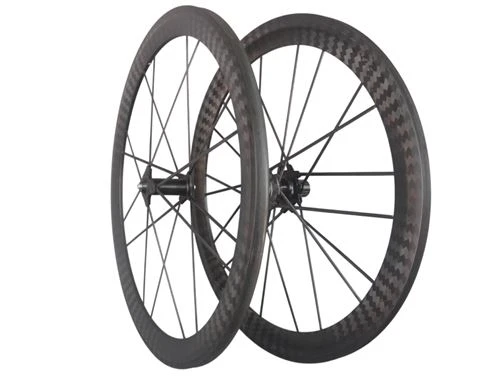
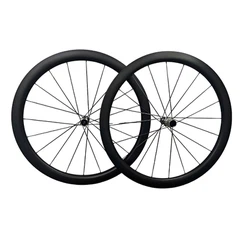
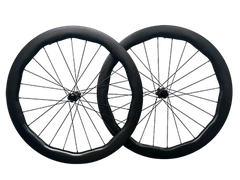
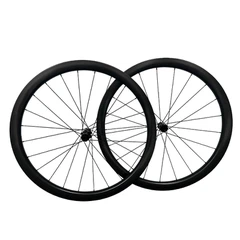
Carbon fiber road wheels are wheelsets that use a carbon rim instead of an aluminum rim. The rim is made from layers of carbon fabric bonded with resin, then cured into a stiff, lightweight shape. How those layers are placed matters. It affects how the wheel handles speed, braking loads, and side forces from corners or wind.

A road wheel is more than a rim, though. It's a system that includes the hub, spokes, and nipples. When the build is done well, the wheel stays true, holds tension, and feels smooth under power. That's why two carbon wheels with the same rim depth can still ride differently.
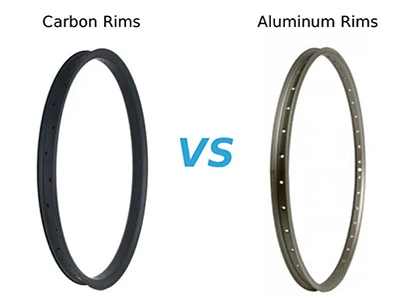
Carbon vs Aluminum Wheels
| Key Point That Matters | Carbon Road Wheels | Aluminum Road Wheels |
|---|---|---|
| What Do You Feel on the Road | Often feels more responsive when you accelerate, climb out of the saddle, or lean into a fast turn. | Often feels more forgiving and "easy" on rough pavement, especially in long rides. |
| Weight vs Rim Depth | Carbon makes it easier to keep weight reasonable as rim depth goes up. | Deep alloy rims usually get heavy fast; shallow alloy rims can be very light. |
| Crosswind Handling | Deep fronts can feel demanding in gusts, even if they're fast on calm days. | Shallow alloy rims are usually calmer and simpler in strong winds. |
| Damage Behavior | Doesn't dent like metal, but a sharp impact can crack the rim. | More likely to dent or bend, but small dents often let you finish the ride. |
| Cost and Replacement Risk | Higher upfront cost, so matching the wheel to your routes matters more. | Lower cost makes replacement less painful if you ride on bad roads often. |
| A Simple Way to Choose | Choose carbon if you want a specific "tuned" feel, and you've got a clear use case. | Choose aluminum if you want value, fewer worries, and easy replacement. |
Advantages of Carbon Fiber Road Wheels
The high specific strength and modulus of carbon fiber make it an ideal choice for wheel manufacturing. Compared to traditional aluminum alloy wheels, carbon fiber wheels are significantly lighter, typically by 20%-40%, resulting in less rotating mass, improving acceleration and climbing efficiency. Furthermore, the rigid structure of carbon fiber effectively transmits pedaling force, minimizing energy loss and resulting in a smoother ride.
In terms of aerodynamics, carbon fiber wheels significantly reduce wind resistance through precise spoke design and rim shaping. Deep-section rims (e.g., 50mm and above) are particularly effective for high-speed riding on flat roads, while shallow-section rims are more suitable for varying road conditions. Modern carbon fiber wheels also feature an aerodynamic design to further optimize airflow and enhance riding stability.

Carbon fiber wheels also offer excellent braking performance. Although early carbon fiber rims faced challenges with brake compatibility, the use of carbon-ceramic brakes or improved aluminum alloy brake rims has significantly improved braking power and durability in wet conditions.
Rim Depth Guide (30 / 40 / 50 / 60+ mm)
30mm: Designed for climbing, punchy accelerations, and riders who want a wheelset that feels lively and quick to respond.
40mm: For many road bikes, this is the best all-round rim depth. It delivers a clear aerodynamic advantage on steady flats, yet it won't feel demanding on rolling terrain or in stop-and-go riding.
50mm: A strong choice for flatter routes, fast group rides, and long tempo sessions. At higher speeds, it provides stronger aero support, but in rough or complicated conditions, it can feel more "committed" and heavier to steer.
60mm+: Built for time trials, triathlon, and wide-open roads. In calm or light wind, the speed advantage is hard to ignore. In strong crosswinds, it requires confident, steady handling.

Rider Weight & Wind Conditions
If you often ride in areas with frequent crosswinds, consider 30–40mm rims for easier control and fewer steering corrections.
If you're heavier, more powerful, or naturally very stable on the bike, 50mm rims can deliver stronger aero gains while still feeling composed.
If you're a lighter rider or regularly ride exposed coastal roads, very deep rims may feel "busy" and harder to manage. In that case, a shallower depth can help you stay relaxed and consistent-often leading to a faster real-world average speed.

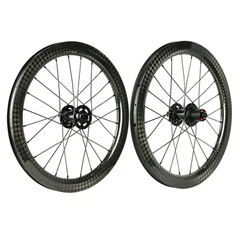
Carbon Road Bike Wheels
Send Inquiry Now

Carbon MTB Bike Wheels
Send Inquiry Now

Carbon Wheels For Gravel
Send Inquiry Now

Carbon BMX Race Wheels
Send Inquiry Now

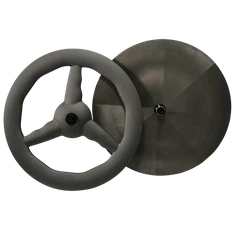
Carbon Time Trial Wheels
Send Inquiry Now

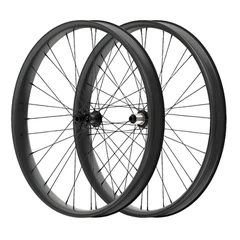
Carbon Fat Bike Wheels
Send Inquiry Now
Applications of Carbon Road Wheels
Carbon road wheels make sense when your riding has a clear pattern. Different routes reward different wheel choices, so it helps to think in scenarios, not just rim depth.
Daily Training and Long Rides
If most of your rides are steady miles, carbon wheels are often picked for how they hold a pace and how consistent they feel once they're built well.

Weekend Group Rides and Fast Flats
This is where many riders notice carbon wheels most. You're always changing speed, rolling turns, closing gaps, getting back on the wheel. A deeper front wheel can feel great on calm days, but if your area is windy, a slightly shallower front wheel can be easier to handle.
Climbing-focused Routes
On long climbs, weight and control matter more than pure speed. Riders often prefer a shallower or mid-depth setup because it feels easier to manage when the road tilts up and the wind shifts. If you descend a lot, braking and heat control should be part of your choice too.
Racing and Events
For races, you usually pick wheels around the course. Fast, flat races can favor deeper rims, while mixed courses often call for a safer all-round depth. If crosswinds are common, keep handling in mind. A wheel that feels stable lets you stay aero longer.
All-road and Rough Pavement
If you run 28C–32C tires and ride broken roads, you'll want a rim width that supports the tire well and a setup that stays sealed. Comfort comes from the full system, tires, pressure, and wheel build, not the rim alone.
In the end, the best application is the one you ride most. Match the wheel to your roads, your wind, and your habits.
How Rim Depth Affects Speed, Climbing, and Crosswinds
Rim depth is basically a trade. You gain some stability at speed, and you give up a bit of ease in tight, punchy riding. The right choice depends on your riding style and how you prefer the bike to feel.
Speed on Flats
When you're riding fast on open roads, deeper rims often feel calmer. The bike can hold speed with less "busy" feeling from the wheels. This is most noticeable when you're already moving quickly, such as during a smooth group ride or a long, steady effort.
Climbing and Changes in Pace
On climbs, depth shows up differently. Shallower rims usually feel easier to accelerate and easier to control when you stand up. If your rides are full of short climbs, corners, and repeated surges, very deep rims can start to feel a little stubborn.
Crosswinds
Wind is where many riders make their final decision. A deep front wheel can react to gusts and ask you to correct more often. If you ride in windy areas, a shallower front wheel can feel safer, while a deeper rear can still give you some speed benefits without the same steering pull.
If you don't know where to start, mid-depth is the safe middle ground. It keeps handling simple and still works well across most routes.
Maintenance and Lifespan: What Actually Extends Wheel Life
Wheel life usually isn't decided by one dramatic moment. It's decided by small habits that keep the wheel straight, quiet, and predictable.
Keep Spoke Tension From Drifting
You don't need to obsess over numbers, but you do want even tension. If you hear new creaks, feel a wobble, or notice brake rub, don't ignore it for months. A quick true and tension check early is easier than a full rebuild later.

Watch the Hubs, not Just the Rim
Hubs wear slowly, then all at once. If the wheel feels rough when you spin it, has side play, or starts making a dry grinding sound, it's time to service the bearings. Clean seals and fresh grease can add a lot of life.
Protect the Rim With Smart Tire Pressure
Running too low feels good, until you hit a pothole. On rough roads, a little more pressure can prevent rim strikes and keep the bead seated. Your "best" pressure changes with tire width, your weight, and road surface.
Tubeless Care Is Simple, But It's Real
Sealant dries out. Tape can lift. Valves can loosen. Check sealant every few months, and fix slow leaks early. Most tubeless headaches come from waiting too long.
Quick checks that save you money
Before a long ride, take one minute:
Spin the wheel and look for side-to-side wobble.
Squeeze a few spokes to feel for sudden slack.
Check the rim or rotor for rubbing.
Do these basics, and your wheels will usually last longer than you expect.
FAQ
Q: How long do carbon road wheels last?
A: That depends on roads, rider weight, maintenance, and crashes. In normal use, keeping spoke tension even, servicing bearings, and avoiding repeated hard impacts are what extend wheel life.
Q: What should you confirm before buying carbon road wheels?
A: Brake type, rim depth, internal width, tire size, hub standard, and your local wind conditions. Getting these right matters more than chasing the lightest number.
Q: If you only buy one wheel depth, what's the safest pick?
A: A mid-depth setup is usually the easiest "one set for most rides" option. It won't be perfect for every day, but it avoids the extremes.
Q: How do you know if crosswinds will be a problem?
A: If you often ride in open areas, near the coast, or on fast descents with gusts, a deep front wheel may feel like extra work. If you want calmer handling, keep the front shallower.
Q: Do carbon wheels need special care in storage or transport?
A: Treat them like any quality wheelset: avoid crushing loads, don't clamp the rim in a work stand, and keep the braking surfaces or rotors clean.
Conclusion
Carbon road wheels can be a smart upgrade when they match the way you ride. The right set can feel smoother at speed, steadier in corners, and easier to live with once the build and tire fit are dialed. But the best choice isn't a single rim depth or a single material. It's the setup that fits your roads, your wind, your brake system, and the tire size you actually use.
If you want a simple approach, start with the basics. Pick a rim depth you can handle in your local conditions. Choose tires that match your rim design, especially if you plan to run tubeless. Then protect the wheel with good habits, reasonable pressure, clean setup, and quick checks before small issues grow.
If you're not sure where to start, Carbon World can help you narrow it down. Share your brake type, target rim depth, tire size, typical terrain, and your riding goals, and we'll recommend a practical wheel configuration that fits your use case.