








Introduction
Gravel bikes and road bikes may look similar, but they are designed for very different riding experiences. Road bikes prioritize speed, efficiency, and performance on smooth pavement, while gravel bikes are built to handle a wider range of terrain with greater comfort and versatility. Understanding the differences between these two bike categories can help you choose the right bike for your riding style and goals.
If your priority is speed, efficiency, and performance on paved roads, a road bike is usually the better choice. If you want greater comfort, wider tire clearance, and the ability to ride on both paved and unpaved surfaces, a gravel bike offers more versatility. The best option depends on where you ride and what type of cycling experience you're looking for.
What Is a Road Bike?
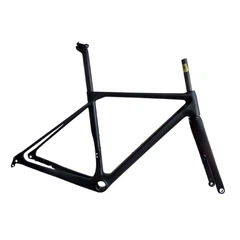
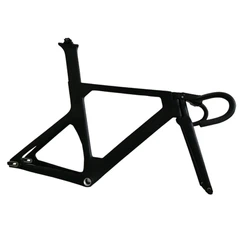
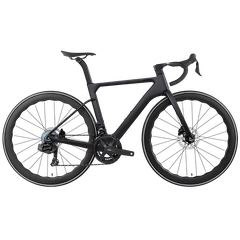
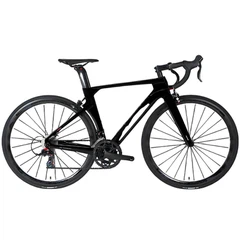
The road bike is designed for fast and efficient riding on paved roads. Its design focuses on low weight, aerodynamics, and efficient power transfer.
Road bikes typically feature lightweight frames constructed from aluminum, carbon fiber, steel, or titanium. Their lower handlebar position creates a more aerodynamic riding posture, helping riders reduce wind resistance and maintain higher speeds.

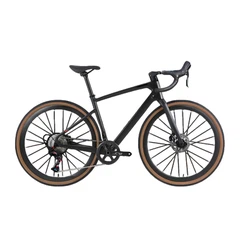
Carbon Road Bike
Send Inquiry Now
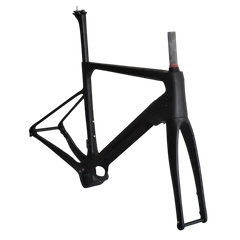
Carbon Fiber Road Bike
Send Inquiry Now
What Is a Gravel Bike?
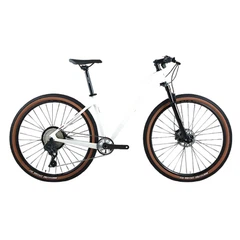
Gravel bike is a versatile bicycle designed to perform well on a variety of surfaces, including paved roads, gravel paths, dirt roads, and light off-road trails. It combines the efficiency of a road bike with the stability of a mountain bike, offering a balance of speed, comfort, and capability.
Compared with a road bike, a gravel bike typically features a more relaxed geometry, including a longer wheelbase and a more upright riding position, which helps improve stability and comfort on long rides. It also provides wider tire clearance, allowing riders to use larger tires for better traction, shock absorption, and confidence on rough terrain.
Explore Our Carbon Gravel Bike Models in Detail

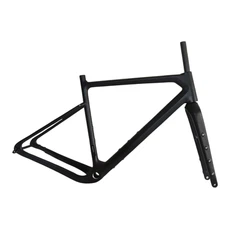
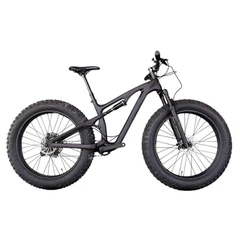
Carbon Gravel Bike
Send Inquiry Now
Carbon Fiber Gravel Bike
Send Inquiry NowGravel Bike vs Road Bike: Key Differences
| Feature | Gravel Bike | Road Bike |
| Main Purpose | Mixed-surface riding, gravel roads, adventure, commuting | Speed, efficiency, racing, paved-road riding |
| Geometry | More relaxed and stable | More aggressive and responsive |
| Riding Position | More upright and comfortable | Lower and more aerodynamic |
| Tire Width | Wider tires, usually around 35–50mm | Narrower tires, usually around 25–32mm |
| Terrain Capability | Pavement, gravel, dirt roads, light trails | Best on smooth paved roads |
| Speed | Slightly slower on smooth roads but better on mixed terrain | Faster on paved roads |
| Comfort | Higher comfort due to wider tires and stable geometry | Efficient but less forgiving on rough surfaces |
| Stability | More stable on loose or uneven terrain | More agile and quicker on smooth roads |
| Versatility | Very versatile; suitable for commuting, bikepacking, and adventure rides | More specialized for road cycling and performance riding |
| Best For | Riders who want one bike for multiple surfaces | Riders who prioritize speed, fitness, and racing |
Geometry Comparison
Geometry is one of the main differences between gravel bikes and road bikes. Road bikes typically feature a lower, more aerodynamic riding position to maximize speed and efficiency, while gravel bikes offer a more upright position that helps reduce strain on the back, shoulders, and neck during long rides.
Gravel bikes typically have a higher stack and shorter reach, resulting in a more comfortable riding posture. They also tend to feature a longer wheelbase and a slightly slacker head tube angle, which improves stability and control on rough or loose surfaces. These geometry characteristics make gravel bikes better suited for mixed-terrain riding and long-distance comfort.
Tire Comparison
One of the biggest differences between gravel bikes and road bikes is tire design. Road bikes typically use 25mm–32mm tires with smoother tread patterns and higher tire pressures, helping reduce rolling resistance and maintain higher speeds on paved roads.
Gravel bikes usually feature 35mm–50mm tires with a larger air volume, providing better shock absorption and greater comfort on long rides. In terms of traction and terrain adaptability, gravel tires have a clear advantage. Their tread patterns and lower tire pressures improve grip and control on gravel roads, dirt paths, muddy surfaces, and rough terrain, making them more capable across a wider range of riding conditions.
Speed Comparison
In terms of pure speed, road bikes generally perform better on smooth paved roads. Their aerodynamic riding position, narrower tires, and lighter overall setup help reduce rolling resistance and improve efficiency at higher speeds. This makes road bikes the preferred choice for racing, fast group rides, and long-distance road cycling, where maintaining a high average speed is the primary goal.
Gravel bikes may be slightly slower on clean asphalt, but they become more efficient when the terrain turns rough, loose, or mixed. Their wider tires provide better traction, stability, and control on gravel roads, dirt paths, and uneven surfaces. For routes that combine pavement and off-road sections, gravel bikes often deliver a better balance of speed, comfort, and versatility, allowing riders to maintain momentum across a wider range of riding conditions.

Comfort Comparison
Gravel bikes typically feature a more upright and relaxed riding position, helping reduce strain on the back, neck, and shoulders. Their wider tires, lower tire pressures, and more stable frame geometry also absorb road vibrations more effectively, providing greater comfort on gravel roads, rough pavement, and mixed terrain.
In contrast, road bikes prioritize speed and aerodynamic efficiency, with a lower and more aggressive riding position that performs best on smooth paved roads. For long-distance rides, bikepacking, or all-day adventures, gravel bikes generally offer better cushioning, stability, and fatigue reduction, while road bikes maintain higher efficiency and speed on well-maintained pavement.
Can a Gravel Bike Replace a Road Bike?
For many riders, a gravel bike can replace a road bike, especially when routes include pavement, gravel roads, and light trails. Its wider tires, relaxed geometry, and better stability make it more versatile and comfortable for commuting, endurance rides, recreational cycling, and bikepacking.
However, a road bike is still better for racing, fast group rides, and riders who prioritize speed on smooth pavement. Its lighter weight, narrower tires, and aerodynamic position provide higher efficiency at speed.
Gravel or Road Bike: Which Is Best for Me?
Choosing between a gravel bike and a road bike largely depends on where and how you ride. If most of your riding takes place on smooth pavement and you prioritize speed, efficiency, and group riding performance, a road bike is usually the better choice. It is lighter, faster, and designed with a more aerodynamic riding position.
If you value comfort, versatility, and the ability to handle a variety of surfaces, a gravel bike is often the more practical option. With wider tires and more stable handling, it can confidently tackle paved roads, gravel paths, and mixed terrain. For commuting, long-distance rides, bikepacking, or adventure cycling, a gravel bike generally offers greater flexibility and comfort.
How Carbon Fiber Improves Both Gravel and Road Bikes
Carbon fiber is widely used in both gravel bikes and road bikes because it offers an excellent balance of weight, strength, comfort, and performance.
Carbon Fiber Frames
Carbon fiber frames are lightweight and highly tunable. Manufacturers can optimize stiffness and compliance in different areas of the frame to improve power transfer while maintaining ride comfort.
Carbon Fiber Wheels
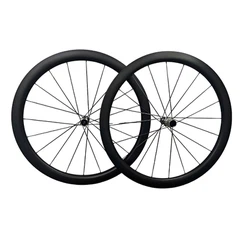
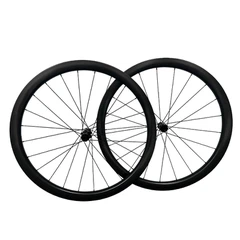
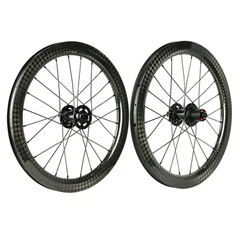
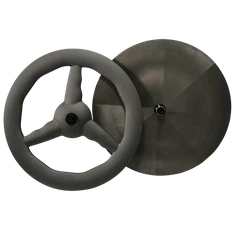
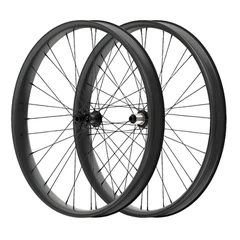
Carbon fiber wheels help reduce rotational weight, resulting in quicker acceleration and more responsive handling. They can also improve aerodynamic performance during road riding.
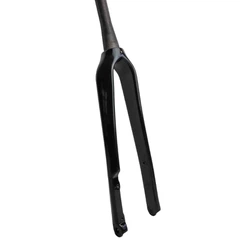
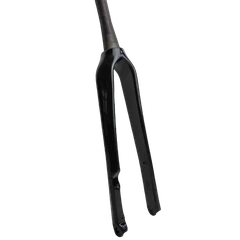
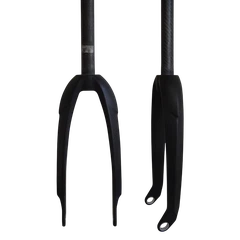
Carbon Fiber Forks
Carbon fiber forks help absorb road vibrations and minor impacts, providing a smoother ride on both gravel roads and paved surfaces.
Carbon Fiber Handlebars
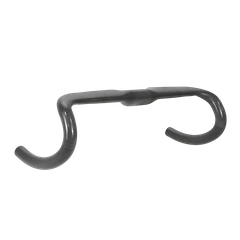
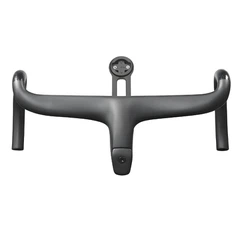
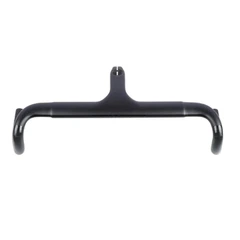
Carbon fiber handlebars can dampen vibrations more effectively than many aluminum alternatives, helping reduce hand and arm fatigue during long rides.
Conclusion
Gravel bikes and road bikes are built for different riding needs. Road bikes are best for speed, efficiency, and smooth pavement, while gravel bikes provide more comfort, stability, and versatility on mixed terrain.
By comparing geometry, tires, comfort, speed, and riding style, you can choose the bike that better matches your goals and daily riding conditions.
FAQ
Q: Is a gravel bike slower than a road bike?
A: Generally, yes. Road bikes are usually faster on smooth pavement because of their lighter tires, aerodynamic riding position, and efficiency-focused design. However, gravel bikes often perform better on rough roads and mixed terrain.
Q: Can a gravel bike replace a road bike?
A: For many riders, yes. A gravel bike can handle paved roads, gravel paths, commuting, and light touring. However, riders focused on racing or maximizing speed may still prefer a dedicated road bike.
Q: Can a road bike ride on gravel?
A: A road bike can handle smooth and well-maintained gravel roads, but its narrow tires and limited tire clearance make it less suitable for rough or loose surfaces compared to a gravel bike.
Q: Which bike is more comfortable?
A: Gravel bikes are generally more comfortable due to their relaxed geometry, wider tires, and better vibration absorption. These features help reduce fatigue during long rides.
Q: Are gravel bikes good for commuting?
A: Yes. Gravel bikes are highly versatile and can easily handle city streets, rough pavement, bike paths, and occasional unpaved sections, making them a practical commuting option.
Q: Which bike is better for long-distance riding?
A: Both can be excellent for long distances. Road bikes are more efficient on paved routes, while gravel bikes often provide greater comfort and versatility for extended rides and mixed-surface adventures.
Q: Which bike is better for beginners?
A: Many beginners find gravel bikes easier to ride because of their stable handling, comfortable position, and ability to handle different road conditions.
Q: Are carbon gravel bikes worth it?
A: For riders seeking lower weight, improved comfort, and better overall performance, carbon gravel bikes can be a worthwhile investment, especially for long-distance and mixed-terrain riding.