

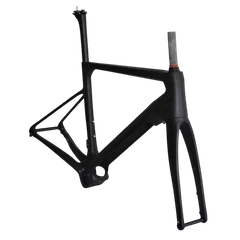













Painting a carbon bike frame needs more care than painting steel or aluminum. Under the paint, the frame is made from carbon fiber layers and resin, so heavy sanding can damage more than just the old finish. Most carbon frames can be repainted safely if the surface work is controlled.
Riders usually repaint a frame to refresh worn paint, fix cosmetic marks, or match a custom build. In practice, the final result depends more on careful preparation, masking, and thin paint layers than on the color itself.
Key Takeaways
Repainting a carbon bike frame is usually safe when the preparation is done correctly. The biggest risks come from aggressive sanding, excessive heat, poor surface cleaning, and applying paint too heavily. Most successful paint jobs rely on careful preparation, thin paint layers, and proper drying time rather than advanced painting techniques. If you want the best finish, focus on protecting the carbon surface, controlling paint thickness, and keeping dust and moisture away during the process.
Can You Paint a Carbon Bike Frame?
Yes, most carbon bike frames can be painted or repainted. In fact, painted carbon frames are already very common on road bikes, gravel bikes, mountain bikes, and custom bike builds.

How Carbon Frames Are Usually Finished
Carbon fiber itself is usually covered by primer, paint, decals, or clear coat during manufacturing. Some frames show exposed carbon weave, while others are fully painted. Repainting is often done for cosmetic updates, custom color schemes, or repairing damaged paint surfaces.
Carbon Frames Need More Care During Preparation
The main risk comes from preparation, not from painting itself. Carbon frames should be sanded carefully because the outer resin layer is thinner than many people expect. Using excessive force, coarse sandpaper, or high heat can damage the surface below the paint layer.
Why Carbon Bike Frame Painting Is Different
Painting a carbon bike frame needs more care because the material under the paint is not metal. Beneath the surface are carbon fiber layers and resin, which can be damaged by rough preparation.
Carbon Fiber Layers Can Be Damaged
The goal of sanding is to remove gloss, not carbon material.
If sanding goes too deep, the resin layer or carbon weave may be exposed.
Small surface marks are usually manageable, but structural damage is not.
Heat and Aggressive Sanding Matter
Power tools, heavy sanding discs, or too much heat can weaken the resin near the surface. Most carbon frame prep uses light pressure and slower hand sanding instead of grinding.
Paint Thickness Affects Final Weight
Paint adds weight, especially when layers are too thick. A good carbon frame paint job keeps primer, color, and clear coat thin, even, and controlled.
Tools and Materials Needed to Paint a Carbon Bike Frame
Using the right tools helps reduce the risk of damaging the frame and makes the final paint finish more even.
Sandpaper and Surface Prep Tools
Fine sandpaper is commonly used to remove gloss and help the new paint adhere properly. Soft sanding pads, microfiber cloths, and cleaning alcohol are also useful for surface preparation. Heavy grinding tools are usually avoided on carbon frames.

Primer and Paint
Most carbon frames use primer before color paint is applied. Spray paint, automotive paint, or airbrush systems are all commonly used, depending on the finish you want. Thin and even paint layers usually produce better results than thick coatings.
Masking and Safety Equipment
Masking tape helps protect threaded areas, bearing surfaces, and mounting points during painting. Gloves, eye protection, and a respirator are also important because paint dust and chemical fumes should not be inhaled during sanding or spraying.

How to Prepare a Carbon Bike Frame for Painting
Good preparation often matters more than the paint itself. A clean, smooth frame helps the new finish bond better and reduces surface defects later.
Remove Components Completely
Remove the fork, headset parts, bottom bracket, bottle cage bolts, cable hardware, and small accessories before sanding or painting. Painting around installed parts usually leaves rough edges and trapped paint.
A fully stripped frame is easier to work on.
Clean the Frame Surface
Clean the frame before sanding. Dirt, grease, chain oil, and polish residue can weaken paint adhesion. Use a cleaner that does not leave residue on the carbon surface.
Sand the Existing Finish Carefully
The goal is to remove gloss, not carbon material. Use fine sandpaper with light pressure. If the carbon weave starts showing unexpectedly, the sanding is already too aggressive.
Protect Important Areas
Mask bearing seats, bottom bracket threads, brake mounts, axle contact points, and frame openings. This prevents paint buildup in areas where a precise fit matters later.
How to Paint a Carbon Bike Frame Step by Step
Once the frame is prepared, painting should be done slowly with thin layers. Trying to cover the frame too quickly often leads to runs, rough texture, or uneven drying.
Apply Primer Evenly
Apply light primer coats instead of one heavy layer. Primer helps the paint bond to the frame and makes small surface defects easier to correct before color paint is added.

Spray Multiple Thin Coats
Color paint should be sprayed in several thin coats. Thin layers dry more evenly, reduce paint runs, and avoid unnecessary weight buildup around curved areas like the head tube and bottom bracket.
Avoid Trapped Dust and Moisture
Dust, moisture, and unstable temperatures can ruin the finish. A clean, dry, and controlled space helps reduce trapped particles under the paint or clear coat.
Finish With Clear Coat
Clear coat protects the paint from scratches, UV exposure, and cleaning chemicals. Most carbon frames use several light clear-coat layers rather than one thick layer.
Matte vs Gloss Carbon Bike Frame Finishes
The final clear coat affects both the look of a carbon bike frame and how easily wear marks show during use. Matte and gloss finishes are both common, but they suit different styles.

Matte Finish
Matte carbon frames look softer and less reflective. They are often chosen for a clean, understated style. Fingerprints and glare are less obvious, but scratches or rubbing marks can stand out more, especially on dark matte frames.
Gloss Finish
Gloss finishes make colors and exposed carbon weave look deeper. They are common on custom road bike frames and detailed paint designs. Light scratches may be easier to polish, but dust and fingerprints usually show more clearly.
Common Mistakes When Painting a Carbon Bike Frame
Carbon bike frame painting problems often come from preparation or impatience rather than the paint itself. Small mistakes during sanding or spraying can affect both appearance and long-term durability.
Sanding Too Deep
One of the most common mistakes is removing too much material while sanding. Carbon frames usually only need light surface sanding to remove gloss and improve paint adhesion. Cutting too deeply into the resin layer can expose or damage the carbon weave underneath.
Applying Paint Too Thick
Heavy paint layers may look smoother at first, but they often create uneven texture, added weight, and longer drying times.
Thick paint can also make edges, cable ports, and tight frame curves look less clean after finishing.
Poor Surface Cleaning
Dust, oil, sweat, and polishing residue can prevent paint from bonding properly. Even small contamination left on the frame may lead to fish-eye marks, bubbling, or uneven paint coverage later.
Rushing Drying Time
Many paint problems appear because layers are sprayed too quickly without enough drying time between coats. Paint that has not cured properly can become soft, uneven, or easier to scratch during reassembly and regular riding.
Can You Paint Over Raw Carbon Fiber?
Yes, raw carbon fiber can be painted, and many carbon bike frames already use painted sections over exposed carbon areas. The key is making sure the surface is clean, stable, and properly prepared before primer or paint is applied.

Some riders choose to leave parts of the carbon weave visible while painting other sections of the frame. This is common on custom road bikes and performance-oriented builds. In these cases, a clear coat is often applied over the exposed carbon to protect the surface from UV exposure and regular wear.
Raw carbon surfaces also make imperfections easier to notice.
Uneven sanding marks, trapped dust, or poor clear-coat application usually become more visible when the carbon weave remains exposed under the final finish.
How Professional Carbon Bike Frame Painting Is Different
Professional carbon bike frame painting focuses more on control and consistency than simply adding color. The goal is to keep the frame finish clean, even, and lightweight.
Controlled Surface Preparation
Professional painters use more controlled sanding methods and surface inspection before painting begins. Preparation is usually done carefully by hand or with low-aggressive tools to avoid damaging the carbon surface underneath.
Small surface defects are also easier to identify before paint is applied.
Weight Management
Paint weight matters more on carbon performance bikes than many riders expect. Professional paint work often uses thinner and more controlled paint layers to avoid unnecessary weight buildup, especially on lightweight climbing or racing frames.
Consistent Finish Quality
Professional painting environments are usually cleaner and more stable than open garage setups. Controlled temperature, lighting, and airflow help reduce dust contamination, uneven paint texture, and inconsistent clear-coat appearance across the frame surface.
Is Painting a Carbon Bike Frame Worth It?
In many cases, yes. Repainting can refresh an older carbon frame, repair worn paint, or help match a new bike build without replacing the frame itself. For riders keeping a frame long term, repainting is sometimes more practical than buying a completely new bike.
But the result depends heavily on how the work is done.
Poor sanding, uneven paint, or rushed preparation can make the frame look worse instead of better.
If the frame is high-end or structurally sensitive, professional painting is often the safer choice, especially when maintaining finish quality and keeping additional weight under control both matter.
Conclusion
A carbon bike frame can look very different after repainting, but the result depends on the amount of work before and after spraying. If the surface is not prepared well, even an expensive color will not look clean once the frame is built up again.
For many riders, a repaint is simply about making an old frame look fresh again. For brands or custom builds, the finish also needs to match the wheels, components, and overall bike style.
At Carbon World, we support custom carbon bike frame projects with paint finish options, exposed carbon weave designs, and OEM customization for road, gravel, and performance frames.

Carbon Fiber Road Frame
Send Inquiry Now
Carbon Fiber MTB Frame
Send Inquiry Now
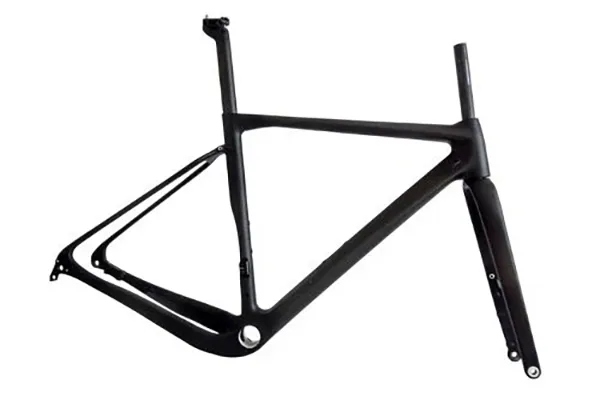
Carbon Gravel Frame
Send Inquiry Now
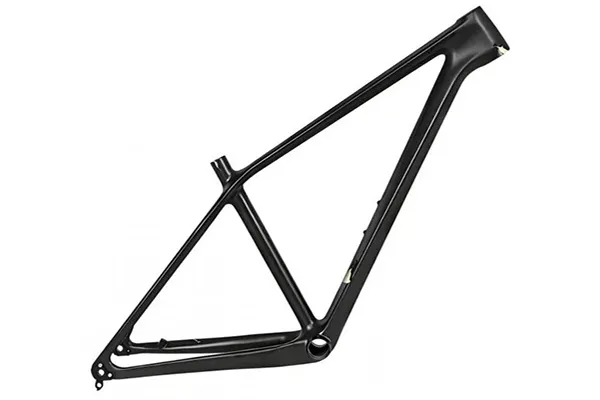
Carbon Fiber Frame BMX
Send Inquiry Now
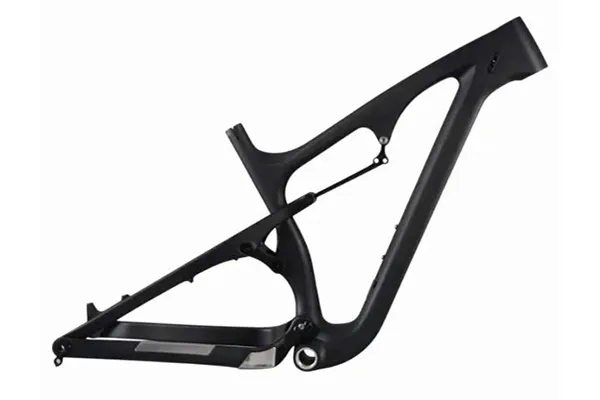
Carbon Fat Frame
Send Inquiry Now
FAQ
Q: Can you repaint a carbon bike frame more than once?
A: Yes, but repeated sanding and repainting should be done carefully to avoid removing too much surface material over time.
Q: How much weight does repainting add to a carbon frame?
A: It depends on the number of paint layers and clear coat thickness. Professional paint jobs usually control paint weight more carefully.
Q: Are carbon bike frames powder-coated?
A: Usually not. Powder coating uses high curing temperatures, which are generally not recommended for most carbon frames.
Q: Why do some carbon frames show uneven weave patterns after repainting?
A: This can happen if sanding pressure is uneven or if the original carbon weave underneath was not perfectly uniform before painting.
Q: Can OEM carbon frames be ordered with custom paint from the factory?
A: In many cases, yes. OEM carbon frame projects often include custom paint layouts, branding, and finish options during production.