






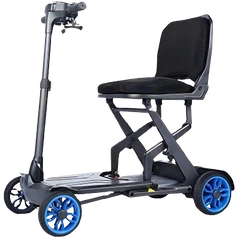
The material of a wheelchair can affect much more than its appearance. It can change how easy the chair is to move, how comfortable it feels during daily use, and how well it performs over time. That is why carbon fiber wheelchairs are getting more attention.
Compared with many traditional wheelchair materials, carbon fiber offers a lighter structure with strong support. This can make the wheelchair easier to handle, easier to transport, and more comfortable for everyday use. It can also support safer design when the frame is built well.
In this article, you will see how carbon fiber wheelchairs improve mobility, comfort, and safety, and why material choice matters when you are comparing wheelchair options.
What Is a Carbon Fiber Wheelchair?
A carbon fiber wheelchair is a high-performance, ultra-lightweight mobility aid. Its primary material is carbon fiber-an advanced composite-and its core design philosophy centers on minimizing the overall weight of the chair while simultaneously ensuring structural integrity that is both robust and reliable. This characteristic offers significant practical value in daily use.
Compared to many traditional wheelchair manufacturing materials, carbon fiber allows for the creation of substantially lighter wheelchairs, making them feel effortless for users to push, lift, and maneuver. Furthermore, carbon fiber affords greater flexibility in product design; for active individuals or travel enthusiasts seeking a mobility solution that is lightweight, durable, and stylish, a carbon fiber wheelchair is undoubtedly the ideal choice.

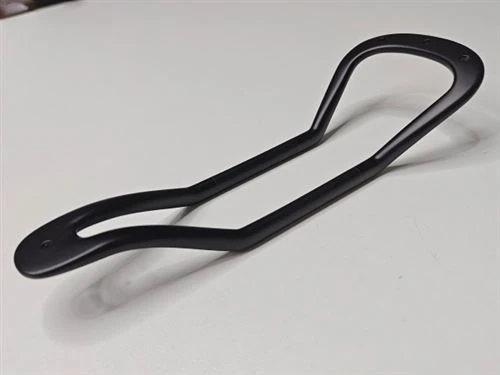
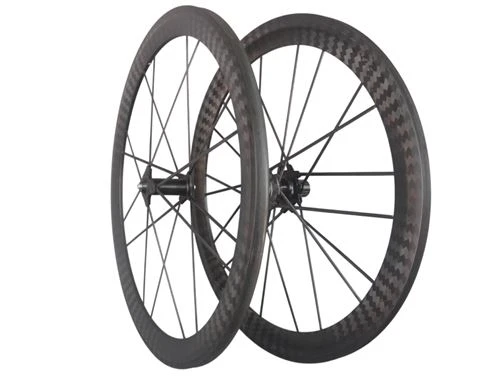
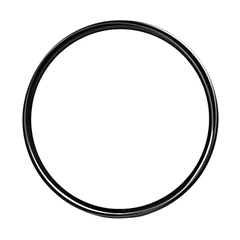
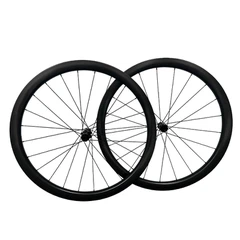
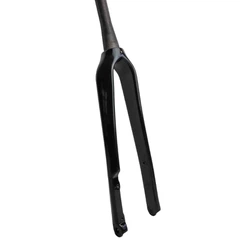
Carbon Fiber Wheelchair Wheels 24 In
Send Inquiry Now

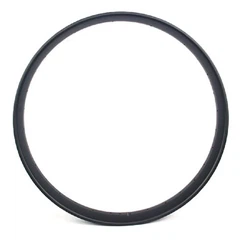
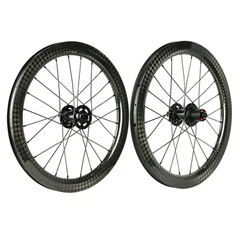
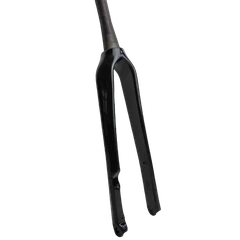
24 In Carbon Fiber Wheelchair Wheels
Send Inquiry Now

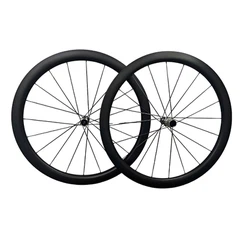
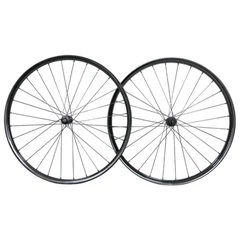
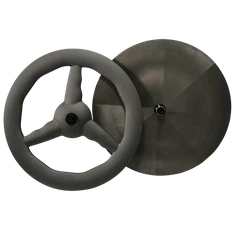
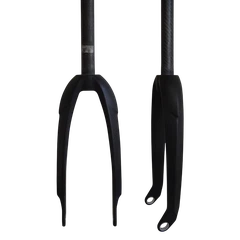
Carbon Fiber Wheelchair Wheels
Send Inquiry Now
Why Wheelchair Material Matters
The material of a wheelchair affects more than weight. It can shape how the chair moves, how it feels during long use, and how well it holds up over time.
Mobility and Handling
A lighter material can make a wheelchair easier to push, turn, and lift. This matters in daily life, especially when you need to move through tight spaces, load the chair into a car, or handle it more often on your own. Better material choice can improve overall ease of use.
Comfort in Daily Use
Material also affects comfort. A wheelchair that feels too heavy or bulky may be harder to manage for long periods. In many cases, lower weight and better frame design can help reduce effort and make daily use feel smoother.
Strength and Long-Term Use
Strength matters too. A wheelchair needs to handle repeated use without losing stability. The right material can help balance durability, performance, and safety, which is why wheelchair material is an important part of the decision.
How Carbon Fiber Wheelchairs Improve Comfort
Comfort is not only about the seat cushion. It also depends on how the wheelchair feels during movement, how easy it is to manage, and how much effort it takes to use throughout the day.
Lower Weight Can Reduce Daily Effort
A lighter wheelchair can make everyday use feel less tiring. It may be easier to push, lift, turn, or reposition, which can help reduce strain over time. This matters even more if you use the chair for long hours or need to move it often during the day.
A More Stable and Refined Feel
Carbon fiber can help create a strong frame without adding too much bulk. In a well-designed wheelchair, this can lead to a smoother and more balanced feel during use. The chair may feel easier to control, which can improve overall comfort in daily movement.
When a wheelchair feels easier to handle, the whole experience can feel more comfortable.
Better Design Freedom
Carbon fiber also gives more flexibility in product design. This can support cleaner frame shapes and a more refined structure.
How Carbon Fiber Wheelchairs Improve Safety
Safety depends on more than one feature. It comes from how the wheelchair is built, how stable it feels in use, and how well the frame handles daily stress over time.

Strong Support with Less Weight
Carbon fiber is known for its high strength-to-weight ratio. In a wheelchair, this means the frame can stay strong without becoming unnecessarily heavy. A lighter chair may also be easier to control during daily movement, which can help reduce awkward handling and improve overall use.
Better Stability in Daily Use
A well-designed carbon fiber wheelchair can feel stable and balanced during movement. This matters when turning, stopping, transferring, or moving through uneven spaces. Safety is not only about preventing major problems. It is also about making everyday use feel more controlled and predictable.
When a wheelchair responds in a steady way, it can help you feel more secure in normal daily situations.
Reliable Performance Over Time
Safety also depends on long-term performance. A wheelchair frame goes through repeated loading every day, so the material needs to hold up well with regular use. Carbon fiber can support a durable frame design when it is engineered and manufactured properly. That said, material alone is not enough. Real safety comes from the full product design, including frame structure, joint areas, and quality control.
Carbon Fiber Wheelchair vs Traditional Wheelchair Materials
The table below gives you a simple way to compare carbon fiber with more traditional wheelchair materials.
|
Material |
Weight |
Strength |
Comfort |
Maneuverability |
Durability |
Corrosion Resistance |
|
Carbon Fiber |
Very light |
High |
High |
High |
High |
High |
|
Aluminum |
Light |
Medium to high |
Good |
Good |
Good |
Good |
|
Steel |
Heavy |
High |
Moderate |
Lower |
High |
Lower |
|
Titanium |
Light to medium |
High |
High |
Good |
High |
High |
Carbon fiber stands out because it combines low weight with strong structural performance. This can make the wheelchair easier to move, easier to transport, and more comfortable in daily use.
Traditional wheelchair materials still have their place. Aluminum is practical and widely used. Steel offers strength and durability, while titanium is valued in higher-end wheelchair products. The right choice depends on how much weight, comfort, mobility, and product performance matter in real use.
Advantages and Limitations of Carbon Fiber Wheelchairs
Carbon fiber wheelchairs offer clear benefits, but they are not the perfect answer for every user or every product. Like any material choice, they come with both strengths and trade-offs.

Advantages
One of the biggest advantages is lower weight. A carbon fiber wheelchair can feel easier to push, turn, lift, and transport. That can make daily movement more manageable, especially if the chair is used often or needs to be loaded into a car.
Another advantage is strength. Carbon fiber can support a strong frame without adding too much bulk. This helps create a wheelchair that feels lighter while still maintaining stability in daily use.
It also supports a more refined product design. Carbon fiber offers greater flexibility in shaping and structural design, helping create cleaner, more modern wheelchair frames.
Limitations
At the same time, carbon fiber is not always necessary for every situation. Some users may not need premium material if their use is more basic or their priorities differ. In some cases, traditional wheelchair materials may still be practical enough.
Cost is another consideration.
Carbon fiber wheelchairs may involve higher material and production costs, especially when design quality and manufacturing control are important. And like any advanced material, performance still depends on the full product design, not just the material itself.
Who May Benefit Most from a Carbon Fiber Wheelchair
A carbon fiber wheelchair is not the right fit for every user, but it can offer clear advantages in the right situation. It often makes the most sense when lower weight, easier handling, and long-term daily use all matter.
If you use a wheelchair often, a lighter frame may help make everyday movement feel easier. It can reduce the effort needed to push, turn, lift, or transport the chair. That can be useful for both users and caregivers.
It may also benefit people who want a wheelchair that feels less bulky in daily life. A stronger, lighter structure can make the chair easier to manage at home, outdoors, or while traveling.
Carbon fiber can also appeal to brands and product developers looking for a more advanced wheelchair solution. If the goal is to create a lighter, more refined, and better-positioned mobility product, carbon fiber may be a strong material option.
Are Carbon Fiber Wheelchairs Worth It?
They can be worth it if weight, comfort, and daily handling matter to you. A carbon fiber wheelchair is often easier to move, lift, and manage than a heavier chair made from more traditional materials. That can make a real difference in everyday use.
Still, it is not the best choice for every situation.
If your needs are simple, a traditional wheelchair material may still work well. But if you want a lighter wheelchair with a more refined structure and better day-to-day usability, carbon fiber can be a strong option. In many cases, the value comes from how the wheelchair feels and performs over time, not just from the material itself.
FAQ
Q: Do carbon fiber wheelchairs improve comfort?
A: They can improve comfort by reducing overall weight and making the wheelchair easier to handle. A lighter chair may feel less tiring in daily use, and a well-designed frame can also help create a more balanced and practical user experience.
Q: Who should choose a carbon fiber wheelchair?
A: A carbon fiber wheelchair may be a good choice for people who care about lower weight, easier mobility, and a less bulky frame. It may also suit buyers or product developers looking for a more advanced wheelchair solution.
Q: Are carbon fiber wheelchairs suitable for OEM or custom projects?
A: Yes. Carbon fiber can be a strong material option for OEM or custom wheelchair development, especially when the goal is to improve product positioning, weight control, and overall design flexibility.
Q: Do carbon fiber wheelchairs require special maintenance?
A: They do not always need complicated care, but regular inspection is still important. Like other mobility products, the wheelchair should be checked for visible damage, wear, or impact-related issues over time.
Q: Are carbon fiber wheelchairs only for premium products?
A: Not necessarily, but they are often used in products where lower weight and more advanced design matter. Whether they make sense depends on the user's needs, budget, and product goals.
Conclusion
A wheelchair does more than provide movement. It affects how easily you get through daily routines, how comfortable the experience feels, and how confident you feel using it over time. That is why material choice matters.
Carbon fiber wheelchairs stand out because they can combine lower weight, strong support, and a more refined structure in one solution. Compared with many traditional wheelchair materials, they can be easier to handle, more comfortable in daily use, and better suited to advanced product design. At the same time, the best result still depends on good engineering, stable manufacturing, and the right design for the user.
If you are exploring carbon fiber wheelchair development, Carbon World offers carbon fiber solutions for mobility and medical product applications. If your project involves OEM or ODM production, custom structural parts, or lightweight wheelchair component development, Carbon World can help you evaluate a more suitable carbon fiber direction for your product goals.