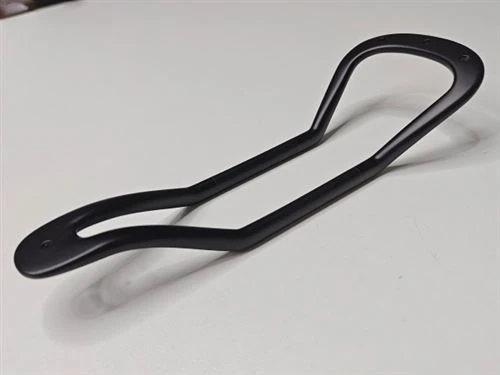





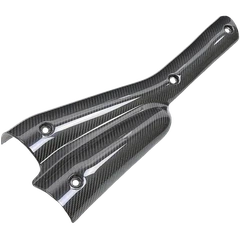
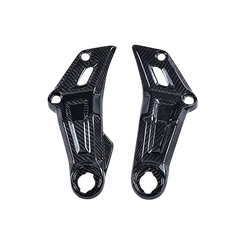
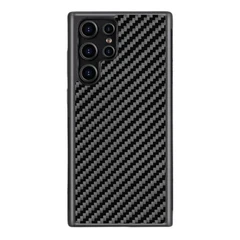

When you design or source medical devices, weight, strength, and reliability matter. Materials directly affect how patients move, how equipment performs, and how long products last. This is where carbon fiber plays an important role.
Carbon fiber is widely used in medical devices because it combines light weight with high structural strength. It helps reduce fatigue for users while maintaining stability and support. In many applications, it also allows slimmer, more efficient designs. From prosthetic components to braces and wheelchair parts, carbon fiber supports both performance and durability. Understanding how it is used can help you choose the right material for your medical product design or manufacturing needs. Please continue reading the following article.
What Is Carbon Fiber?
Carbon fiber is a lightweight and extremely strong material made up of tiny carbon atom filaments. These filaments are interwoven and bonded with resin to form a robust composite structure. Each fiber is very small on its own, but together they create a material that is both strong and durable.

When using carbon fiber in medical devices, you are actually using a composite material system. The fibers provide strength and stiffness, while the resin holds all the components in place and ultimately shapes them into the desired form.
Key Properties of Carbon Fiber for Medical Applications
When you choose materials for medical devices, performance and safety must work together. Carbon fiber offers several properties that make it suitable for structural medical components.
High Strength-to-Weight Ratio
Carbon fiber is known for being strong while remaining lightweight. This allows you to design thinner parts without sacrificing support. For prosthetics, braces, and wheelchair components, lower weight can improve comfort and mobility.
Fatigue Resistance
Medical devices often experience repeated loading during daily use. Carbon fiber maintains its structural integrity under cyclic stress, which helps extend product life in load-bearing applications.
Radiolucency
Carbon fiber is radiolucent, meaning it does not significantly block X-rays. This makes it useful in imaging equipment and support structures where clear imaging results are important.
Corrosion Resistance
Unlike metal, carbon fiber does not rust. It performs well in humid environments and under routine cleaning conditions.
Types of Medical Devices That Use Carbon Fiber
Carbon fiber is widely used in medical devices that require strength, durability, and reduced weight. When you design or select medical components, this material helps improve performance while maintaining structural reliability.
Carbon Fiber Prosthesis
Carbon fiber prosthetic components are valued for their lightweight structure and high strength. They support efficient movement while reducing fatigue for the user. In lower-limb prosthetics, carbon fiber is often used to create energy-return systems that enhance walking comfort and mobility.

Carbon Fiber Prosthetic Leg
Send Inquiry Now

Carbon Fiber Leg Prosthetic
Send Inquiry Now

Carbon Fiber Prosthetic Leg
Send Inquiry Now

Carbon Fiber Prosthetic Foot
Send Inquiry Now
Carbon Fiber Brace
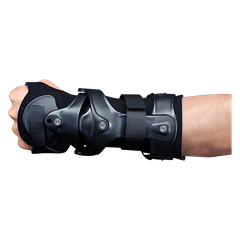
Carbon fiber braces provide firm support without adding unnecessary weight. You can use them in various orthopedic applications, including ankle, wrist, and leg support. Their thin yet strong structure allows for improved comfort and long-term wear.

Carbon Fiber Leg Brace
Send Inquiry Now

Carbon Fiber Leg Brace
Send Inquiry Now

Carbon Fiber Wrist Brace
Send Inquiry Now

M Carbon Fiber Wrist Brace
Send Inquiry Now
Carbon Fiber AFO
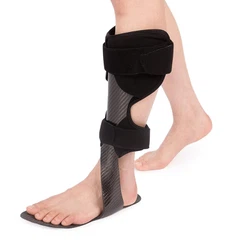
Carbon fiber AFOs are designed to stabilize gait and assist with mobility challenges such as foot drop. Their flexible stiffness helps guide natural motion while maintaining necessary support.

Carbon Fiber AFO Brace
Send Inquiry Now

Carbon Fibre AFO
Send Inquiry Now

Spiral Carbon Fiber AFO
Send Inquiry Now
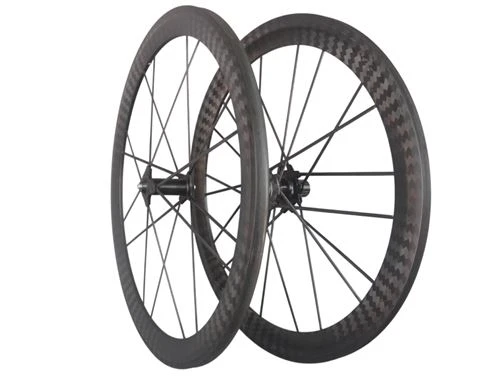
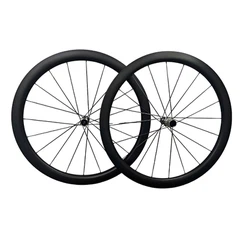
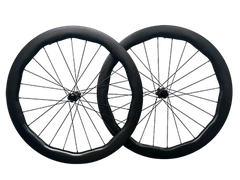
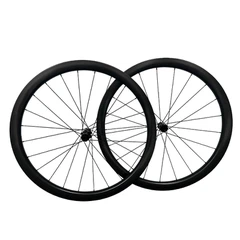
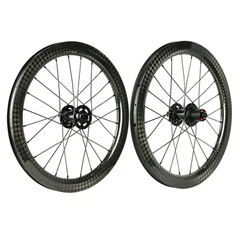
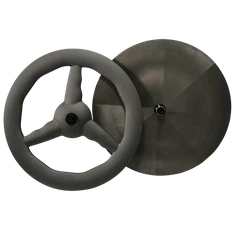
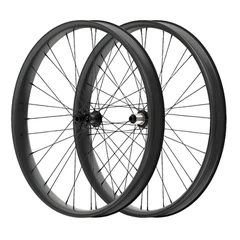
Carbon Fiber Wheelchair Wheels
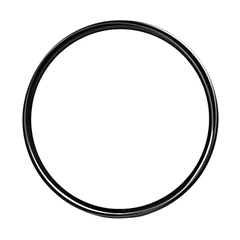
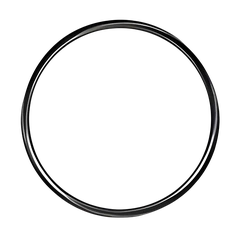
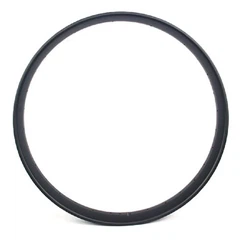
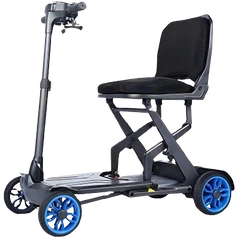
Carbon fiber wheelchair wheels reduce overall weight and improve propulsion efficiency. Their stiffness enhances energy transfer, making movement smoother and more responsive for daily use.

Carbon Fiber Wheelchair Wheels 24 In
Send Inquiry Now

24 In Carbon Fiber Wheelchair Wheels
Send Inquiry Now

Carbon Fiber Wheelchair Wheels
Send Inquiry Now
Functional Roles of Carbon Fiber in Medical Devices
Carbon fiber is used in medical devices not only for its strength, but also for the functional advantages it provides in daily clinical and rehabilitation applications. When you select carbon fiber components, you benefit from a material that supports performance, durability, and user comfort.
Structural Support and Load Bearing
Carbon fiber plays a key role in load-bearing medical devices. Its high stiffness allows you to design thin yet strong structures that maintain stability under repeated stress. This makes it ideal for prosthetic limbs, orthotic braces, and wheelchair components that must support body weight safely.
Energy Return and Mobility Assistance
In dynamic medical devices, carbon fiber helps store and release energy during movement. This function is especially important in prosthetic feet and ankle-foot orthoses, where controlled flexibility supports smoother and more natural motion.
Lightweight Design and Patient Comfort
Reducing weight is critical in medical equipment that patients wear or use daily. Carbon fiber allows you to create lightweight devices without compromising structural integrity. Lighter components reduce fatigue and improve long-term comfort, especially in rehabilitation and mobility support products.
Imaging Compatibility
Carbon fiber is radiolucent, meaning it does not interfere with X-ray or CT imaging. This makes it suitable for use in positioning systems and structural components of imaging equipment, where clear diagnostic results are essential.
Advantages Over Traditional Materials
When selecting materials for medical devices, you need to balance strength, weight, durability, and long-term performance. Carbon fiber offers clear advantages over traditional materials such as aluminum, steel, and plastics. The comparison below highlights how these materials differ in key aspects relevant to medical applications.
|
Property |
Carbon Fiber |
Aluminum |
Steel |
Plastic |
|
Strength-to-Weight Ratio |
Excellent; very strong and lightweight |
Good, lightweight, but less stiff |
High strength but heavy |
Low to moderate strength |
|
Weight |
Very light |
Light |
Heavy |
Very light |
|
Fatigue Resistance |
Excellent; maintains performance under repeated stress |
Moderate |
Good but prone to fatigue over time |
Low; may deform under repeated load |
|
Corrosion Resistance |
Excellent; does not rust |
Good; may corrode in harsh environments |
Poor without a protective coating |
Excellent |
|
Radiolucency (X-ray Transparency) |
Excellent; does not interfere with imaging |
Poor; blocks imaging |
Poor; blocks imaging |
Good; minimal interference |
|
Design Flexibility |
High: allows custom shapes and layup control |
Moderate; limited by machining |
Limited; difficult to form complex shapes |
High but with lower structural strength |
|
Durability |
High, long service life with minimal maintenance |
Moderate; may wear or fatigue |
High but prone to corrosion |
Moderate; may degrade over time |
Manufacturing Considerations for Medical Carbon Fiber Components
When you develop carbon fiber components for medical devices, manufacturing precision and material consistency are essential. Each stage of production influences structural performance, safety, and long-term reliability.
Controlled Layup and Fiber Orientation
Carbon fiber strength depends on how the fibers are arranged. During manufacturing, you must carefully control the layup sequence and fiber orientation to match the load direction of the device. This ensures optimal stiffness and durability in applications such as prosthetics and orthotic braces.
Surface Finish and Edge Treatment
Medical components require smooth surfaces and carefully finished edges. Proper finishing improves user comfort and reduces the risk of skin irritation. It also enhances product appearance and supports hygienic use in clinical environments.

Dimensional Accuracy and Tolerances
Precision is critical in medical devices that must fit the human body or integrate with other components. Maintaining tight tolerances helps ensure proper alignment, stability, and repeatable performance across production batches.
Material Quality and Consistency
Reliable carbon fiber components depend on consistent material properties and controlled curing processes. Stable resin systems and uniform fiber distribution contribute to predictable mechanical performance and long service life.
Consistency builds trust in medical applications.
Biocompatibility and Safety Considerations
Although carbon fiber is not typically in direct contact with internal tissues, surface coatings and finishing treatments may be applied to meet safety and hygiene requirements. Proper design and manufacturing practices help ensure that components remain safe for long-term external use.
FAQ
Q: Is carbon fiber safe for long-term medical use?
A: Carbon fiber is widely used in external medical devices such as prosthetics and braces. When properly manufactured and finished, it is stable, durable, and suitable for long-term structural use. Surface treatment and coating are important to ensure safe contact with the skin.
Q: Can carbon fiber be customized for patient-specific devices?
A: Yes. Carbon fiber components can be designed with different shapes, stiffness levels, and thicknesses. Controlled layup allows you to adjust flexibility and support based on specific medical requirements.
Q: Is carbon fiber compatible with MRI environments?
A: Carbon fiber is non-magnetic, which makes it suitable for certain medical environments where magnetic interference must be minimized. However, full system compatibility depends on the complete device design.
Q: Are carbon fiber medical components recyclable?
A: Recycling carbon fiber composites is possible, but it requires specialized processes. End-of-life planning should be considered during product development to support sustainability goals.
Q: Can carbon fiber medical components be repaired if damaged?
A: Minor surface damage can sometimes be repaired, depending on the design and resin system used. However, structural damage may require part replacement to maintain safety and performance. You should evaluate repair options based on load requirements and usage conditions.
Q: What factors should you consider before choosing carbon fiber for a medical device?
A: You should evaluate load requirements, flexibility needs, manufacturing precision, regulatory considerations, and long-term durability. Proper material selection and engineering design are essential for reliable performance.
Conclusion
Carbon fiber plays a meaningful role in modern medical devices. It helps you reduce weight while maintaining strength. It supports structural stability in prosthetics, braces, AFO systems, and wheelchair components. It also allows cleaner imaging performance and long-term durability in demanding environments.
When you design medical products, material choice affects comfort, safety, and performance. Carbon fiber offers a balance of stiffness, fatigue resistance, and design flexibility that traditional materials often cannot match.
If you are developing or sourcing carbon fiber medical components, careful engineering and controlled production matter.
Carbon World, we support custom carbon fiber solutions for medical applications, from structural components to mobility systems. If you have a project in development, you can share your technical requirements with our team to explore suitable material and manufacturing options.