


Introduction
Did you know that changing just 10 millimeters of your bicycle stem can completely transform your riding experience? The bicycle stem may seem insignificant, but it plays a crucial role in handling, comfort, aerodynamics, and overall riding posture. In this ultimate bicycle stem guide, we'll explain in detail the differences between stem length, angle, clamp diameter, and carbon fiber versus aluminum alloy materials. Let's find the riding posture that best suits you.

What Does a Bike Stem Do?
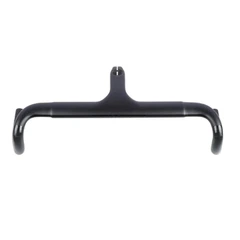
Located between the handlebars and the steerer tube, the stem acts like a bridge to the control cockpit, playing a crucial role in the bicycle's handling and performance.
Connecting the Handlebars and Steerer Tube
The stem securely clamps the handlebars and connects them to the steerer tube, forming a structural connection that allows for precise control of the bicycle.
Directly Affecting Steering Response
The length and stiffness of the stem determine the front wheel's responsiveness. Shorter stems feel more sensitive and agile, while longer stems provide stability at high speeds.
Affecting Riding Posture and Weight Distribution
The size of the stem affects your riding posture and upper body angle, which in turn affects comfort, power delivery, and front wheel grip.
Affecting Aerodynamics and Comfort
Lower, longer stems improve aerodynamic performance, while higher or shorter stems contribute to improved comfort during endurance riding.
Bike Stem Length Explained
Stem length refers to the distance from the center of the fork steering tube to the center of the handlebars, and it plays a crucial role in a bicycle's handling performance. Even small adjustments can significantly alter the riding experience.
Generally, a shorter stem provides faster, more responsive handling. It brings the handlebars closer to the rider, resulting in more precise and agile steering. A longer stem, on the other hand, reduces steering input, leading to more predictable and stable handling-especially important at high speeds.
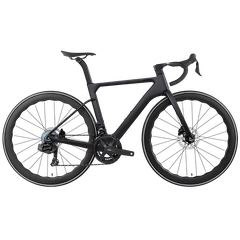
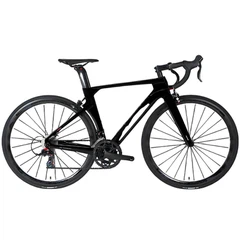
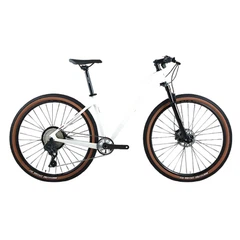
Mountain bike stems are typically between 50mm and 80mm long to enhance handling on challenging terrain. Road bike stems are typically between 80mm and 120mm or longer, increasing with frame size to maintain geometric balance. Gravel road bike stems fall somewhere in between, balancing stability and handling.
If you feel overextended, switching to a shorter stem can reduce the reach value, resulting in a more upright riding posture. If you feel cramped, a slightly longer stem can increase the reach value, thus improving weight distribution. Choosing the right length can improve comfort, confidence, and high-speed stability.

How Stem Angle Affects Riding Posture
The impact of stem angle on cycling posture is far greater than many cyclists realize. Most bicycle stems are not 0°, typically ranging from 6° to 18°, with some models offering even more extreme angles. Since the steering tube itself has an angle, choosing the appropriate stem angle helps maintain visual balance and functional alignment with the ground.
A 6° stem is common on high-performance road bikes, providing a neutral and flexible riding posture. A 10° stem slightly increases handlebar height, reducing stress on the back and shoulders. A 17° stem offers more significant height adjustment, especially when mounted backwards, allowing riders to more precisely adjust handlebar height and forehand extension.
Adjusting the stem angle is one of the simplest ways to optimize riding posture without changing frame size, making it an effective tool for improving riding performance and comfort.

Stem Diameter
The stem diameter refers to the diameter of the handlebar clamp. In the past, many road bike handlebars used a 25.4mm clamp diameter. However, 31.8mm has become the standard size for most modern road and gravel bikes today, achieving an ideal balance between stiffness, strength, and riding comfort.
Mountain bikes also commonly use a 31.8mm clamp diameter, although 35mm handlebars are increasingly popular for intense riding. A 35mm clamp diameter provides higher front-end stiffness and more direct steering feedback, which is beneficial for sprinting and tackling challenging terrain, but may also transmit more road vibrations.
Measuring the handlebar clamp diameter is simple. A tape measure or ruler will confirm whether it's 25.4mm, 31.8mm, or 35mm. In many cases, experienced riders can even judge the size visually. Ensuring a perfect stem diameter match for the handlebars is crucial for applying torque correctly and ensuring safe and confident handling.

Choosing the Right Bike Stem Size for Your Riding Style
Choosing the right size depends on your riding style and how well your body fits the bike. First, measure your current setup. Check the stem length, angle, and handlebar reach.
Flexibility and body geometry play a significant role. Riders with strong core strength and flexibility can generally handle a longer, lower stem position for a more aerodynamic riding posture. If flexibility is limited, a slightly shorter stem or a larger angle can improve comfort without sacrificing handling.
Riding type is also important. Racing riders typically prefer longer stems for stability at high speeds. Endurance riders usually opt for medium-length stems for balance and comfort. Gravel riders may prefer a slightly shorter stem for quicker turns on rough terrain.
Carbon vs Aluminum Stems: Which Is Better?
|
Feature |
Carbon Stem |
Aluminum Stem |
|
Weight |
Lighter, ideal for weight-focused builds |
Slightly heavier but still competitive |
|
Stiffness |
Tuned stiffness with optimized layup |
Naturally stiff and solid |
|
Vibration Damping |
Better vibration absorption for a smoother ride |
Transmits more road feedback |
|
Comfort |
Improved comfort over long distances |
Less damping compared to carbon |
|
Durability |
Highly durable when properly installed |
Extremely durable and impact-resistant |
|
Torque Sensitivity |
Requires precise torque control |
More forgiving during installation |
|
Price |
Higher cost due to materials and manufacturing |
More affordable and widely available |
|
Best For |
Performance-focused riders, lightweight builds |
Budget-conscious riders, training setups |
Clamp Diameter, Compatibility & Torque Specs
Most road and gravel bikes use 31.8 mm handlebar clamps, a size that strikes a balance between stiffness, weight, and compatibility. 35 mm clamps, on the other hand, are designed for riders who prioritize maximum front-end stiffness and are commonly found in intense racing or sprint-oriented configurations.
Steering tube compatibility is equally important. Most modern bikes use 1-1/8 inch steering tubes, whose specifications must perfectly match the stem to ensure proper clamping and load distribution.
Most carbon stems require 4-6 Nm of torque, but it's essential to follow the manufacturer's recommendations. Using carbon mounting compound can increase friction, resulting in a firm clamping at lower torque and reducing the risk of damage.
Conclusion
While bicycle stems may be small, their impact is enormous. From steering precision to riding posture and aerodynamics, the right stem can completely transform your riding experience. Whether you're hesitating between carbon fiber and aluminum, agonizing over 90mm versus 100mm, or adjusting the angle for a better riding posture, every detail is crucial. Be sure to take the time to carefully measure, consider your riding style, and prioritize compatibility and torque safety. Choosing the right stem will enhance your riding experience.
FAQ
Q: How long should my bicycle stem be?
A: The appropriate bicycle stem length depends on your arm span, flexibility, riding style, and bicycle geometry. Most road bikes use stem lengths between 90mm and 110mm. If you feel overextended, a shorter stem may improve comfort. If you feel cramped, a longer stem can provide better balance.
Q: How does stem length affect handling?
A: Steel length directly affects steering response. A shorter stem provides quicker, more responsive steering, which is generally ideal for technical riding. A longer stem improves front wheel stability, making it ideal for highway and endurance riding.
Q: What is the difference between stem angle and handlebar height?
A: The stem angle (typically 6°, 10°, or 17°) determines the handlebar height. A positive angle raises the handlebars, resulting in a more upright riding posture; a negative angle lowers the handlebars, resulting in a more aggressive and aerodynamic riding posture.
Q: Are carbon fiber handlebar stems better than aluminum ones?
A: Carbon fiber handlebar stems are generally lighter and offer better shock absorption, thus improving riding comfort. Aluminum handlebar stems are more durable and cost-effective. The best choice depends on your performance goals, weight preference, and budget.
Q: What clamp diameter should I choose: 31.8mm or 35mm?
A: The clamp diameter must match the handlebar. 31.8mm is the most common standard size, while 35mm offers higher stiffness, suitable for aggressive riding. Always check compatibility before purchasing.
Q: What torque should I use on a carbon fiber handlebar stem?
A: Carbon fiber handlebar stems require precise torque settings, typically between 4-6 Nm, depending on the manufacturer's specifications. Always use a torque wrench and follow recommended guidelines to prevent damage or failure.
Q: Can changing the handlebar stem improve riding posture without changing the frame?
A: Yes. Adjusting the length or angle of the handlebar stem can significantly change the handlebar height and riding distance, helping you fine-tune your riding posture without changing the frame.