Handlebar sizes sound simple until you actually try to buy one. You'll see 38, 40, 42 cm, 31.8 or 35 mm, different reach numbers, different bends-and suddenly "standard" doesn't feel standard at all. Even two bars marked the same width can ride very differently once installed.
That's because handlebar size isn't just about comfort. It changes how the bike steers, how stable it feels in wind or tight turns, and whether your stem and controls will even fit properly.
Before getting into bike-specific details, let's first look at what the standard size of handlebars really means across different categories.

Typical Handlebar Size Ranges by Bike Type
| Bike Type | Typical Width Range | Common Clamp Diameter | Grip Diameter |
|---|---|---|---|
| Road Drop Bar | 38–44 cm | 31.8 mm | 23.8–24.0 mm |
| Gravel Drop Bar | 40–46 cm | 31.8 / 35 mm | 23.8–24.0 mm |
| MTB Flat Bar | 740–800 mm | 31.8 / 35 mm | 22.2 mm |
| BMX Bar | 680–760 mm | 22.2 mm | 22.2 mm |
| City / Touring | 560–680 mm | 25.4 / 31.8 mm | 22.2 mm |
These ranges describe typical production standards, not personalized fit recommendations.
Basic Knowledge of Handlebar Dimensions
A handlebar has more "sizes" than most parts on your bike. It's not just the width. You're also dealing with the clamp area that fits your stem, the shape that changes your hand position, and the bar diameter where your controls mount. Two bars can look similar on a product page and still feel very different once you ride them.
Why Are Handlebar Dimensions So Important?
Because the wrong numbers don't just feel a bit off, they can create real problems. A bar that's too wide can strain your shoulders. Too narrow can make the bike feel twitchy. If the clamp diameter doesn't match your stem, it simply won't fit. And if the grip or drop diameter isn't right, your shifters, brake levers, grips, or bar tape can be hard to install or sit in the wrong place.
The 4 Handlebar Measurements That Matter Most
If you only check four numbers before buying a handlebar, make it these. They decide whether the bar fits your bike and whether it feels natural once you ride.
Clamp Diameter
This is the center section that fits into your stem. Common sizes are 31.8mm (very common) and 35.0mm (often stiffer). Some older road setups use 26.0mm. If this number doesn't match your stem, you're done before you start.
Width
Width changes breathing room and steering feel. Road and gravel bars are usually listed in cm, while MTB and BMX bars are listed in mm. Brands don't always measure the same way on drop bars, so check how the width is defined.

Bar Diameter at Grips or Drops
This affects what can clamp onto the bar. MTB grips, brake levers, shifters, and bar ends all assume certain diameters. Drop bars also need the right shapes and sizes for modern integrated levers.
Rise / Reach / Drop / Sweep
These numbers describe shape. Rise lifts your hands. Reach moves them forward. Drop tells you how deep the lower position is. Sweep changes how your wrists sit. Small changes here can make a bike feel more relaxed or more aggressive.
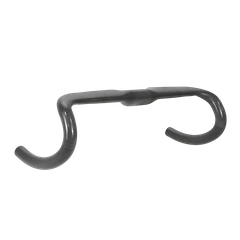
Road Drop Bars
Road drop bars look "standard," but the details matter. If you match the right width and shape to your body, the bike feels calmer, and long rides get easier.

Width
Most road bars fall around 38–44cm. Some brands measure center-to-center at the drops, while others measure at the hoods or use slightly different reference points. That's why two "42cm" bars can feel different.
Clamp Diameter (31.8 vs 26.0)
Modern road bikes mostly use 31.8mm stems. Older bikes often use 26.0mm. The bar and stem must match. If you're upgrading an older bike, you may need a new stem to use a modern bar.
Reach & Drop Ranges
Reach and drop control how stretched out you feel and how deep the lower position is. Typical road bars sit around 70–90mm reach and 120–140mm drop. Shorter reach and shallower drop usually feel easier on your back and shoulders, especially if you don't spend much time in the drops.
Gravel Drop Bars
Gravel bars are basically road drop bars built for control on rough surfaces. The "standard" sizes are similar, but the shape changes how stable the bike feels when the terrain gets sketchy.

Width + Flare
Gravel bars often come a little wider, like 40–46cm, and many add flare, the drops angle outward. More flare gives you extra leverage and wrist clearance in the drops, which helps on descents and loose corners. If you ride mostly smooth gravel, moderate flare usually feels natural. If you ride chunky trails, a bit more flair can feel more secure.
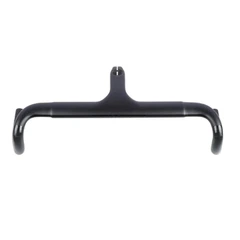
Clamp + Compatibility With Aero / Hidden Routing
Most gravel bars use 31.8mm clamps, and some use 35.0mm. The bigger issue is routing. If your bike uses hidden cables, you need a bar designed for internal routing and compatible with your stem and headset setup. Otherwise, installation becomes a headache fast.
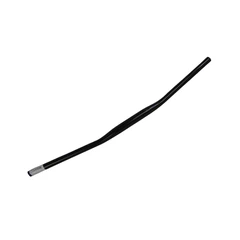
MTB Flat Bars
MTB flat bars are all about leverage and control. A few millimeters can change how confident you feel when the trail gets rough.

Width
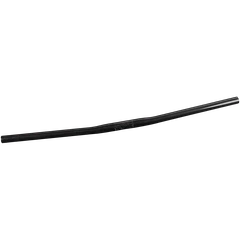
Most modern MTB flat bars land around 740–800mm, and some riders go wider. Wider bars give you more stability and steering control, especially on descents. But too wide can stress your shoulders or feel awkward in tight trees. Many riders buy slightly wide and trim the ends to fit.
Clamp Diameter (31.8 vs 35.0)
The common clamp sizes are 31.8mm and 35.0mm. A 35.0 bar is often stiffer and can feel more direct. A 31.8 bar is widely compatible and can feel a bit more forgiving.
Rise
Flat bars often have little or no rise, but some still offer 0–20mm. More rise puts your hands higher, which can reduce strain on your lower back and make steep descents feel less "over the front."
City / Touring / Trekking Bars
City and touring bars are built for comfort first. You're usually sitting more upright, looking ahead, and spending long hours with your hands in one main position.
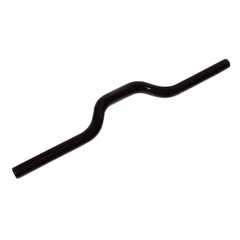
Swept-Back Bars, Comfort Bars
Swept-back bars bring your hands closer to you and turn your wrists inward a bit. This can reduce pressure on your palms and shoulders on long rides. Comfort bars also come in many shapes; some are wide for stability, others are narrower for tight city traffic.
Grip Diameter and Clamp
Most city/touring setups use standard grip diameters, so grips and brake levers are easy to find. The bigger thing to check is the center clamp diameter. Many are 25.4mm or 31.8mm, and older bikes can be different. If your stem clamp doesn't match, the bar won't fit, even if everything else looks right.
BMX Bars
BMX bars aren't sized like road or MTB bars. They're built around quick handling, body movement, and how the bike feels in the air. Small changes in rise or sweep can make tricks feel easier-or make the bike feel "wrong" right away.

Width, Rise, Backsweep / Upsweep
Most BMX bars are roughly 27–30 inches wide, often around 680–760mm. Taller riders often like more width and more rise, while smaller riders may prefer a tighter setup. Rise is the big one. It changes how high your hands sit and how much room you have to pull up. Backsweep affects wrist comfort and steering feel. Upsweep changes how your elbows sit when you're standing and pumping.
Clamp (22.2mm)
BMX stems usually clamp at 22.2mm, which is smaller than MTB stems. That number must match, and it also affects control fit. Grips and levers are designed around this standard, so swapping parts from other bike types can create annoying fit issues.
Aero Bars / Clip-on Extensions
Clip-on aero bars are less about "standard size" and more about fit and compatibility. You're adding a new hand position, so small setup issues show up fast in your shoulders and neck.
Clamp Compatibility + Extension Length
First, make sure your handlebars can accept clip-ons. Some carbon road bars and many aero-shaped bars aren't designed for clamping pressure in the middle section. Next, check clamp diameter and space-most clip-ons are made for 31.8mm bars, but the usable clamp area can be limited by cable routing or bar shape.
Extension length is usually adjustable. Set it so you can rest your elbows comfortably and reach the shifters without stretching. If you feel like you're "hanging" on the bars, they're too long or too low.
Common Compatibility Traps
Most handlebar mistakes aren't about "wrong width." They're about parts that don't physically match.
Stem Clamp Mismatch
Your stem clamp must match the bar's center diameter. If your stem is 31.8mm and the bar is 26.0mm (or 35.0mm), it won't fit safely. Don't rely on spacers or "close enough."
Shifter / Brake Clamp Sizes
Controls are not universal. MTB levers and shifters are designed around MTB bar diameters. Road levers are made for drop bars. If you mix systems, the clamp may slip, sit crooked, or not tighten correctly.
Internal Routing vs External
Some modern bars are made for internal routing and need specific stems, headsets, or spacers. If your bike is built for external cables, an internal-only bar can turn into extra parts and extra labor.
Bar End Plugs / Grip Fit
Grips and bar plugs also have standards. Some carbon bars use thicker walls, and some MTB grips don't fit certain bar-end shapes.

Carbon Handlebars Road
Send Inquiry Now

Carbon MTB Handlebars
Send Inquiry Now

Carbon BMX Handlebars
Send Inquiry Now

Carbon Gravel Handlebars
Send Inquiry Now
Recommended Handlebar Width by Rider Height
| Rider Height | Road Width | Gravel Width | MTB Width | City / Touring |
|---|---|---|---|---|
| < 165 cm | 36–40 cm | 38–42 cm | 700–760 mm | 560–620 mm |
| 165–175 cm | 40–42 cm | 40–44 cm | 740–780 mm | 580–660 mm |
| 175–185 cm | 42–44 cm | 42–46 cm | 760–800 mm | 600–680 mm |
| > 185 cm | 44–46 cm | 44–48 cm | 780–820 mm | 620–700 mm |
These recommendations are based on rider proportions and riding style, not manufacturing standards.
Conclusion
Handlebar sizing gets easier once you focus on the few numbers that actually matter. Start with the clamp diameter so it fits your stem. Then choose a width that matches your riding and your shoulders. After that, check shape, reach, drop, rise, and sweep, because that's what decides comfort and control on real roads.
If you're replacing a bar, don't guess. Measure what you have, and confirm how the brand defines width, especially on road and gravel drop bars. A "standard size" is only useful if it's measured the same way.
If you're planning an upgrade and want a cleaner, lighter setup, Carbon World makes carbon handlebars for road, gravel, and MTB builds. Send your bike type, current bar size, and your target riding style, and we'll help you choose a handlebar size that fits your setup and feels right on the first ride.
FAQ
Q: Are carbon handlebars all the same size as aluminum ones?
A: The key standards are the same, but carbon bars can have thicker walls, special shapes, and routing channels. That can affect clip-on compatibility, bar plugs, and how easy it is to mount accessories.
Q: Can you use a 31.8mm handlebar with a 26.0mm stem?
A: No. The clamp sizes must match. If your bike has a 26.0mm stem and you want a modern 31.8mm bar, you'll need a new stem.
Q: Can you cut a handlebar to make it narrower?
A: On MTB bars, yes, many are designed to be trimmed. Cut both sides evenly and leave enough straight section for grips and controls. On most drop bars, no. You can't safely "cut them down" like a flat bar.
Q: How do you know if your handlebars are too wide?
A: Your shoulders may feel tense, your wrists may flare outward, and tight turns can feel slow. If you often ride with bent elbows but still feel stretched side-to-side, try a narrower.
Q: How do you know if it's too narrow?
A: The bike can feel twitchy, especially on descents. You may also feel cramped in your chest and struggle to breathe deeply when riding hard.
Q: Do you need a torque wrench for handlebar installation?
A: It's a smart idea, especially with carbon. Over-tightening can damage the bar or stem. Under-tightening can cause slipping. A torque wrench keeps it safe and consistent.