




Introduction
In modern cycling, carbon fiber frames have become a mainstream choice for high-performance bicycles, widely used in road, endurance, and high-end mountain biking. Their lightweight construction and high stiffness make them popular among riders, although questions about durability, riding applications, and long-term value remain.
This guide explores the advantages and disadvantages of carbon fiber bike frames and compares them with other frame materials to help you better understand their performance characteristics and ideal riding applications.
Key Takeaways
Carbon fiber bike frames offer clear advantages, including lightweight performance, improved vibration damping, high stiffness, and a premium appearance, making them an excellent choice for high-performance cycling. However, they also come with drawbacks such as higher cost, greater sensitivity to impact, more complex repairs, stricter maintenance requirements, and the presence of low-quality counterfeit products on the market.
If you prioritize riding performance, have a sufficient budget, ride in good conditions, and are willing to maintain your bike carefully, a carbon fiber frame is well worth considering. However, for daily commuting, casual riding, limited budgets, or situations where the bike may experience frequent impacts, an aluminum frame is often the more practical and cost-effective option.
What Is a Carbon Fiber Bike Frame?
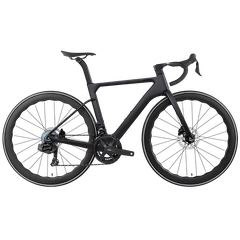
A carbon fiber bike frame is a bicycle structure made from carbon fiber composite materials combined with resin systems. Unlike traditional metal frames, carbon fiber frames are constructed by layering carbon fiber sheets in specific directions to achieve the desired balance of strength, stiffness, and flexibility.
Modern carbon fiber bike frames are designed not only for speed but also to improve riding efficiency, handling responsiveness, and long-distance comfort.

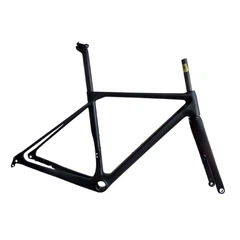
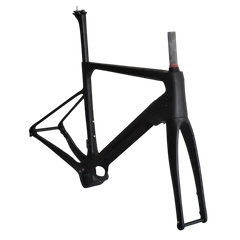
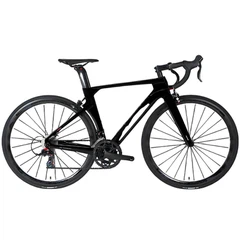
Carbon Road Frame
Send Inquiry Now

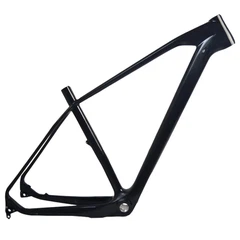
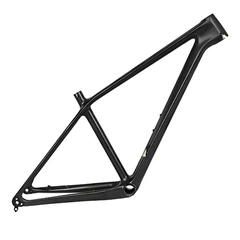
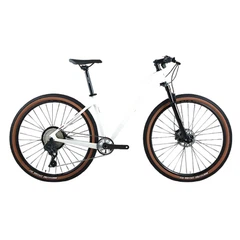
Carbon MTB Frame
Send Inquiry Now

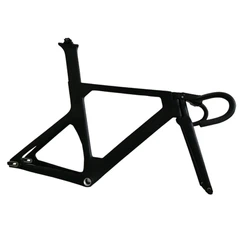
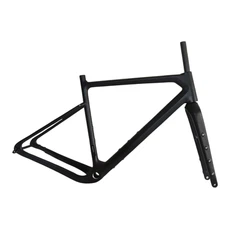
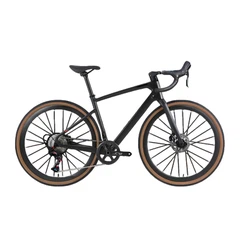
Carbon Gravel Frame
Send Inquiry Now

Carbon Frame BMX
Send Inquiry Now

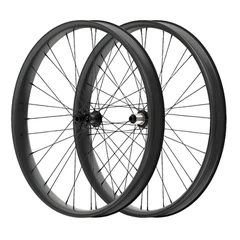
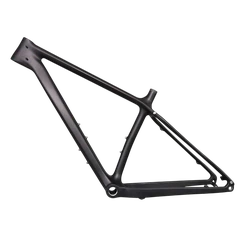
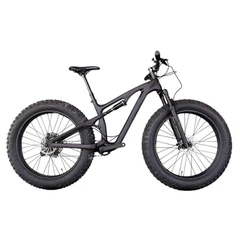
Carbon Fat Frame
Send Inquiry Now
How Carbon Fiber Bike Frames Are Made
Carbon Fiber Prepreg Materials and Resin Systems
Most carbon fiber bike frames are made from prepreg carbon fiber, where the carbon fabric is pre-impregnated with epoxy resin before processing. Common materials such as T700, T800, T1000, and T1200 carbon fiber provide an ideal balance of lightweight performance, stiffness, and durability.
Layup Design and Fiber Orientation
Carbon fiber frames are manufactured through a layer-by-layer layup process. High-stress areas such as the bottom bracket and head tube are usually reinforced to improve stiffness and power transfer efficiency. At the same time, other sections of the frame are optimized for comfort and vibration damping.
Molding and Curing Processes
After the layup process is completed, the frame is placed into molds and cured under carefully controlled temperature and pressure conditions. Advanced manufacturing methods such as EPS molding and monocoque construction help improve internal surface smoothness, structural consistency, and overall frame strength.
Main Advantages of Carbon Fiber Bike Frames
Lightweight Performance
One of the biggest advantages of carbon fiber bike frames is their extremely low weight. A lighter frame improves climbing efficiency, acceleration, and overall handling responsiveness, helping riders maintain speed with less effort during long rides or steep climbs.
High Stiffness and Efficient Power Transfer
Carbon fiber offers excellent stiffness, particularly in key stress areas, such as the bottom bracket and head tube. This helps transfer pedaling power more directly to the drivetrain, delivering a faster and more responsive riding feel during sprinting and high-intensity efforts.
Better Vibration Damping
Unlike aluminum frames, carbon fiber can absorb more road vibration and small impacts. This reduces rider fatigue and improves comfort, especially during endurance riding or rough road conditions.
Flexible Frame Design
Carbon fiber frames are produced using integrated molding and curing processes, allowing for smoother lines and more advanced frame shaping. Manufacturers can freely optimize tube profiles and aerodynamic geometries based on riding needs, helping reduce drag while creating a more refined appearance.
Disadvantages of Carbon Fiber Bike Frames
Higher Cost:
Carbon fiber bike frames are more expensive to produce than aluminum or steel frames. Their manufacturing process involves complex layup design, precision molding, and controlled curing, which increases both production and retail costs.
Sensitive to Severe Impacts:
Although carbon fiber performs exceptionally well under normal riding loads, it can be more vulnerable to sharp impacts or crushing forces. Heavy crashes, improper clamping, or direct impacts may damage the frame's internal structure.
More Specialized Repairs:
Carbon fiber frames can often be repaired, but the process requires professional composite repair techniques. Compared with aluminum or steel frames, carbon frame repairs are generally more specialized and costly.
Carbon Fiber vs Aluminum and Steel Bike Frames
| Feature | Carbon Fiber | Aluminum | Steel |
| Weight | Very lightweight | Lightweight | Heavier |
| Stiffness | High stiffness with tunable flex | Stiff but less vibration-damping | More flexible and compliant |
| Ride Comfort | Excellent vibration absorption | Harsher ride feel | Smooth and comfortable |
| Durability | Strong fatigue resistance but sensitive to severe impacts | Good impact resistance | Extremely durable |
| Repairability | Requires specialized repair | Easier to repair or replace | Easier to weld and repair |
| Corrosion Resistance | Excellent | Good | Can rust without protection |
| Aerodynamic Design | Highly customizable shapes | Limited shaping flexibility | Limited shaping flexibility |
| Cost | High | Moderate | Moderate to high |
| Best For | Racing, climbing, endurance riding | Commuting, training, and daily riding | Touring, comfort riding |
| Maintenance | Requires careful inspection and torque control | Lower maintenance | Requires rust prevention |
| Lifespan | Long with proper care | Durable for long-term use | Extremely long-lasting |
How to Choose the Right Carbon Fiber Frame for You
Define Your Riding Purpose First
Before purchasing a carbon fiber frame, determine how the bike will be used. Road racing, endurance riding, gravel cycling, and mountain biking all require different frame geometries, stiffness levels, and tire clearance designs. Choosing the right type of frame helps avoid unnecessary costs and compatibility issues in the future.
Pay Attention to Carbon Material and Manufacturing Quality
Factors such as carbon fiber grade, layup design, molding technology, and quality control directly affect the frame's strength, weight, and durability. Reliable manufacturers usually provide clearer production standards and testing information.
Check Component Compatibility
Make sure the frame is compatible with your preferred groupset, wheel size, brake system, and axle standard. Good compatibility not only reduces future upgrade costs but also simplifies maintenance and servicing.
Choose a Reliable Supplier
Whether for OEM sourcing or long-term personal use, supplier stability, manufacturing experience, and after-sales support are just as important as the frame's technical specifications.
How Carbon World Factory Ensures Frame Quality
Carefully Selected Carbon Materials
We use high-quality Toray T700 and T800 carbon fiber prepreg to achieve an ideal balance of strength, stiffness, and fatigue resistance. All materials are inspected for consistency before production.
Precision Layup and Molding
Each frame follows a controlled layup schedule to ensure accurate fiber orientation and structural consistency. Advanced processes such as EPS molding and controlled curing help improve wall thickness uniformity, internal smoothness, and overall frame strength.
Strict Production Control
From cutting and layup to curing and CNC finishing, every manufacturing stage is closely monitored to reduce dimensional deviation and structural defects. Key stress areas such as the bottom bracket, head tube, and chainstay receive additional reinforcement when required.
Comprehensive Testing and Inspection
Frames undergo dimensional checks, alignment inspection, and surface quality control. Selected samples are also tested for fatigue and impact resistance to ensure long-term durability and riding safety.
Consistency and Reliability
Our focus on production consistency helps ensure stable ride quality, reliable structural performance, and compatibility with modern road bike components.

Conclusion
Carbon fiber bike frames combine lightweight performance, stiffness, comfort, and aerodynamic efficiency, making them a leading choice in modern cycling.
However, they also come with considerations such as higher cost, specialized repair requirements, and the need for proper maintenance. In the end, the overall riding experience largely depends on manufacturing quality, frame design, and choosing a frame that matches your riding style and performance needs.
FAQ
Q: Are carbon fiber bike frames worth buying?
A: For riders who prioritize lightweight performance, frame stiffness, and riding comfort, carbon fiber bike frames are often a worthwhile investment.
Q: How long do carbon bike frames last?
A: A well-manufactured and properly maintained carbon frame can last for many years. Its lifespan depends on riding conditions, maintenance quality, and whether the frame has experienced severe impacts or crashes.
Q: Can carbon frames crack easily?
A: Under normal riding conditions, carbon fiber frames are highly durable. However, compared with metal frames, they are more sensitive to sharp impacts or crushing forces.
Q: Is carbon fiber better than aluminum for road bikes?
A: In general, carbon fiber offers lower weight, better vibration damping, and greater design flexibility, while aluminum frames are usually more affordable and more resistant to impact damage. The better choice ultimately depends on your riding style, budget, and performance expectations.
Q: Can damaged carbon frames be repaired?
A: Yes. Many damaged carbon fiber frames can be repaired by professional carbon repair specialists. Minor cracks or structural damage can often be restored without replacing the entire frame.


