
Choosing the right prosthetic can shape how you move each day. The material used in the device plays a big role in comfort, strength, and overall performance.
In recent years, carbon fiber has become a common choice in modern prosthetics. You may hear it mentioned in relation to lightweight designs or energy return features. But what does that really mean for you?
A carbon fiber prosthetic is designed to balance strength and flexibility while reducing unnecessary weight. This combination can affect how natural each step feels.
In this guide, you'll learn why carbon fiber is used and what advantages it may offer in daily use.
Key Takeaways
Carbon fiber prosthetics stand out for one main reason: high strength with low weight. This combination allows the prosthetic limb to remain durable while reducing the physical load on the user.
The material's energy return capability helps improve walking efficiency and supports a more natural gait. Over time, this can reduce fatigue and improve daily mobility.
In addition, carbon fiber maintains structural stability under repeated stress, making it suitable for long-term use. Performance, however, still depends on proper alignment, socket fit, and overall prosthetic design.
What Is a Carbon Fiber Prosthetic?
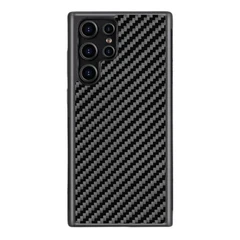
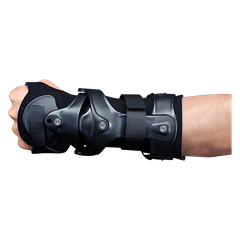
A carbon fiber prosthetic is a device that incorporates carbon fiber into its structure. Carbon fiber is a strong and lightweight material made from thin strands woven together and bonded with resin.

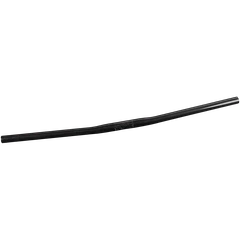
Carbon Fiber Leg Prosthetic
Send Inquiry Now

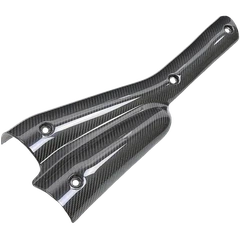
Carbon Fiber Prosthetic Leg
Send Inquiry Now

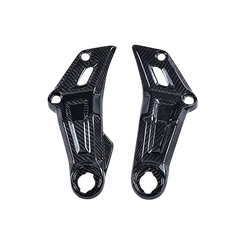
Carbon Fiber Prosthetic Leg
Send Inquiry Now

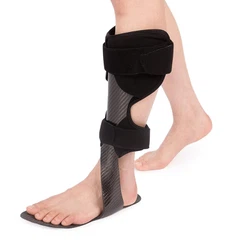
Carbon Fiber Prosthetic Foot
Send Inquiry Now
In prosthetics, carbon fiber is often used in the foot, blade, or support frame. It helps create a design that is both firm and flexible. When you put weight on it, the material can bend slightly and then return to its original shape.
This ability to flex and rebound is one reason it is used in active prosthetic designs. At the same time, it keeps the overall device lighter than many traditional materials.
How Is Carbon Fiber Used in Prosthetics?
Carbon fiber is not used randomly in a prosthetic. It is placed in areas that require strength, flexibility, and light weight simultaneously.
Structural Support Components
In many designs, carbon fiber forms the main support frame. This frame carries your body weight and helps keep the prosthetic stable during standing and walking.
Because carbon fiber is strong for its weight, the structure can remain thin without losing strength. That helps reduce bulk and overall mass.
Prosthetic Foot and Energy-Storing Blades
Carbon fiber is often used in prosthetic feet and dynamic response blades. When you step down, the material bends slightly under pressure. As you push off, it releases stored energy. This motion can help create a smoother walking pattern.
Layered Construction
Carbon fiber is usually laid in thin layers. The direction of these layers affects how the prosthetic flexes. By adjusting the layering pattern, designers can control stiffness and movement. This allows the device to match your activity level and daily needs better.
Key Advantages of Carbon Fiber Prosthetics
Carbon fiber is used in prosthetics for practical reasons. Its properties can influence how the device feels and performs in daily life.

Energy Return and Flexibility: Carbon fiber has a natural ability to flex and return to its original shape. When you step down, the material can store a small amount of energy. As you push off, that energy is released. This can support a smoother walking motion.
Reduced Fatigue During Walking: Because of its weight and flex properties, carbon fiber may help reduce effort during long periods of movement. You may notice less strain in your hips or lower back compared to heavier designs. Comfort still depends on proper fit, but material choice plays a role.
Corrosion and Moisture Resistance: Carbon fiber does not rust. It also resists moisture better than many metals. This can be helpful in humid environments or during outdoor use, where exposure to sweat and water is common.
Carbon Fiber vs Aluminum, Steel, and Plastic Prosthetic Materials
| Feature | Carbon Fiber | Aluminum | Steel | Plastic / Polymer |
| Weight | Very lightweight | Lightweight | Heavier | Lightweight |
| Strength-to-Weight Ratio | Very high | Moderate | High but heavy | Low to moderate |
| Flexibility | Engineered flex with energy return | Limited flex | Very rigid | Some flex, limited energy storage |
| Energy Return | Supports dynamic walking response | Minimal | Minimal | Minimal |
| Durability | Resistant to fatigue when designed properly | Can dent under heavy load | Very durable but heavy | May wear or deform over time |
| Corrosion Resistance | Does not rust | Can corrode without coating | Prone to rust | Not affected by rust |
| Comfort Feel | Firm with controlled rebound | Stable but less responsive | Very rigid feel | Softer but less stable |
| Long-Term Performance | Maintains structure under repeated stress | May bend under repeated load | Structurally stable but heavy | Can degrade with long-term use |
Carbon fiber stands out for its combination of low weight and controlled flexibility. Aluminum and steel remain strong and widely used, while plastic materials are often chosen for lower-cost or lower-load applications.
Who Benefits Most from Carbon Fiber Prosthetics?
Carbon fiber prosthetics are not necessary for every user. But for certain lifestyles and activity levels, they can offer practical advantages.
Active and Mobile Users
If you walk frequently or stay active throughout the day, weight and flexibility matter.
A lighter prosthetic may feel easier to move over long periods. The energy return feature in some carbon fiber designs can also support smoother steps.
For people who enjoy outdoor activities or light sports, controlled flex can feel more natural during motion.
Athletes and Performance-Focused Users

If you run, train, or participate in adaptive sports, material response becomes more noticeable.
Carbon fiber can handle repeated loading while maintaining its structure. Many performance-oriented prosthetic feet use layered carbon construction to support dynamic movement.
Users Seeking Long-Term Durability
Carbon fiber resists corrosion and handles repeated stress well when designed properly. If you live in a humid climate or spend time outdoors, moisture resistance can be helpful.
Individuals Looking for Lightweight Solutions
Even small weight differences can add up over time. If reducing overall device weight is important to you, carbon fiber may be worth considering.
In the end, suitability depends on your daily needs, mobility level, and proper professional fitting.
How to Maintain and Care for a Carbon Fiber Prosthetic
Taking care of your prosthetic helps it perform safely and last longer. Carbon fiber is strong, but regular checks still matter.
Daily Cleaning
Wipe the surface with a soft cloth after use. If needed, use mild soap and water. Avoid harsh chemicals or rough scrubbing, as these can damage the outer finish. Make sure the device is fully dry before wearing it again.
Regular Visual Inspection
Check for visible cracks, deep scratches, or unusual noises during movement.
Carbon fiber components are durable, but damage can occur from a strong impact.
If you notice anything unusual, contact your prosthetist instead of trying to repair it yourself.
Professional Check-Ups
Schedule regular maintenance visits.

A professional can check alignment, hardware tightness, and overall condition.
Good care does not require complex steps.
Simple cleaning, routine inspection, and proper storage can help your carbon fiber prosthetic remain reliable over time.
Are There Any Limitations?
Carbon fiber prosthetics offer many benefits, but they are not perfect for every situation.
Understanding the limitations helps you make a balanced decision.
One factor is cost. Carbon fiber components are often more expensive than basic materials like plastic or standard metal. The manufacturing process is more complex, which can affect overall pricing.
Another consideration is fit and alignment. Carbon fiber designs often rely on precise layering and structure. If the prosthetic is not fitted correctly, you may not feel the intended benefits. Proper adjustment by a trained professional is important.
Impact damage is also something to consider. While carbon fiber is strong, it can crack under extreme force. Regular inspection helps catch problems early.
Finally, not every user needs advanced energy return features. For low-activity use, simpler materials may work well.
Conclusion
The material you select can affect how you move, how much energy you use, and how comfortable you feel each day. Carbon fiber offers a balance of light weight, strength, and controlled flexibility.
For some users, this combination supports smoother steps and reduced fatigue. For others, traditional materials may still meet their needs. The right option depends on your activity level, daily routine, and proper professional fitting.
If you are exploring carbon fiber solutions, Carbon World develops carbon fiber components designed for structural strength and practical use in prosthetic applications. Understanding your needs is the first step toward choosing a solution that works for you.
FAQ
Q: Is a carbon fiber prosthetic suitable for everyday use?
A: Yes, many people use carbon fiber prosthetics for daily activities. They are designed to handle regular walking and standing when properly fitted and maintained.
Q: Does a carbon fiber prosthetic feel different from a metal one?
A: It can. Carbon fiber often feels lighter and may offer more controlled flex during walking. Metal components usually feel more rigid.
Q: Can carbon fiber crack easily?
A: It is strong under normal use, but extreme impact can cause damage. Routine inspection helps ensure safety and long-term reliability.
Q: Is a carbon fiber prosthetic safe for high-impact activities?
A: Many carbon fiber designs are built to handle repeated loading. However, suitability depends on your specific device and activity level. Always confirm with your prosthetist before increasing impact intensity.
Q: Does carbon fiber make noise during walking?
A: Carbon fiber itself does not usually create noise. If you hear clicking or unusual sounds, it may be related to alignment or hardware rather than the material.
Q: Does the weather affect carbon fiber prosthetics?
A: Carbon fiber is resistant to moisture and does not rust. However, extreme heat or cold may affect surrounding components, so proper storage is still important.
Q: Do carbon fiber prosthetics require special footwear?
A: Not necessarily. However, stable and supportive shoes often improve comfort and alignment. Your prosthetist can guide you on suitable options.