
Introduction
The drivetrain of a road bike is like its "heart" and "nerves," directly determining the smoothness, efficiency, and overall riding experience. Whether you're a beginner struggling to choose the right drivetrain, an advanced rider considering upgrades, or experiencing issues like shifting stiffness, understanding this guide will easily resolve all your questions about road bike drivetrains, making every pedal stroke more efficient and enjoyable.
Key Takeaways
There is no "best" when it comes to road bike drivetrain components, only the "most suitable". For beginners, there is no need to blindly pursue high-level, high-speed components. Just choose a stable, durable, and suitable component based on your riding scenario and budget. For advanced riders, you can upgrade to electronic shifting to improve your riding experience. Regardless of which component you choose, proper use and regular maintenance are the keys to extending its lifespan and maintaining smooth shifting.
What Is a Road Bike Groupset?
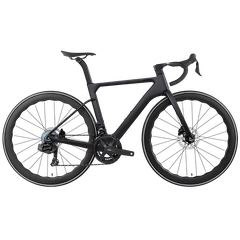
The road bike groupset refers to the collection of components responsible for a bicycle's drivetrain, shifting, and braking functions. It typically includes the shifters, derailleurs, crankset, cassette, chain, and braking system. A complete groupset is not a single component, but a combination of interconnected parts that must work together and remain fully compatible to achieve smooth and reliable shifting performance.
Main Functions of a Groupset:
Shifting: Allows riders to adapt to climbs, descents, and changing terrain conditions.
Braking: Provides control and confidence during high-speed riding and cornering.
Power Transfer: Efficiently transfers rider energy from the pedals to the rear wheel while minimizing power loss.

Components Included in a Road Bike Groupset
-
Shifters and Brake Levers:
Mounted on both sides of the handlebars, these integrated controls combine shifting and braking functions, serving as the rider's primary interface with the drivetrain. Modern designs focus on both comfort and shifting efficiency.
-
Front and Rear Derailleurs:
The front derailleur moves the chain between chainrings, while the rear derailleur controls cassette shifting and chain tension. Their performance directly affects shifting speed and riding smoothness.
-
Crankset and Chainrings:

Send Inquiry Now

Send Inquiry Now

Send Inquiry Now

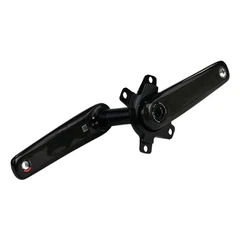
The crank converts pedaling force into drivetrain power. Different chainring combinations influence climbing ability, sprint performance, and cadence efficiency.
-
Cassette and Chain:
The cassette determines gear range, while the chain transfers power through the drivetrain. Wider-range cassettes improve climbing capability, while closer gear spacing provides smoother cadence transitions.
-
Rim Brakes vs Disc Brakes:
Rim brakes are lightweight and simple, while disc brakes offer stronger stopping power and better wet-weather performance. Most modern high-performance carbon road bikes now favor disc brake systems.

-
Bottom Bracket Compatibility:
The bottom bracket connects the crankset to the frame. Proper compatibility affects pedaling efficiency, frame stiffness, and long-term durability.
Major Brand Analysis
Shimano:
Shimano is known for smooth shifting, strong reliability, and a wide product range. From entry-level Claris to top-tier Dura-Ace Di2, Shimano groupsets are widely used across all levels of road cycling, offering a balance of performance and easy maintenance.
SRAM:
SRAM focuses on lightweight design and wireless electronic shifting technology. Its AXS system provides a clean cockpit layout, flexible customization, and crisp shifting performance with a modern riding feel.
Campagnolo:
Campagnolo is recognized for its premium craftsmanship and classic Italian styling. It offers a unique shifting feel and high-end aesthetics, though it comes with higher pricing, more limited compatibility, and increased maintenance costs
What Is The Best Road Bike Groupset?
Shimano is the most widely used road bike drivetrain brand, renowned for its reliable performance and readily available compatible replacement parts worldwide. SRAM is also very popular, especially in Europe and the US, known for its lightweight design and advanced wireless shifting systems. Campagnolo has a smaller market share, but its high-end Italian style and unique riding feel make it a top choice for cycling enthusiasts. The best groupset isn't always the most expensive; it should match your riding style, bike configuration, and budget.

Mechanical vs Electronic Groupsets
| Feature | Mechanical Groupsets | Electronic Groupsets |
| How It Works | Uses steel cables to move the derailleurs when shifting gears. | Uses electronic signals and motors to control gear changes. |
| Shifting Feel | More traditional and direct mechanical feedback. | Faster, smoother, and more precise shifting. |
| Adjustment | Requires regular cable adjustment over time. | Self-adjusting systems reduce tuning frequency. |
| Weight | Usually lighter on basic setups. | Slightly heavier due to batteries and motors. |
| Wireless vs Wired | Not applicable. | Wired systems use internal cables, while wireless systems provide cleaner cockpit layouts. |
| Best For | Beginners, commuters, and budget-focused riders. | Racers and performance-focused riders are seeking advanced technology. |
How to Choose the Right Road Bike Groupset
Choosing the right road bike groupset depends primarily on your budget and riding needs. Entry-level and mid-range groupsets from Shimano or SRAM offer reliable shifting and durability, making them ideal for everyday riding, training, and riders on a budget.
High-end groupsets are lighter, shift faster, and offer smoother drivetrain performance. They are better suited for riders who prioritize speed, climbing efficiency, and overall bike performance.
Furthermore, considering the compatibility of the groupset with your bike's frame, wheelset, and future upgrades is crucial. A well-matched groupset can improve shifting accuracy, riding efficiency, and the overall performance of a carbon fiber road bike.
Conclusion
A road bike groupset is far more than just a simple collection of components; it dictates the bicycle's performance on the road, specifically its acceleration, shifting, climbing capabilities, and responsiveness. From entry-level mechanical systems to advanced wireless electronic drivetrains, each groupset strikes a unique balance among weight, performance, durability, and overall ride feel
FAQ
Q: What is the best road bike groupset for beginners?
A: For beginners, entry-level and mid-range groupsets such as Shimano Tiagra, Shimano 105, or SRAM Rival are popular choices. They offer reliable shifting, durability, and good value for everyday riding and training.
Q: Is Shimano better than SRAM?
A: Both brands offer high-quality performance, but they have different riding characteristics. Shimano is known for smooth shifting and broad compatibility, while SRAM is often preferred for lighter weight and its wireless electronic systems. The best choice depends on personal preference and riding style.
Q: Are electronic groupsets worth it?
A: Electronic groupsets provide faster, more precise shifting and require less adjustment over time. They are especially beneficial for performance-focused riders, although mechanical systems still offer excellent reliability at a lower cost.
Q: How long does a road bike groupset last?
A: The lifespan depends on riding frequency, maintenance, and riding conditions. With proper care, a road bike groupset can last for many years, though components such as chains and cassettes may need periodic replacement.
Q: Can I upgrade my groupset without replacing wheels?
A: In many cases, yes. However, compatibility between the cassette, freehub body, brake system, and axle standard should always be checked before upgrading.