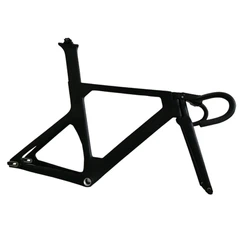
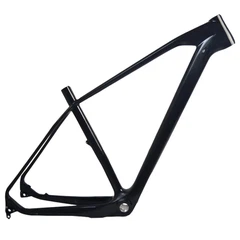
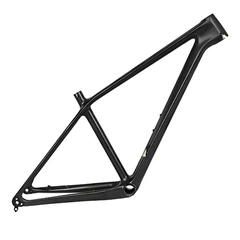
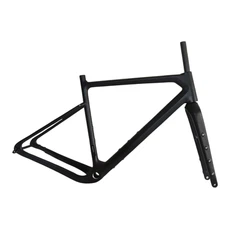




Choosing between different types of bike frames gets confusing fast because there is no single frame that works best for everyone. A frame that feels right for road riding may feel wrong on gravel, city streets, or rough trails. The difference is not only in the shape of the bike. It also comes from how the frame is built, what material it uses, and how it matches your riding habits. If you ride long distances, comfort and fit may matter more than low weight alone. If you ride mixed terrain, stability and tire clearance may become more important. This is why choosing a bike frame should start with your real use, not just the frame material or how the bike looks in photos.
Why Choosing the Right Bike Frame Matters
The right bike frame changes more than the look of the bike. It affects how comfortable you feel, how stable the bike handles, and how well the bike suits the kind of riding you actually do.
A frame that does not match your needs can feel wrong in ways that are easy to notice. You may feel too stretched, too upright, less controlled on rough ground, or simply uncomfortable after longer rides. Even a good material will not fix that if the frame type is wrong from the start.

It also affects long-term use.
If you choose the right bike frame, the bike is easier to enjoy and easier to use the way you want. If you choose the wrong one, the bike may still work, but it may never feel quite right. That is why frame choice should be based on riding purpose, fit, and real use, not only on appearance or trend.
Main Types of Bike Frames by Riding Purpose
Each bike frame type is designed around a different riding purpose, so it helps to compare them by how and where you plan to ride.
Road Bike Frames
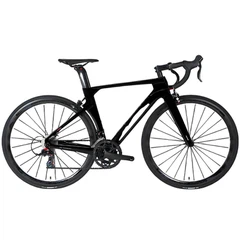
Road bike frames are made for paved roads, faster riding, and a more efficient position on the bike. They usually focus on lower weight, quicker handling, and a shape that supports speed and steady effort. If you mostly ride on smooth roads and care about climbing, training, or long paved rides, a road frame is often the most direct fit.
Mountain Bike Frames
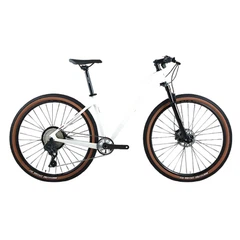
Mountain bike frames are built for rougher ground, trail riding, and more technical control. They are designed to handle uneven surfaces, impacts, and a more demanding riding environment. If your riding includes dirt, rocks, roots, or steep terrain, a mountain bike frame makes more sense than trying to force another frame type to do that job.
Gravel Bike Frames
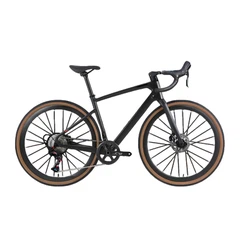
Gravel bike frames sit between road and mountain categories. They are made for mixed terrain, including pavement, dirt roads, loose gravel, and rougher backroads. A gravel frame usually gives you more tire clearance and a more stable feel than a road frame, while still staying efficient enough for long-distance riding.
Hybrid and Commuter Bike Frames
Hybrid and commuter bike frames are built for everyday practicality. They usually support a more relaxed riding position and are often a good choice for city riding, short trips, bike paths, and general daily use.
Touring Bike Frames
Touring bike frames are made for long-distance riding with more gear and more time in the saddle. If your goal is multi-day rides, carrying bags, or spending many hours on the bike, a touring frame is built for that kind of use.
Bike Frame Materials and How They Differ
The material of a bike frame changes more than the weight. It also affects ride feel, comfort, price, and the kind of riding the frame is best suited for.
Carbon Fiber Frames
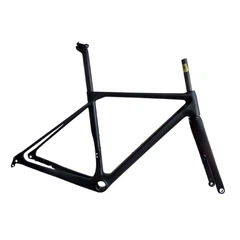
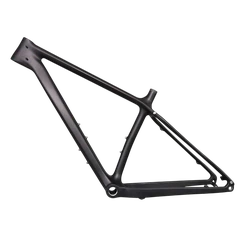
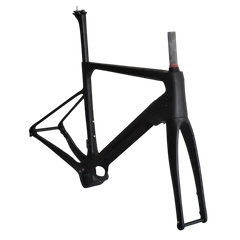
Carbon fiber frames are often chosen when lower weight and a more refined ride feel matter. They can be shaped more freely than many metal frames, which gives designers more control over stiffness, comfort, and overall performance. If you care about a lighter bike and a more advanced frame design, carbon fiber is often the material people look at first.

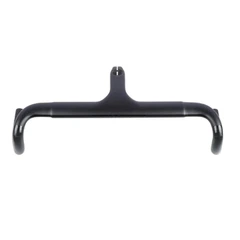
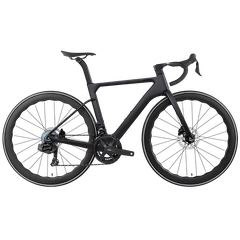
Carbon Fiber Road Frame
Send Inquiry Now
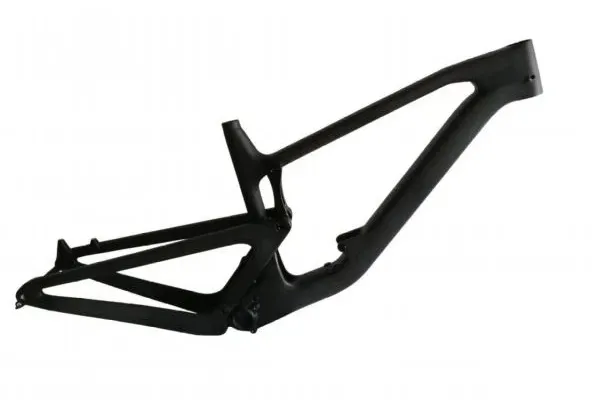
Carbon Fiber MTB Frame
Send Inquiry Now
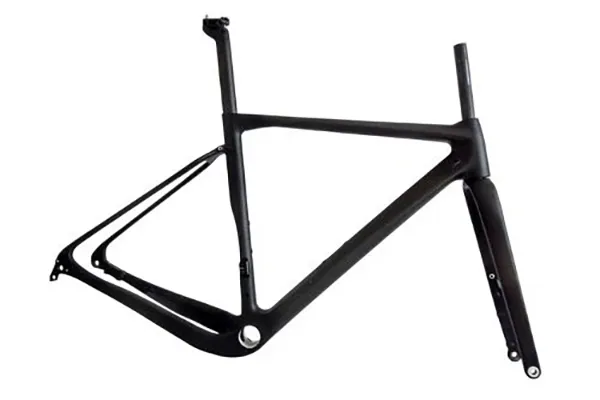
Carbon Gravel Frame
Send Inquiry Now
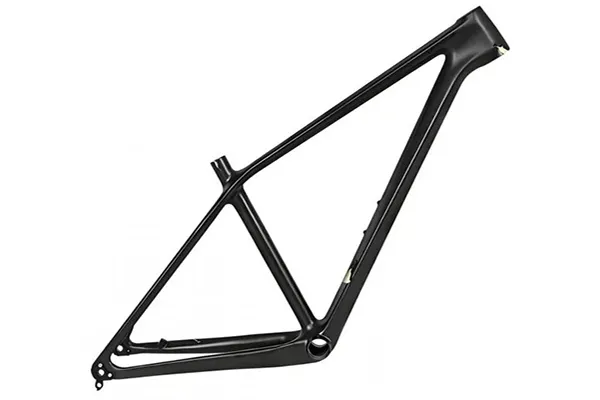
Carbon Fiber Frame BMX
Send Inquiry Now
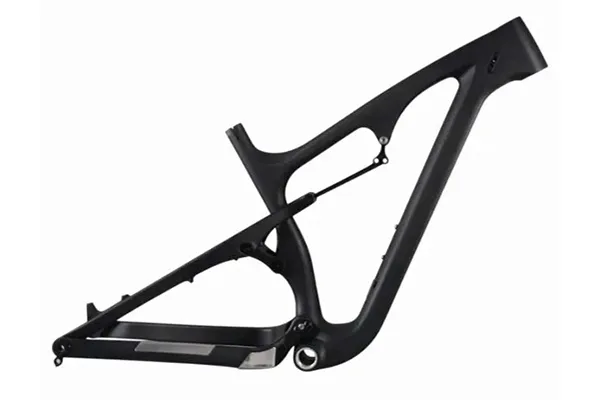
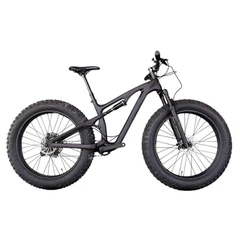
Carbon Fat Frame
Send Inquiry Now

Carbon E-bike Road Frame
Send Inquiry Now

Carbon Fat Bike Frame 26er
Send Inquiry Now

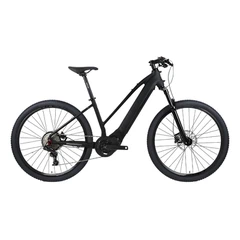
Carbon E-bike Frame MTB
Send Inquiry Now

Carbon E-bike MTB Frame
Send Inquiry Now
Aluminum Frames
Aluminum frames are common because they offer a practical balance of weight, price, and everyday performance. They are often lighter than steel and more affordable than carbon fiber or titanium. If you want a frame that feels responsive and works well for general riding without pushing the budget too far, aluminum is often a strong option.
Steel Frames
Steel frames are known for durability and a smoother ride feel. They are often heavier than carbon fiber or aluminum, but many riders still like them for comfort, stability, and long-term use. If you want a frame that feels steady and less harsh on rougher roads, steel may appeal to you.
Titanium Frames
Titanium frames are often seen as a premium option. They offer good durability, strong corrosion resistance, and a ride feel that many riders describe as smooth and lively. They are usually more expensive, so they are often chosen by riders who want long-term value and are willing to pay more for it.
In the end, the best frame material depends on what matters most to you in real riding.
Carbon vs Aluminum vs Steel vs Titanium Bike Frames
Here is a simple comparison of the four main bike frame materials.
|
Material |
Weight |
Ride Feel |
Durability |
Price |
Best For |
|
Carbon Fiber |
Very light |
Tuned, efficient, and refined |
High when used properly |
Higher |
Riders who want a lower weight and a more performance-focused design |
|
Aluminum |
Light |
Direct and responsive |
Good |
Lower to mid-range |
Riders who want practical performance at a lower cost |
|
Steel |
Heavier |
Smooth and stable |
Very good |
Low to mid-range |
Riders who value comfort and long-term reliability |
|
Titanium |
Light to medium |
Smooth and lively |
Excellent |
High |
Riders who want premium long-term value |
No material is best for everyone. The better choice depends on how you ride, how much you want to spend, and what kind of ride feel matters most to you.
How to Choose the Right Bike Frame Based on Riding Style
The easiest way to choose a bike frame is to start with how you really ride. If most of your riding is on paved roads and you care about speed, a road bike frame is usually the right direction. If you spend more time on dirt, trails, and rough ground, a mountain bike frame will make more sense because it is built for control and tougher conditions.

If your riding is mixed, the answer is often different.
A gravel frame works well when you move between pavement, gravel roads, and rough backroads. A hybrid or commuter frame is usually better if your rides are shorter, more casual, or mostly around town. If you plan to ride long distances with bags or more gear, a touring frame is often the more practical choice.
The key is to choose for your normal riding, not your occasional riding. A frame that matches what you do most often will usually feel better, work better, and be easier to live with over time.
Frame Geometry and Fit Basics
A bike frame can be made from a great material and still feel wrong if the geometry does not suit you. Fit affects comfort first, but it also affects control, confidence, and how efficient the bike feels when you ride.
Frame size is the starting point.
But size alone is not enough. Reach, stack, top tube length, and head tube height all change your riding position. Some frames put you lower and longer for a faster, more aggressive feel. Others keep you more upright for comfort and easier control.
This matters more than many riders expect.
If the frame is too long, too short, too tall, or too low, the bike may feel awkward even if the material and frame type are right. You may feel stretched, cramped, or uncomfortable after longer rides.
That is why fit should not be treated as a small detail. When you compare bike frames, look at geometry as closely as you look at material or price. A frame that fits well will almost always feel better to ride than one that only looks right on paper.
What to Consider Before Buying a Bike Frame
A frame may look good on paper, but the better choice usually comes from how well it matches your real riding needs.
Weight
Weight matters, but not in the same way for every rider. If you climb a lot or care about a quicker bike feel, lower frame weight may be more important. If your riding is casual or short, weight may matter less than comfort or price.
Purpose
Start with the main job of the bike. Are you building it for road riding, commuting, gravel, touring, or trail use? A frame that works well for one purpose may feel wrong for another.
Riding Area
The surfaces you ride on should guide your choice. Smooth roads, mixed terrain, city streets, and rough trails all ask different things from a frame. Riding area often matters just as much as frame material.

How Often You Ride
If you ride often, comfort, durability, and long-term fit become more important. A frame for daily use should be easy to live with, not just impressive at first glance.
Budget
Your budget affects more than material. It also affects frame quality, finish, design detail, and overall product level. A more expensive frame is not always the better choice if it does not match your real use.
Fit Still Comes First
This is the point many riders underestimate. If the frame does not fit you well, the rest of the decision becomes less useful. A better-fitting frame usually gives you more comfort and better control than a more expensive frame with the wrong size or geometry.
Are Carbon Fiber Bike Frames Worth It?
A carbon fiber bike frame is usually worth it when you can actually benefit from what it changes. The biggest gains are often lower weight, a more refined ride feel, and more control over frame design. That matters more if you ride long distances, climb often, care about bike response, or want a frame built more closely around performance.
It is not always the smartest choice, though.
If your riding is mostly short, casual, or budget-driven, aluminum or steel may give you better value. You may spend less and still get a frame that fits your real use very well. Carbon fiber makes more sense when you ride enough to notice the difference, not simply because it sounds more advanced.
FAQ
Q: Does frame material change bike maintenance?
A: It can. Different materials may come with different long-term care expectations, but in most cases, frame type, fit, and real use matter more than small maintenance differences when choosing a bike frame.
Q: Is a lighter frame always better?
A: Not always. Lower weight can be useful, but comfort, fit, and frame purpose usually affect the real riding experience more than weight alone.
Q: Can carbon fiber bike frames be customized more easily than metal frames?
A: Carbon fiber often gives more design freedom in shaping and structural tuning, which can support a wider range of custom frame ideas. That does not always make the project simpler, but it can make more design options possible.
Q: Can a carbon fiber bike frame be customized?
A: Yes. A carbon fiber bike frame can be customized in several ways, depending on the project. Common options include frame geometry, surface finish, logo placement, paint style, cable routing, and other design details.
Conclusion
Choosing a bike frame becomes easier when you focus on the factors that actually affect long-term use. Frame type, material, geometry, fit, and budget all matter, but they do not matter in the same order for every rider. In most cases, the better decision comes from knowing what you need the bike to do, how often you ride, and what kind of position and handling feel you want from the frame.
A good frame is not just the lightest one or the most expensive one. It is the one that fits your body, your riding habits, and your real expectations. If you are developing a carbon bike frame project and need support with custom geometry, finish options, or OEM and ODM production, Carbon World can help you build a frame around actual product goals rather than generic market trends.