
Did you know that choosing the wrong ankle-foot orthosis (AFO) can actually delay rehabilitation rather than improve mobility? A suitable AFO can change your gait, helping you walk naturally and comfortably again. It's more than just a medical device; it's a tool for restoring confidence, stability, and independence.
From different types of AFOs to comparisons of materials like carbon fiber versus plastic AFOs, and even how to choose between custom and pre-made models, this guide will help you find the right ankle-foot orthosis for your needs, whether you are a patient, caregiver, or distributor.
What Is an Ankle Foot Orthosis
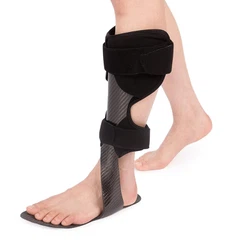
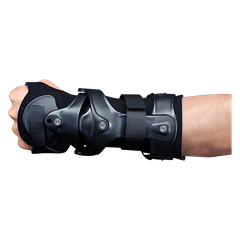
An AFO is a wearable medical device designed to support the ankle and foot. It helps control movement, improves stability, and assists in proper walking patterns. AFOs are commonly used to treat foot drop, post-stroke sequelae, and neuromuscular disorders.
An AFO stabilizes the lower leg by fixing the ankle in a specific position. This prevents unnecessary movement, improves foot clearance during walking, and reduces the risk of tripping.

Why Choose a Carbon Fiber AFO?
Choosing carbon fiber AFO is driven by its outstanding overall performance in terms of weight, support, walking experience, and wearing comfort. Compared to traditional plastic orthoses, carbon fiber AFOs are lighter yet stronger, offering excellent elasticity and energy return that helps improve foot drop, correct mild ankle inversion or eversion, and stabilize the ankle joint. This results in a more natural and smoother gait while significantly reducing leg fatigue during walking.
At the same time, the material's slim and contoured design ensures a more discreet fit, making it easier to pair with a wide range of everyday footwear. It is less likely to cause pressure points or discomfort, providing a more comfortable wearing experience. In addition, carbon fiber is highly durable and resistant to deformation or aging, delivering better long-term value.
Overall, carbon fiber AFOs are especially suitable for individuals who require daily mobility, extended walking, and higher standards in comfort, appearance, and functional performance.

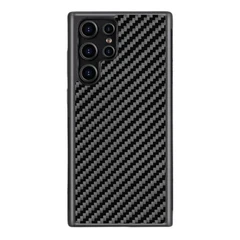
Carbon Fiber AFO Brace
Send Inquiry Now

Carbon Fibre Afos
Send Inquiry Now

Spiral Carbon Fiber Afo
Send Inquiry Now
Carbon Fiber AFO vs Plastic AFO
|
Feature |
Carbon Fiber AFO |
Plastic AFO |
|
Weight |
Ultra-lightweight, reduces walking fatigue |
Heavier, may feel bulky over time |
|
Strength |
High strength-to-weight ratio, maintains shape under stress |
Moderate strength, may deform with repeated use |
|
Flexibility |
Dynamic flexibility with energy return |
Mostly rigid, limited flexibility |
|
Walking Experience |
Natural, smooth, and energy-efficient gait |
Stiffer movement, less natural gait |
|
Comfort |
Slim profile, better fit, fewer pressure points |
Bulkier items may cause rubbing or discomfort |
|
Durability |
Excellent fatigue resistance, long lifespan |
Prone to cracking or deformation |
|
Appearance |
Sleek, modern, low-profile design |
Thicker and more noticeable |
|
Customization |
Ideal for high-performance and custom solutions |
Common in standard prefabricated designs |
|
Cost |
Higher upfront cost, better long-term value |
Lower initial cost, may need replacement |
|
Best For |
Active users, long-term wear, performance needs |
Basic support, short-term use |
Types of Carbon Fiber AFOs
Posterior Leaf Spring (PLS) AFO
This type of AFO features a thin and flexible posterior design, allowing controlled ankle movement while providing dorsiflexion assistance. It is well-suited for patients with mild drop foot who still retain some muscle control. Lightweight and responsive, it helps promote a more natural walking pattern.
Dynamic Carbon Fiber AFO
This design is engineered for energy return, storing and releasing energy during the walking cycle. Compared to traditional plastic orthoses, it feels more responsive and efficient, making it an ideal choice for active users seeking smoother and more dynamic movement.
Solid Carbon Fiber AFO
This type is typically used for patients who require strong stability and support, such as those with severe muscle weakness or neurological conditions. It limits ankle movement to maintain proper alignment and reduce strain.
Anterior Shell Carbon Fiber AFO
Featuring a front support structure, this design enhances ground reaction force and improves knee stability. It is commonly recommended for users who need additional forward support during walking.
Custom Carbon Fiber AFO
Tailored to individual anatomy and clinical requirements, custom AFOs provide the best fit and performance. For clinics and distributors, customized solutions also help improve patient outcomes and ensure consistent product quality.
Key Factors When Choosing the Right AFO
Weight
The lighter AFO helps reduce fatigue, especially for all-day wear. Carbon fiber AFOs are noticeably lighter than traditional plastic braces, making walking feel more natural and comfortable.
Stiffness and Flexibility
Achieving the right balance between support and mobility is essential. Rigid AFOs provide maximum stability for patients with more severe conditions, while flexible or dynamic designs allow active users to maintain a smoother and more natural gait.
Fit and Comfort
An ill-fitting AFO can lead to pressure points, skin irritation, and discomfort. Proper contouring, padding, and alignment ensure that the orthosis provides support without causing pain, especially during long-term use.
Activity Level
Different activities, such as daily walking, rehabilitation, or high-intensity movement, require different performance levels. Active users benefit from responsive materials that support movement without restricting it.
Durability and Material Choice
Materials directly impact both lifespan and performance. Carbon fiber offers excellent fatigue resistance and maintains its structural integrity over time, while lower-grade materials may deform with repeated use.
How Carbon Fiber Improves Gait Efficiency
Carbon fiber AFOs are designed to store and release energy with every step. The material slightly flexes when the foot strikes the ground and then rebounds upon push-off, aiding the user in taking a step forward. This energy rebound creates a smoother, more natural walking pattern and reduces the effort required for movement.
The unique feature of carbon fiber lies in its ability to balance stiffness and controlled flexibility. It adapts to different walking speeds and conditions, providing support without restricting movement. For users seeking greater mobility, comfort, and long-term performance, carbon fiber ankle-foot orthoses offer a more efficient and agile walking experience.
OEM & Custom Carbon Fiber AFO Solutions
Every patient is different, whether in gait pattern, muscle strength, or activity level. OEM and custom carbon fiber ankle foot orthosis (AFO) solutions are designed to match these variables. From initial concept to final production, the focus is always on delivering precise support where it matters most.
Flexible Customization Options
Structural stiffness (to meet different support levels)
Shape and contour (based on patient anatomy)
Surface finishes (UD, 3K, matte, gloss)
Branding and private label options
Carbon fiber AFOs undergo strict testing to ensure durability under repeated stress. High fatigue resistance, structural integrity, and consistent performance make them suitable for long-term daily use, helping reduce replacement frequency and overall cost of ownership.
Conclusion
Choosing the right ankle foot orthosis (AFO) is not just about adding support-it directly impacts mobility, comfort, and long-term rehabilitation outcomes. A carefully selected AFO can improve gait efficiency, reduce fatigue, and make daily activities more natural and stable.
An ideal AFO should strike the right balance between comfort, support, and durability in real-world use. For those seeking a more advanced solution, carbon fiber ankle foot orthoses offer a practical way to enhance mobility and overall user satisfaction.
FAQ
Q: What is the best AFO for foot drop?
A: The best AFO for foot drop depends on the severity of the condition and activity level. For mild to moderate cases, dynamic or carbon fiber AFOs are often preferred because they provide lightweight support while allowing a more natural walking motion. For more severe instability, a rigid AFO may offer better control and safety.
Q: Are carbon fiber AFOs worth it?
A: Yes, for many users, they are. Carbon fiber AFOs are lighter, more durable, and provide better energy return compared to traditional plastic braces. This can improve walking efficiency and reduce fatigue, especially for long-term daily use.
Q: How long does a carbon AFO last?
A: A carbon fiber AFO typically lasts several years, depending on usage, activity level, and care. Thanks to its excellent fatigue resistance, it maintains performance longer than many plastic alternatives, making it a reliable long-term solution.
Q: Can AFO be customized?
A: Yes, AFOs can be fully customized to match individual needs. Customization can include fit, stiffness, size, and design, ensuring better comfort, support, and performance. This is especially important for patients with specific medical conditions or unique gait requirements.
Q: Is carbon fiber safe for long-term use?
A: Carbon fiber is widely used in medical and high-performance applications due to its strength, stability, and durability. When properly designed and fitted, carbon fiber AFOs are safe for long-term use and provide consistent support over time.