






Why Do Carbon Fiber Bikes Require Specialized Maintenance?
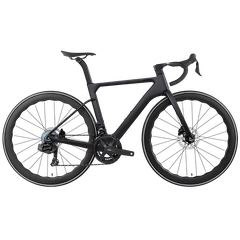
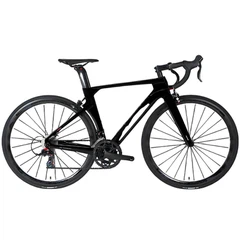
In high-performance cycling, carbon fiber bikes have become a top choice thanks to their lightweight construction, high strength, and exceptional stiffness. This advanced material delivers a smoother riding experience while offering excellent fatigue resistance for long-term use.
However, carbon fiber behaves differently from metal. It is more sensitive to sharp impacts, chemical exposure, and high temperatures. If maintained using the same methods as aluminum or steel bikes, it can easily develop hidden damage, reduce frame lifespan, and even compromise riding safety.
So, how should you properly care for a carbon fiber bike? This guide will walk you through the essential maintenance practices to help keep your bike performing at its best.

Routine Basic Inspection:
Comprehensive Visual Inspection Of The Frame
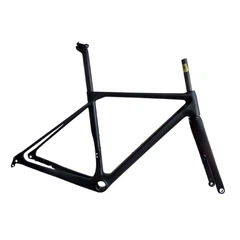
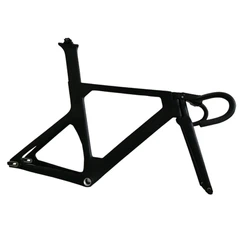
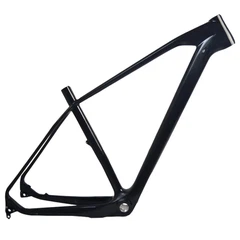
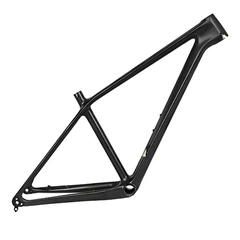
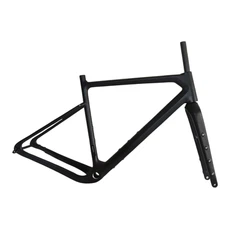
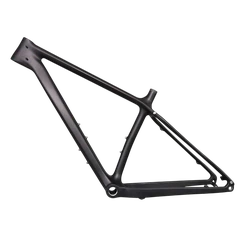
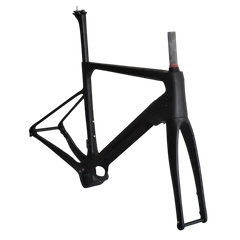
Start with a careful, full-frame check under good lighting. Look along the top tube, down tube, bottom bracket area, and rear stays for hairline cracks, chips, or surface irregularities. Pay close attention to high-stress zones such as the head tube junction and seat stays, where impacts or fatigue are more likely to appear. Unlike metal, carbon fiber does not bend before failing, so even small visual changes can signal deeper issues. Gently run your hand along the frame to feel for uneven surfaces or soft spots, which may indicate internal damage. Keeping the frame clean makes these inspections easier and more accurate.
Inspection Of Core Components For Tightness And Proper Fit
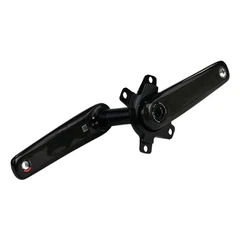
Check that all key components, including the handlebars, stem, seatpost, crankset, and wheels, are securely fitted. Use a torque wrench to ensure bolts are tightened to the manufacturer's specifications, avoiding over-tightening that could damage carbon parts. Inspect the wheel alignment to ensure there is no unusual movement or noise when spinning. Verify that the seatpost is properly inserted and that the stem and handlebars are aligned correctly. Regular checks like these help maintain stability, improve safety, and ensure your bike continues to perform as intended on every ride.

Immediate Post-Ride Cleaning:
Core Cleaning Principles
The surface resin of a carbon fiber frame is highly sensitive to chemicals and aggressive friction. Recommended cleaning tools include soft brushes (such as wool brushes or soft nylon brushes), a slightly damp cotton cloth, neutral bike-specific cleaners, and clean water. These gentle tools and products effectively remove dirt while providing maximum protection for the carbon fiber surface.
Step-by-Step Cleaning Process
Step 1: Let the Bike Cool Down
After riding, the frame may retain heat due to friction. Let the bike rest for 10–15 minutes until it returns to ambient temperature before cleaning. Avoid exposing a hot frame to cold water, as sudden temperature changes may cause micro-cracks in the carbon layers.
Step 2: Remove Dirt from Gaps and Components
Use a soft brush to gently remove dirt and debris from frame joints, bolt holes, and wheel spokes. This prevents particles from scratching the surface during wiping. Then, use a cotton cloth with a neutral bike cleaner to gently wipe the frame, wheels, and cockpit areas. Apply light pressure and avoid repeated scrubbing.
Step 3: Rinse and Dry
Rinse the bike with clean water to remove any remaining cleaner, preventing long-term residue from affecting the surface. Then dry the bike with a clean cotton cloth, paying special attention to joints, bolt holes, and bearings to avoid moisture buildup and corrosion.
Step 4: Air Dry Properly
Place the bike in a cool, well-ventilated area to dry naturally. Avoid direct sunlight, hair dryers, or heat sources, as high temperatures can accelerate resin aging, causing discoloration and brittleness in the carbon structure.
In-Depth Maintenance of Specialized Components
Carbon Fiber Frame Care
The frame is the core of the bike, and carbon fiber frame maintenance focuses on daily protection and minor damage control to prevent issues from worsening.
Regular waxing is a simple and effective way to protect the frame. Use a carbon fiber–specific wax after cleaning and fully drying the surface. Apply evenly with a soft cloth, then polish once dry. This creates a protective layer that helps prevent scratches and reduces long-term UV damage.
For scratches, light surface marks (limited to the paint layer) can be treated with a polishing compound. If the damage reaches the carbon layer or if cracks appear, stop using the bike immediately and consult a professional repair service to avoid compromising structural integrity.
Wheelset and Drivetrain Maintenance
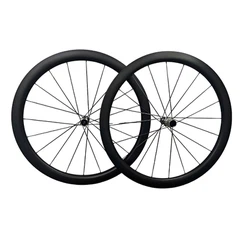
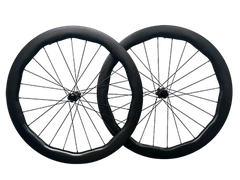
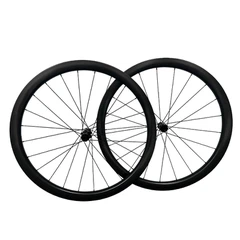
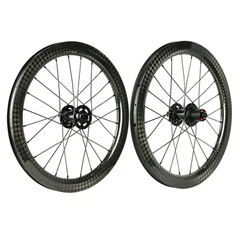
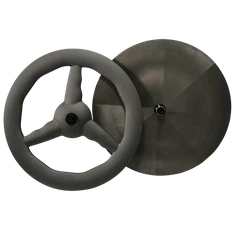
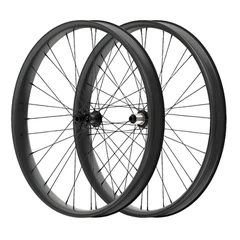
Carbon wheelsets are sensitive to impact and heat. Avoid sudden braking and prolonged braking on descents to prevent overheating, which may lead to delamination or reduced performance. Also, avoid side impacts and keep wheels away from hard surfaces during storage.
When cleaning, avoid the brake track to prevent residue from affecting braking performance. Always use carbon-specific brake pads, as metal pads can cause severe wear.
For the drivetrain, regular cleaning and lubrication are essential. Remove dirt and debris from the chain and cassette, then apply lubricant in moderation to prevent excess oil from contaminating the frame. Check chain wear and tension regularly, and replace it when necessary to maintain efficiency and reduce wear on other components.
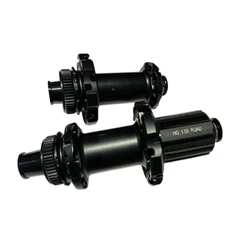
Hub bearings should also be inspected periodically. If you notice noise or rough rotation, service them promptly to maintain smooth wheel performance.
Handling Component Maintenance
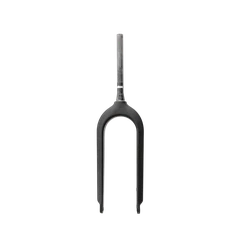
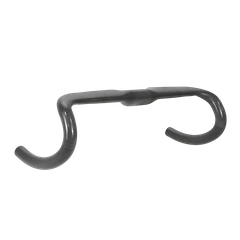
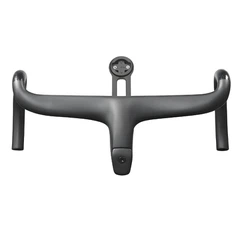
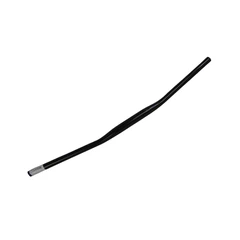
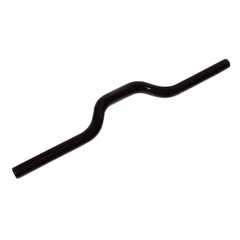
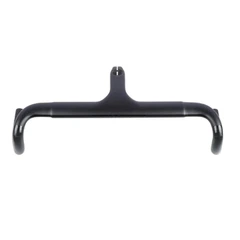
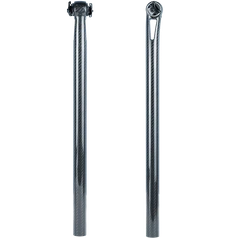
Carbon handlebars and seatposts should be protected from excessive bending and external pressure during use and storage. Avoid placing heavy objects on these components.
Regularly check all clamping points and tighten them using a torque wrench according to recommended specifications. Over-tightening can cause damage or thread stripping. Once carbon components are stripped, they are difficult to repair and usually require replacement.
Grips and handlebar tape are wear items and should be kept clean and replaced when necessary. Sweat and salt can accelerate material degradation, while worn or loose tape can affect both comfort and riding safety.
Carbon Fiber Bicycle Maintenance: What to Avoid
Avoid impact and sharp contact:
Never strike the frame with hard objects or allow sharp items to contact the carbon surface. Even minor impacts can cause hidden cracks that may grow over time and compromise structural strength.
Do not overtighten bolts:
Carbon fiber components have limited tolerance for excessive torque. Over-tightening can cause internal layer damage or cracks that are often not visible but can seriously affect riding safety.
Keep away from high heat, flames, and chemicals:
High temperatures and open flames can soften or degrade the resin, while chemical solvents (such as gasoline, acetone, strong acids, and alkalis) can corrode the surface and accelerate material aging.
Do not modify the frame by sanding or drilling:
Carbon frames are precisely engineered. Unauthorized sanding or drilling can weaken the structure, create uneven stress distribution, and increase the risk of failure.
Avoid prolonged heavy loading during storage:
Leaving heavy loads on the frame for extended periods can lead to deformation over time, negatively affecting performance and lifespan.

Emergency Treatment for Injuries
During riding or routine inspections, if any damage is found on the bike, it should be addressed promptly based on its severity. This helps prevent minor issues from developing into major safety risks and ensures safe riding.
If there are only minor paint chips or superficial scratches that do not reach the carbon fiber layer, they can be repaired using a carbon fiber touch-up pen. Before repair, clean and dry the affected area thoroughly. After applying the paint, gently polish it with a soft cloth and apply protective measures to isolate the area from air and dust, preventing moisture and corrosion.
If cracks or bulges are observed on the frame or components, stop riding immediately. These are considered structural damages, and continued use may worsen the condition or even lead to frame failure, posing serious safety risks. In such cases, document the damage with photos and send the bike to a professional carbon fiber repair service for inspection. Qualified technicians will assess the severity and provide appropriate repair solutions. Avoid using glue or tape for temporary fixes, as this may compromise proper repair.
If components show thread stripping or looseness, do not forcefully tighten them. Over-tightening can further damage carbon parts or cause cracking. Instead, replace with proper components and have them installed and adjusted by professionals to ensure safety and reliability.
Conclusion:
Maintaining a carbon fiber bicycle need not be a complex or tedious task; the core principles are simply "carefulness, gentleness, and consistency." It does not require a significant investment of time or energy; rather, by performing basic checks before each ride, cleaning the bike promptly after riding, conducting periodic specialized maintenance, and avoiding common maintenance pitfalls, you can effectively prevent hidden damage and extend the lifespan of your bicycle.
FAQ
Q: Can carbon fiber bikes get wet?
A: Yes, carbon fiber bikes can get wet without any problem. The material itself is not affected by water. However, after riding in wet conditions, it's important to dry the bike thoroughly and check components such as bearings, bolts, and other metal parts to prevent corrosion or wear.
Q: How long do carbon fiber bikes last?
A: The lifespan depends on usage frequency, riding conditions, and the quality of regular maintenance. Routine inspections help ensure long-term performance and safety.
Q: Are carbon rims easy to damage?
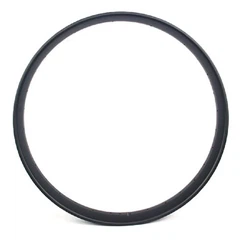
A: Not necessarily. High-quality carbon rims are designed with excellent strength and impact resistance. However, unlike metal, carbon fiber does not gradually deform; instead, it may fail suddenly under severe impact. Proper use and consistent maintenance are key to ensuring durability.
Q: Can carbon frames be repaired?
A: Yes, carbon fiber frames can typically be repaired by specialized technicians. Minor cracks or damage can be fixed using composite repair techniques, restoring structural integrity without the need to replace the entire frame.
Q: Do carbon bikes require special tools for maintenance?
A: Yes, certain tools are recommended. A torque wrench is essential to prevent over-tightening bolts, which can damage carbon components. Using the correct tools helps ensure safety and maintain optimal performance.


