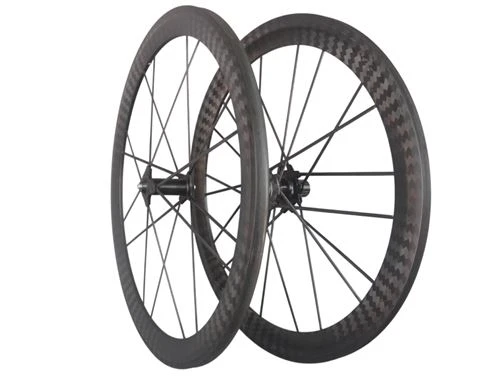
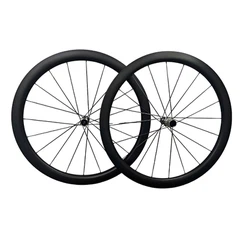

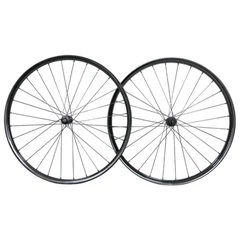
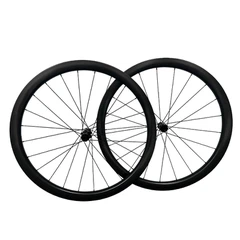
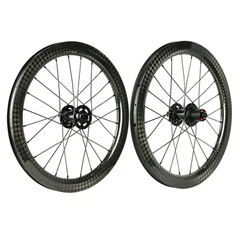
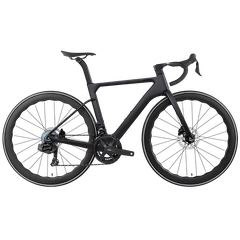
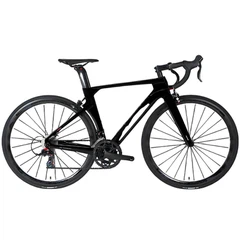
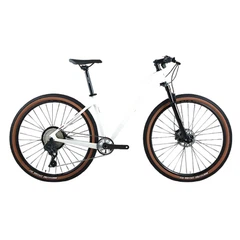
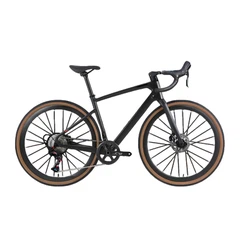





Bicycle spokes, though seemingly small and ordinary, play a crucial role in connecting the hub to the rim, transmitting riding power, and distributing forces within the wheel. They not only impact the strength and durability of the wheel but also directly influence riding comfort and handling. Correctly selecting and installing spokes not only improves wheel efficiency and stability but also significantly extends its lifespan, ensuring a smoother and safer riding experience.
Key Takeaways
Bicycle spokes may be small, but they play a key role in how a wheel performs. They link the hub to the rim, maintain tension, and keep the wheel true and stable while riding.
Different types of spokes bring different characteristics. Round spokes are widely used and easy to maintain. Bladed spokes can help reduce wind resistance at higher speeds. Straight-pull spokes are designed to lessen stress at the hub. Carbon fiber spokes appear in some high-end wheelsets, offering lower weight and increased stiffness.
In the end, a well-built wheel depends on more than just the spokes. Tension, lacing pattern, hub design, rim strength, and build quality all contribute to overall performance.
Spoke Materials
Material is the core factor that determines spoke performance, and different materials directly affect the strength, weight, durability, and overall riding experience of a wheelset.
Stainless Steel Spokes
Stainless steel spokes feature excellent corrosion resistance and are widely used. They combine strength and durability, making them suitable for a variety of riding scenarios with reliable performance and high cost-effectiveness. However, stainless steel spokes are relatively heavy, which may be a drawback for riders seeking extreme lightweight performance.

Aluminum Spokes
Aluminum spokes are lighter than stainless steel, effectively reducing wheel weight. However, their strength is slightly lower, and prolonged use under high stress can lead to fatigue, making them less ideal for high-stress riding conditions.
Titanium Spokes
Titanium spokes are both lightweight and strong, with excellent corrosion resistance. The material's natural elasticity provides a smoother riding experience, making wheels more stable on long rides or rough terrain while enhancing comfort and handling.
Carbon Fiber Spokes
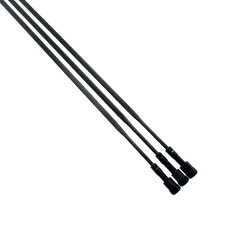
Carbon fiber spokes are known for their ultra-light weight and high stiffness, delivering fast response and optimized for maximum aerodynamic efficiency and high-performance riding. They are commonly used in road bikes and triathlon racing wheelsets, enabling lightweight, high-strength, and direct power transfer, significantly improving acceleration, climbing efficiency, and wheel responsiveness.
CarbonWorld's carbon fiber spokes are renowned for their exceptional stiffness and ultra-lightweight construction, significantly enhancing wheel responsiveness and acceleration. While maintaining high strength and stability, they also effectively absorb road vibrations, improving comfort during long rides and making every pedal stroke smoother and more efficient.


Bicycle Spokes Of Different Shapes
J-Bend Spokes
J-bend spokes are the most widely used type of bicycle spokes. The ends are bent at a 90-degree angle to hook directly into the hub flange, making installation simple and compatible with most traditional wheelsets. These spokes offer durability, reliability, and ease of replacement, making them ideal for daily commuting, touring, or recreational cycling.

Straight-Pull Spokes
Straight-pull spokes run directly from the hub to the rim without bending. This design reduces stress at the hub flange, enhancing long-term wheel durability. Straight-pull spokes are commonly used in high-performance wheelsets, offering greater stiffness and responsiveness.

Bladed (Aero) Spokes
Bladed or aero spokes feature a flattened or ovalized midsection to reduce air resistance and improve aerodynamic efficiency at high speeds. These spokes are ideal for road racing, triathlon, and time-trial wheelsets, where minimizing drag is critical.
Spoke Lacing Patterns

Radial Lacing (0x)
Spokes run directly from the hub to the rim without crossing each other. This lacing pattern uses the shortest spoke length, resulting in the lightest wheelset, but the structural strength is relatively lower. It is typically used on the front wheels of rim-brake road bikes or the non-drive side of rear wheels.
Cross Lacing
2-Cross: Each spoke crosses two adjacent spokes, enhancing wheel stiffness and torque resistance.
3-Cross: Each spoke crosses three adjacent spokes, providing higher strength and stability. This pattern is commonly used on mountain bikes or wheels that require greater durability.
2:1 Lacing
The number of spokes on the drive side to the non-drive side is in a 2:1 ratio. This pattern is used on the rear wheels of road bikes to balance the asymmetric forces generated by the drivetrain, improving overall wheel strength and performance.
Spoke Tension
Spoke tension is a key factor affecting wheel strength, stability, and overall ride quality. Proper tension ensures the wheel maintains its shape under dynamic loads while efficiently transferring pedaling power. For most wheelsets, the standard spoke tension ranges from 120–130 kgf, unless specific components have pressure limits. It is essential to keep tension consistent across all spokes and follow stress-relief and proper wheel-building procedures to achieve optimal performance.

Hole Count
Hole count refers to the number of spoke holes on the hub and rim. It affects wheel weight, strength, stiffness, and repair needs.
A lower spoke count can reduce weight and improve the clean look of a performance wheel. A higher spoke count can spread load across more spokes, which is useful for heavier riders, rough roads, touring bikes, and cargo bikes.
The right hole count should match the rim design, hub structure, rider weight, and riding conditions. It should not be chosen by weight alone.
Common Spoke Counts for Different Riding Styles
| Riding Style | Common Spoke Count | Main Reason |
|---|---|---|
| Road Racing | 20–24 spokes | Lower weight and cleaner aerodynamics for fast road riding. |
| Time Trial / Triathlon | 20–24 spokes | Focuses on speed, airflow, and steady high-speed riding. |
| Gravel Riding | 24–28 spokes | Balances weight, strength, and support on mixed road surfaces. |
| Mountain Biking | 28–32 spokes | Handles impact, lateral force, and rough trail conditions better. |
| Touring Bikes | 32–36 spokes | Supports luggage weight and long-distance riding needs. |
| Cargo Bikes / Heavy-Duty Wheels | 36–40+ spokes | Spreads heavier loads across more spokes for better durability. |
| Daily Commuting | 28–32 spokes | Offers a practical balance of strength, cost, and easy maintenance. |
How to Choose the Right Spoke
Road Bikes
Blade spokes or carbon fiber spokes are ideal for road bikes, reducing air resistance and increasing speed. Their stiffness and efficient power transfer make them suitable for competitive racing, time trials, and triathlons.
Mountain Bikes
Sturdy J-bend spokes or carbon fiber spokes are better suited for mountain biking, capable of withstanding rough terrain, impacts, and high lateral forces while maintaining the wheel's structural integrity.
Gravel and Touring Bikes
Balanced carbon fiber spokes excel on gravel and touring bikes, offering a balance of lightness and durability. They ensure wheel durability while maintaining flexibility and responsiveness over diverse terrain.

How to Maintain Bicycle Spokes
Maintaining bicycle spokes is crucial for maintaining wheel strength and a safe and smooth ride. Simple routine maintenance can effectively extend the life of your wheels and reduce the risk of damage.
Daily Inspection
Regularly inspect spokes for bends, cracks, or corrosion, focusing on the J-spoke bends and the thin section of the tapered spokes as stress concentration areas, especially after long rides or on rough roads.
Inspect the spoke nuts and hub joints to ensure they are not loose or rusted.
Cleaning
Keep spokes and nuts clean, removing dirt, dust, and debris.
A clean wheel facilitates visual inspection of spoke condition and reduces corrosion and wear.
Lubrication
Apply a generous amount of lubricant to the spoke threads to prevent rust and facilitate tension adjustment.
Lubrication also keeps wheel components running smoothly and improves overall durability.
Choosing the right spoke material, shape, weave, and hole count directly impacts the wheel's strength, weight, durability, and riding experience. By optimizing wheel construction and maintaining it regularly, riders can enjoy a smoother ride, faster acceleration, and more stable handling.
Conclusion
Bicycle spokes may look simple, but small differences can change how a wheel feels and holds up over time. The right spoke should match the load, riding surface, spoke tension, and wheel purpose. A spoke for a fast road wheel does not need the same design as one used for gravel, touring, or heavier daily riding.
When comparing spoke types, do not judge only by material or appearance. Check how the spoke connects to the hub, how it fits the rim, and whether it can be maintained or replaced when needed.
Carbon World provides carbon fiber spokes for performance wheel applications. If you need carbon spokes for a new wheel design or OEM project, contact us to discuss specifications, compatibility, and sample details.
FAQ
Q: What is the main job of bicycle spokes?
A: Bicycle spokes connect the hub and rim. They help hold wheel tension, support rider weight, and keep the wheel round while riding.
Q: Which type of bicycle spoke is the strongest?
A: The strongest spokes are typically high-strength steel spokes or reinforced carbon fiber spokes. Steel spokes are durable and reliable, suitable for everyday riding, while carbon fiber spokes are stiff and lightweight, making them ideal for performance wheels.
Q: Are bladed spokes better than round spokes?
A: Blade spokes reduce aerodynamic drag, increasing speed and efficiency, making them ideal for road racing and triathlons. Round spokes offer a simpler construction and easier maintenance, as well as greater durability over rough terrain or when carrying heavy loads.
Q: What are the advantages of carbon fiber spokes over steel or aluminum?
A: Carbon fiber spokes are extremely lightweight and highly rigid, enabling direct power transfer, improving acceleration, climbing, and overall riding responsiveness. They also absorb road vibrations better than steel or aluminum, improving comfort over long rides.
Q: Why do spokes need proper tension?
A: Proper tension helps the wheel stay true and stable. If the tension is too low or uneven, the wheel may flex more, loosen faster, or become harder to adjust.
Q: Do front and rear wheels use the same spokes?
A: Not always. Rear wheels often have different spoke lengths or tension because of the cassette side. Disc brake wheels may also need different spoke arrangements.
Q: What happens if spoke tension is uneven?
A: Uneven tension can make the wheel less stable. It may also cause loose spokes, rim wobble, noise, or faster fatigue over time.