



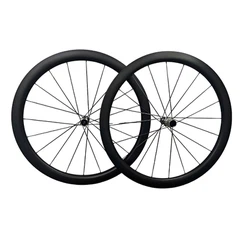

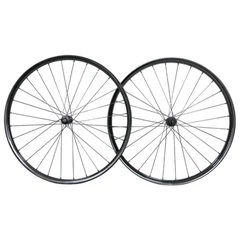
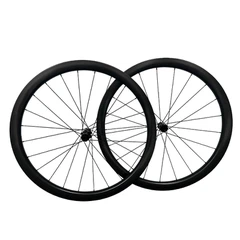
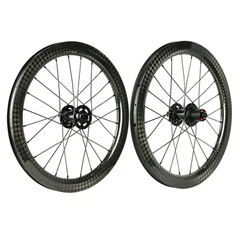

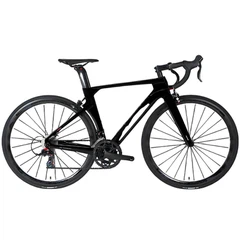
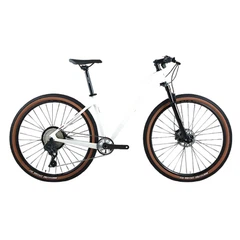
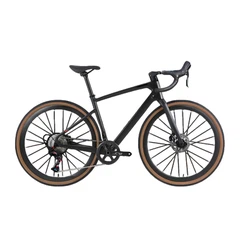
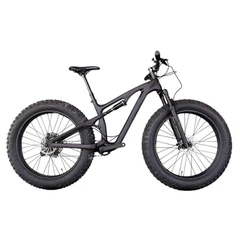





Bicycle wheels are often a crucial factor in determining your cycling experience. Whether you're racing for speed or sprinting for endurance, the right wheels can significantly improve performance. Carbon fiber wheels are favored by professional cyclists for their light weight and excellent aerodynamics, while aluminum alloy wheels are a popular choice for the general public due to their excellent durability and better value. This article will provide an in-depth comparison of the advantages and disadvantages of these two wheels, focusing on weight, speed, and other factors, to help you make a more informed choice.
What Are Carbon Wheels?
Carbon wheels refer to bicycle wheelsets constructed primarily from carbon fiber composite materials, rather than traditional metals such as aluminum. Carbon wheels are manufactured by layering sheets of carbon fiber-bonded together with resin-under controlled conditions of temperature and pressure. This process enables engineers to precisely control the wheelset's strength, stiffness, and weight.
Advantages of Carbon Fiber Wheels

Lightweight: Carbon fiber is renowned for its lightweight, typically saving approximately 300 grams compared to aluminum alloy wheels, a significant difference in overall bicycle weight. Lighter wheels mean more responsive acceleration and less strain on climbs, especially on long climbs, which can effectively reduce muscle fatigue.
High Rigidity for Enhanced Power Transfer: Carbon fiber is not only lightweight but also boasts extremely high strength and modulus, resulting in exceptionally stiff wheels that respond quickly when applied force, allowing for more precise cornering and maneuvering, and effectively transferring power with minimal energy loss.
Aerodynamic Design: Most carbon fiber wheels feature a deep rim design (50mm or greater), and the rim shape can be refined during production. This design significantly reduces wind resistance, allowing riders to maintain higher speeds with lower power.
High Comfort: In addition to its stiffness and light weight, carbon fiber also offers shock-absorbing properties, minimizing impact on joints and muscles, ensuring comfort during extended rides.
Stylish Appearance: Carbon fiber wheels are often available in black or darker colors. Their streamlined design creates a more technological and sporty look, enhancing the vehicle's overall aesthetic.

Carbon Road Bike Wheels
Send Inquiry Now

Carbon MTB Bike Wheels
Send Inquiry Now

Carbon Gravel Wheels
Send Inquiry Now

Carbon BMX Race Wheels
Send Inquiry Now

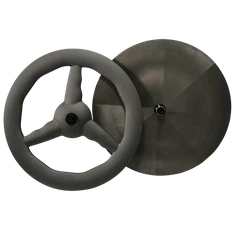
Carbon Time Trial Wheels
Send Inquiry Now

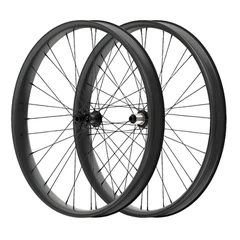
Carbon Fat Bike Wheels
Send Inquiry Now
Disadvantages of Carbon Fiber Wheels
High Cost: The manufacturing process for carbon fiber wheels is complex, requiring custom molds and specialized multi-layer lamination techniques. Compared to aluminum alloy wheels, they have a longer production cycle and a higher level of technical expertise, which directly contributes to their generally higher price.
Susceptible to Impact Damage: Carbon fiber wheels can crack or even break due to side impacts, drops, or improper use.
Repair Difficulty: Unlike aluminum alloy wheels, once damaged, carbon fiber is often difficult to repair using conventional methods. Even if repairs are possible, the structural strength and stability are often compromised.
What Are Aluminum Wheelsets?
Aluminum alloy wheelsets refer to bicycle wheelsets constructed from aluminum alloy. Aluminum alloy is widely adopted because it strikes an excellent balance between strength, durability, and affordability. Aluminum alloy rims are typically manufactured through extrusion and machining processes, resulting in a robust, structurally uniform component capable of delivering stable and reliable performance across a wide range of riding conditions.

Advantages of Aluminum Wheels
Sturdy and Durable: Aluminum alloy wheels, due to their inherent strength and excellent impact resistance, can withstand bumps, potholes, and minor collisions on complex roads.
Cost-Effective and Practical: Aluminum alloy wheels are more affordable, making them accessible to both beginners and everyday cyclists. Repair and replacement costs are also significantly lower than those of carbon fiber wheels, making aluminum alloy wheels highly cost-effective for cyclists on a budget or seeking practicality.
Excellent Heat Dissipation: Aluminum alloy has excellent thermal conductivity, allowing it to dissipate heat generated by brakes and tires quickly. This not only improves braking performance and reduces the risk of brake fade, but also extends the life of tires and brake components.
Wide Compatibility: The mature production process of aluminum alloy wheels enables flexible integration with various spoke, hub, and other wheel component specifications.
Disadvantages of Aluminum Wheels
Heavier Weight: Compared to carbon fiber wheels, aluminum alloy wheels are generally heavier, which can lead to some issues with acceleration and climbing performance.
Lack of Aerodynamics: Most aluminum alloy wheels use shallower rim designs, resulting in lower aerodynamic performance than deep-rim carbon fiber wheels.
Limited Impact Resistance: Although aluminum alloy wheels offer high overall strength, they can still deform or become damaged from impacts, drops, or improper handling.
Relatively Weak Rigidity: Alloy wheels have a slightly lower rigidity. This can result in less responsive handling during high-speed cornering or hard acceleration, resulting in a slightly smoother, less precise ride.
Key Differences Between Carbon Fiber and Aluminium Wheels
|
Project |
Carbon Fiber Wheelset |
Aluminium Wheelset |
|
Weight |
Lightweight, easier acceleration, and climbing |
Relatively heavier, slightly affects acceleration and climbing |
|
Stiffness |
High stiffness, quick power response, efficient energy transfer |
Lower stiffness, slightly less responsive, less stable in high-speed turns |
|
Aerodynamics |
Deep-section rim (50mm+), low drag, advantageous at high speeds |
Usually shallow rims, moderate aerodynamic performance, and higher drag at high speeds |
|
Comfort |
Some vibration damping, more comfortable for long rides |
Less vibration damping, less comfortable on rough roads |
|
Durability |
Prone to damage from impacts, possible fatigue over long-term use |
Strong and durable, with high impact resistance, suitable for varied terrain |
|
Maintenance |
Difficult to repair, often requires full replacement, high maintenance cost |
Easy to repair, low replacement cost, and convenient for daily use |
|
Cost |
Premium price, complex manufacturing process |
Affordable, high cost-performance, suitable for general consumers |
|
Usage |
Road racing, professional competition, and long-distance endurance rides |
Daily training, commuting, recreational/durable use |
Which Wheels Should You Choose?

When choosing a wheelset, consider your riding goals, road conditions, and budget.
Carbon fiber wheels are known for their light weight, high stiffness, and excellent aerodynamics, making them ideal for competitive road cyclists. They not only improve acceleration and climbing efficiency, but also provide a more comfortable ride over long distances. For riders on a limited budget or seeking a balance between performance and durability, hybrid carbon fiber and aluminum alloy wheels offer the lightweight advantages of carbon fiber with the reliability of aluminum alloy.
Aluminum alloy wheels, on the other hand, offer durability, affordability, and easy maintenance, making them suitable for daily commuting, leisure riding, and demanding road conditions. They offer excellent impact resistance and can handle rough, bumpy, or harsh road conditions. Repair and replacement costs are also low, making them a hassle-free option. While aluminum wheels may be slightly inferior to carbon fiber in terms of weight and aerodynamics, their stability, adaptability, and value make them an ideal choice for the general cyclist.
Summarize
Overall, the choice of wheelset should be determined by your riding style and the conditions in which you ride. Carbon fiber wheels offer outstanding performance and comfort, making them particularly well-suited for road racing and long-distance endurance rides. Aluminum alloy wheels offer advantages in durability and affordability, making them suitable for everyday riding and challenging road conditions.
FAQ
Q: Are carbon fiber wheels better than aluminum wheels?
A: Carbon fiber wheels generally perform better in terms of weight, stiffness, and aerodynamics. However, aluminum wheels are more durable and cost-effective, making them better suited for everyday riding and rough conditions.
Q: Are carbon fiber wheels worth the higher cost?
A: For riders focused on speed, climbing efficiency, and overall performance, carbon fiber wheels are a worthwhile investment. For casual riders or commuters, aluminum wheels usually offer better value.
Q: Which is more durable: carbon fiber or aluminum wheels?
A: Aluminum wheels are typically more impact-resistant and durable under heavy use. Carbon fiber wheels are strong, but if not properly designed, they can be more sensitive to sharp impacts.
Q: Do carbon fiber wheels improve speed?
A: Yes. Carbon fiber wheels are lighter and more aerodynamic, which improves acceleration and helps riders maintain higher speeds with less effort.
Q: Are aluminum wheels suitable for beginners?
A: Yes. Aluminum wheels are affordable, durable, and easy to maintain, making them an ideal choice for beginners.
Q: Can carbon fiber wheels be repaired?
A: In some cases, carbon fiber wheels can be repaired by specialists, but severe damage may require replacement. Aluminum wheels are generally easier to repair.
Q: Which wheels are better for climbing?
A: Carbon fiber wheels are typically better for climbing due to their lighter weight and higher stiffness-to-weight ratio.
Q: Which wheels are better for daily riding?
A: Aluminum wheels are usually better for daily riding because they are more durable, cost-effective, and easier to maintain.


