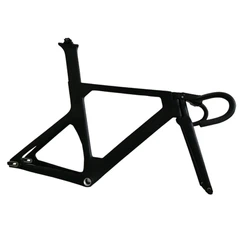
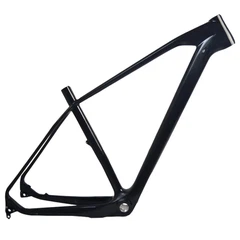
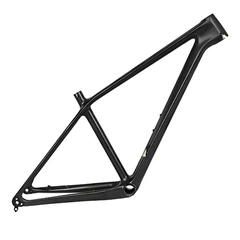
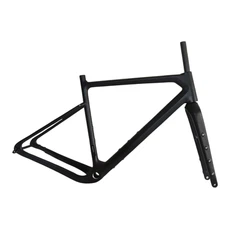



Carbon Fiber weaves are essential in composite manufacturing. They are formed by interlacing carbon filaments into specific patterns. Each bundle of fibres, called a tow, includes thousands of filaments. Common tow sizes include 3,000 pounds, 6,000 pounds, 12,000 pounds, and 24,000 pounds. The weave pattern controls how these tows cross. This directly affects the strength, drape, and surface finish of the fabric.
In manufacturing, the weave must match the part geometry and process. Plain weaves are tight and stable, but they are harder to form. Twill and satin weaves are more flexible and wrap around curves more easily. During layup, the weave impacts resin flow and compaction. Prepreg fabrics are often used for accuracy in fibre content. These materials perform well in autoclave or vacuum moulding setups.
Engineers choose weaves based on part function and stress paths. In aerospace, woven laminates handle high loads in multiple directions. In cars, the focus is on strength and low weight under impact. Weave direction and layer stacking are simulated before fabrication.
What Are Carbon Fiber Weaves?

Carbon Fiber weaves are high-performance reinforcements in composite parts. They are produced via the weaving of carbon tows in order to create structured forms of textile. The thousands of continuous filaments in each tow are usually seven microns thick. The weave entraps these tows to rigid routes, creating a predictable and repeatable fibre structure.
Polyacrylonitrile is the common starting precursor for fibres. These are stabilised, oxidised, and carbonised beyond 1200 degrees Celsius. The non-carbon components are lost through carbonisation to pure carbon atoms set in crystal layers. This then is surface-treated and coated with sizing. Sizing enhances handling and is more receptive to resin.
Filaments after treatment are made into bundles called tows and placed on weaving looms. Advanced looms keep fibres aligned, consistent tension, and spacing of tow. The most widespread designs are plain, twill, and satin with different crimp and drape. Tension is controlled automatically to guarantee fibre straightness and restrictions on micro-defects. It is during this stage that the mechanical performance of the final part is set.
Woven supplied fabrics can be delivered dry or as prepregs. Dry fabrics are applied in manufacturing procedures such as resin infusion or compression moulding. Prepregs are those resins infused between fibres in controlled conditions. This guarantees an accurate fibre to resin ratio and improves the surface finish. The weave affects the paths of the flow, consolidation pressure, and compaction of layers during curing.
Carbon Fiber Weave Patterns
The Carbon Fiber weaves are in patterns. These patterns regulate the crossover of fibre tows. All of them influence how a part performs and is manufactured. Weaves are selected by engineers according to strength and shape, and processing requirements.
Tight weaves are better at holding their form during layup. The more loosely woven materials fall into moulds. The trend also influences the flow of resin, fibre orientation, and stiffness. Making the right choice is vital to process and performance stability.
The most common types of weaves that are used in high-performance parts are summarized below. They all have varying drape, stability, and strength aspects.
Plain Weave
Plain weave is the most basic pattern. Each tow goes over one and under one. This brings about a close, horizontal organization. There is a powerful crossover between the two at right angles.
Its crimp angle is large. This implies that the fibres will bend farther at every crossover. This brings in stability at the expense of tensile strength. It also renders the fabric more difficult to fall on curves.
Plain weave is resistant to shape. That makes it suitable for flat parts or basic moulds. It assists in the flow of resin and the orientation of the fibres. However, when not handled with care, it may wrinkle on a complicated surface.

Twill Weave
A diagonal pattern occurs when twill weave is used. One form is 2X2 twill. Every tow over two and under two. This displaces every crossover point along the material.
Twill crimp is lower than plain weave. The fibres do not bend easily and therefore they bear the load. It hangs and fits more complicated forms with a lesser quantity of wrinkles.
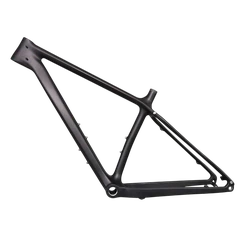
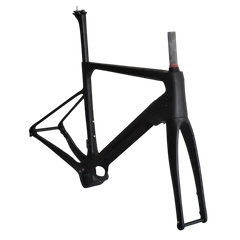
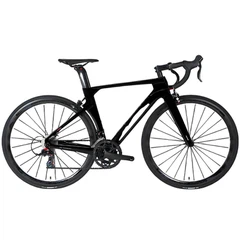
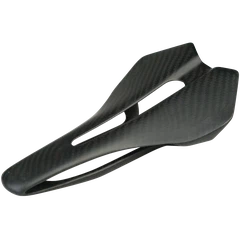
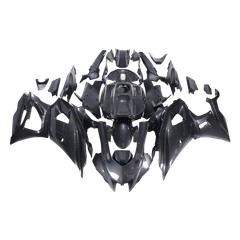
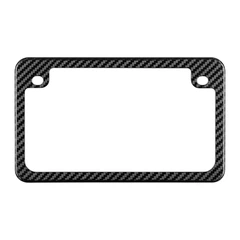
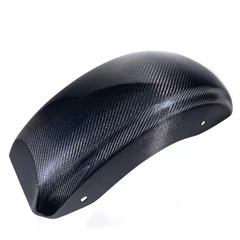
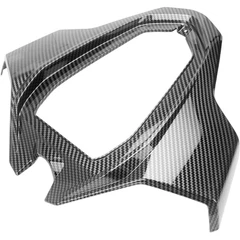
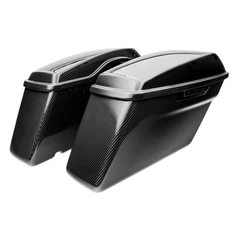
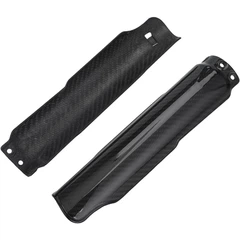
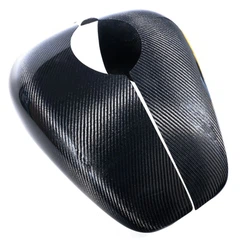
The weave can be used with visible carbon parts. It has a smooth and reflective surface. It is employed in bicycle frames, in car panels, and in fairings. Twill also provide a superior finish and shape over moulded curved moulds.

Satin Weave
Satin weaves have long paths of the float. In a 5-harness satin, each tow passes over 4 and under 1. This produces a smooth fabric of very low crimp.
The fibres remain better oriented. That enhances the flow and strength of resin. Satin hangs and drapes nicely to create an easy-formed, curved, or deep shape.
It is frequently applied where appearance and surface quality are important. Satin is more unsteady, though. During handling, the tows are subject to shift. It must also be closely laid up to prevent misalignment or distortion of fibres.

Specialised Weaves and Hybrid Weaves
Other weaves mix fibres. These are the hybrid weaves, e.g., carbon and aramid can be combined in weaving. That provides a combination of rigidity and shock absorption.
Non-standard layouts are used on other fabrics. Basket weaves are made with thick tows in a square style. Biaxial fabrics orient tows in two fabric directions. Triaxial and quadraxial fabrics employ a three- and four-angle fibre.
These patterns minimise ply count and accelerate layup. They are found in structural panels, boats, and wind blades. All of them are aligned with the load paths of the part. The fewer layers we have, the more quickly the goods can be produced and the fewer errors.
UD vs 3K vs 12K: What's the Difference?
UD (Unidirectional) Carbon Fiber
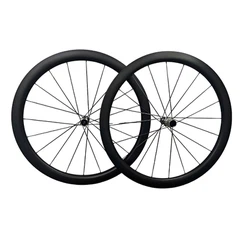
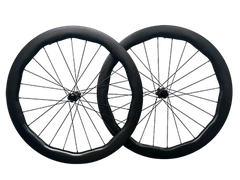
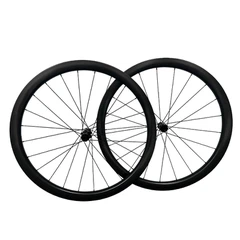
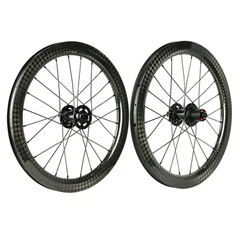
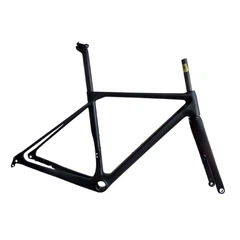
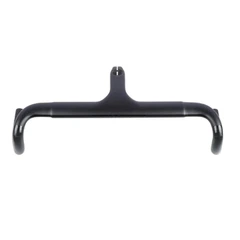
UD fibers are aligned in a single direction, allowing engineers to place strength precisely where it is needed. This makes UD carbon fiber an ideal choice for structural components such as bicycle rims and frames, where stiffness, lightweight performance, and load control are critical.
3K Carbon Fiber
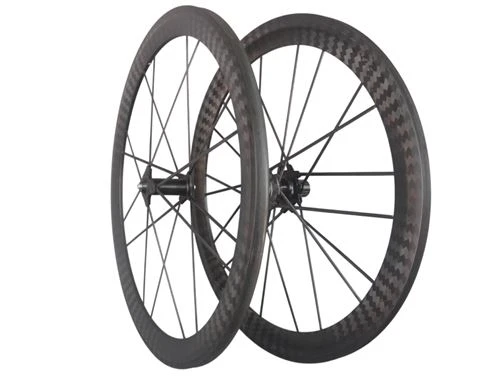
"3K" refers to 3,000 filaments per tow, typically woven in a twill pattern. It offers an excellent balance of strength, flexibility, and visual appeal. The classic diagonal weave is widely used in high-end cycling products because it combines strong performance with a premium aesthetic.
12K Carbon Fiber
12K carbon fiber contains 12,000 filaments per tow, resulting in a wider and more pronounced weave pattern. This allows for faster layup and better coverage over large surface areas, making it suitable for relatively simple structures or larger components. However, compared to UD carbon fiber, it generally offers less flexibility for precise structural tuning.
| Feature | UD | 3K Carbon Fiber | 12K Carbon Fiber |
| Fiber Structure | Fibers aligned in one direction | Woven, usually with a twill pattern | Woven with larger bundles |
| Filament Count | Not defined by K | 3,000 filaments per tow | 12,000 filaments per tow |
| Strength Performance | Highest in load direction | Balanced multi-directional strength | Moderate strength |
| Stiffness Control | Excellent, precise layup control | Moderate | Lower precision |
| Weight Efficiency | Best strength-to-weight ratio | Good balance | Slightly heavier |
| Surface Appearance | Smooth, minimal texture | Classic diagonal weave | Large, bold weave |
| Typical Applications | High-performance parts (rims, frames) | Visible parts, consumer products | Large components, simple structures |
Weave Impact on Mechanical Performance
Fibre Alignment and Load Paths
Fibre is aligned by the weave pattern. Tensile loads can be easily transferred by straight fibres. Additional crimp causes bending of the fibres, which decreases tensile strength. Small weaves possess good fibre bending and offer a stable fabric to lay up. The looser the weaving, the more the fibre alignment and the strength. This balance is determined by the geometry of the parts and requirements.
Stiffness and Strength in-Plane
The plain weave fabrics present regular in-plane stiffness. Their crossings of each other are numerous and cause friction. This enhances in-plane shear resistance. The twill and satin weaves minimise fibre crimp so that improved tensile properties can be achieved. They are efficient in locations that have curved or difficult shapes of parts. Weaves are chosen by the designers to suit the property of stiffness demand and ease of forming.
Shear and Delamination Shear Strength
Weave crossover points affect interlaminar shear strength. Most crossovers in plain weaves cause high friction and resistance to delamination. In satin weaves, there are fewer crossovers, and they can benefit from additional resin toughening. In its absence, satin fabrics are prone to delaminate under shear. Avoiding delamination is dependent on the correct resin selection and ply stacking.
Fatigue Life and In-Service Loads
Fatigue performance with cyclic loads is influenced by weave choice. Crack growth and failure due to well-aligned fibres are put off. Multiaxial and hybrid weaves divide the stresses that are in more directions. This minimises fatigue harm and enhances life. Simulations help the engineers to design weave patterns of anticipated dynamic loads. This optimisation increases the service life of the composite part.
Techniques for Making Carbon Fiber Weaves
Production of Carbon Fiber cloth is a painstaking, manual task. It starts with raw Carbon Fiber and exists as cloth in a form ready to shape. Each step of the process affects the strength and how the fabric performs during the manufacturing process.
You should have a strong management of fibre tension and spacing. The pattern of weaving shapes the fabric's mechanical properties. Deft operators work a specialised loom to ensure the fibres stay in their natural alignment and undamaged. They are applied in the challenging industries such as aerospace and motorsport.
Production and preparation of fibres
Precursors are polymer threads that come in the form of Carbon Fibers. They are warmed up gradually in the air and quickly in a furnace without oxygen. This makes them into thin, strong filaments of carbon. This step influences the quality of the stiffness and strength of fibres.
When the carbonised fibres are deposited with a thin coating, this covers them and assists the resin to stick on later. The fibres are collected into these groups or tows, and the tows vary in thickness. The size of the tow alters the fabric's weight and strength.
Weaving Process And Machinery
Bundles are fed to weaving machines that closely monitor tension. The fibres are woven in shapes by over- and underpassing each other. The design varies according to the end material's application - some require rigidity, while others require pliability.
More modern looms may employ air jets to drive bundles, forcing them through the loom much faster. Machines also make the width and length of a fabric the same. This accuracy supports the alignment of the fibres, which is critical to performance.
Fabric finishing and resin application
The woven fabric may be sold as dry or with impregnation already done with resin (prepreg). Dry textile requires the resin addition to be done later during molding. Prepreg fabric is a fabric on which resin has been deposited under precise temperature conditions.
Prepregs are tacky, hence stacking and handling are easy. This helps maintain the fabric layers and minimize porosity in the finished part. Prepregs provide reinforcement composites that are more robust and uniform.
Post-Weaving Treatments
Fabric may then be heat-treated to stabilise it. This will stop shrinking or distortion thereafter. Other types of fabrics are coated in order to prevent damage to fibres or enhance attachment.
Sometimes fabrics are cut to shape prior to parts. This saves on wastage and makes production faster. These finishing processes make the fabric behave well in the forming process, and no defects occur in the final part.
Does Weave Affect Strength?
The strength of carbon fiber primarily comes from the orientation of the fibers and the layup design, rather than the visible weave pattern.
Fiber direction is critical
Carbon fiber is strongest along its length. In a unidirectional (UD) layup, fibers are aligned in a single direction, enabling engineers to precisely place strength where loads occur.
Influence on stability and handling
Interlacing fibers form woven fabrics such as plain weave or twill (3K). Compared to UD layers, this structure may slightly reduce peak strength but significantly improve
multi-directional structural stability.
Trade-off between impact resistance and stiffness
Woven layers help distribute stress more evenly across the surface, enhancing resistance to surface damage and abrasion. While UD layers provide higher stiffness and efficient power transfer, they
are often combined with woven layers to offer necessary surface protection.
Combination layups in real-world design
High-performance components rarely rely on a single weave type. Manufacturers typically use UD layers for structural strength and woven fabrics for durability and surface integrity. The result is
a balanced structure rather than maximum strength in just one direction.
Appearance can be misleading
A visible 3K weave does not necessarily indicate better performance. It is often used as a cosmetic outer layer, while the true strength lies beneath-in the carefully engineered internal layup
structure.
Selecting Carbon Fiber Weaves for Manufacturing

Selecting the Carbon Fiber weave is simply a matter of aligning fabric behaviour to the part shape and usage. You desire a weave that would fit your mould and provide the strength without appearing wrinkled. The improper material complicates the layup and makes the end product weak.
Each weave is different to work with. Others fold and stretch easily, and others have some difficulty folding and remain upright. With this kind of understanding of their differences in advance, you avoid spending time and remaking at great expense.
How Well the Fabric Forms
Better curves and falls of twill and satin weaves. They allow you to put fabric over tight corners without buckling. Satin keeps the fibres afloat longer, and this is useful on compound curves. These are your best options if your part contains sharp bends or compound shapes.
Plain weave is more difficult to work with tight shapes. The fibres then cross all other tows, oiling the fabric stiffer. You may end up with wrinkles or with misaligned fibre. Large areas of plain weave on basically flat or gently curved panels.
Direction of Strength and Load
There are additional fibre bends in plain weave, reducing the strength under tension. However, it glues fibres together. This assists the parts in avoiding delamination. Twill or satin weaves are more appropriate on parts that are predominantly loaded in tension. They maintain fibres in a straighter and stronger mode.
Plain weave might survive better in case your part is subjected to impact or bending loads. It has a better grip on resin, making it better against delamination. Select the weave depending on the principal forces to be exerted on your part.
Resin Flow and Processing
Plain weave fabrics with a tight weave impede the flow of resin. This may entrap air pockets when infused. This will require delicate handling of vacuum and pressure to avoid voids. Satin and looser twill weaves allow resin to absorb quicker, but absorb more resin as a whole.
This is made simple by prepreg fabrics that already have the resin. Nevertheless, varied weaves cure variously and require the corresponding temperature cycles. By applying the appropriate weave to your resin and curing method, defects are reduced and production becomes faster.
Practical Cost and Manufacturing Speed
Satin weave is more time-consuming and expensive due to the complicated pathways of fibres. Twill can be woven quickly and cheaply, yet supple. The simplest to make and the least expensive is plain weave.
Cloths that are easy to work with on the layup minimize scrap. When your operator has trouble forming the fabric, cycle times and waste can be expected. Choosing a weave that your team will be able to work with and that effectively saves money on each part.
Common Challenges When Working with Carbon Fiber Weaves
Carbon Fiber fabrics have some common problems. These influence the strength of the part (and it can look good as well), as well as the rate of production. Knowing about these would save you from costly errors and revisions.
A lot of issues can be explained by the fabric's behaviour in handling and curing. The pattern of the weave sometimes determines the complexity. Key challenges you are likely to encounter are listed below.
Wrinkling/Fibre Distortion
When stretched over tight curves, Carbon Fiber fabric wrinkles. Plain weave, in particular, can easily be stretched to such an extent that it becomes rather stiff. The rinkles weaken the part and result in an uneven flow of resin.
In order to minimize wrinkles, you must be able to exercise tight control of the tensions during the layup. Weave selection can help, as the twill or satin weaves can more easily drape. It is also possible to cut fabric more into bite-sized pieces or use tailored blanks to resolve fit issues with complex shapes.
Resin Dry Spots Voids
Tight weave, such as plain weave, resists resin flow. This can entrapped air and lead to dry areas or holes within the composite. These failures weaken and may lead to premature failure.
This can be avoided by having a proper vacuum and slow infusion of resin. More open weaves permit better resin penetration, but the looser ones may add resin content and make the parts heavier. Prepregs reduce this risk to the extent that the resin is already distributed evenly.
Separation of Layers and Delamination
Delamination occurs when layers lose adhesion due to stress. Delamination. The high number of crossings involved in plain weave heightens the friction and enhances resistance. Twill and satin weaves (fewer crossovers of ends) may be more susceptible.
It is essential to maintain the correct temperature and pressure during curing to prevent poor bonding. Toughening resins or incorporating interleaf materials also helps increase delamination resistance.
Fabric Handling And Cutting Problems
Carbon Fiber is also brittle and will fray or break when handled harshly. Rolls of large lengths of fabric are cumbersome and would destroy the fibres in the process of relocation. Intensive and dull blades damage the fibre.
Prepare good-quality and sharp tools. Cutting: Lay the fabric flat and do not pull on the tows. Educating employees on how to properly care for fabrics reduces waste and defects.
Summary
choosing the right carbon fiber weave is not about selecting the "strongest" pattern, but about understanding how different materials work together to meet specific performance requirements.
FAQ
Q: Which carbon fiber weave is the strongest?
A: Generally, the strongest structural configuration is unidirectional (UD) carbon fiber, as its fibers are aligned along the direction of load. However, in real-world applications, strength depends on the overall layup design, not just the visible weave pattern.
Q: Is unidirectional (UD) carbon fiber better than 3K carbon fiber?
A: Unidirectional (UD) carbon fiber performs better in terms of structural performance, while 3K carbon fiber offers a balance between strength and visual appeal. Each serves a different purpose, and neither is universally superior in all aspects.
Q: Does carbon fiber weave affect weight?
A: The weave itself has minimal impact on weight. Differences in weight are mainly influenced by fiber density, resin content, and layup design, rather than the weave pattern alone.
Q: Why are high-end bicycle components made with UD carbon fiber?
A: High-performance components use UD carbon fiber because it allows engineers to precisely control stiffness and strength, improving power transfer efficiency and overall performance.
Q: Is 12K carbon fiber stronger than 3K carbon fiber?
A: Not necessarily. While 12K fibers have larger bundles and offer better surface coverage, 3K carbon fiber often provides more refined control and optimized performance in high-performance applications.
Q: Is carbon fiber weave only for aesthetics?
A: Partially. While weaves like 3K are often used to enhance appearance, woven layers also contribute to impact resistance and surface durability.
Q: Which carbon fiber weave is best for bicycle wheels?
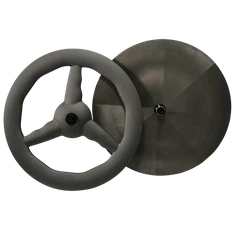
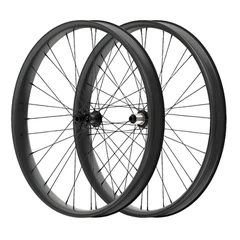
A: Most high-performance bicycle wheels use unidirectional (UD) carbon fiber for their internal structure, often combined with woven layers to improve durability and surface finish.
Q: Can different weaves be combined in the same product?
A: Yes. Most advanced carbon fiber products use a hybrid layup design, combining UD fibers with woven fabrics to achieve a well-balanced performance.