

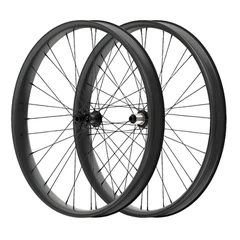
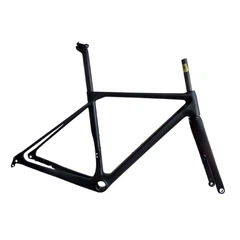
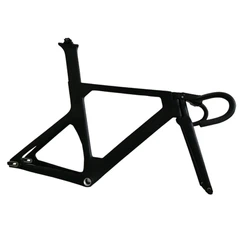
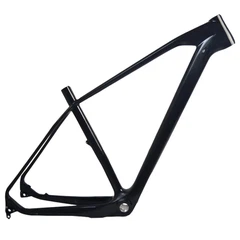
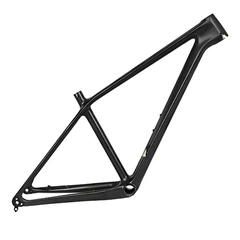
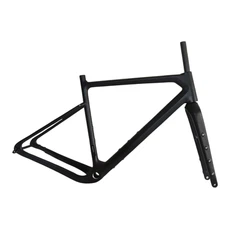
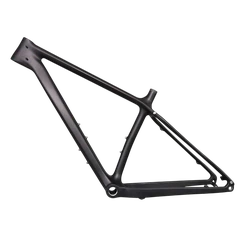
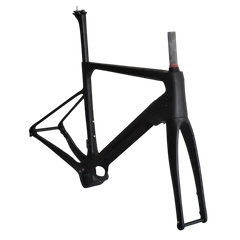
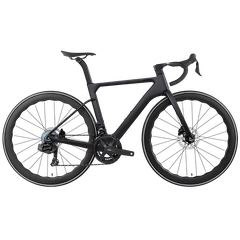
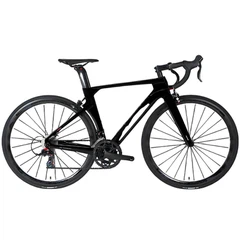
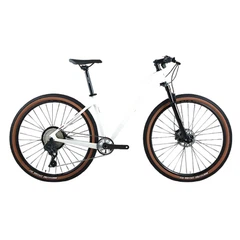
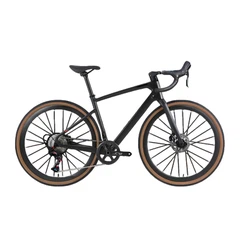
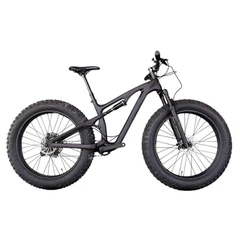
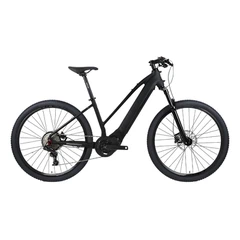
In the changing world of competitive riding, everything is about performance. Given the performance and lightweight aspect of a carbon fibre road bike, there is nothing that compares better than that in climbing. As a B2B seller, you are not selling a product; you are selling the ability to play sports well, the power of innovation, and brand loyalty. Regardless of whether you provide performance-level retailers, luxury sports distributors, or bike shops specialising in products, it is essential to know the place of carbon fibre in the formation of current road bikes.
One of the most challenging aspects of cycling is climbing, and in this case, weight, stiffness, and aerodynamics can render the difference between winning and a meltdown. You may be selling your products to amateur enthusiasts and/ or professional racers who are on a concrete pursuit to find the best carbon road bike to use in climbing to gain them a competitive advantage. They want climbing speed and downhill control, and want to experience riding in general, which is worth a high price tag.
This piece will be your step-by-step guide to learning about the worth of carbon fibre for climbing, that have been intricately grown to climbing-oriented segments, the way to find good quality frames, and how to bring your products in line with what the market is looking for. This guide will help you explore technical features, sales approaches, comparison of materials, and so on, so that you can keep up with the latest trends and the best carbon road bike for climbing.
Carbon Fibre Science
You have probably heard that carbon fibre is strong, light, and expensive, but what does all this mean to your business? Carbon fibre is a fibre-reinforced material that consists of thin, tough, crystalline strands of carbon, woven together and embedded in resin. The end product is a material with extraordinary strength-weight value, which has enabled the manufacturers to produce ultra-lightweight frames with no loss in stiffness or structural integrity.
To your customers, this equates to lighter weight so that they do not have to carry as much weight to the top of their steep hills and a more efficient transfer of power with each pedal stroke. And to you, this is a high-quality product with prospects of increased margins and the generation of long-run business values.
The Reason Behind the Carbon Road Bike Being the Best Bike for Climbing
Climbing performance is a bigger priority for your target buyers, including those who have experience in cycling. This is why the carbon road bikes look great on the mountain passes and hills:
Lower Frame Weight: A single gram counts on climbing steep slopes. The carbon fibre enables the manufacturers to trim excess weight as compared to aluminium or steel.
Power Transfer Stiffness: The stiffness of carbon will ensure that all the energy that the rider puts into the crank stroke will be put into action, instead of being dissipated in the flexing of the frame.
CGS: Carbon Tube Shaping: Carbon allows shaping of the tubes to be aerodynamic and ensure more vibration damping with no increase in weight.
With bikes manufactured using the best carbon fibre, you will be giving your client a head start on all the uphills.

Acquiring the Right Buyers in the B2B Network
Not all stores or warehouses know the peculiarities of carbon road cycles. The following are the areas of your marketing and outreach:
Bike shops that are dedicated to recreational riders or performance riders.
Expert shops in hilly terrains or mountains.
International distributors who are interested in targeting high-end segments.
When you address them based on their specific performance requirements, and in particular, their need to train on hills, you will be making your services match the market trend and altering your services to meet a real need.
Characteristics of the Best Carbon Road Bike
When you have the best carbon road bike to offer, your product has to comply with a list of feature requirements:
Featherweight frames: These are best when they weigh less than 800g in competitive road bike performance.
Compact gearing: To climb with ease, 11 34T cassettes are standard with 50 34T chainrings.
Disc brakes: To permit snappy control at high velocities on the mountain.
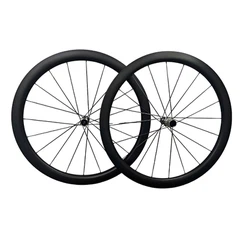
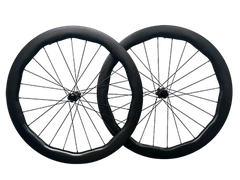
Tubeless-ready carbon rims: Compounded rolling resistance and chances of getting a pinch flat.
Electric shifting possibilities: Ultegra Di2 or SRAM eTAP are increasingly becoming the norm when efficiency is considered in extreme pressure.
Ensure that your catalogue reflects these elements, as your B2B customers are not going to accept any less in the year 2025.

Comparing Carbon vs. Aluminium and Titanium Bikes
Educated buyers will ask you: Why should they pay more for carbon? Here's what you can tell them:
| Material | Frame Weight | Stiffness & Power Transfer | Comfort / Compliance | Price Range (Frame Only) | Ideal Use Case |
| Carbon Fiber | 700g–1,000g | It's excellent and responsive as well | This ranges from moderate to good. | $800–$3,000+ | High-performance racing & climbing |
| (tube shaping allows tuning) | |||||
| Aluminum | 1,100g–1,500g | It's good, works great under high load | It's harsh, fewer vibrations. | $300–$800 | Entry-level riders / Fitness use |
| Titanium | 1,200g–1,800g | It's moderate, giving a softer feel. | It's excellent and absorbs vibrations. | $1,500–$4,000 | Long-distance, touring, endurance |
How to Source and Select High-Quality Carbon Fibre Frames
Carbon is not in the same boat. Since you are a B2B seller, quality sourcing will determine your reputation. Under consideration of manufacturers:
Look at T700, T800, T1000 types of carbon: The higher the number, the stiffer and the lighter it should be.
Test layup procedures -Brands that work with EPS moulding or vacuum resin transfer in the procedure also tend to have a firmer consistency and finish.
Request ISO certificates and stress test results-They indicate safety and compliance.
Check warranties- Manufacturers making serious bicycles will offer at least a 2-5 year warranty on their frames.
Form contracts with suppliers that make carbon fibre specifically, as opposed to general bicycle manufacturing, so that excellence is maintained.
Branding and Market Positioning to Succeed in B2B
Bikes made of carbon fibre are not only exceptional, but they also generate good margins for the business and carry long-term potential of brand positioning in the business-to-business market. In order to get maximum benefit out of this, it is necessary that the business engage in a focused and scalable strategy by melding the best product-based offerings along with precision marketing and operational discipline.
In high performance cycle, branding is a crucial element of staying competitive. Among these is to create a sub-brand (or sub-brand) that is entirely dedicated to climbing performance, minimalist, technical design that translates directly to high performers and fans. It is possible to build this identity with the help of powerful visual narration- showcasing the worth of the engineering and design (through the use of authentic footage of stages of climbing, wind tunnel simulations, testimonials of actual riders, etc). Trust is also strengthened with the technical standards being brought to the fore, e.g., ISO certification, quality assurance procedures, alliances with promising carbon materials suppliers, and these should be evident throughout the online spectrum and in product literature too.
Market positioning also requires the correct targeting of channels. The brands need to target active performance-motivated markets such as the high-altitude market, professional teams and leagues of racers, and high-quality bike shops along city streets. An essential constituent of this positioning is education. The knowledge of detailed specifications, which include geometry charts, power transfer ratings, and case studies, enables the B2B buyers to have the confidence to discuss the value of the bike with their customers with confidence.
Finally, providing strong after-sales service can give your brand an upper hand over the competitors. This involves complete installer kits, offering replacement parts, to even the ability to make customization, such as placing shop decals or even graphics on it. Such services not only enhance relationships with the dealers but also promote brand loyalty and repeat business.
As the cycling market becomes more competitive, carbon fibre products are giving you a special chance to position your company as an industry that people can trust and one that is creative. The secret is to combine the product superiority with brand stories, data-supported selling tools, and the obligation of a long-term partner relationship with dealers.
The Sale to Performance Enthusiasts and Professional Teams
When you are trying to appeal to high-end consumers or even racing or local teams, you need to pitch differently. Things that matter to these purchasers include:
Accurate and quick responses: Emphasise test data, geometry specifications, and wind tunnel data.
Customising: provide colour variations, geometric alterations, or customised decals.
After-sales service: Offer kits to do maintenance or installation as a bonus.
Building dealership or team affiliations will become a source of recurring income and brand loyalty when you become a dealer that serious riders can count on.

The Pitfalls to be Avoided in Sourcing the Carbon Bikes
The sale of high-end bikes is also risky. What you should not do:
Paying excessively for the low-quality control of the private labels
Shipping cargoes without compliance documents, thus causing customs delays
Not going by frame geometry, that is not climbing-friendly.
Inaccurate estimation of shipping costs due to significant volume packing
Anyone exposed to such risks should consider mitigating them by using only those experienced OEMs, asking for sample products, and requiring third-party inspections.
Final Words
The carbon fibre road bikes are no longer a niche, but a necessity in performance cycling. As a B2B seller, you need to know how the best carbon road bike for climbing could be created and linked to the appropriate market. The world is in need, and the competition has grown aggressive, with the best carbon road bike that can help you climb, you would be a future supplier in a high-growth area.
As a bike dealer or a newcomer to the market, the decision to expand your range portfolio by adding premium carbon fibre products allows you to open new markets and build permanent client relations.
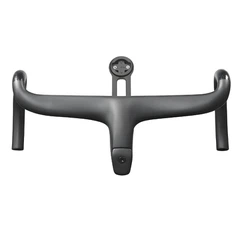
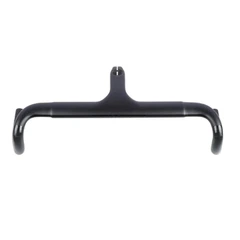
Keep learning about new technology in climbing bikes, such as wireless drivetrains and integrated cockpits. The better the knowledge you have, the more credence you earn in your retail clients.
FAQ
1. Why would a carbon road bike be great on the climb?
Compared to an aluminium or steel road bike, carbon road bikes are a lot lighter; also, they have a stiffness-to-weight ratio, guaranteeing maximum power transfer, hence ideal in long, uphill mountain climbs. With our guide, you can easily find the best carbon road bike for climbing.
2. How will I make sure that what I sell are carbon bikes of quality?
Specify request frames made of high-quality carbon (such as T700, T800, etc.), ISO qualification, request stress reports, and select suppliers who have a stable QA industry.
3. Are carbon fibre bikes long-lasting?
Yes, they can live for years when built correctly out of carbon fibre. The trick is to use a reputable supplier of manufacturers that employ superior moulding material and resins.
4. How much should a climbing carbon road bike weigh?
The cutting-edge climbing bikes weigh 6.5-7.5 kg. The magical number of 8 kg is competitive, and anything below that is chosen by riders needing performance.
5. What are the practical ways I can sell carbon road bikes to B2B customers?
Weight, stiffness, efficiency (emphasis on performance), customisation opportunities, bundling, brand reliability and post-sale support should be enhanced.


