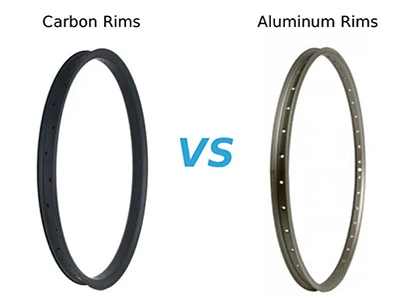

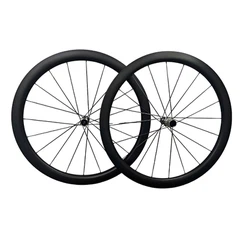

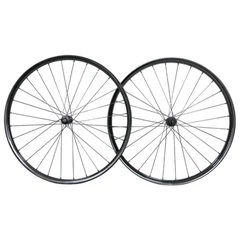
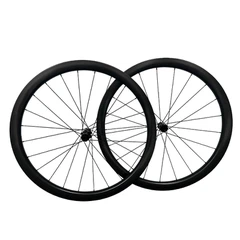
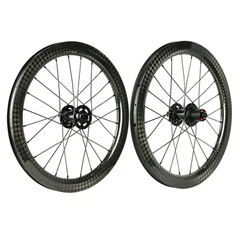
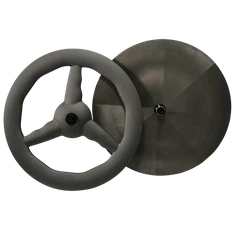
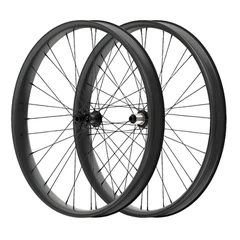





Carbon wheels are no longer just for professionals. Every day, cyclists now upgrade to them for faster rides, stronger sprints, and smoother climbs. Compared with aluminium, carbon wheels offer clear gains in aerodynamics, stiffness, and weight reduction. These differences translate directly into performance on the road and trail.
Yet, the choice is not as simple as picking the lightest wheel. Cyclists must consider rim depth, riding style, braking system, and terrain demands. A wheel that works for time trials may not suit gravel or endurance rides. Knowing how carbon wheels perform in each condition helps you avoid costly mistakes.
In this article, we will explore:
• The core benefits of carbon wheels in cycling
• Key types of carbon wheels and their uses
• How carbon wheels change ride quality across disciplines
• Practical tips to choose the right set for your needs
By the end, you will see how carbon wheels can transform your cycling experience and understand the factors that matter most when making a choice.
What is the Composition of Carbon Fiber?
Carbon fiber is a lightweight yet strong material. It is made from fine filaments of mostly carbon atoms arranged in a crystalline structure. Its unique alignment gives it high strength, stiffness, and low weight.
Key Components of Carbon Fiber
| Component | Description |
| Carbon Atoms | The main element forms strong chains for strength. |
| Non-Carbon Atoms | Small amounts of nitrogen and other compounds are removed during heating. |
How It's Made?
| Step | Description |
| Precursor Material | Starting with polymers like PAN, rayon, or pitch. |
| Carbonization | Heated at 1500–2500 °C to remove non-carbon atoms. |
| Graphitization | Optional higher heat for a stronger, more ordered structure. |
| Surface Treatment | Improves bonding with resins for composites. |
Structure of Carbon Fiber
| Feature | Description |
| Filaments | Fibers are 5–10 micrometers in diameter. |
| Crystalline Structure | Atoms arranged in graphitic planes. |
| Oriented Structure | Graphitic planes aligned along fiber length. |
What Are Carbon Fiber Wheels?
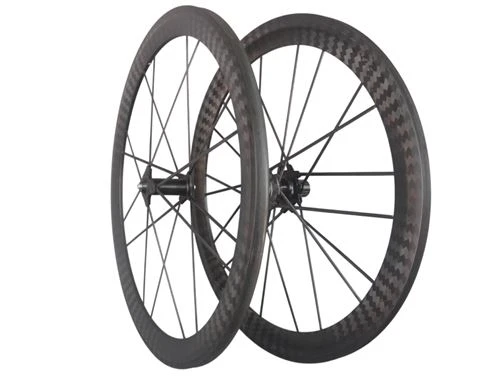
Carbon fiber wheelsets are high-performance bicycle wheelsets that use carbon fiber rims as their core component, designed to maximize speed, efficiency, and riding experience. Unlike metal rims that rely on uniform material thickness, carbon fiber rims are made through a carefully designed fiber layup process. In this process, layers of carbon fiber are arranged in specific directions, bonded with resin, and cured under high temperature and pressure.
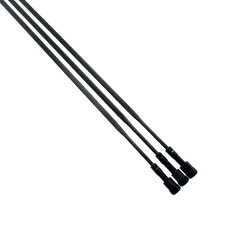
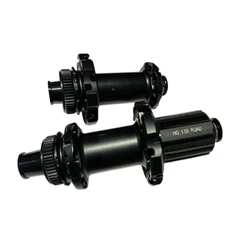
A complete wheelset consists of four core components: the rim, spokes, hub, and spoke nipples. Even small variations in any of these components can affect how the wheel performs on the road.
You will often see terms such as rim depth, internal width, hookless rims, and tubeless compatibility. Importantly, carbon fiber is not a single specification; different layup designs are optimized for climbing, aerodynamic performance, durability, or an all-around balance. This is why, despite similar appearances, different carbon fiber wheelsets can feel dramatically different to ride.
Core Benefits of Carbon Wheels in Cycling

Weight Reduction represents more than the numbers that appear on the scale. The reduced weight of a carbon rim results in decreased rotational mass that enables faster acceleration when climbing steep slopes. If you ride hilly terrain, you feel this most when standing out of the saddle. The wheel spins up more quickly because of its lightweight design, which reduces the need for additional weight during each pedal stroke.
The aerodynamic design process delivers multiple benefits that improve racing performance and the regular driving experience. The 50mm carbon rim provides consistent speed performance during open stretches of road riding. The efficiency of this system will save several watts of effort during a 30 km ride, which becomes important when you ride with others or participate in racing events. The modern carbon profiles maintain stability when facing crosswinds, which enables improved control during driving on open roads.
The durability of a composite material depends on the layup design and the resin system selection. A well-designed carbon wheel distributes force across its fibers, which stops cracks from forming at points where aluminum rims would typically dent. The information applies to endurance riders who participate in smooth tarmac and uneven terrain competitions. Tubeless-ready rims added to the wheels reduce the occurrence of pinch flats while delivering improved rolling performance.
Why Carbon Wheels Changed Modern Cycling
Cyclists actively search for equipment that delivers measurable performance improvements. Carbon wheels deliver particular performance advantages that address common problems that cyclists face during their cycling activities. The design unites lightweight materials with aerodynamic elements and stability features to produce a solution that enhances performance and safety.
The problem of speed maintenance on flat terrain remains a challenge for bicycle riders. Carbon wheels with their sophisticated rim designs reduce drag through their ability to transfer power smoothly, which results in motion. The outcome delivers a steady speed operation that uses less power, which makes it suitable for endurance cyclists and competitive riders.
Stability is another decisive factor. Traditional aluminum rims become hard to handle during steep downhill driving and powerful wind gusts. The wider carbon rims enhance grip and balance, which results in better control for riders when they encounter challenging terrain. The stable handling of the bike enables riders to maintain their balance, which helps them gain confidence during extended racing events and complex track sections.
Value also plays a role. The acquisition of carbon wheels provides multiple benefits that improve all aspects of cycling. The tires achieve practicality through their combination of fatigue reduction and quick handling, and their ability to last longer.

How Carbon Wheels Actually Work
Cyclists frequently ask about the distinct sensation they experience when riding carbon wheels on the road. The distinction exists between materials and their specific engineering designs. The system experiences modified energy flow because of carbon fiber, which also enhances wheel stability under stress conditions and maintains stability at high speeds.
Energy Transfer and Power Efficiency
Every watt you generate through pedaling becomes crucial for your performance. The traditional wheel design becomes flexible when subjected to weight, which results in energy loss. The carbon rims with their layered fiber reinforcement structure prevent flexing. Your work will generate better results because it will produce more forward progress. The bike provides faster acceleration to riders when they sprint or climb.
Aerodynamics and Reduced Drag
The force of air resistance creates a greater drag than the weight of the rider when cycling on level ground. The design of carbon rims features deeper profiles with smooth surfaces, which help them slice through air resistance. The design minimizes drag, which enables faster movement at reduced energy expenditure. The system demonstrates its value during long trips because it enables users to conserve their power.
Heat Management During Braking
Riders need to be aware of the risk of overheating when they ride downhill. The braking system with carbon surfaces and heat-dissipating resin layers outperforms all previous braking systems when it comes to heat management. Modern carbon wheels maintain their braking performance at high temperatures while protecting the rim from damage.
Comfort and Vibration Control
The vibrations from the road cause fatigue to both the person riding and all elements of the bicycle. The absorption of micro-vibrations by carbon wheels exceeds that of aluminium wheels. A suspension system installation provides better comfort and longer service life for additional bike components.
How to Choose the Right Carbon Wheels
The process of Carbon Wheel selection demands more than basic brand selection. The main goal is to address your actual riding issues, which include improving climbing performance and handling crosswinds and ensuring safe braking. Here are six elements that determine performance quality and comfort level, and overall value of a product.
Rim Depth for Riding Terrain
The shallow rim width of 25–35 mm provides better agility and climbing performance. The deep rims (60 mm+) reduce air resistance on flat roads, but they are not effective in crosswinds. The 40–55 mm mid-depth rim width delivers the best combination of climbing ability and speed that works well for routes that include both climbing and quick sections.
Rim Width and Tire Fit
The modern carbon wheel design features wider rims, which enhance tire stability. The combination of a 28 mm tire mounted on a wide rim results in reduced rolling resistance and enhanced comfort levels. The use of tires that match the rim profile is essential for achieving safe vehicle handling.
Brake System Compatibility
The wheels with rim brakes need particular pads, which serve as heat protectors. The wheels with disc brakes function better in wet weather and provide steady braking performance. The brake system of your bicycle determines which brake pads you should use.
Rider Weight and Power Output
Light riders often prefer shallow rims to avoid wind push. Heavy or powerful riders can control deeper rims more effectively. The choice of rim depth based on body weight results in improved control and enhanced rider confidence.
Hub Quality and Engagement Speed
The hub determines the speed at which power moves to the wheel. High-engagement hubs function as critical elements that enable fast acceleration in criterium racing. Reliable hubs also reduce long-term maintenance costs.
Long-Term Value and After-Sales Support
All wheelsets do not provide the same level of durability. The initial investment for a better warranty package and crash replacement policy, and reliable technical assistance comes with a slightly higher price.
Maintenance and Care of Carbon Wheels
Cyclists need to spend a significant amount of money to purchase carbon wheels. The right maintenance will extend their operational life to multiple years of new-like performance. The following six maintenance steps protect wheels while extending their lifespan and ensuring safety during every driving experience.
Regular Inspection After Rides
Check your rims for any signs of damage, such as cracks or bulges, or excessive wear after riding in harsh conditions or for extended periods. Small fractures in carbon tend to expand rapidly when left untreated. Early detection enables users to prevent the need for purchasing expensive replacement parts.
Proper Brake Pad Selection
Never use standard brake pads on carbon rims. Use manufacturer-approved pads to prevent overheating and damage to the rim surface. The system prevents sudden braking failures through this single step.
Correct Tire Pressure Management
Carbon rims have maximum pressure ratings. The excessive inflation of tires leads to the formation of cracks that appear when the tire hits an object. The correct tire pressure depends on both the rim width and the weight of the rider to achieve safety and comfort.
Cleaning Without Harsh Chemicals
Avoid using solvents or abrasive cleaners when cleaning rims. The combination of warm water with mild soap proves to be an effective cleaning method for the surface while protecting the resin from damage. Dry all rims completely to stop moisture from becoming trapped.
Hub and Spoke Tension Care
Hubs need scheduled lubrication to ensure they operate correctly for power transmission. The tension check for carbon spokes or nipples becomes necessary because improper wheel tension distribution leads to wheel warping.
Storage and Transport Protection
Store wheels in dry locations with cool temperatures to stop heat damage from occurring. The transport of wheels needs padded bags to safeguard the rims from unintended contact. Any type of collision, no matter how small, can lead to structural damage.

Are Carbon Wheels Worth It?
Cyclists are often weighed down by cost compared to performance. Carbon wheels come at a premium price over aluminium, but the payoff is in efficiency, safety, and long-term value. Here are six ways of clearly seeing if they are right for your riding goals.
Performance Gains You Actually Feel
Carbon wheels are lighter than steel, which allows them to be lighter than steel. Every pedal stroke is more precise, climbing requires less energy input, and the sprint takes less time to accelerate. You can see this right away when they are compared to alloy wheels.
Durability in Demanding Conditions
Modern carbon rims are not brittle. With reinforced resins and layered fibres, they are resistant to impacts that would easily dent aluminium. They last longer if they are properly cared for.
Braking Consistency and Heat Management
Good quality carbon rims are made with resins that are resistant to heat. Pairing with the right brake pads allows for stable stopping power, even on long descents. This eliminates the fear of brake fade.
Comfort and Vibration Control
Carbon suppresses the buzz of the road better than metal. On long rides, this helps to reduce fatigue of the hands and allows for better control. Riders say their legs feel fresher over long distances.
Investment That Holds Value
Carbon wheels have a better resale value than aluminium. For those who are upgrading or changing bikes in the future, wheels recoup some of their cost when sold on.
Confidence for Competitive or Daily Use
For racing, carbon's aerodynamic benefits are undeniable. For day-to-day training, the weight saving and durability still provide value. The balance is dependent on how much you ride and your goals.
Get High-Performance Carbon Wheels from Carbon World
When it comes to choosing the right carbon wheels, it is not just a purchase decision. It is about guaranteeing performance, safety, and reliability on every ride. At Carbon World, we know what cyclists expect and provide products that meet those expectations.
Expert Engineering Backed by 25+ Years
Our team has been developing the application of carbon fibre for decades. Each wheel is designed using innovative materials such as Toray T700 and T800, which guarantee strength, lightness, and evenness.
One-Stop Custom Solutions
Whether you ride road, MTB, gravel, or tri, we have wheels for your needs. Our OEM and ODM services have made it easy for brands and riders to get what they need.
Proven Performance in the Field
Our wheels are subject to intense testing for impact resistance, heat tolerance, and load capacity. The result is a trusted product by professional cyclists, OEM partners, and medical mobility innovators.
A Partner You Can Trust
We are not just a supplier. We put ourselves in the shoes of your long-term partner, providing experienced guidance, 24/7 technical support, and global delivery to make sure your cycling goals are never out of reach.
Contact us today to see our full range of carbon wheels and see what Carbon World can do to make every ride smoother, faster, and safer.
Conclusion
Serious cyclists consider carbon wheels to be their fundamental performance upgrade for cycling. The solutions resolve standard performance problems by minimizing weight while improving aerodynamics and sustaining durability under demanding operational environments. The result delivers improved driving comfort because it enables quick acceleration and improved vehicle handling on different road surfaces.
The design enables riders to achieve better performance when climbing hills and maintains stability during windy weather while maintaining wheel durability for real-world cycling. Carbon wheels differ from standard alloy wheels because they follow contemporary cycling requirements through their design of lightweight materials and tubeless functionality, and improved braking performance.
The actual worth of these investments emerges from their extended duration of operation. The purchase of carbon wheels serves as a strategic move that provides better efficiency and comfort while delivering an improved overall cycling experience. The right combination of expertise with these tools enables cyclists to achieve their best possible performance during their regular rides.
FAQ
Q: How long do carbon wheels last?
A: With normal use and regular inspections, high-quality carbon fiber wheelsets typically last for many years. Carbon fiber exhibits stable fatigue life, and as long as severe impacts, overheating during braking, or prolonged overloading are avoided, performance degradation is often slower than expected.
Q: Are they safe for everyday riding?
A: Yes, they are safe. Modern carbon wheels are no longer just for "racing." With proper tire pressure, good awareness of road conditions, and regular checks of the rims and spokes, they are perfectly suitable for daily training and long-distance riding.
Q: How do they perform in the rain?
A: Disc brake carbon wheels offer stable and reliable braking performance in wet conditions. Rim brake carbon wheels have significantly improved compared to earlier products, but still require matching with appropriate brake pads and allowing for sufficient braking distance, which is crucial for safe riding.
Q: What tires are best suited?
A: Most carbon wheels perform best with 25–28 mm tires, striking a balance between speed, comfort, and grip. For endurance riding or rougher road conditions, wider tire combinations can also be considered.
Q: Tubeless vs. clincher tires: which to choose?
A: Tubeless tires are more suitable for riders who prioritize comfort and puncture resistance, allowing for lower tire pressure. Clincher tires have a simpler structure and are easier to maintain, making them more suitable for riders with traditional riding habits.
Q: Can they be repaired?
A: Minor surface damage can sometimes be repaired after assessing safety, but if structural cracks are involved, replacement is usually recommended to ensure riding safety.
Q: How to handle crosswinds?
A: Choosing carbon wheels with a medium rim height and optimized aerodynamic profile design can significantly reduce the impact of crosswinds. Relaxing your upper body and maintaining a stable line while riding can also improve control.
Q: What rim height is suitable for beginners?
A: For beginners, medium-height carbon wheels are the safest choice, balancing handling, speed, and adaptability, making it easier to build confidence on various road conditions.