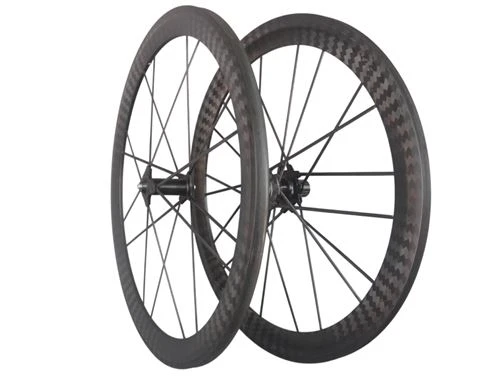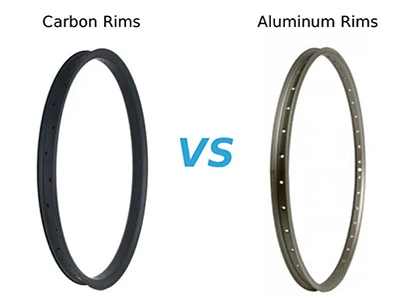

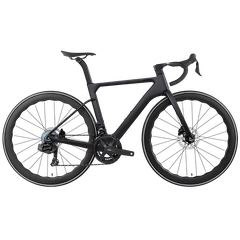
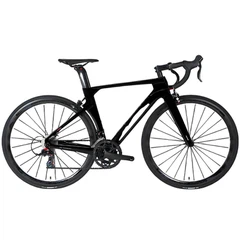




Disc brakes and rim brakes both do the same job: they help you slow down and stop safely. But they work in different ways, and each system feels different on the road. Over the past few years, more road bikes have moved to disc brakes. Still, many riders continue to prefer rim brakes for their lighter weight and simple design.
So which one is actually better?
The answer depends on how and where you ride. Weather, terrain, bike setup, and even your wheel choice all matter. In this guide, we'll compare disc brakes and rim brakes in real riding situations to help you decide what fits your needs best.
How Disc Brakes and Rim Brakes Work
Disc brakes and rim brakes use different mechanisms to slow a bicycle, although both rely on friction to reduce speed.

Disc Brakes
Disc brakes use a metal rotor mounted at the wheel hub. When the rider pulls the brake lever, hydraulic fluid or a mechanical cable activates the caliper, pressing brake pads against the rotor. The friction generated at the rotor slows the wheel.
Because the braking surface is located at the hub rather than the rim, disc brakes are less affected by water, mud, or rim wear. The braking force is also more consistent under varying weather conditions.
Rim Brakes
Rim brakes operate by pressing brake pads directly against the wheel rim. When the lever is pulled, the brake arms close, creating friction between the pads and the rim's braking surface. Since the rim acts as both the wheel structure and the braking surface, braking performance can be influenced by wet conditions, rim material, and heat buildup during prolonged braking.
This fundamental difference in braking location, hub-mounted rotor versus rim surface, plays a major role in performance, durability, and wheel compatibility.
Disc Brakes vs Rim Brakes – Key Differences
Below is a direct comparison of disc brakes and rim brakes across key performance and practical factors.
| Feature | Disc Brakes | Rim Brakes |
|---|---|---|
| Braking Power | Strong and consistent in all conditions | Moderate; reduced in wet weather |
| Wet Weather Performance | Excellent; rotor unaffected by water on rim | Reduced due to the water film on the rim surface |
| Heat Management | Heat dissipates through the rotor | Heat builds up on the rim |
| Carbon Wheel Compatibility | No brake track wear; safer on long descents | Heat can affect the carbon brake track |
| Weight | Slightly heavier due to the rotor and caliper | Lighter overall system |
| Maintenance | Hydraulic systems require periodic servicing | Simple cable adjustment and pad replacement |
| Cost | Higher initial cost | More affordable |
| Long Descents | Stable braking with reduced fade risk | Risk of heat buildup and brake fade |
| Frame & Wheel Design | Requires disc-specific frame and hubs | Compatible with traditional rim brake frames |
Disc brakes provide more consistent braking in challenging conditions and long descents. Rim brakes remain attractive for riders who prioritize lighter weight and mechanical simplicity.
Performance in Real-World Riding Conditions
While technical specifications matter, braking performance becomes most noticeable in real riding scenarios. The difference between disc and rim brakes often depends on terrain, weather, and riding intensity.

Wet Weather Riding
Disc brakes maintain consistent stopping power in rain because the braking surface (the rotor) is positioned away from road spray and clears water quickly. This provides a predictable braking response even on wet descents.
Rim brakes can lose efficiency in wet conditions. Water on the rim creates a thin film between the brake pad and braking surface, increasing stopping distance until the pads clear the moisture.
Long Mountain Descents
During extended braking on mountain descents, heat buildup becomes critical. Disc brakes dissipate heat through the rotor, reducing the risk of brake fade.
Rim brakes generate heat directly at the rim. On prolonged descents, this heat can affect braking consistency and, in extreme cases, impact rim performance.
High-Speed Road Riding
In fast road riding or racing, braking control and modulation are important. Disc brakes allow more controlled braking under heavy load and sharp corner entry. Rim brakes remain effective for dry road conditions and lightweight climbing-focused setups.
Daily Commuting
For everyday commuting on relatively flat roads, both systems provide adequate stopping power. Rim brakes offer simplicity and lighter weight, while disc brakes provide extra confidence in variable weather.
Impact on Carbon Wheels
Brake choice has a direct impact on carbon wheel performance and durability.
Heat and Carbon Brake Tracks
With rim brake systems, the braking surface is integrated into the carbon rim. During prolonged braking, especially on long descents, friction generates heat directly on the brake track. Excessive heat can affect braking consistency and, over time, contribute to surface wear.
Modern carbon rims are engineered to improve heat resistance, but thermal buildup remains a consideration for aggressive riding or mountainous terrain.

Carbon Rims Road
Send Inquiry Now

Carbon MTB Rims
Send Inquiry Now

Carbon Rims BMX
Send Inquiry Now

Carbon Rims Gravel
Send Inquiry Now

Carbon Fat Bike Rims
Send Inquiry Now
Disc Brakes and Carbon Rim Safety
Disc brake systems relocate braking force to a rotor at the hub. This design removes heat stress from the rim entirely. As a result, carbon rims used with disc brakes do not experience brake track wear or thermal loading from braking.
This allows manufacturers to optimize rim profiles purely for aerodynamics and structural performance without reinforcing a braking surface.
Structural Considerations
Disc brake wheels require reinforced hub areas to handle braking torque. Modern carbon wheels are designed specifically for disc compatibility, often using thru-axle systems to improve stiffness and alignment.
Rim-brake carbon wheels, by contrast, must balance structural strength with brake-track durability.
For riders using carbon wheels, especially in hilly terrain or variable weather, disc brake systems provide advantages in heat management and long-term rim durability.

Carbon Road Bike Wheels
Send Inquiry Now

Carbon MTB Bike Wheels
Send Inquiry Now

Carbon Wheels Gravel
Send Inquiry Now

Carbon BMX Bike Wheels
Send Inquiry Now

Carbon Time Trial Wheels
Send Inquiry Now

Carbon Fat Bike Wheels
Send Inquiry Now
Why Most Modern Road Bikes Use Disc Brakes
Over the past decade, disc brakes have become the dominant standard on new road bikes. This shift is driven by both performance advantages and frame design evolution.
Frame and Fork Design
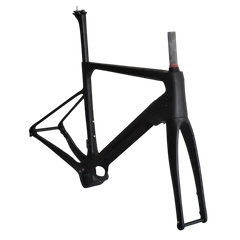
Modern carbon frames are engineered specifically for disc brake systems. Without the need for a brake track, rim design can focus on aerodynamics, structural strength, and tubeless optimization. Disc brake frames also use thru-axle systems, which improve wheel alignment and overall stiffness.

Carbon Fiber Road Frame
Send Inquiry Now

Carbon Fiber MTB Frame
Send Inquiry Now

Carbon Gravel Frame
Send Inquiry Now

Carbon Fiber Frame BMX
Send Inquiry Now

Carbon Fat Frame
Send Inquiry Now

Carbon E-bike Road Frame
Send Inquiry Now

Carbon Fat Bike Frame 26er
Send Inquiry Now

Carbon E-bike Frame MTB
Send Inquiry Now

Carbon E-bike MTB Frame
Send Inquiry Now
Improved Control in Variable Conditions
Disc brakes provide consistent braking in wet weather, on long descents, and at high speeds. For performance-oriented cyclists and endurance riders, this reliability has become a major factor in equipment choice.
Industry Adoption
Professional racing and high-end road bikes have largely transitioned to disc brake systems. As manufacturers continue to develop disc-specific wheelsets and frames, compatibility and component support have expanded across the market.
While rim brakes remain lighter and mechanically simpler, disc brakes have become the preferred choice for modern carbon road bikes and performance-focused setups.
Weight and Maintenance Considerations
Weight and maintenance are important factors when choosing between disc and rim brake systems.
Weight
Rim brake systems are generally lighter because they do not require rotors, calipers, or hydraulic components. For riders focused on climbing or building the lightest possible road setup, this can be an advantage.
Disc brake systems add weight due to the rotor and braking hardware. However, the difference has become smaller with modern lightweight designs, and many riders prioritize braking consistency over minimal weight savings.
Maintenance

Rim brakes are mechanically simple. Pad replacement and cable adjustment are straightforward and typically require minimal tools.
Disc brakes, especially hydraulic systems, require periodic inspection and may involve brake bleeding or rotor alignment. While maintenance is more technical, disc systems provide consistent performance once properly set up.
Cost
Disc brake bikes and components generally have a higher initial cost due to more complex hardware.
Rim brake systems remain a more budget-friendly option and are easier to service in basic workshop conditions.
For riders prioritizing simplicity and lower cost, rim brakes remain practical. For those seeking consistent braking in varied terrain and weather, disc brakes offer performance advantages despite slightly higher weight and maintenance complexity.
Which One Should You Choose?
Choosing between disc brakes and rim brakes depends on your riding style, terrain, and performance priorities.
Choose Disc Brakes If
You ride in wet or unpredictable weather
You frequently descend long hills or mountains
You use carbon wheelsets and want improved heat management
You prefer consistent braking under high-speed conditions
You are building a modern road or gravel setup
Disc brakes provide stable performance across varied terrain and conditions, making them the preferred option for many performance-focused riders.
Choose Rim Brakes If
You prioritize lightweight climbing setups
You ride mostly in dry conditions
You prefer mechanical simplicity
You are building a budget-friendly road bike
You already own compatible rim brake frames and wheels
Rim brakes remain practical for riders who value simplicity and minimal system weight.
FAQ
Q: Are disc brakes heavier than rim brakes?
A: Yes, disc brake systems are generally slightly heavier due to the addition of rotors and calipers. However, the weight difference has decreased significantly with modern lightweight components.
Q: Can I convert a rim brake bike to disc brakes?
A: In most cases, no. Disc brakes require a disc-specific frame and fork with proper mounting points and thru-axle compatibility.
Q: Do disc brakes slow you down?
A: Disc brakes do not slow you down during normal riding. They only engage when braking is applied. Any minor weight difference does not significantly impact overall riding speed for most cyclists.
Q: Which system is better for racing?
A: Modern professional road racing has largely transitioned to disc brakes due to braking consistency and control. However, rim brakes can still be competitive in lightweight climbing-focused setups.
Q: Do disc brakes require special wheels?
A: Yes. Disc brake systems require disc-compatible hubs and rotor mounts. Rim brake wheels cannot be used on disc brake frames because they lack rotor mounting interfaces.
Conclusion
Disc brakes offer more consistent braking in wet weather and on long descents, making them the preferred choice for most modern carbon road bikes.
Rim brakes remain lighter and simpler, suitable for riders who prioritize minimal weight and straightforward maintenance.
If you ride in varied conditions or use carbon wheels, disc brakes provide better heat management and long-term durability. The best option depends on how and where you ride, but today, disc systems have become the standard for performance road cycling.