






































What to Avoid Before Cleaning
Before you start cleaning carbon bike wheels, it helps to know what not to use. Some common cleaning habits can cause more harm than dirt itself.
Harsh Chemical Cleaners
Strong degreasers, acid-based cleaners, and solvent sprays are not designed for carbon fiber surfaces. These products can weaken the resin layer or leave dull spots on the finish. Even if the rim looks fine at first, repeated exposure may affect the surface over time.
Stick to mild soap and water instead of industrial cleaners.
High-Pressure Water
Pressure washers may seem convenient, but they can force water into hub bearings, spoke holes, and small gaps around the rim bed. This increases the risk of internal corrosion or bearing contamination. Carbon rims do not need aggressive rinsing. Use a gentle stream of water instead.
Abrasive Tools
Metal brushes, rough scouring pads, or hard plastic scrapers can scratch the rim surface or brake track. Carbon fiber wheels should be cleaned with soft cloths or sponges only.

If mud is stuck, soak it first. Do not scrape it off dry. By avoiding these mistakes, you reduce unnecessary stress on the wheel before the real cleaning even begins.
Step-by-Step Cleaning Process
Cleaning carbon bike wheels does not require special equipment. The key is to work slowly and avoid forcing dirt off the surface. Follow these steps to clean effectively without putting stress on the rim or hub components.
Step 1: Rinse
Start with a gentle rinse using low-pressure water. This helps remove loose dirt, sand, and mud before you touch the surface with a cloth or sponge. If you begin scrubbing too early, small particles can act like sandpaper.
Focus on:
The rim bed.
Around spoke nipples.
The brake area.
The hub shell.
Avoid spraying directly into hub bearings. Let the water flow across the surface rather than blasting into gaps.
Step 2: Mild Soap
Fill a bucket with warm water and add a small amount of mild dish soap. Do not use strong degreasers unless you are cleaning the drivetrain separately.
Dip a soft sponge into the solution and gently wipe the rim surface. Work in sections so you can see where dirt builds up. If the wheels have been exposed to road salt or fine dust, let the soapy water sit for a short time before wiping again. There is no need to apply heavy pressure. Let the soap do the work.
Step 3: Soft Brush
Use a soft-bristled brush for tighter areas such as around spoke holes and the rim edge. A toothbrush works well for detailed spots. Move lightly around the brake track if you use rim brakes, making sure no residue remains.
For disc brake wheels, avoid touching the rotor surface with soap unless necessary. If you do, rinse it carefully afterward.
Do not use metal brushes or hard tools at any stage.

Step 4: Dry Properly
Special Care for Brake Surfaces
Brake areas require extra attention because they experience constant friction and heat. The way you clean them depends on whether you use rim brakes or disc brakes.
Rim Brake Tracks
If your carbon wheels use rim brakes, the brake track is one of the most sensitive zones. Over time, brake pads leave small deposits of rubber and road residue on the surface. If this buildup is not cleaned properly, it can affect braking feel and consistency.
Use a soft cloth with mild soap and water to wipe the brake track gently. Avoid strong solvents unless the manufacturer specifically recommends them. After cleaning, check for:
Uneven wear.
Small chips or surface marks.
Embedded debris from brake pads.
Never sand or scrape the brake track. That can damage the surface layer.
Also, inspect your brake pads. Worn or contaminated pads can scratch the rim during your next ride.
Disc Brake Areas
For disc brake wheels, keep cleaning products away from the rotor whenever possible. Soap or oil contamination can reduce braking power. If the rotor becomes dirty, wipe it carefully with a clean cloth and isopropyl alcohol.
Avoid touching the rotor surface with your bare hands, as oils from your skin can transfer easily.
By cleaning brake surfaces with care, you maintain consistent braking performance without introducing new problems.
Matte vs Gloss Carbon Finish
| Aspect | Matte Finish | Gloss Finish |
|---|---|---|
| Surface Appearance | Flat, non-reflective look | Smooth, shiny surface |
| Sensitivity to Marks | Shows grease and fingerprints more easily | Shows swirl marks and fine scratches more easily |
| Cleaning Method | Use a soft cloth and mild soap only | Mild soap is safe; a microfiber cloth is recommended |
| Reaction to Polish | Do not use polish or wax; it can create uneven shine | Light polishing is sometimes acceptable, but avoid abrasive compounds |
| Water Spots | Less visible but may leave dull patches if wiped unevenly | Water spots are more noticeable on dark, glossy rims |
| Long-Term Care | Avoid rubbing aggressively; pat dry instead of buffing | Buff gently to prevent swirl patterns |
After-Ride Inspection
Cleaning removes dirt, but inspection helps you understand the condition of your carbon bike wheels. After the wheel is dry, take a few minutes to look closely at key areas.
Check the Rim Surface
Rotate the wheel slowly and inspect the outer rim wall. Look for:
Small cracks or chips.
Deep scratches.
Areas that appear cloudy or uneven.
Light surface marks are common. Structural cracks are not. If you notice a line that runs across the carbon layers or grows over time, it should be checked by a professional.
Inspect Spoke and Nipple Areas

Pay attention to the spoke holes and nipple seats. These areas handle tension from every ride. Make sure there are no signs of splitting, lifting edges, or unusual gaps around the holes.
Also, squeeze pairs of spokes lightly to feel if tension seems uneven. A sudden change in tension may indicate the wheel needs truing.
Examine the Hub and Bearings
Spin the wheel and listen. The rotation should feel smooth and consistent. Grinding noise, rough movement, or side play can suggest bearing contamination, especially after wet rides.
How Often Should You Clean Carbon Wheels?
How often you clean carbon bike wheels depends on where and how you ride. No fixed schedule works for everyone.
If you ride in dry road conditions, a light cleaning every few rides is usually enough. Dust and light debris can be wiped off before they build up around spoke holes and brake areas. In wet or muddy conditions, cleaning should happen after each ride. Moisture mixed with dirt can sit on the rim surface and around metal parts, especially near the hub.
You should also clean your wheels if you notice:
Visible brake residue.
Road salt after winter riding.
Sticky mud around the rim bed.
Rough rotation after a rainy ride.
Regular cleaning does not need to be deep or time-consuming. A simple rinse and wipe can prevent buildup and make inspection easier. If the wheels are stored for a long period, clean and dry them first. Leaving dirt on the surface during storage can lead to staining or trapped moisture over time.
FAQ
Q: Can I use a bike degreaser on carbon wheels?
A: You can use a mild degreaser on the drivetrain, but avoid spraying strong degreasers directly onto the carbon rim surface. Some formulas are too aggressive for the resin layer and may leave dull spots. If overspray happens, rinse it off quickly with clean water.
Q: Can I use car wax on carbon rims?
A: It depends on the finish. Gloss rims may tolerate light, non-abrasive wax, but matte finishes should not be polished. Wax can change the appearance of matte surfaces and create uneven shine.
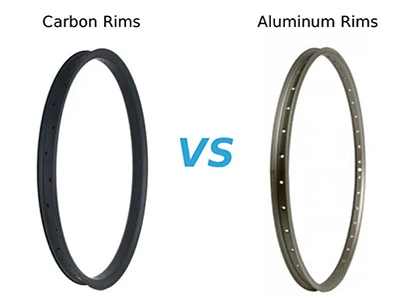
Q: Do carbon wheels require more cleaning than aluminum wheels?
A: Not necessarily more often, but they require a more careful approach. The method matters more than the frequency.
Q: How do I clean sealant residue from tubeless rims?
A: Dried sealant can be peeled off gently by hand. Avoid sharp tools that might scratch the rim bed. If needed, use a soft plastic tool and work slowly.
Q: Can frequent cleaning weaken carbon fiber wheels?
A: Cleaning itself does not weaken carbon fiber. Problems usually come from harsh chemicals, abrasive tools, or high-pressure washing. Using mild soap and soft cloths will not harm the structure.
Conclusion