




Have you ever seen "700C" printed on a tire or rim and assumed it meant the wheel is exactly 700 millimeters in diameter? The name often creates confusion, especially for riders who are comparing wheel sizes or upgrading components. In reality, the number does not describe the true rim diameter.
To understand 700C correctly, you need to look at the ETRTO (European Tyre and Rim Technical Organization) standard. This system defines rim size using the bead seat diameter, which for 700C wheels is 622 millimeters. The "700" originally referred to the approximate outer diameter of a mounted tire, not the metal rim itself.
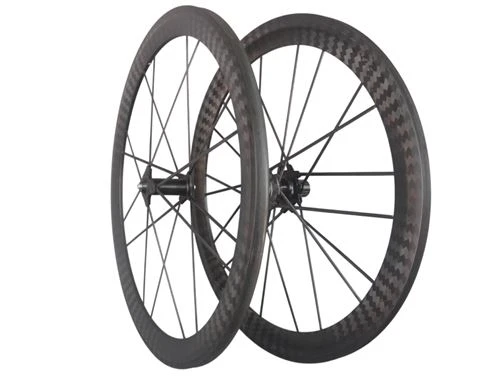
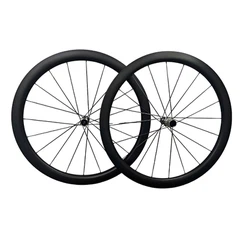
The same sizing standard applies whether you are using traditional aluminum rims or modern carbon wheels.

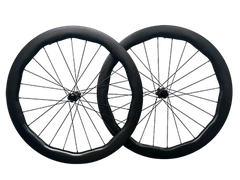
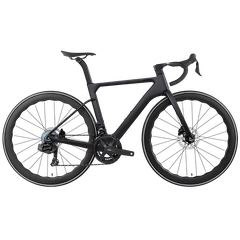
Carbon Fiber Road Wheels
Send Inquiry Now

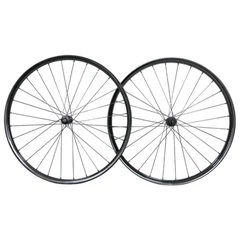
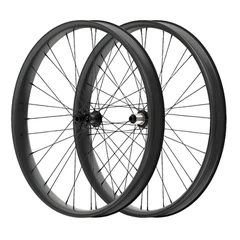
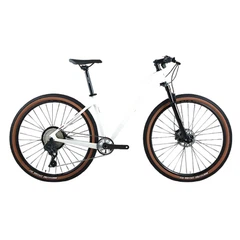
Carbon MTB Bike Wheels
Send Inquiry Now

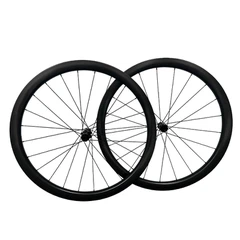
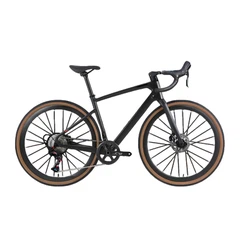
Carbon Wheels Gravel
Send Inquiry Now

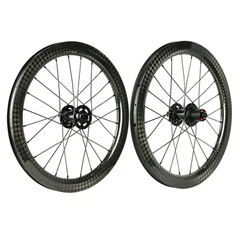
Carbon BMX Race Wheels
Send Inquiry Now

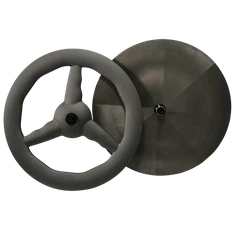
Carbon Time Trial WheelsSend Inquiry Now

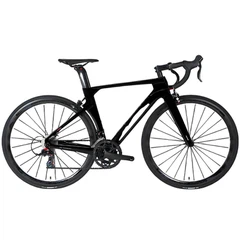
Carbon Road Bike Wheels
Send Inquiry Now
Key Takeaways
If you are unsure about 700C, the most important thing to remember is this: it is the default standard for modern road and many endurance setups. In most cases, you do not "choose" 700C , your frame is already designed around it.
What really affects your riding experience is not the label, but the combination of tire width, internal rim width, and overall wheel build. A 700C setup can feel fast and efficient on smooth roads, or stable and comfortable with wider tires on mixed terrain.
Before upgrading, check frame clearance and brake compatibility. Once those match, 700C offers one of the most practical and widely supported wheel platforms available today.
What Does 700C Really Mean?
Now that it is clear 700C does not describe a 700 mm rim diameter, it helps to understand where the name came from and how modern standards define it today.

Historical French Classification
The term "700C" originates from a French tire sizing system developed in the early 20th century. At that time, tires were categorized by their approximate outer diameter, such as 700 millimeters. Letters A, B, C, and D were then added to distinguish different tire widths within that diameter group.
Under this system:
700A referred to a relatively narrow tire.
700B represented a medium width.
700C indicated a wider option.
700D referred to the widest version.
Although the naming suggested a 700 mm size, the actual rim diameters varied. This created compatibility confusion for both riders and manufacturers. Over time, the cycling industry gradually standardized around the 700C format, and the other variations were discontinued.
Because the early system lacked precise dimensional control, a more accurate standard eventually replaced it.
Modern ISO / ETRTO Standard
Today, rim sizing follows the ISO and ETRTO system, which defines wheels by their bead seat diameter (BSD). For 700C wheels, the official BSD is 622 mm. This measurement represents the exact diameter where the tire bead sits inside the rim.

Unlike the old naming method, the ETRTO standard provides clear compatibility. Any tire marked 622 mm will fit a 622 mm rim, regardless of branding. This standardized measurement removes ambiguity and ensures consistent tire-to-rim matching across different manufacturers.
Actual 700C Dimensions Explained
Although 700C is commonly associated with a 700 mm wheel, that number does not represent the rim itself. The rim diameter, defined by the bead seat diameter, is 622 mm. This is the fixed measurement that determines whether a tire will fit the rim.
The outer diameter, however, depends on the tire that is mounted. When a tire is installed, its height adds to the overall size of the wheel. A narrow 23 mm tire produces a smaller overall diameter than a wider 40 mm tire on the same 622 mm rim. Tire casing shape and air pressure can also cause slight variations.
This means that two bikes using 700C rims may have slightly different total wheel diameters, depending on tire choice. Understanding this difference helps you select tires that match your frame clearance and riding needs without relying only on the "700C" label.
700C Tire Width and Compatibility
After understanding the actual rim diameter of 700C wheels, the next practical question is compatibility. A 622 mm rim can support a wide range of tire widths, but not every setup fits every bike.
Common Tire Ranges
Most 700C rims support tires from 23 mm to 50 mm, depending on rim internal width and frame clearance.
23–28 mm: Common on road bikes, focused on speed and lower rolling resistance.
30–38 mm: Often used on endurance and touring bikes for added comfort.
40–50 mm: Typical for gravel setups, offering more traction and shock absorption.
While the rim diameter remains 622 mm, the mounted tire width changes the overall wheel volume and ride characteristics.
Frame and Brake Compatibility
Even if a tire fits the rim, it must also clear the frame and fork. Racing frames usually allow narrower tires, while gravel and hybrid frames provide more space.
Brake systems also matter.
Rim brake bikes may have tighter clearance compared to disc brake models, which typically allow wider tires.
Clincher vs Tubeless vs Tubular
700C rims are available in different configurations:

Clincher: Uses inner tubes; easy to install and maintain.
Tubeless: Runs without tubes; allows lower pressure and improved comfort.
Tubular: Glued tires; lightweight and race-focused.
Internal Rim Width and Modern Performance
Beyond overall diameter, internal rim width plays a major role in how a 700C wheel performs. The internal width refers to the distance between the inner walls of the rim where the tire bead sits. Modern 700C rims commonly range from 19 mm to 30 mm, depending on their intended use.
19 mm internal width is often found on traditional road setups using 23–25 mm tires.
21 mm offers a balanced option for 25–28 mm road tires.
25 mm supports wider road or light gravel tires, improving volume and stability.
30 mm is typically designed for gravel or adventure builds using larger tires.
A wider internal rim changes the tire's profile. Instead of forming a tall, rounded shape, the tire sits slightly wider and more stable. This improves cornering support and creates a larger contact patch without increasing outer diameter significantly.
Modern trends favor wider internal rims because they enhance control, comfort, and consistency at lower pressures.
As tire technology evolves, rim design has shifted to better support modern riding styles rather than focusing only on narrow, high-pressure road setups.
700C vs 650B
Both 700C and 650B wheel sizes are common in modern road and gravel bikes. While they may look similar, their dimensions and ride characteristics differ in meaningful ways.
| Feature | 700C Wheels | 650B Wheels |
|---|---|---|
| Bead Seat Diameter (BSD) | 622 mm | 584 mm |
| Typical Tire Width Range | 23–50 mm | 35–60 mm |
| Overall Wheel Diameter | Larger | Smaller |
| Rolling Efficiency | Higher on smooth roads | Slightly lower on the pavement |
| Acceleration Feel | Strong momentum once moving | Quicker initial acceleration |
| Handling | Stable at higher speeds | More agile in tight terrain |
| Comfort Potential | Depends on tire width | Often higher with wide, low-pressure tires |
| Common Use | Road, endurance, gravel | Gravel, adventure, mixed terrain |
700C vs 29 Inch Wheels
At first glance, 700C and 29-inch wheels seem like completely different sizes. In reality, they share the same bead seat diameter of 622 mm. The difference lies in tire width and intended use.
A 700C wheel is typically paired with narrower road or gravel tires, usually ranging from 23 mm to around 45 mm. These setups focus on efficiency, speed, and consistent handling on paved or mixed surfaces.
A 29-inch wheel uses the same 622 mm rim diameter but is combined with much wider mountain bike tires, often 2.1 to 2.6 inches (roughly 53–66 mm). The larger tire volume increases overall wheel diameter and adds cushioning for off-road terrain.
Because of these wider tires, 29-inch setups emphasize traction and obstacle rollover rather than pure speed.
Frame geometry is also different. Mountain bike frames are built to accommodate thicker tires and greater suspension travel.
So while 700C and 29-inch rims share the same core diameter, the riding experience depends heavily on tire width, terrain, and bike design rather than the rim measurement alone.
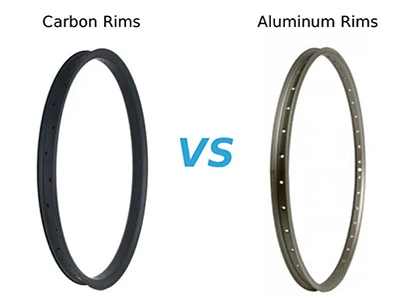
The choice of rim material, whether traditional aluminum or modern carbon rims, does not affect the 622 mm bead seat diameter standard. However, material differences can influence overall weight, stiffness, and ride feel.

Carbon Road Rims
Send Inquiry Now

Carbon MTB Rims
Send Inquiry Now

Carbon Rims BMX
Send Inquiry Now

Carbon Rims Gravel
Send Inquiry Now

Carbon Fat Bike Rims
Send Inquiry Now
Key Strengths and Real-World Limitations of 700C Wheels
While 700C wheels are widely adopted, their advantages and trade-offs become clearer when viewed in practical riding conditions.
Key Strengths
One of the main strengths of 700C wheels is their efficiency during steady riding. Once up to speed, they maintain momentum well and feel stable on long stretches of pavement.
Their geometry also supports predictable handling at higher speeds. Riders often experience a balanced steering response during sustained efforts, especially on open roads. Another advantage of 700C wheels is component availability. Because the 622 mm standard is widely adopted across the industry, tires, rims, and complete wheelsets are easy to source. Both aluminum and carbon wheel options are available at different performance levels, making upgrades or replacements straightforward.
Real-World Limitations
However, 700C wheels are not ideal for every situation. Compared to smaller wheel sizes, they may feel slightly less agile in tight, technical terrain. The larger diameter can also reduce clearance options on compact frames.
In off-road environments requiring very wide tires and maximum cushioning, alternative sizes may provide better flexibility.
Conclusion
Understanding what 700C really means helps you make better decisions when selecting wheels and tires. The 700C standard remains widely used because it offers compatibility across road, endurance, and many gravel setups.
Choosing the right configuration depends on how and where you ride, as well as your frame and component compatibility.
For riders seeking lighter and more performance-focused options, modern 700C carbon rims and wheelsets provide precise construction and optimized structural design.
Rim depth, internal width, and material layout all influence how a wheel responds under real riding conditions.
At Carbon World, we develop 700C carbon wheel solutions designed around durability, consistency, and practical performance needs. Whether you are building a road setup or refining a gravel configuration, selecting the right rim structure can make a noticeable difference in long-term riding efficiency.
FAQ
Q: Is 700C the same as 28-inch wheels?
A: Not exactly. Although the sizes are often used interchangeably in casual language, different regional naming systems can confuse. Always check the bead seat diameter (622 mm) instead of relying on the label alone.
Q: Does rim depth affect 700C performance?
A: Yes. Deeper rims can improve aerodynamic performance at higher speeds but may increase sensitivity to crosswinds. Shallower rims tend to offer more stable handling in varied wind conditions.
Q: Do wider internal rims change tire pressure recommendations?
A: They can. A wider internal rim supports the tire differently, which may allow slightly lower pressures while maintaining stability. Always follow manufacturer guidelines when adjusting pressure.
Q: Are carbon 700C rims stronger than aluminum?
A: Strength depends on design and intended use. Carbon rims are often lighter and can be engineered for stiffness and aerodynamics. Aluminum rims are generally more impact-tolerant in extreme conditions. Material choice should match riding style and terrain.
Q: How do I know if my frame supports wider 700C tires?
A: Check the manufacturer's tire clearance specification. Frame design, fork width, and brake type determine maximum tire size. Measuring available space before upgrading helps prevent fitment issues.
Q: Do carbon 700C wheels change ride feel?
A: They can. Carbon rims are typically stiffer laterally, which can enhance power transfer. Ride comfort, however, depends more on tire width and pressure than rim material alone.
Q: Can I customize carbon 700C wheels for specific riding needs?
A: Yes. A 700C wheelset can be customized in terms of rim depth, internal width, spoke count, and hub selection. These adjustments allow you to tailor performance based on road racing, endurance riding, or mixed-terrain use.