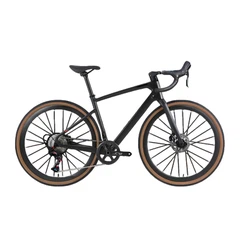
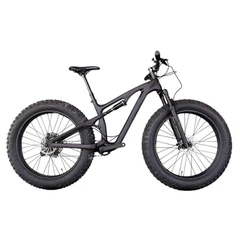
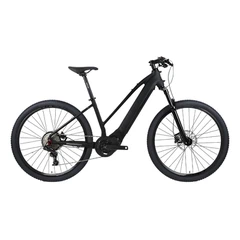
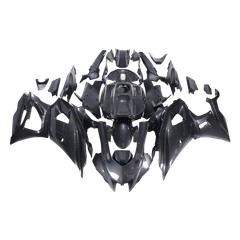
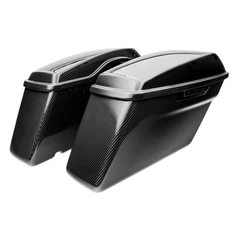
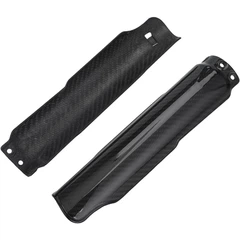
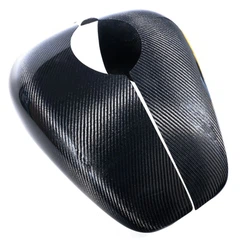
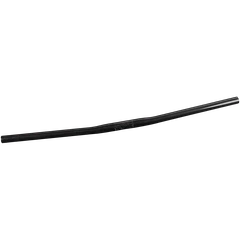
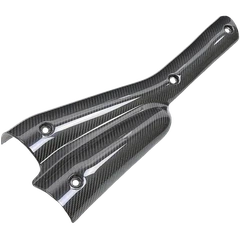
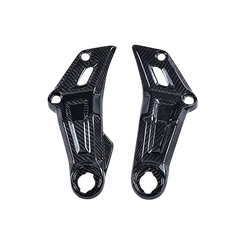
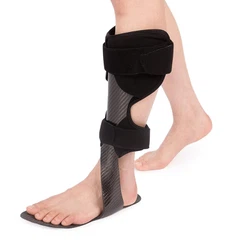
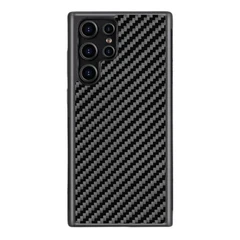
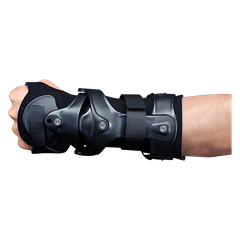
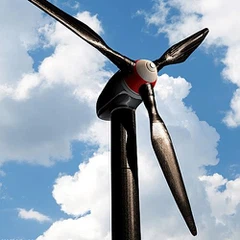
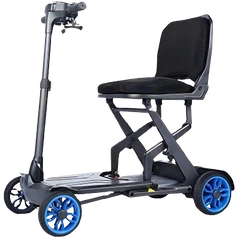
Carbon fiber, with its lightweight and high-strength properties, is revolutionizing numerous industries, from sporting goods and bicycles to aerospace and automotive manufacturing. This advanced material is benefiting every industry. Whether you're creating a shell for a motorcycle, a racing car, or a drone, mastering the art of carbon fiber fairing production can significantly reduce costs while achieving professional-grade appearance and performance.
The fairing manufacturing process includes several key steps, including design, forming, cutting, layup, curing, trimming, and finishing. Each step requires precise techniques and extensive experience to ensure the final product possesses perfect structural strength, surface finish, and aerodynamic performance.
Understanding Carbon Fiber Fairings
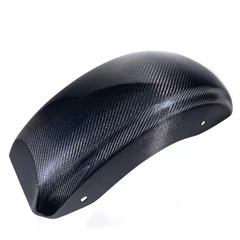
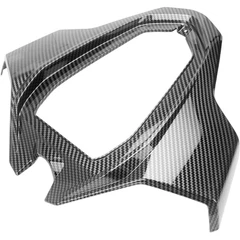
Carbon fiber fairing is a lightweight, high-strength body panel constructed from a composite of multiple layers of carbon fiber fabric and resin. It's designed to improve aerodynamics, reduce vehicle weight, and create a more technologically advanced look for motorcycles, cars, bicycles, and even drones.
As the outer shell or cover of a vehicle, a fairing's primary function is to optimize airflow distribution and reduce air resistance, thereby increasing speed and fuel efficiency. Fairings made of carbon fiber are up to five times stronger than steel, yet significantly lighter, resulting in superior rigidity, impact resistance, and high-temperature resistance.
At Carbon World, we meticulously craft a line of both stock and custom carbon fiber fairings using advanced, precision heat-pressing technology. Each fairing is meticulously designed for a perfect fit, lightweight performance, and a unique visual impact. Carbon World delivers exceptional quality for every vehicle. We've produced complete kits for many major international brands, including BMW, Kawasaki, Yamaha, Ducati, KTM, Aprilia, Honda, and many more.
Features of Carbon Fiber Fairings
Lightweight
Carbon fiber has a density of only 1.6g/cm³, significantly reducing weight compared to traditional metal or plastic materials. For example, the BMW S1000RR's carbon fiber fairing reduces the weight of the front of the vehicle by over 30%, helping to improve handling and acceleration. This is especially true during high-speed cornering or tight turns, as the lighter fairing reduces inertia and enhances responsiveness.
High Strength and Rigidity
Carbon fiber has a tensile strength five times that of steel, allowing it to withstand greater impact and stress. During collisions or aggressive driving, a carbon fiber fairing effectively protects critical vehicle components while maintaining structural stability and minimizing the impact of vibration or deformation on vehicle performance.
Optimized Aerodynamics
Carbon fiber fairings, through precise design, optimize aerodynamics, reducing wind resistance, wind noise, and energy consumption at high speeds.
Personalization
The unique texture and feel of carbon fiber lend a distinctive visual effect to motorcycles, enhancing their sporty and technological presence. Many high-end models, such as the Ducati Panigale V4 R and the BMW S1000RR, feature carbon fiber fairings that showcase racing-grade exteriors, satisfying consumers' pursuit of individuality and high performance.
Durability
Carbon fiber offers excellent corrosion and aging resistance, making it resistant to rain, sunlight, and chemical damage, ensuring long-term stability in appearance and performance.
Step-by-Step Process to Make Carbon Fiber Fairings
1. Design & Mold Creation
During the design and mold creation phase, the fairing shape is precisely designed using CAD or 3D modeling software. A mold is then fabricated based on the design. Molds can be made from fiberglass, aluminum alloy, or CNC. During the design process, attention must be paid to the direction and thickness of the carbon fiber layup to ensure the strength and rigidity of the carbon fiber fairing. For complex shapes, parting holes or locating pins can be added to the mold to facilitate subsequent mold removal.
2. Cutting Carbon Fiber Sheets
Use specialized carbon fiber sheet cutting equipment to avoid rough edges and loose fibers. Different types of carbon fiber sheets (such as twill, plain, and unidirectional) should be handled separately during cutting. Precisely cut the carbon fiber sheets to the mold dimensions, and arrange the fiber orientation appropriately to enhance the tensile strength of the fairing.

3. Surface Preparation
During the surface preparation stage, thoroughly clean the mold surface of dust and impurities to prevent dents and surface defects on the finished product. Apply a release agent evenly to the cleaned mold surface to ensure easy demolding of the carbon fiber fairing and prevent sticking.
4. Lay-Up Process
During the lay-up and resin application phase, the carbon fiber sheeting should be laid layer by layer on the mold according to the design sequence. Resin should be evenly applied using a wet lay-up method or pre-preg, ensuring that the fibers adhere closely to the mold surface and preventing air bubbles or voids. Additional layers can be added to high-stress areas such as edges, corners, and joints to enhance local strength and rigidity.
5. Vacuum Bagging
During the vacuum bagging stage, the laid carbon fiber layers are wrapped with vacuum film and breathable cloth, and then evacuated using a vacuum pump. The vacuum pressure effectively removes air, enhancing the permeability of the resin, allowing the carbon fiber and resin to fully bond, eliminating air bubbles and voids, and ultimately improving the fairing's structural strength, surface smoothness, and overall consistency.
6. Curing Process
During the curing process, room temperature or heat curing (oven or hot plate) should be selected depending on the resin type used. For prepreg materials, the manufacturer's specified temperature profile and curing time must be strictly followed to ensure the material's mechanical properties and structural stability. After curing, the finished product should be allowed to cool naturally to room temperature to avoid thermal stress caused by temperature differences that could cause the fairing to warp or deform, thereby ensuring the final product's precise dimensions and excellent strength.
7. Demolding & Trimming
During the demolding and trimming phase, the cured fairing should be carefully removed from the mold to avoid scratching or damaging the surface. Use cutting and trimming tools to smooth out uneven joints and burrs, ensuring smooth, dimensionally accurate fairing edges and dimensional accuracy, preparing for subsequent surface treatment and installation.
8. Finishing
During the surface treatment and protection phase, sandpaper should be used to smooth the fairing's edges and surface to ensure a smooth, burr-free finish. A clear varnish or UV protective paint can then be applied to enhance the surface gloss and weather resistance, thereby extending the fairing's lifespan and maintaining its aesthetic appeal. The entire carbon fiber surface can be labeled and designed with a logo upon request.

In short, the production of a carbon fiber fairing is a systematic process that blends precision design, material science, and craftsmanship. From digital model to physical mold, from layer by layer of carbon cloth to a sturdy finished product, every step is crucial. Only by mastering the entire carbon fiber production process can we fully unleash the potential of carbon fiber, ultimately achieving the perfect balance between performance, aesthetics, and durability, and giving the vehicle a completely new look.