

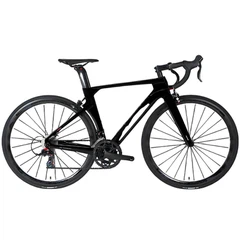
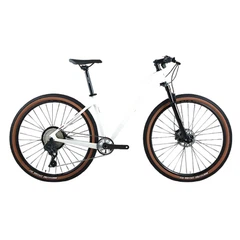
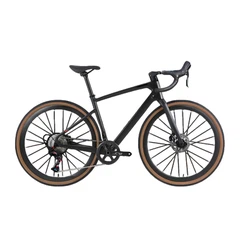
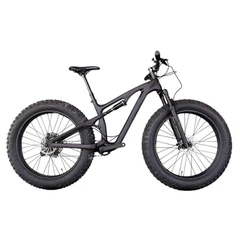


Introduction
When it comes to upgrading your bike, the debate between aluminum and carbon fiber never ends! Both materials have shaped modern cycling with unique strengths that appeal to different riders. Carbon fiber delivers feather-light speed and precision, while aluminum offers rugged reliability at a lower price.
In this article, we'll break down the differences between aluminum vs carbon fiber bikes, from weight, stiffness, comfort, and price to real-world performance insights. Whether you're a competitive racer or weekend cyclist, this guide helps you find the best frame for your riding style and budget.
What is Carbon Fiber?
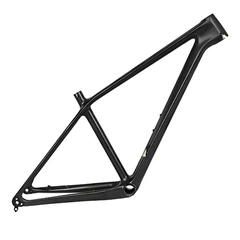
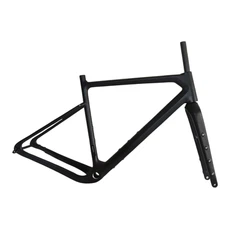
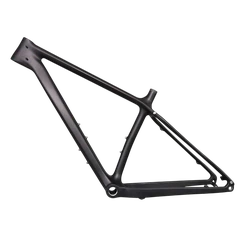
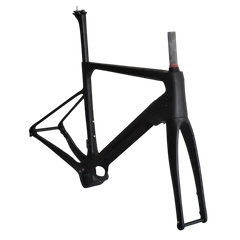
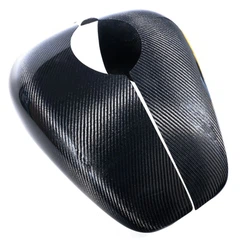
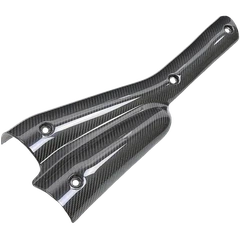
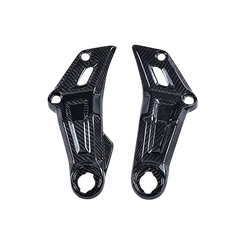
Carbon fiber is a high-performance composite material composed of tightly packed, ultrafine bundles of carbon atoms arranged in a crystalline pattern. This unique structure imparts exceptional strength, lightness, and stiffness, making it one of the most advanced materials in modern engineering. Highly regarded in the bicycle industry, its "mysterious" properties are particularly captivating. Carbon fiber's greatest characteristic is its ability to combine strength and flexibility. Its density is remarkably low, only about one-quarter that of steel, yet its strength is exceptionally high, with a tensile strength typically exceeding 3500 MPa, eight to ten times that of ordinary steel. This means that while maintaining strength, the use of carbon fiber can significantly reduce weight.

What is aluminum?
Aluminum is a lightweight, durable, and cost-effective metal. It has the advantages of light weight, good elasticity, moisture resistance, and good oxidation resistance. Aluminum is known for its excellent strength-to-weight ratio, achieving a perfect balance between performance and price, making it one of the most popular materials for modern bicycles.
Weight vs. Stiffness
Carbon Fiber:
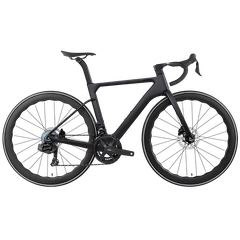
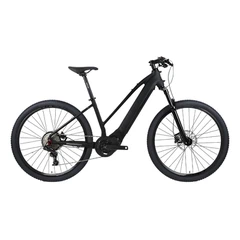
Carbon fiber bike, the most important characteristics are its lightness, shock absorption, and excellent comfort. It also boasts a high degree of elasticity, excellent shock absorption, and a stable ride. It also offers excellent traction and comfort over long distances.
To preserve its properties, the carbon fiber is impregnated with epoxy resin (a gel-like material) before being molded, creating a composite material. Most carbon fiber used in the bicycle industry is processed in this manner, a process called "pre-preg."
The resin performs two tasks. First, it holds the carbon fibers together. Second, it adds toughness and durability. This slight plasticization allows it to deform after impact (such as a crash or a rockfall), helping to absorb the shock without causing severe fiber tearing.

Aluminum:
Aluminum alloy, an alloy material primarily composed of aluminum, offers advantages such as light weight, excellent elasticity, moisture resistance, and excellent oxidation resistance. Aluminum alloy bicycles are suitable for light, fast riding, energy-saving, and stylish riding. However, aluminum alloy bicycles have the disadvantages of being more expensive than high-carbon steel and lacking in strength. Aluminum alloys are prone to permanent deformation and cannot withstand excessive impact and torque. However, they offer excellent power transmission, providing a direct and energetic riding experience, making them ideal for riders who prioritize instant feedback and sprinting power.
Frame Geometry and Actual Ride Feel
Stiffness isn't solely a function of the material-frame design, and tube shapes are equally important. A well-designed aluminum frame can be nearly as stiff as a carbon fiber frame, while a high-quality carbon fiber frame offers a blend of smooth compliance and explosive power. When climbing or sprinting, the carbon frame gives people a "floating" feeling, while the aluminum alloy frame feels light and responsive, closely connected to the road.
Comfort and Ride Quality
Carbon Fiber:
Carbon fiber has a unique molecular structure that absorbs vibrations rather than transmitting them. This means your hands, arms, and back won't tire on long rides. Its adjustable layup allows manufacturers to design frames with subtle flex in specific areas, resulting in a smoother, more controlled ride without sacrificing efficiency.
Aluminum:
Aluminum frames are generally stiffer and more direct, transmitting more feedback from the road. This makes them feel more agile and responsive, making them ideal for racers or commuters who prefer a stable, connected ride. However, the downside is that the extra stiffness can lead to more vibration on rough terrain and increase fatigue over time.
Other Comfort Factors: Tires and Wheels
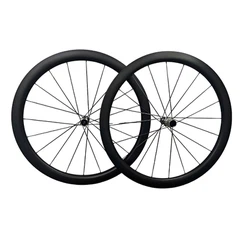
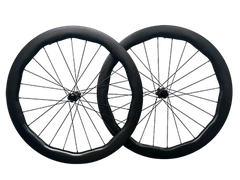
Comfort isn't entirely determined by frame material. Wider tires, lower tire pressures, and carbon wheels can significantly improve the ride quality. For example, a well-tuned aluminum bike with tubeless tires can be almost as smooth as a carbon bike on the same route.
Durability and Repair
Carbon Fiber
Carbon fiber has a high strength-to-weight ratio, making it very strong relative to its weight. However, it is more susceptible to localized damage. A severe impact can cause internal delamination or cracks, which may not be visible externally. Carbon fiber can be repaired, but this requires specialized skills, epoxy resin, and sometimes replacement of the damaged section, making repairs more expensive and time-consuming.
Aluminum
Aluminum frames are generally more resistant to minor bumps and dents, and minor dents generally do not affect overall performance. Repairs are generally easier and less expensive, usually involving welding or replacing the frame, but repeated stress can cause metal fatigue, which may shorten the frame's lifespan.
Maintenance Considerations
Carbon fiber frames require careful handling, especially during transportation, collisions, or severe impacts. Aluminum frames are more forgiving and can withstand rougher treatment, making them a good choice for beginners or cyclists who ride on rough terrain.
Price Comparison
Carbon Fiber Bicycles:
Carbon fiber frames and carbon wheels require complex manufacturing processes, such as layup, curing, and mold production. This drives up production costs, making carbon fiber bicycles more expensive than aluminum bicycles. High-end carbon fiber bicycles range in price from $2,000 to $10,000, depending on components, brand, and customization requirements.
Aluminum Bicycles:
Aluminum is cheaper and easier to manufacture, making aluminum bicycles more cost-effective, typically priced between $500 and $3,000. While slightly heavier, aluminum bicycles still offer excellent stiffness, durability, and ride quality, making them suitable for both everyday and competitive riding.
When evaluating price, consider long-term use, maintenance costs, and performance advantages. While carbon fiber requires a higher initial investment, its lightweight and aerodynamic advantages can enhance performance in racing and long-distance rides. Aluminum offers an affordable and reliable ride for all types of cyclists.

Which One Should You Choose?
Cyclist Type:
Commuters and leisure cyclists: Aluminum offers a durable, low-maintenance, and affordable option.
Competitors and performance cyclists: Carbon fiber offers lightweight, strong, and aerodynamic advantages for increased speed and efficiency.
Mountain bikers and adventure cyclists: Aluminum is tough and resilient, while carbon fiber is lighter and provides better vibration damping on long or technical trails.
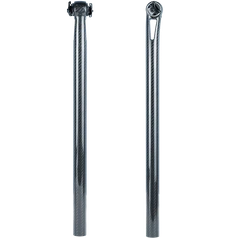
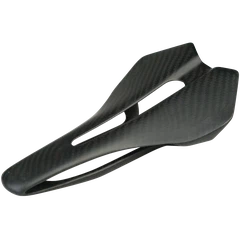
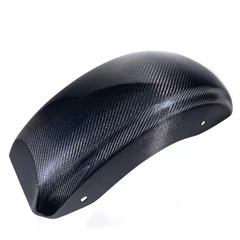
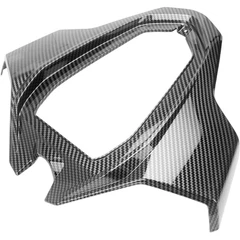
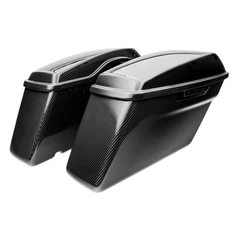
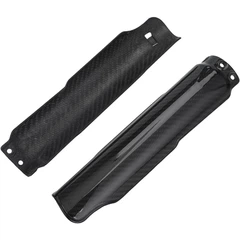
Carbon World specializes in high-end carbon fiber bikes and components. We can design and custom-build any bike part you require based on your specifications.
In short:
Cycling is not only a means of transportation, but also a healthy and environmentally friendly way of life. Bicycles, with their unique charm, provide cycling enthusiasts with a better riding experience. I hope everyone can bravely take the first step, embrace cycling, and choose a bicycle that suits them. Whether it's a carbon fiber or aluminum bicycle, you can feel the freedom of the wind while riding, enjoy the scenery along the way, and start a new chapter of a healthy and beautiful life.


