

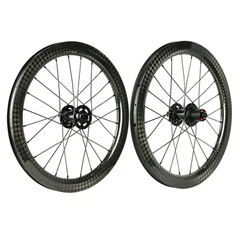
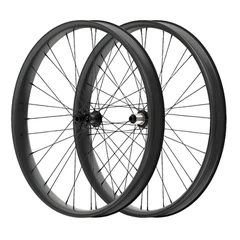
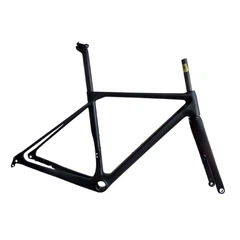
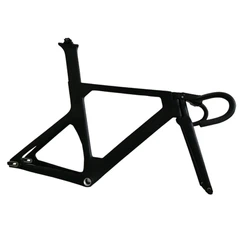
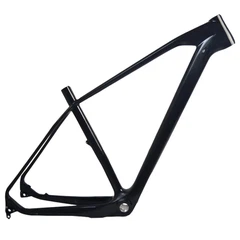
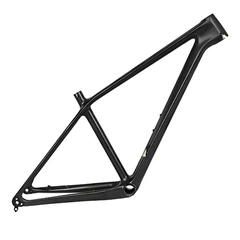
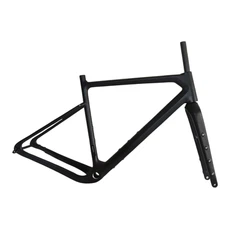
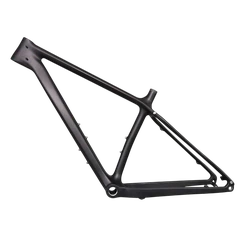
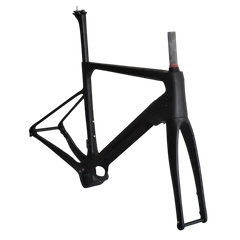
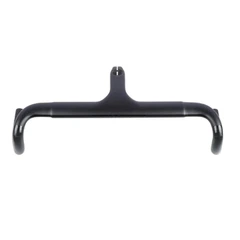
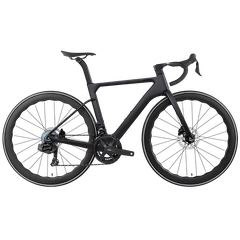
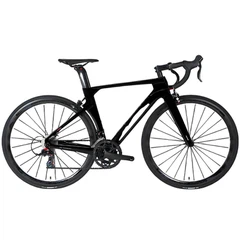
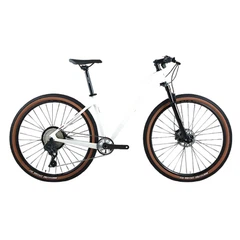
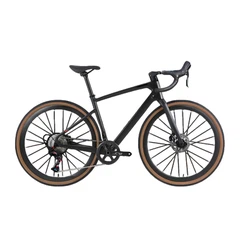
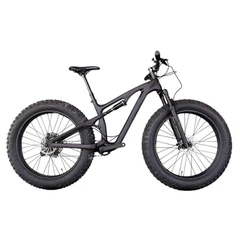
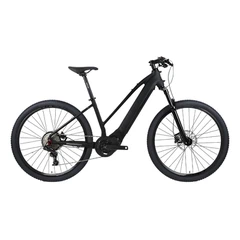



Storing your bicycle away means maintaining and storing it for an extended period during the winter to ensure its performance is not affected the following year. If you don't store it away during the winter, you might find cracked tires, a chain so dirty it's difficult to pedal, or even stubborn black spots on the paint. This guide explains how to store your bike for winter step-by-step, whether you ride a road, mountain, or carbon bike, so it's ready to go when spring returns.

Should You Store Your Bike for the Winter?
If your area experiences harsh winter weather, such as severe cold or heavy snow, or if you don't plan to ride in the winter, storing your bicycle is a good option. It allows the bicycle to receive adequate maintenance and rest, extending its lifespan. However, if your area has relatively mild winter weather, or if you have a habit of riding in the winter, you don't need to store your bicycle, but you still need to perform appropriate maintenance. Proper winterizing of your bike not only protects its components but also ensures smoother rides when spring returns.
Step-by-Step Winter Bike Storage Guide
Whether you're storing your bike indoors or in a cold garage, proper maintenance steps will prevent corrosion, keep tires in shape, and protect the drivetrain from moisture.
1. Thorough Cleaning: Wipe away surface dust with a damp towel. Avoid washing the bicycle directly with water to prevent moisture from entering the parts and causing rust. For the chain, chainring, freewheel, and other drivetrain components, use a tissue with alcohol to wipe away oil and dirt.
2. Rust prevention treatment: Spray rust-preventive lubricant on areas prone to rust, such as screws, brake cables, and gearshift cables. Apply a wet chain oil to the chain, as it has good penetration and long-lasting properties.

3. Adjusting Components: Adjust the drivetrain to have the smaller chainring drive the smaller freewheel, so that the rear derailleur and chain are in their most relaxed state, avoiding prolonged tension that can lead to reduced spring tension and chain fatigue. For single-chainring bicycles, consider using chain pliers to remove and store the chain. For disc brake bicycles, prepare brake pad protectors to insert between the brake pads to prevent them from locking up.
4. Component Adjustment: Adjust the drivetrain to a small chainring with a small cassette, ensuring the rear derailleur and chain are in their most relaxed state. This prevents prolonged tension from causing spring tension loss and chain fatigue. For single-chainring bicycles, consider using chain pliers to remove and store the chain. For disc brake bicycles, prepare brake pad protectors to insert between the brake pads to prevent them from locking up.
5. Tire Maintenance: Inflate tires to 70-80% of their normal pressure to prevent tire deformation from prolonged deflation. If possible, suspend the bicycle or remove the wheelset for separate storage. Otherwise, prolonged support of the wheelset on a single point of contact with the ground may cause wheel deformation and wobble.

Storage Environment
The quality of winter storage has a direct impact on the lifespan and performance of your bicycle. Whether stored in a garage, basement, or storage room, maintaining suitable temperature and humidity is crucial.
Temperature Control: Keep the storage environment between 10–20°C. A temperature that is too low will harden rubber parts and cause seals to age, while a temperature that is too high may damage carbon fiber or paint.
Humidity Management: Maintain relative humidity below 60% to prevent metal parts from rusting and carbon fiber from absorbing moisture. Use a dehumidifier or desiccant.
Avoid Direct Sunlight: Ultraviolet rays can cause paint fading, resin aging, and plastic parts becoming brittle. Choose a cool or shaded storage location.
Clean and Dry Environment: Do not place the bicycle near fertilizers, cleaning agents, or other corrosive chemicals to avoid oxidation or frame discoloration.
Proper Placement: Keep the bicycle upright or hanging whenever possible to avoid prolonged pressure on the wheels or frame. Use a breathable dust cover to prevent dust while maintaining airflow.

Extra Tips for Long-Term Storage
Remove Accessories and Electronics
Take off lights, computers, bottles, and bags. This prevents battery drain, mold growth, and corrosion caused by trapped moisture.
For electronic components, remove the batteries or store them separately to extend their lifespan.
E-Bike Battery Care
If you're storing an e-bike, disconnect the battery and keep it indoors at 50–70% charge in a dry, temperature-controlled environment (ideally 10–20°C). Avoid full discharge or overcharging - it shortens the battery's service life.
Positioning and Suspension
Avoid hanging your bike upside down, especially if it uses hydraulic disc brakes. This can cause air bubbles to enter the brake lines, leading to spongy levers later. Instead, hang the bike by the frame or wheels using padded hooks or a wall rack.
Carbon Bike Protection
For carbon fiber frames, never rest the bike on sharp or hard-edged hooks - they can leave pressure marks or even cause micro-cracks.
Use soft, padded supports and make sure no point on the frame bears prolonged pressure.
Spring Bike Preparation
1. Check tire pressure: Inflate tires to their recommended PSI; cold weather can cause pressure loss.
2. Clean and relubricate the drivetrain: Wipe down the chain, cassette, and derailleurs, then apply fresh lubricant for smooth shifting.
3. Inspect brakes and shifters: Ensure cables, pads, and levers are
4. Check bearings and suspension: Spin the wheels and test the fork or shock for smooth operation.
In short, proper maintenance and storage of bicycles during winter are crucial. Following the correct sealing procedures can help bicycles maintain good performance in the coming year, allowing cycling enthusiasts to continue enjoying their rides.
Q: Can I store my bike in a cold garage?
A: Yes - as long as it's dry. Use a cover to prevent condensation and rust.
Q: Should I deflate my tires completely?
A: No. Keep them at about 70–80% pressure to maintain tire shape.
Q: Can I hang my bike for storage?
A: Yes, hanging saves space - just use padded hooks or wheel hangers to protect the rims.
Q: How should I store my carbon bike?
A: Store in a stable environment; avoid pressure points on the frame and keep it clean and dry.