




When you start looking for a wrist brace, one question comes up quickly: What is the best material for wrist braces? It sounds simple, but the answer depends on what kind of support you need. Some wrist braces are soft and flexible. Others are firm and protective. The material affects how the brace feels on your skin, how much support it gives, and how comfortable it is to wear throughout the day.
If you only need light support, a soft fabric brace may be enough. If you need stronger stabilization, the material becomes much more important. Weight matters too. A heavy brace can feel bulky, especially if you need to wear it for long hours. That is why material choice should never be treated as a small detail.
In this guide, you will look at the most common materials used in wrist braces, compare their strengths and limits, and see why some users prefer more advanced options like a Carbon Fiber Wrist Brace for better support, lighter weight, and a cleaner fit.
What Is a Wrist Brace?
A wrist brace is a support device that helps keep your wrist in a more stable position. You wear it to reduce strain, limit certain movements, and give the joint extra support during daily activity or recovery.

Some wrist braces are soft and flexible. Others are more rigid and designed to hold the wrist more firmly. You might use a wrist brace for mild discomfort, sports support, repetitive strain, or after an injury. In some cases, it can also help you feel more secure during work or exercise.
Why Wrist Brace Material Matters
The material of a wrist brace affects more than just how it looks. It changes how the brace feels, how long you can wear it, and how much support it gives your wrist.
Comfort and Daily Wear
If the material is too stiff, too heavy, or too warm, you may not want to wear the brace for long. A softer material may feel better on your skin, while a lighter material can make daily wear easier. If a brace feels bulky or traps too much heat, it can become annoying during work, rest, or exercise.
Support and Function
Different materials also provide different levels of support. Some are better for light compression. Others are made for stronger stabilization and less movement.
That is why the best wrist brace material depends on your needs. If you want light support, soft materials may work well. If you need stronger structure and longer wear, the material becomes a much bigger part of the decision.
Common Materials Used in Wrist Braces
Wrist braces are made from different materials because people need different kinds of support. Some materials feel soft and flexible. Others are stronger and more rigid. The best choice depends on how you plan to use the brace.
Carbon Fiber Wrist Braces
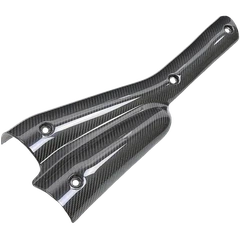
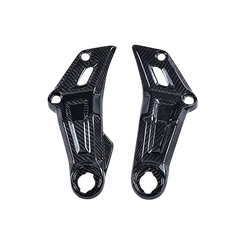
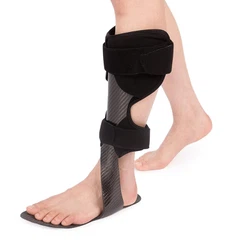
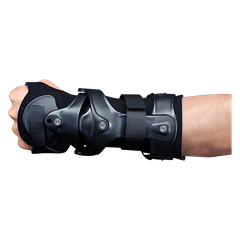
Carbon fiber wrist braces are known for being strong but light. This is one of the main reasons some users prefer them over more traditional materials. If you need firm support, a Carbon Fiber Wrist Brace can help stabilize the wrist without adding too much bulk.
Another benefit is the slimmer structure. Carbon fiber can provide support in a thinner form, which may feel cleaner and easier to wear during daily activities. For users who want a brace that feels more supportive without feeling heavy, this material can be a strong option.

Carbon Wrist Brace
Send Inquiry Now

Carbon Wrist Brace
Send Inquiry Now
Neoprene Wrist Braces
Neoprene wrist braces are soft, flexible, and easy to wear. They are often used for mild support and light compression. If your wrist needs warmth and a close fit, neoprene may feel comfortable.
Still, neoprene is not the best choice for every situation. It can trap heat, especially if you wear it for long hours. It also does not give the same level of firm support as more rigid materials.
Elastic and Fabric Wrist Braces
Elastic and fabric wrist braces are common in daily wear products. They usually feel breathable and flexible, which makes them a practical option when you want light support without too much restriction.
These materials are often a good fit for mild discomfort or light strain. They allow more movement, but that also means they usually provide less structure than stronger materials.
Plastic Wrist Braces
Plastic wrist braces are used when more shape and support are needed. They can hold the wrist more firmly than fabric-based designs, which may help when movement needs to be limited.
The downside is that plastic can feel bulky. Some users also find it less comfortable during extended wear, especially if the shape does not fit well.
Metal Wrist Braces
Metal wrist braces often include aluminum or steel stays inside the brace. These parts help create stronger support and can reduce wrist movement more effectively.

This can be useful during recovery or when a higher level of stabilization is needed. But metal-reinforced designs may feel heavier, stiffer, and less comfortable for everyday wear.
Carbon Fiber Wrist Brace vs Traditional Wrist Brace Materials
Here is a simple comparison table to help you see how carbon fiber compares with more common wrist brace materials.
|
Material |
Weight |
Support Level |
Comfort |
Breathability |
Durability |
Bulkiness |
Best For |
|
Carbon Fiber |
Very light |
High |
High for rigid support |
Moderate |
High |
Low |
Users who want strong support with less weight |
|
Neoprene |
Light |
Low to medium |
Soft and flexible |
Low to moderate |
Medium |
Low to medium |
Mild support, warmth, daily comfort |
|
Elastic / Fabric |
Very light |
Low |
High |
High |
Medium |
Low |
Light compression and everyday wear |
|
Plastic |
Light to medium |
Medium to high |
Moderate |
Low |
Medium |
Medium to high |
Structured support and limited movement |
|
Metal-Reinforced |
Medium to heavy |
High |
Moderate to low |
Low |
High |
Medium to high |
Strong stabilization and recovery support |
Who May Benefit Most from a Carbon Fiber Wrist Brace
A Carbon Fiber Wrist Brace is not for every situation, but it can be a very good fit for certain users. If you need more than soft compression, this type of brace may offer a better balance of support and comfort.
People Who Need Stronger Wrist Support
If your wrist needs more stability, a carbon fiber brace may be helpful. It is often a better choice when soft fabric or neoprene does not feel supportive enough. You may want this kind of structure during recovery or when your wrist feels weak during daily tasks.
People Who Wear a Brace for Long Hours
Weight becomes more important when you wear a brace for much of the day. A lighter brace can feel less tiring over time. That is one reason some people prefer carbon fiber over heavier, rigid materials.
Active Users Who Want Less Bulk
If you move around a lot, a bulky brace can get in the way. Carbon fiber can provide firm support in a slimmer shape, which may feel easier to wear during work or regular activity.
Buyers Looking for a More Advanced Brace Option
Carbon fiber may also appeal to brands, clinics, or product developers looking for a more premium brace material. If you want a wrist brace that feels modern, durable, and lightweight, this material may be worth considering.
How to Choose the Best Wrist Brace Material for Different Needs
The best wrist brace material depends on how much support you need and how long you plan to wear it. There is no single material that works best for everyone.

If You Need Light Support
If your wrist only needs mild support, soft materials may be enough. Fabric, elastic, or neoprene braces are often more flexible and easier to wear for everyday comfort. They work well when you want light compression and more freedom to move.
If You Need More Structure
If your wrist needs firmer support, you may need a more rigid material. Plastic and metal-reinforced braces can help limit movement and provide more stability. These are often chosen when support matters more than flexibility.
If You Want Strong Support Without Too Much Weight
This is where carbon fiber stands out. A Carbon Fiber Wrist Brace can give you firm support in a lighter and slimmer form. That can make a difference if you want a brace that feels more stable but not too bulky.
FAQ
Q: Are carbon fiber wrist braces comfortable for daily wear?
A: They can be, especially if you want rigid support without too much weight. A Carbon Fiber Wrist Brace may feel easier to wear than some heavier, rigid designs. Comfort still depends on the brace shape, fit, lining, and how long you wear it each day.
Q: Are carbon fiber wrist braces suitable for OEM or custom projects?
A: Yes, they can be a strong option for OEM or custom brace development, especially for brands or buyers looking for a more advanced material. Carbon fiber can help create wrist braces that feel lightweight, supportive, and more premium in design.
Q: Are Carbon Fiber Wrist Braces Worth It?
A: They can be worth it if support, weight, and durability matter to you. A carbon fiber brace is not always the lowest-cost option, but it may offer better performance for users who want stronger support in a lighter form.
Q: Does brace material affect durability?
A: Yes, it does. Some materials lose shape faster with regular use, while others hold their structure better over time. Soft materials may wear out sooner if they are used heavily. More rigid materials often last longer, especially when the brace needs to keep its support level through repeated use.
Q: Are premium wrist brace materials only for medical use?
A: No. Premium materials can also make sense for daily wear, sports support, and product development. Some users choose higher-end materials because they want a brace that feels lighter, lasts longer, or offers a more refined design.
Conclusion
Choosing the best material for a wrist brace comes down to one thing: what kind of support you actually need.
If your goal is light compression and everyday comfort, soft materials like fabric or neoprene may be enough. If you need to limit movement more clearly, plastic or metal-reinforced designs can provide a firmer feel. But if you are looking for a brace that combines rigid support with lower weight and a cleaner structure, carbon fiber offers a clear advantage.
That is where product design starts to matter.
A Carbon Fiber Wrist Brace can help solve a common problem in rigid brace design: strong support often comes with extra bulk. Carbon fiber allows a thinner, lighter structure while still keeping the wrist stable. For users, that can mean a brace that feels less heavy during daily wear. For brands and buyers, it can also create a more premium product position.
If you are exploring a more advanced brace solution, Carbon World offers Carbon Fiber Wrist Brace options designed for lightweight support and modern orthopedic applications. If your project involves OEM or ODM development, custom specifications, or private label support, you can review Carbon World's carbon fiber brace solutions to find a direction that fits your product goals.


