

















Introduction
The performance of a wheelchair largely depends on its wheels. Subtle changes in materials can significantly impact weight, efficiency, and comfort. Many modern wheelchairs are transitioning from traditional aluminum alloy wheels to more advanced carbon fiber wheels.
But which is better? Carbon fiber wheels are renowned for their lightweight and high performance, while aluminum alloy wheels remain popular due to their affordability and durability.
In this guide, we will compare carbon fiber wheels and aluminum alloy wheels, explaining their key differences in weight, strength, ride comfort, and long-term value.
What Are Carbon Fiber Wheelchair Wheels?
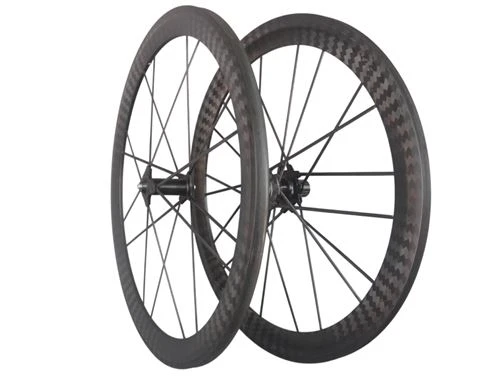
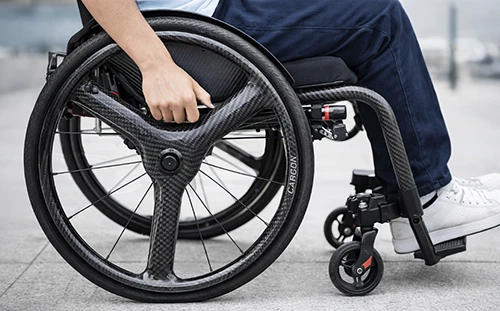
Carbon fiber wheelchair wheels are crafted from high-strength carbon fiber composite materials. Thousands of ultra-fine carbon fiber strands are interwoven and bonded together with resin to create a structure that is simultaneously lightweight and exceptionally strong. This engineering approach enables manufacturers to produce wheels that maintain their rigidity under load while minimizing overall weight.
One of the most significant advantages of carbon fiber wheelchair wheels is their extremely lightweight. Reducing wheel weight enhances propulsion efficiency, making it more effortless for users to push and maneuver their wheelchairs. Furthermore, carbon fiber possesses exceptional rigidity, meaning the wheels undergo minimal deformation during motion. The less the deformation, the higher the energy transfer efficiency, resulting in a smoother rolling experience and a more precise sense of control.

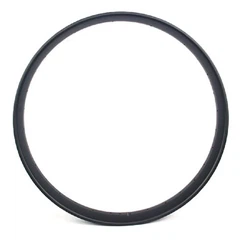
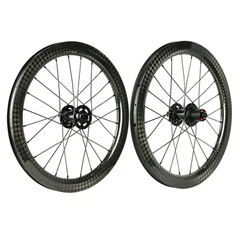
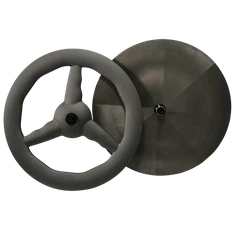
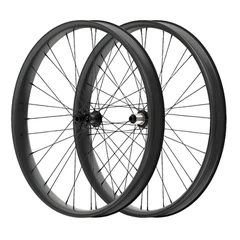
Carbon Fiber Wheelchair Wheels 24 In
Send Inquiry Now

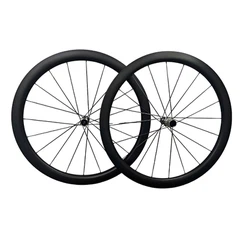
24 In Carbon Fiber Wheelchair Wheels
Send Inquiry Now

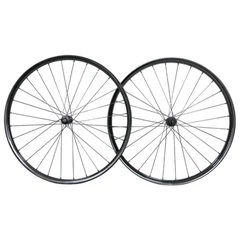
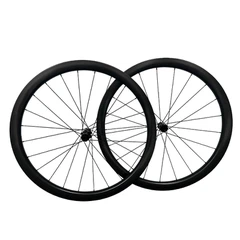
Carbon Fiber Wheelchair Wheels
Send Inquiry Now
What Are Aluminum Wheelchair Wheels?
Aluminum wheelchair wheels are typically made of lightweight aluminum alloy, a material that provides good structural strength while ensuring the overall weight of the wheelchair remains manageable. These wheels are carefully designed to withstand frequent daily use, repeated impacts, and various challenging outdoor conditions, such as sidewalks, ramps, and uneven surfaces.
Aluminum wheelchair wheels have long been a standard feature of many manual wheelchairs. They are ubiquitous in standard wheelchairs used for daily mobility, rehabilitation training, and long-term travel assistance; thus, they are one of the most widely used wheelchair wheel materials on the market today.
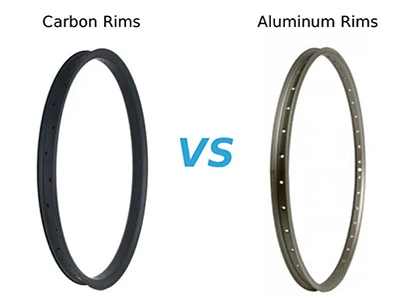
Carbon Fiber vs Aluminum Wheelchair Wheels
|
Feature |
Carbon Fiber Wheelchair Wheels |
Aluminum Wheelchair Wheels |
|
Weight |
Significantly lighter, reducing rolling resistance and making propulsion easier for manual wheelchair users. |
Heavier than carbon fiber wheels, which may require more effort during propulsion. |
|
Strength |
Excellent strength-to-weight ratio, providing high stiffness with minimal weight. |
Strong and reliable, but requires more material to achieve the same rigidity. |
|
Comfort |
Better vibration absorption helps reduce shock transferred to the user. |
Metal structure transfers more road vibration to the frame. |
|
Durability |
Resistant to fatigue and maintains structural integrity when properly designed. |
Durable for everyday use, but may bend or deform after heavy impacts. |
|
Cost |
Higher cost due to advanced materials and manufacturing technology. |
More affordable and widely available. |
Performance and Comfort Comparison
Propulsion Efficiency
Carbon fiber wheelchair wheels are designed to maximize efficiency. Their exceptional stiffness ensures that the force applied by the user is transferred directly into forward motion rather than being lost through wheel flex. This means each push can move the wheelchair farther, resulting in smoother propulsion and more responsive handling. For active users who rely on manual wheelchairs throughout the day, this increase in efficiency can significantly reduce physical effort and improve overall mobility.
Energy Conservation
Weight plays a crucial role in wheelchair performance. Carbon fiber wheelchair wheels are significantly lighter than aluminum wheels, which reduces rotational mass. With less weight to move, users can maintain speed with less effort and experience reduced fatigue over time. For individuals who use wheelchairs for long-distance mobility or daily commuting, lighter wheels can make movement easier, more efficient, and less physically demanding.
Ride Comfort
Another major advantage of carbon fiber lies in its natural vibration-damping properties. Carbon composite materials absorb small shocks and vibrations caused by uneven surfaces, reducing the amount of vibration transmitted through the wheelchair frame to the user. This results in a smoother and more comfortable ride, especially when traveling over rough pavement, sidewalks, or outdoor terrain.
Everyday Stability
Aluminum wheelchair wheels still provide reliable performance in everyday environments. Their solid construction offers excellent durability and consistent stability. For users who prioritize reliability and cost-effectiveness for daily use, aluminum wheels remain a practical and dependable option.
Which Wheel Type Should You Choose?
Carbon Fiber Wheelchair Wheel
Carbon fiber wheelchair wheels are designed for users who value performance, efficiency, and lightweight mobility. They are often the preferred choice for active wheelchair users and athletes who rely on smooth propulsion and responsive handling.
Lightweight advantage: Carbon fiber is significantly lighter than aluminum wheels. This reduces the effort required for propulsion and helps users conserve energy during long-distance movement.
Performance improvement: The high stiffness of carbon fiber allows more efficient power transfer, which can improve both speed and responsiveness during movement.
Comfort and vibration reduction: Compared with metal materials, carbon fiber absorbs road vibrations more effectively, providing a smoother ride even on uneven surfaces.
Aluminum Wheelchair Wheel
For everyday mobility needs, aluminum wheelchair wheels remain a reliable and widely used option. They offer an excellent balance between durability, affordability, and practicality.
Cost-effective solution: Aluminum wheelchair wheels are generally more affordable, making them accessible to a wider range of users.
Strong and durable: Aluminum materials provide solid strength and can easily handle frequent daily use without requiring special maintenance.
Suitable for daily mobility: These wheels perform well in common situations such as indoor movement, commuting, and casual outdoor activities.
Easy maintenance: Aluminum components are simple to maintain, and replacement parts are widely available.
Conclusion
Carbon fiber wheelchair wheels and aluminum wheelchair wheels each offer unique advantages. Carbon fiber wheels stand out for their lightweight design, efficiency, and modern performance, making them ideal for active users and sports applications. Aluminum wheels remain a practical option thanks to their durability and lower cost.
FAQ
Q: Are Carbon Fiber Wheelchair Wheels Superior to Aluminum Alloy Wheels?
A: Carbon fiber wheelchair wheels are typically lighter and more efficient, which helps improve propulsion and reduce fatigue for active users. However, aluminum alloy wheels remain a practical choice, as they are sturdy, durable, and affordable, making them highly suitable for daily mobility. Ultimately, the better choice depends on whether you prioritize performance above all else or place greater value on cost-effectiveness.
Q: Are Carbon Fiber Wheelchair Wheels Durable?
A: Yes. Carbon fiber wheels are constructed from high-strength composite materials, offering excellent rigidity and fatigue resistance. Provided they are manufactured using proper processes, they are fully capable of withstanding the rigors of daily use while maintaining their structural integrity and superior performance.
Q: Can Carbon Fiber Wheelchair Wheels Improve Mobility?
A: Carbon fiber wheels effectively enhance user mobility by reducing the overall weight of the wheelchair and improving propulsion efficiency. This means users can move with less physical effort, an advantage that is particularly pronounced during long-distance travel or athletic activities.
Q: Why Are Aluminum Alloy Wheelchair Wheels Still Widely Used?
A: Aluminum alloy wheels remain popular because they strike a reliable balance between strength, affordability, and ease of maintenance. They are fully capable of meeting the demands of daily use and are therefore frequently included as standard equipment on various types of manual wheelchairs.
Q: Is Investing in Carbon Fiber Wheelchair Wheels Worth the Cost?
A: For users who prioritize lightweight design, high efficiency, and superior performance, carbon fiber wheels undoubtedly represent a worthwhile upgrade. This upgrade is particularly beneficial for active individuals who frequently rely on their own strength to propel their wheelchairs over long distances.