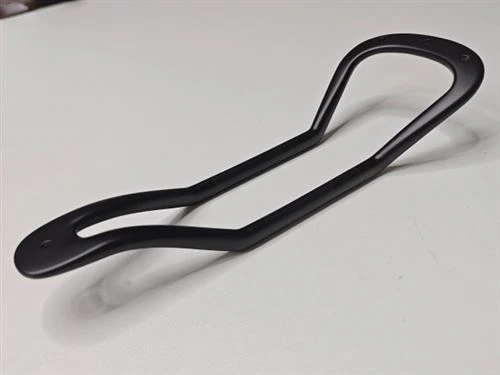


If you or someone you care for has trouble lifting the foot while walking, you may have heard of an AFO brace.
AFO stands for ankle-foot orthosis. It is designed to support the lower leg and improve walking stability. In recent years, carbon fiber AFO braces have become more common. They are often described as lightweight and responsive. But what makes them different from traditional designs?
Understanding how carbon AFO braces work can help you make informed decisions. The material, structure, and fit all play a role in comfort and movement.
In this guide, you'll learn what carbon AFO braces are and who they may benefit most.
What Is an AFO Brace?
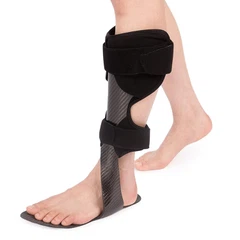
An AFO brace is a device worn on the lower leg and foot. AFO stands for ankle-foot orthosis. Its primary purpose is to support the ankle, maintain foot stability, and improve walking. If you have difficulty lifting your foot or controlling ankle movement, an AFO can help guide your step.
The brace usually fits inside your shoe and runs along the back or side of your lower leg. It helps prevent toe drag and reduces the risk of tripping. An AFO does not replace muscle function, but it provides external support. With proper fitting, it can improve balance, safety, and overall walking confidence.

Medical Conditions That May Require a Carbon AFO
A carbon AFO is often recommended when ankle control or foot lift is limited. Your doctor or prosthetist will decide if it fits your condition and mobility level.
Foot Drop
Foot drop happens when you cannot lift the front part of your foot properly. This can cause your toes to drag while walking. A carbon AFO helps hold the foot in a safer position and supports a smoother step.
Stroke Recovery
After a stroke, muscle weakness or poor control in the lower leg is common. An AFO can help stabilize the ankle and improve balance during walking.
Cerebral Palsy
Some people with cerebral palsy experience muscle tightness or weakness. An AFO may assist with positioning and walking efficiency.
Nerve Injuries or Neurological Conditions
Conditions affecting nerves, such as multiple sclerosis or peripheral nerve damage, can reduce ankle control. In these cases, a carbon AFO may provide additional support and stability.
The right solution depends on your specific diagnosis and mobility needs.
What Makes a Carbon AFO Different?
A carbon AFO differs mainly in the material used for its structure. Instead of thick plastic, it uses carbon fiber layers that are strong and lightweight.
This change in material affects how the brace feels and performs. Carbon fiber can flex slightly under pressure and return to its original shape. That controlled flex may help support a more natural walking motion.
It is also thinner in many designs. That can make it easier to fit inside standard footwear.
Compared to traditional plastic AFOs, carbon models often focus on energy return and reduced weight. The goal is not just support, but smoother movement during each step.
Types of Carbon AFO Braces

Carbon Fiber AFO Brace
Send Inquiry Now

Carbon Fibre AFO
Send Inquiry Now

Spiral Carbon Fiber AFO
Send Inquiry Now
How Do Carbon AFO Braces Work?
Carbon fiber Ankle-Foot Orthoses (AFOs) work by using lightweight, flexible carbon fiber to store and release energy during walking. This creates a subtle "spring" effect that supports movement.
When you step down, the carbon structure bends slightly under your body weight. That bending stores energy. As you move forward and push off, the brace releases that stored energy to assist with foot lift, also known as dorsiflexion.
At the same time, the brace helps prevent foot drop by keeping your ankle in a more controlled position. This improves stability and reduces the risk of tripping.
Compared to rigid plastic braces, carbon AFOs allow more dynamic motion. You still receive support, but the movement feels less stiff.
By combining controlled flexibility with structural strength, carbon AFO braces aim to improve mobility while helping reduce fatigue during daily walking.
Key Benefits of Carbon AFO Braces
Carbon AFO braces are designed to support movement while keeping the structure light and responsive. The material choice affects how the brace feels during daily use.

Lightweight Design
Weight matters when you wear a brace for many hours.
Carbon fiber is lighter than many traditional plastic designs. A lighter brace may feel less bulky inside your shoe. It can also make leg movement feel more natural, especially during longer walks. Even small reductions in weight can make a difference over time.
Increased Stability
An AFO's main role is to keep your ankle in a safer position. Carbon designs provide firm support while still allowing motion where needed.
By helping maintain proper foot alignment, the brace can reduce the risk of tripping. It also supports better balance when standing or walking on uneven ground.
Improved Walking Efficiency
Carbon fiber can flex and return energy during each step.
When you step down, the brace bends slightly. As you push off, it releases stored energy to help lift the foot. This controlled response may support a smoother walking pattern. Instead of feeling stiff, the brace works with your movement rather than against it.
Reduced Muscle Fatigue
If your muscles work harder to lift your foot, you may feel tired more quickly.
By assisting with foot lift and forward motion, a carbon AFO can reduce the strain on certain muscles. This may help you stay active for longer periods. Comfort and proper fit still matter, but material choice can play a helpful role in overall endurance.
Carbon AFO vs Plastic AFO
|
Feature |
Carbon AFO |
Plastic AFO |
|
Material |
Carbon fiber layers bonded with resin |
Molded thermoplastic material |
|
Weight |
Lightweight |
Heavier in most designs |
|
Flexibility |
Controlled flex with energy return |
Often rigid or semi-rigid |
|
Energy Return |
Provides a dynamic "spring" effect during push-off |
Limited energy return |
|
Thickness |
Usually, a thinner profile |
Often a thicker shell |
|
Stability |
Supports the ankle while allowing some motion |
Strong ankle control, less dynamic movement |
|
Comfort Feel |
Firm but responsive |
Stable but may feel stiff |
|
Shoe Fit |
Easier to fit inside standard shoes in many cases |
May require larger or specialized shoes |
|
Durability |
Resistant to moisture and fatigue when designed properly |
Durable, but can deform or crack over time |
|
Best For |
Active users seeking dynamic support |
Users needing firm and consistent ankle control |
Who Should Consider a Carbon AFO?
A carbon AFO is not the right choice for everyone. But for some people, it can offer meaningful support in daily life.
Active Individuals
If you walk often, work on your feet, or enjoy light sports, weight and flexibility matter. A lighter brace with energy return may help you move more comfortably throughout the day.
If you want support without feeling overly restricted, a carbon design may feel more natural.
People With Foot Drop
If you have difficulty lifting your foot while walking, a carbon AFO can assist with dorsiflexion.
The spring-like response may support smoother steps and reduce the risk of tripping.
Individuals Seeking Dynamic Support
Some users need stability but also want controlled motion. A rigid brace may feel too stiff in certain situations. Carbon designs aim to balance support and movement.
Those Looking for a Thinner Profile
Carbon AFOs are often slimmer than plastic models. If shoe fit or bulk has been a concern, this may be worth discussing with your clinician.
How Long Does a Carbon AFO Last?
The lifespan of a carbon AFO depends on how often you use it and your activity level. For many users, a well-made carbon AFO can last several years.
Carbon fiber is strong and resists fatigue under normal walking conditions. If the brace is properly fitted and used as recommended, it can maintain its structure over time. However, heavy impact, sports activity, or uneven terrain may increase wear.

You should check the brace regularly for:
Visible cracks
Unusual noises
Changes in fit or comfort
Routine follow-ups with your clinician are important. Small adjustments can extend the life of the device.
While carbon fiber is durable, no brace lasts forever. Proper care and regular inspection help ensure safety and long-term performance.
Are There Any Limitations?
Carbon AFO braces offer many advantages, but they are not perfect for every situation. Understanding the limits helps you make a realistic decision.
Cost Considerations
Carbon fiber braces are often more expensive than plastic models. The material and manufacturing process can increase the overall price. Insurance coverage may vary depending on your provider and medical needs.
Not Ideal for Every Activity Level
If your mobility needs are low and you require firm, basic ankle control, a simpler plastic AFO may work well. Carbon designs are often chosen for dynamic movement, which may not be necessary for everyone.
Impact Sensitivity
Carbon fiber is strong under repeated walking loads. However, a heavy impact or sudden force can cause cracks. Regular inspection is important to ensure safety.
Proper Fitting Is Essential
A carbon AFO must be fitted correctly. Without proper alignment, you may not experience the intended benefits.
FAQ
Q: Do I need special shoes for a carbon AFO?
A: In most cases, you will need supportive shoes with enough space to accommodate the brace. Shoes with removable insoles often work better.
Q: Can carbon AFO braces be customized for different patient needs?
A: Yes. Carbon AFOs can be designed with different stiffness levels, heights, and trim lines. The carbon layering pattern can also be adjusted to match activity level and clinical requirements.
Q: What certifications are typically required for carbon AFO products?
A: Requirements depend on the target market. In many regions, medical device compliance, such as CE marking or FDA registration, may be required. Local regulatory standards should always be reviewed.
Q: Can carbon AFO stiffness be tuned during production?
A: Yes. By adjusting fiber orientation and layer thickness, manufacturers can control flex characteristics. This allows the brace to support different patient weight ranges and activity levels.
Q: What factors should clinics consider when selecting a carbon AFO supplier?
A: Clinics often evaluate manufacturing consistency, material quality, regulatory compliance, and long-term durability. Clear technical documentation and communication are also important for successful collaboration.
Q: How is quality consistency maintained in carbon AFO manufacturing?
A: Quality control often includes material inspection, layup verification, curing checks, and structural testing. Consistent manufacturing processes are essential for predictable brace performance.
Conclusion
Carbon AFO braces are designed to support ankle stability while allowing controlled movement. The lightweight structure and energy return features can make walking feel smoother for some users.
Still, the right brace depends on your condition, activity level, and proper fitting. Material alone does not guarantee comfort. A well-fitted device that matches your daily needs will always perform better than one chosen for its material only.
If you are exploring carbon fiber AFO options for clinical use or distribution, working with a manufacturer that understands structural design and consistency is important. Carbon World, we focus on carbon fiber component development with attention to strength, flexibility, and practical application in orthotic devices.