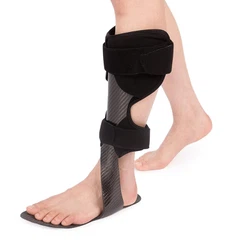

When you compare prosthetic feet, the material makes a bigger difference than many people expect. It affects weight, flexibility, comfort, durability, and how the foot performs during daily movement. Some traditional prosthetic materials are still widely used because they are familiar and practical. But carbon fiber has become more common in modern prosthetic foot design for a reason. It is light, strong, and better suited to dynamic movement.
If you are trying to understand which option fits your needs, it helps to look beyond the surface. This article compares carbon fiber prosthetic feet with traditional prosthetic materials clearly and practically.
What Is a Prosthetic Foot?
A prosthetic foot is the lower part of a prosthetic limb. It is designed to replace part or all of a natural foot and help support your body during standing, walking, and daily movement. Its main purpose is to improve balance, stability, and a more natural gait. Prosthetic feet are usually fitted by prosthetists based on your body weight, activity level, and functional needs. They can be made from materials such as carbon fiber, rubber, and metal alloys. Some designs focus on basic support, while others are built for greater flexibility and better performance.

Why Prosthetic Material Choice Matters
The material of a prosthetic foot affects how it feels and how it performs in daily use. It can change the weight of the device, the level of flexibility, and the amount of support you get while walking. It also affects comfort.
A heavier material may feel more tiring over time. A stiffer material may give more support, but it can also change how natural the movement feels. Some materials are better at handling repeated stress, which matters for long-term use.
That is why material choice is not just a technical detail. It plays a direct role in stability, durability, and walking efficiency. If you want the prosthetic foot to match your activity level and daily needs, the material becomes an important part of the decision.
Common Traditional Prosthetic Materials
Before carbon fiber became more common, prosthetic feet were often made from more traditional materials. Some of these materials are still used today because they are practical, familiar, and suitable for certain needs.
Wood
Wood was used more often in older prosthetic designs. It can provide basic support and has a long history in prosthetic development. But compared with newer materials, it is heavier and less flexible.
Rubber
Rubber is often used in parts that need cushioning or shock absorption. It can help make walking feel softer, but on its own, it does not provide enough structure for a full prosthetic foot.
Plastics
Plastic materials are common because they are lightweight and easy to shape. They can work well for basic support and simple designs. Still, they may not offer the same level of strength or dynamic response as more advanced materials.

Metal Alloys
Metal alloys such as aluminum or titanium are used when strength is important. They can handle the load well and offer solid support. The downside is that metal parts may add weight and reduce flexibility.
Each traditional prosthetic material has its place. The best option depends on your support needs, activity level, and how much performance you expect from the prosthetic foot.
What Makes Carbon Fiber Different in Prosthetic Feet
Carbon fiber stands out because it is both strong and lightweight. That combination is hard to get from many traditional prosthetic materials. If you use a prosthetic foot every day, a lower weight can help reduce fatigue and make movement feel easier.
But weight is only part of the reason. Carbon fiber also offers a good balance of stiffness and flexibility. It can support the body while still allowing smoother motion during walking. In many prosthetic foot designs, this helps create better energy return, which means some of the force from each step can be stored and released more efficiently.

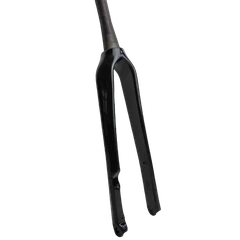
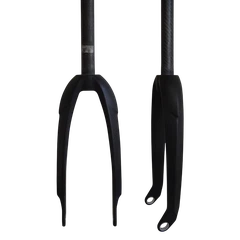
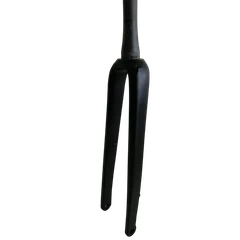
Carbon Fiber Prosthetic Foot
Send Inquiry Now
That is why carbon fiber is often used in more advanced prosthetic feet. It gives you a lighter structure, durable performance, and a more responsive feel than many traditional material options.
Carbon Fiber Prosthetic Foot vs Traditional Prosthetic Materials
The table below gives you a simple way to compare carbon fiber with more traditional prosthetic materials.
|
Material |
Weight |
Flexibility |
Energy Return |
Durability |
Comfort in Daily Use |
Best For |
|
Carbon Fiber |
Very light |
High |
High |
High |
High |
Active users, lighter designs, higher-performance prosthetic feet |
|
Wood |
Heavy |
Low |
Low |
Medium |
Moderate |
Basic support and traditional designs |
|
Rubber |
Medium |
High |
Low |
Medium |
Soft feel |
Cushioning and shock absorption parts |
|
Plastic |
Light to medium |
Moderate |
Low to moderate |
Medium |
Moderate |
Basic support and simple prosthetic foot designs |
|
Metal Alloys |
Medium to heavy |
Low to moderate |
Low |
High |
Moderate |
Strong structural support and load-bearing parts |
Carbon fiber stands out because it combines low weight, good flexibility, and strong energy return in one material. Traditional prosthetic materials can still work well in the right design, but they often involve more trade-offs in weight, movement, or long-term performance.
Benefits of Carbon Fiber Prosthetic Feet
Carbon fiber prosthetic feet are often chosen because they offer a strong mix of performance and comfort. If you compare them with many traditional prosthetic materials, the difference is usually easy to notice in daily use.

Lighter Weight
A lighter prosthetic foot can feel easier. It may help reduce fatigue, especially if you wear the device for many hours each day. Less weight can also improve overall comfort during walking.
Better Energy Return
Carbon fiber is known for its energy return. As you move, the material can store and release energy more efficiently than many traditional options. This can help create a smoother and more responsive walking experience.
Good Strength with Flexibility
Carbon fiber is strong, but it is not only about stiffness. It can also provide controlled flex, which helps support natural movement while still giving the structure you need.
Long-Term Value
Another benefit is durability. Carbon fiber is often used when long-term performance matters. For users who want a lighter, more dynamic prosthetic foot, it can be a practical material choice.
Advantages and Limitations of Carbon Fiber Prosthetic Feet
Carbon fiber prosthetic feet are often seen as a more advanced option, especially when you want better movement with less weight. But like any material, carbon fiber has both strengths and limits.
Advantages
One clear advantage is weight. Carbon fiber is much lighter than many traditional prosthetic materials, which can make the prosthetic foot feel easier to use throughout the day. It also offers good energy return, so walking may feel smoother and more responsive.
Another benefit is durability. Carbon fiber can handle repeated stress well, which is important in daily use. It also allows a slimmer design, which can help reduce bulk without losing support.
Limitations
At the same time, carbon fiber is not always the right choice for every user. It may not be necessary if you only need basic support or have a lower activity level. In some cases, the higher material value may also affect product cost.
And material alone is not everything.
The performance of a carbon fiber prosthetic foot still depends on the overall design, fit, and structure. A good material works best when the product is designed well for your real needs.
Advantages and Limitations of Traditional Prosthetic Materials
Traditional prosthetic materials are still used because they can practically meet basic support needs. Depending on the design, they may offer a simple and reliable solution for everyday use.
Advantages
One advantage is familiarity. Materials such as plastic, rubber, wood, and metal have been used in prosthetic products for many years. They are widely understood and can work well in designs that focus on basic stability and support.
Some traditional materials may also be a reasonable choice when cost control matters more than high-performance movement. In lower-activity situations, they can still do the job.
Limitations
The main limitation is performance balance. Many traditional prosthetic materials involve more trade-offs in weight, flexibility, or energy return. A heavier material may feel more tiring during long wear. A stiffer material may offer support, but it may not feel as smooth during walking.
That is where the difference becomes clear.
If you want a prosthetic foot that feels lighter and more responsive, traditional materials may have limits. They can still be useful, but they are often less effective in more dynamic designs.
Durability and Long-Term Performance of Prosthetic Foot Materials
Durability matters because a prosthetic foot is used again and again every day. Over time, the material needs to handle repeated loading, regular movement, and daily wear without losing too much performance.

Why Long-Term Performance Matters
A prosthetic foot may feel fine at first, but long-term use can show clear differences between materials. Some materials are more likely to add weight, lose responsiveness, or offer limited flexibility over time. Others are better at handling repeated stress while keeping a more consistent feel.
Material Differences Over Time
Carbon fiber is often valued for its strength and fatigue resistance, which helps it perform well in repeated use. Traditional prosthetic materials can still be useful, but some may involve more trade-offs in durability, flexibility, or movement efficiency.
In the end, long-term performance is not only about lasting longer. It is also about how well the prosthetic foot continues to work for your daily needs.
How to Choose Between Carbon Fiber and Traditional Prosthetic Materials
The right choice depends on how you use the prosthetic foot and what you expect from it. There is no single material that fits every person or every product goal.
Think About Daily Use
If the prosthetic foot is meant for basic support and lower activity, traditional prosthetic materials may be enough. They can still work well in simple designs where high dynamic performance is not the main focus.
Consider Weight and Movement
If you want lighter weight, better flexibility, and a more responsive feel, carbon fiber may be the better option. This becomes more important when daily movement, walking efficiency, and comfort over longer wear all matter.
Look at Long-Term Needs
It also helps to think beyond the short term. Durability, repeated use, and overall performance over time are part of the decision. A material that feels acceptable at first may not offer the same experience after long use.
Is a Carbon Fiber Prosthetic Foot Worth It?
It can be worth it if you care about weight, movement, and long-term performance. A carbon fiber prosthetic foot is often a better fit when you want a lighter structure, smoother energy return, and a more responsive feel during daily use. That said, it is not the right answer for everyone.
If your needs are more basic, traditional prosthetic materials may still be enough. But if you want better performance and a more advanced material solution, carbon fiber is often worth considering.
FAQ
Q: Does a lighter prosthetic foot always feel better in daily use?
A: Not always. Lower weight can help reduce effort, but comfort also depends on fit, alignment, design, and how the prosthetic foot works with the rest of the limb system.
Q: Are all carbon fiber prosthetic feet the same?
A: No. The material matters, but the final result also depends on the structure, shape, layup design, and how the prosthetic foot is built for its intended use.
Q: What should buyers compare besides material alone?
A: Material is only one part of the decision. Buyers should also look at design goals, user group, durability targets, weight control, expected performance, and long-term product consistency.
Q: Why do two prosthetic feet made from different materials sometimes look similar but perform differently?
A: Because performance comes from both material and design. Two products may look close on the outside, but the internal structure, stiffness, and movement response can be very different.
Q: Is carbon fiber only suitable for high-performance prosthetic feet?
A: No. It is often linked with higher-performance designs, but it can also be used in products where lower weight, cleaner structure, or material upgrade matters.
Q: Can a prosthetic foot material affect product development choices for brands or OEM buyers?
A: Yes. Material choice can influence product weight, performance goals, design complexity, and market position. For OEM or ODM development, it also affects manufacturing methods and how the final product is presented to end users.
Q: Should buyers focus more on user needs or material trends?
A: User needs should come first. Material trends can be useful, but the better choice is the one that fits the target user, the expected performance level, and the long-term product goal.
Conclusion
Choosing between a carbon fiber prosthetic foot and traditional prosthetic materials depends on what you need the product to do. If the goal is basic support, traditional materials may still work well in the right design. But if lower weight, better movement, and stronger long-term performance matter more, carbon fiber offers clear advantages. That difference becomes more important as product expectations rise.
Material choice affects not only structure, but also how the prosthetic foot feels in real use. Weight, flexibility, durability, and energy return all shape the final experience. That is why the best option is usually the one that matches the user's activity level, comfort needs, and performance goals.
If you are exploring carbon fiber solutions for prosthetic applications, Carbon World provides carbon fiber prosthetic components for medical and mobility product development. If your project involves OEM or ODM production, custom specifications, or material upgrade planning, our team can help you evaluate a more suitable carbon fiber direction.