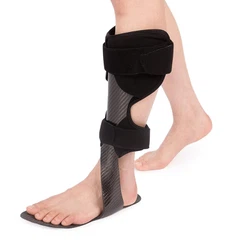
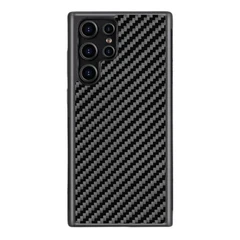
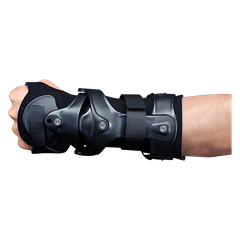

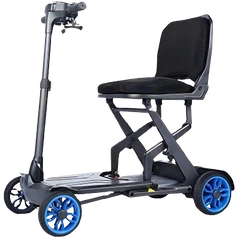
The field of robotics is developing rapidly, and the technologies that drive robots are also evolving at an unprecedented pace. The application of carbon fiber in robotic arms is revolutionizing industry innovation. Carbon fiber combines exceptional strength with lightweight properties. This article will explore how carbon fiber materials improve the speed, efficiency, and durability of robotic arms.

What is Carbon Fiber and Why is it Ideal for Robotics
Carbon fiber is a lightweight and extremely strong material composed of carbon atoms bonded together in a crystalline structure. Strength and weight play a crucial role in robotics applications.
Strength-to-weight ratio: Carbon fiber is stronger than steel but much lighter, which is essential for robotic arms that require fast, precise, and low-energy movement.
Durability: Carbon fiber is corrosion-resistant and rust-free, ensuring long-term stable operation even in harsh environments.
Design flexibility: Carbon fiber can be molded into various complex shapes, enabling innovative robotic arm designs that are difficult to achieve with traditional materials.
Efficiency: Lightweight carbon fiber reduces the energy required for robotic arm movement, improving the overall efficiency of the system.
Why Carbon Fiber Is Used in Robotic Arms

Lightweight Design
One of the key characteristics of carbon fiber is its lightweight design, making robotic arms made of carbon fiber much lighter than traditional metals like steel and aluminum. This lightweight property enables robotic arms to move faster and be more agile, especially in collaborative robots, improving the efficiency of tasks from assembly lines to complex applications.
High Strength-to-Weight Ratio
Although carbon fiber is lightweight, it has an exceptionally high strength-to-weight ratio, far surpassing metals. This allows robotic arms to carry heavier loads without compromising performance, ensuring stability under high-pressure operations without bending or breaking.
Corrosion Resistance
One of the standout features of carbon fiber is its corrosion resistance. Unlike metals, which are prone to rust and aging, carbon fiber maintains its integrity even in harsh environments. This ensures the long-term functionality and reliability of robotic arms, reducing the need for frequent repairs or replacements.
Increased Load Capacity
Due to its combination of high strength and low weight, carbon fiber allows robotic arms to carry heavier loads without affecting speed or performance. This makes it ideal for tasks such as material handling or heavy lifting in industrial environments.
Lower Maintenance Costs
The durability of carbon fiber translates into lower long-term maintenance costs. Unlike traditional materials that may require regular maintenance due to wear and corrosion, carbon fiber robotic arms require minimal maintenance and can operate efficiently for much longer periods, reducing downtime and operational costs.
Improved Precision
The rigidity of carbon fiber enhances the precision of robotic movements. With minimal flexing and distortion, carbon fiber robotic arms can perform high-precision tasks such as fine assembly, leading to better results and fewer errors.
Applications of Carbon Fiber in Robotic Arms

Palletizing Robotic Arms
In industries such as packaging and warehousing, carbon fiber is used to manufacture palletizing robotic arms for the precise handling of heavy objects. The material's lightweight yet strong properties enable these robots to move large quantities of products quickly, improving efficiency and reducing energy consumption.
Material Handling Robotic Arms
On manufacturing and assembly lines, material handling robotic arms benefit from carbon fiber's high strength-to-weight ratio. This allows robots to quickly and accurately handle materials between different stages of production, increasing speed without sacrificing stability or precision.
Collaborative Robotic Arms
Collaborative robots (cobots) typically work in conjunction with human operators. The lightweight properties of carbon fiber make these robotic arms more flexible and safer. The reduced weight allows these collaborative robots to handle repetitive tasks while minimizing the risk of injury.
Transplanting Robotic Arms
Transplanting robotic arms are commonly used in agriculture, especially for crop transplantation in large-scale farms, greenhouses, or plant research. The application of carbon fiber in this type of robotic arm offers significant advantages, helping to improve operational efficiency, precision, and reliability.
Other Robotic Arms
In addition to palletizing robots, handling robots, and collaborative robots, carbon fiber is also used in industrial, aerospace, and medical robots. Its corrosion resistance and high rigidity make it ideal for harsh environments and precision operations.
Carbon Fiber Robot Arm Vs. Traditional Materials
| Feature | Carbon Fiber Robotic Arm | Steel Robotic Arm | Aluminum Robotic Arm |
| Weight | Extremely light | Heavy | Lighter than steel but heavier than carbon fiber. |
| Strength-to-Weight Ratio | Very high | High strength | Good strength-to-weight ratio |
| Durability | Highly durable | Very durable | Less durable than steel |
| Corrosion Resistance | Excellent | Poor | Good |
| Cost | Expensive | Low-cost | Moderate cost |
| Precision and Stability | High precision due to low inertia and vibration damping. | Can suffer from vibration | Moderate precision |
| Flexibility in Design | Highly flexible in design | Limited flexibility in design | Fairly flexible |
| Thermal Expansion | Low coefficient of thermal expansion | High | Moderate |
| Energy Efficiency | Highly energy-efficient | Less energy-efficient | More energy-efficient than steel but less efficient than carbon fiber. |
| Vibration Dampening | Excellent vibration dampening | Poor vibration dampening | Moderate vibration dampening, better than steel but not as good as carbon fiber. |
| Lifespan | Long lifespan | Long lifespan if properly maintained, but it can corrode over time. | Moderate lifespan, more prone to wear and tear than carbon fiber. |
Which Parts Of A Robotic Arm Can Be Replaced With Carbon Fiber?

Arm Segments: The arm segments of a robotic arm can be replaced with carbon fiber. With its high strength-to-weight ratio, carbon fiber reduces the weight of the arm segments while maintaining sufficient strength, improving the speed and precision of movement.
Joints: Carbon fiber can be used for the joints of the robotic arm. Its rigidity and strength ensure that the joints remain stable under load, while enhancing the flexibility and precision of the arm.
Drive Systems: The lightweight nature of carbon fiber makes it ideal for the drive systems of robotic arms. This reduces energy consumption and improves the overall responsiveness of the robot, making it suitable for high-speed operations and precise control.
End Effectors: The end effectors (such as grippers and tools) of a robotic arm can be made from carbon fiber. Its lightweight properties help increase work efficiency and reduce unnecessary inertia during precise tasks.
External Frame: Carbon fiber can also be used for the external frame of the robotic arm. Not only does it reduce weight, but it also provides better impact resistance, enhancing the structural stability of the arm.
Arm Supports: The arm supports, which are responsible for supporting the robotic arm, can also be made from carbon fiber. This ensures high strength while keeping the overall weight low, enabling the arm to operate stably under high loads.
High-Speed Automation Components: In high-speed systems such as pick-and-place operations, carbon fiber components support rapid and repetitive motion. The lighter structure reduces motor load, helping shorten cycle times and improve energy efficiency. The combination of low weight and high stiffness ensures stable operation even under demanding production conditions.
Customization & Manufacturing Capabilities

Engineered for Specific Load Requirements
Carbon fiber components are designed based on real working conditions rather than fixed templates. Fiber orientation, layer thickness, and layup structure can be adjusted to match load paths, enabling precise control of stiffness and strength in critical areas.
Advanced Manufacturing Processes
Production typically involves prepreg layup, vacuum bagging, and controlled curing processes, ensuring consistent quality and structural integrity. Compared to traditional materials, carbon fiber offers greater flexibility in forming complex geometries without adding unnecessary weight.
High Precision and Consistency
Strict dimensional tolerances are essential for robotic applications. Precision molds and CNC machining help ensure that each component fits accurately within assemblies, maintaining alignment and performance during repeated operation cycles.
Flexible Production from Prototype to Batch
Carbon fiber manufacturing supports both custom prototypes and small-to-medium batch production, making it suitable for specialized industrial applications where standard parts are not sufficient.
Integration with Hybrid Structures
Components can be combined with metal inserts, bonding solutions, and hybrid assemblies, enabling strong connections while keeping overall weight low.
Choosing the Right Carbon Fiber Robotic Arm for Your Operation
When selecting a carbon fiber robotic arm, it is essential to align its capabilities with your operational needs. Here's a brief guide to help:
Task Requirements: Determine whether the arm will be used for high-precision tasks like assembly or surgery, which require a rigid, lightweight arm, or for material handling or heavy lifting, where load capacity and strength are more important.
Weight Considerations: A lighter arm enhances speed and agility, which is critical in fast-paced environments. If efficiency is key, prioritize lightweight models that can move quickly without sacrificing accuracy.
Payload Capacity: Ensure the arm can handle the maximum anticipated load while maintaining speed and precision.
Reach: Choose the right arm length to fit your workspace layout, minimizing the need for repositioning and boosting overall productivity.
Cost: While carbon fiber robotic arms may have a higher upfront cost, their long-term reliability and low maintenance can lead to significant cost savings and improved productivity over time.
Conclusion
The application of carbon fiber as a substitute for metal in robotic arms primarily leverages its advantages, such as lightweight and high strength. It not only improves the flexibility, precision, and stability of the robotic arm but also reduces energy consumption and maintenance costs. Especially in demanding environments involving high loads, high speeds, and precise control, carbon fiber offers superior performance.
FAQ
Q: Why is carbon fiber an ideal material for robotic arms?
A: Carbon fiber is an ideal material for robotic arms because it combines strength and lightweight properties, enabling faster and more efficient movement.
Q: What are the advantages of carbon fiber over metals in robotic arm design?
A: Carbon fiber is lighter than metals like steel or aluminum, which improves speed and agility. It is also more corrosion-resistant than metals, which are prone to rust. While carbon fiber may have a higher upfront cost, its long-term reliability and low maintenance costs make it a more cost-effective option.
Q: Can carbon fiber robotic arms handle heavy loads?
A: Yes! Despite being lightweight, carbon fiber has an exceptionally high strength-to-weight ratio, allowing robotic arms to handle heavy loads without sacrificing performance or speed.
Q: Are carbon fiber robotic arms suitable for precision tasks?
A: Absolutely! Carbon fiber provides superior rigidity, allowing robotic arms to maintain precision in complex tasks like surgery or fine assembly.
Q: What are the maintenance costs of carbon fiber robotic arms?
A: Carbon fiber robotic arms are known for their low maintenance costs. With excellent wear resistance and corrosion resistance, they require less frequent repairs compared to traditional metal arms, helping to reduce downtime and operational costs.