

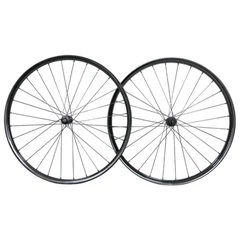
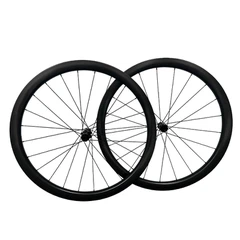
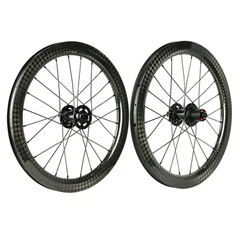
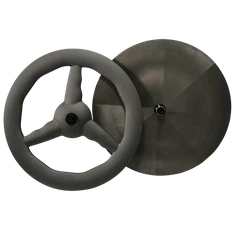
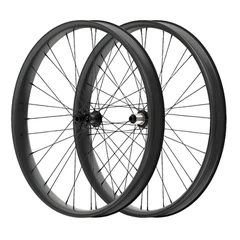




Spoke count sounds simple. How many carbon spokes do you really need?
If you pick too few, the wheel can feel harsh, drift out of true faster, or struggle under your weight and gear. If you pick too many, you may add weight and lose some of that quick, lively feel people expect from carbon fiber spokes.

In this guide, you'll learn:
What spoke count mean (front vs rear)?
Common spoke count ranges.
How to match carbon spokes to road, gravel, or MTB riding.
What Is Spoke Count and Why Does It Matter?
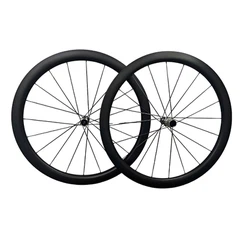
The number of spokes refers to the total number of spokes connecting the hub and rim of a bicycle wheel. These spokes are responsible for evenly distributing the load and maintaining the integrity of the wheel under stress. The more spokes, the more evenly the force is distributed, contributing to the long-term stability of the wheel. Fewer spokes result in a lighter weight and a simpler appearance, but each spoke bears a greater force. Common spoke counts include 24, 28, 32, or 36. Each spoke is tightened to a specific tension, forming a balanced system that keeps the rim centered and stable. The number of spokes may also differ between the front and rear wheels. The rear wheel bears the pedaling force and is generally under greater stress; it may require more spokes than the front wheel.
Key reasons the spoke count matters include:
Load distribution: More spokes spread rider weight and impact forces across the wheel.
Wheel stiffness: Spoke quantity and tension influence lateral stiffness and responsiveness.
Durability: Higher spoke counts can improve reliability on rough terrain.
Weight considerations: Fewer spokes reduce weight and rotational mass.
What Are Carbon Spokes?

Carbon Spokes
Send Inquiry Now

Carbon Bike Spokes
Send Inquiry Now
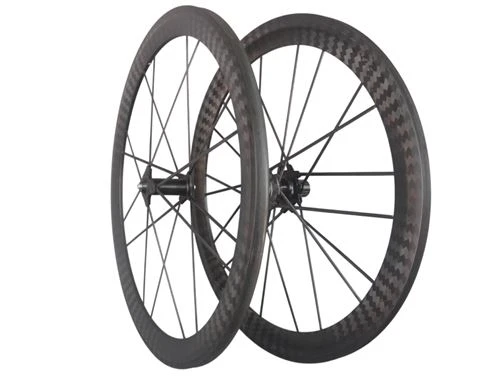
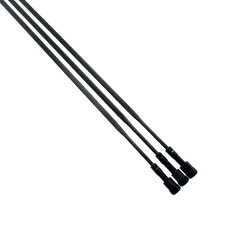
Carbon fiber spokes are an advanced type of lightweight bicycle wheel spokes made of carbon fiber composite materials. Most are shaped like a thin blade, so they can be light and aerodynamic while staying very stiff. That stiffness can make the wheel feel quick when you accelerate or climb.
Unlike many metal spokes, carbon fiber spokes are usually part of a more "system" style build. The spoke ends, nipples, and hub interface may be specific to that design. When choosing carbon bicycle spokes, it's helpful to check how the spoke connects to the hub and nipple, as well as whether replacements are easily available.
Why Spoke Count Matters More With Carbon Spokes
When you switch from steel to carbon spokes, the wheel reacts more strongly to the numbers on the spec sheet, especially spoke count.
Stiffness Changes the "Feel" Faster
Carbon spokes are usually stiffer than steel, so small changes in spoke count can change how the wheel rides. Drop too low, and the wheel may feel sharp and less forgiving. Go higher, and it can feel calmer and more stable.
Lower Count Means Each Spoke Works Harder
With fewer spokes, each carbon spoke carries more load when you sprint, brake, or hit rough ground. That can affect long-term stability, especially if you're heavier or riding with gear.
Service and Spares Matter
Some carbon fiber spoke systems use special ends or nipples. If a spoke count is very low, you have less "backup" when something goes out of true, and replacement can take longer.
Common Spoke Count Ranges
Spoke count can feel abstract until you see it laid out side by side. The table below gives you a quick way to compare common spoke counts for carbon spokes, including where each option works best and what you give up.
|
Spoke Count |
Best For |
Pros |
Trade-offs |
Typical Recommendation |
Notes |
|
16/18/20 |
Road race, aero builds |
low weight, better aero |
less impact margin, harder to service |
Front |
best for lighter riders, deep rims help |
|
24 |
Endurance, all-round road |
balanced stiffness and durability |
not the lightest |
Front/Rear |
Solid choice for disc brakes |
|
28 |
Gravel, rough road, heavier riders |
more durability, better load sharing |
small weight penalty |
Rear (often), sometimes both |
good for mixed surfaces and gear |
|
32/36 |
MTB, touring, commuting |
high durability, easy to keep true |
heavier, less "race" feel |
Rear, or both |
best for cargo, big riders, harsh trails |
16–20 Spokes (Front)
Best when you want a fast, light front wheel and you're not carrying extra gear.
24 Spokes
A safe all-round spoke count. You get a responsive wheel without giving up too much serviceability.
28 Spokes
A smart step up if you ride gravel, hit rough roads, or want more stability under higher loads.
32–36 Spokes
Built for durability first. If you tour, commute daily, or ride hard trails, this range gives you the most margin.
Match Spoke Count to Riding Style
Your best spoke count depends less on trends and more on how you actually ride.
Racers & Climbers: If your rides are about fast accelerations and climbing, you'll often lean toward a lower spoke count, especially up front. A common range is 16–20 spokes (front) with 24 spokes (rear). You get a lighter, more direct feel, but it works best on cleaner roads with fewer hard hits.
Endurance & Sportive Riders: If you spend hours in the saddle, comfort and stability matter more than saving a few grams. Many riders do well with 24 spokes (front) and 24–28 spokes (rear). It keeps carbon spokes steady when fatigue, crosswinds, and rough pavement show up.
Gravel & Adventure Riders: If your route includes loose gravel, washboard, or mixed surfaces, durability becomes the priority. A practical target is 28 spokes (front) and 28–32 spokes (rear). If you add bags or ride far from easy service, 32 spokes is usually the safer call.
Commuters & Touring Cyclists: If you ride daily or travel with gear, consistency beats "race feel." A reliable range is 28–32 spokes (front) and 32–36 spokes (rear), depending on your load and road conditions. More spokes can help the wheel hold longer and handle extra weight with less drama.
Carbon Spokes for Road Bikes
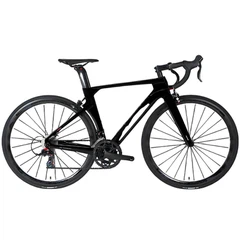
On a road bike, carbon spokes make the biggest difference when you care about quick speed changes. For race-focused builds, a common setup is 16–20 spokes (front) and 20–24 spokes (rear). The wheel can feel sharper in sprints and more lively on climbs, especially when you pair it with a deeper rim that adds stiffness.

But road riding isn't always smooth. Potholes, rough chip seal, and hard braking still add stress. If you're heavier, ride on poor pavement, or want easier long-term service, a more balanced setup like 24 spokes (front) and 24–28 spokes (rear) is usually the smarter choice. You keep the benefits of carbon bicycle spokes, with more stability day to day.
Carbon Spokes for Gravel & MTB
Gravel and MTB riding are harder on wheels than smooth pavement. You hit sharp bumps, brake hard, and ride through dust, mud, and rocks. In these conditions, spoke count becomes a durability choice, not just a weight choice.
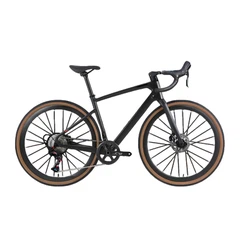
With carbon spokes, a slightly higher spoke count spreads impacts across more points. For most gravel builds, 28 spokes (front) and 28–32 spokes (rear) is a practical range. If you use bikepacking bags or ride far from a workshop, aiming for 32 spokes is the safer move.
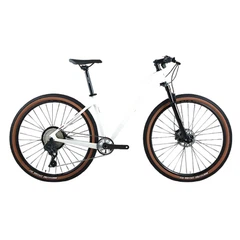
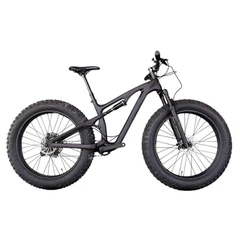
For MTB, your style matters a lot. XC riders on smoother trails can often run 28–32 spokes. Trail riding, heavier riders, and rocky terrain usually do better with 32 spokes as a baseline, and 36 spokes if you want maximum margin and long-term reliability.
Other Factors to Consider
Spoke count is a big lever, but it's not the only one. Before you lock in carbon spokes, check the details below so your wheel matches your real use.
Rider Weight + Gear Load
Your total load is you, your bike, and anything you carry. More load means each spoke works harder. If you ride with bags, lean toward a safer, higher spoke count.
Disc Brakes
Disc braking puts strong forces into the hub and spokes, especially up front. That can push you toward more spokes, especially on the front wheel, for better stability.
Wheel Size
Bigger wheels (like 700c/29er) can benefit from extra support, because the rim has a longer span between spokes.
Rim Depth & Rim Stiffness
A deeper, stiffer rim can handle a lower spoke count more easily than a shallow, flexible rim. With a soft rim, fewer spokes can feel vague or drift out of true faster.
Lacing Pattern
Some patterns spread torque better than others. Some patterns handle pedaling and braking loads better, but your hub, rim drilling, and carbon spoke system must support it.
Aesthetics
Looks matter, but treat it as the final filter, after strength, serviceability, and fit are covered.
Does The Number Of Spokes Affect Aerodynamic Performance?
Yes, the number of spokes does affect aerodynamic performance. Each spoke contributes a small amount of drag as it moves through the air. While the effect of a single spoke is negligible, reducing the number of spokes can slightly improve aerodynamic efficiency. This is especially important for road bikes and time trial wheelsets, as improvements in aerodynamic performance are crucial.
Mechanical-Lock vs Bonded Designs
Not all carbon spokes are built the same. The biggest difference is how the spoke end is connected, because that decides how easy the wheel is to true, service, and support long term. The table below compares mechanical-lock and bonded carbon spoke designs in plain terms.
|
Topic |
Mechanical-Lock Carbon Spokes |
Bonded Carbon Spokes |
|
How it's built |
The spoke end is held by a designed "lock" or hardware interface. |
The spoke end is fixed using bonding (often adhesive-based) to an end fitting. |
|
Serviceability |
Usually easier to service because parts can be removed or swapped with the right spares. |
Often harder to service. Replacement may require specific parts or factory steps. |
|
Truing & tensioning |
Typically more straightforward since the interface is made for adjustment. |
Can be more limited, depending on the system and nipple/end design. |
|
Replacement after damage |
In many cases, you can replace a single spoke if you have the correct spare. |
A damaged spoke may be harder to replace and may need a matched end fitting. |
|
Spares you should keep |
Spare spokes, matching nipples/ends, and any small lock hardware. |
Spare spokes with the correct bonded ends, plus any system-specific nipples. |
|
Best for |
Riders and brands who want easier long-term support and maintenance planning. |
Weight-focused or fully integrated wheel systems where service is handled through the brand. |
|
Trade-offs |
May add a little complexity or small hardware parts to manage. |
Can be lighter and cleaner, but you trade convenience for integration. |
|
What to ask before buying |
"Can I replace one spoke?" "Do I need special tools?" "What spares come with the wheel?" |
"How do I get replacement spokes?" "Is the bond repairable?" "What is the lead time for spares?" |
How to Choose the Right Carbon Bike Spokes
Choosing carbon spokes gets easier when you stop chasing the lightest setup and start matching the wheel to your real riding.
Step 1: Start With Your Terrain
If you mostly ride smooth pavement, you can prioritize lower weight and aero. If you ride gravel or rocky trails, put durability first. Carbon fiber spokes can feel very stiff, so rough terrain will expose weak choices quickly.
Step 2: Match Spoke Count to Your Load
Your weight plus gear matters. A higher spoke count spreads stress better and usually stays true longer, especially for commuting, touring, or bikepacking.
Step 3: Check Serviceability Before You Buy
Some carbon bicycle spokes use system-specific spoke ends and nipples. Before you choose, ask:
Can I replace one spoke, or do I need a full set?
Are spares easy to source, and what's the lead time?
Do I need special tools for truing?
| Feature | Carbon Wheels | Aluminum Wheels |
| Typical Spoke Count | Road: 20–28 spokes; MTB: 24–32 spokes | Road: 24–32 spokes; MTB: 28–36 spokes |
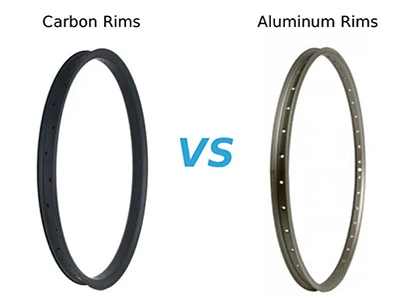
| Rim Stiffness | Higher stiffness allows fewer spokes while maintaining strength | Lower rim stiffness usually requires more spokes for support |
| Weight | Generally lighter due to fewer spokes and lightweight carbon rims | Slightly heavier due to more spokes and metal rim construction |
| Load Distribution | Carbon rim structure carries more structural load | Spokes share more load with the rim |
| Aerodynamics | Fewer spokes help reduce aerodynamic drag | More spokes create slightly higher air resistance |
| Durability | Strong and stiff, but relies heavily on rim engineering | Higher spoke counts provide reliable strength and flexibility |
| Typical Applications | Racing, high-performance road wheels, lightweight setups | Touring, commuting, and heavy-duty riding |
OEM & Custom Carbon Spokes
If you're sourcing carbon spokes for a brand or wheel project, customization matters as much as raw weight. The goal is a spoke system that builds consistently and is easy to support after launch.

Most OEM orders focus on:
spoke length ranges and tolerance control
spoke-end and nipple interface options
spoke count targets for each wheel (front/rear)
finish, labeling, and packaging requirements
Before you confirm the order, ask about the lead time and how you get replacement spokes. Having the right spares on hand is often more important than saving a few grams.
FAQ
Q: Is a 24-spoke wheel always better than a 20-spoke wheel?
A: Not always. It depends on your terrain, rim stiffness, and how much service margin you want.
Q: If a carbon spoke breaks, can I replace just one?
A: It depends on the design. Some systems allow single-spoke replacement, while others need matched parts.
Q: What's the safest spoke count for gravel riding with bags?
A: For gravel riding with bags, 28 spokes is a solid minimum, and 32 spokes is the safer choice if you ride rough surfaces, carry heavier gear, or want more margin on long trips. If you're fully loaded for touring, 36 spokes can make sense for maximum durability and easier long-term reliability.
Q: Do carbon spokes make a wheel feel harsher?
A: Sometimes. Carbon spokes can feel stiffer, so you may notice more road texture. Tire choice and rim shape still matter a lot.
Conclusion
Now you know the simple rule: spoke count should match how you ride. Fewer spokes can feel lighter and faster on smooth roads. More spokes usually mean better support, better durability, and less trouble when the road gets rough, or you carry gear. With carbon spokes, that balance matters even more because the wheel can feel very stiff.
Before you decide, check three things: your riding surface, your total load, and whether replacement spokes are easy to get.
If you want a carbon spoke setup that fits your road, gravel, or MTB build, check out Carbon World carbon spokes. Share your wheel size, hub type, and target spoke count, and we'll recommend a practical option you can build and maintain.