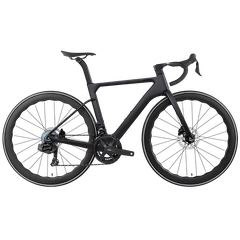
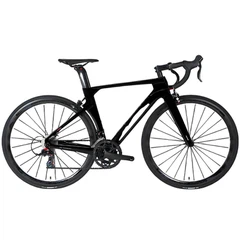



Getting the right road bike frame size matters more than you might think. It's the difference between loving your ride and struggling through it.
A frame that doesn't fit can lead to discomfort, inefficiency, and even injury over time. It doesn't matter how light or advanced your components are; if the foundation is wrong, nothing else works quite right. Whether you're choosing your first bike or upgrading to a carbon road bike frame, this guide will help you understand how to select the right frame size based on your body type and riding style. It's not just about height, it's about getting the right fit for you. Let's get started.

Why Choosing the Right Road Bike Frame Size Matters
Riding a bike with the wrong frame size is a constant negotiation. Your body is always compensating, and you never quite feel in control. Here's why size matters:
Comfort: A well-fitted bike reduces strain on your body, making long rides much more enjoyable.
Performance: The right size frame helps you ride faster and more efficiently, transferring power better with each pedal stroke.
Injury Prevention: Riding with the wrong size can lead to discomfort and even injuries, especially in your knees or back.
Get the right fit, and your bike will feel like an extension of yourself!
Road Bike Frame Sizing by Riding Style
When choosing a road bike frame, your riding style plays a big role in determining the right fit. Whether you're racing, commuting, or simply enjoying weekend rides, understanding how your riding style impacts frame size is key.
Men's Road Bike Frame Size Chart
|
Height (cm) |
Inseam Length (cm) |
Frame Size (cm) |
Recommended for |
|
160 - 165 |
74 - 77 |
48 - 50 |
Small (S) |
|
165 - 170 |
77 - 80 |
50 - 52 |
Small (S) |
|
170 - 175 |
80 - 83 |
52 - 54 |
Medium (M) |
|
175 - 180 |
83 - 86 |
54 - 56 |
Medium (M) |
|
180 - 185 |
86 - 89 |
56 - 58 |
Large (L) |
|
185 - 190 |
89 - 92 |
58 - 60 |
Large (L) |
|
190 - 195 |
92 - 95 |
60 - 62 |
X-Large (XL) |
Women's Road Bike Sizes
|
Height (cm) |
Inseam Length (cm) |
Frame Size (cm) |
Recommended for |
|
150 - 155 |
68 - 71 |
42 - 44 |
Extra Small (XS) |
|
155 - 160 |
71 - 74 |
44 - 46 |
Small (S) |
|
160 - 165 |
74 - 77 |
46 - 48 |
Small (S) |
|
165 - 170 |
77 - 80 |
48 - 50 |
Medium (M) |
|
170 - 175 |
80 - 83 |
50 - 52 |
Medium (M) |
This chart helps guide you based on your height and inseam length. Keep in mind that these are general guidelines, and individual preferences or bike brands may vary slightly.
How to Choose the Right Road Bike Size Based on Your Measurements and Riding Style
Choosing the right road bike size starts with understanding your measurements and considering your riding style. The two main factors that determine your fit are your height and inseam length. Here's how to find the best frame size for you:
Height: Your overall height helps narrow down your frame size. Use sizing charts as a starting point.

Inseam length: Take your key measurements, especially your inseam. Measure your inseam from your crotch to your ankle. This helps determine the ideal seat tube length.
Your riding style also matters. If you're focused on speed and racing, you may prefer a more aggressive frame with a lower handlebar position. For comfort or long-distance rides, you might want a more relaxed geometry with a higher handlebar position to reduce strain.
Make sure to test the bike if possible. Adjustments like saddle height and handlebar position can fine-tune your fit for the perfect ride.
What Is the Right Size Road Bike for Me?
Forget your total height for a moment. Your inseam is the single most useful number for finding your frame size. It tells you what will actually fit when you're standing over the bike, not just the number on a chart. You should be able to sit on the bike, reach the bars, and pedal smoothly without feeling stretched out or cramped. A good fit lets you ride longer with less effort and less pain.
One of the most reliable ways to find your size is to start with your leg inseam.
Choose by Leg Inseam
Your leg inseam is the inside length of your leg, from the floor to your crotch. It's a key measurement for frame size.

You can follow these steps:
Stand barefoot with your feet about shoulder-width apart.
Place a book or flat object between your legs, snug against your crotch.
Measure from the top of the book down to the floor.
Once you have your inseam in centimeters, multiply it by 0.65–0.67 to get a starting road bike frame size (in cm).
From there, you can fine-tune with reach, stem length, and saddle position to get a road bike that truly fits you.
How to Measure Road Bike Frame Size
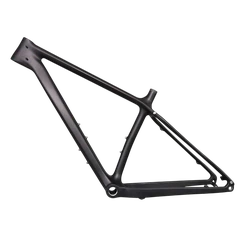
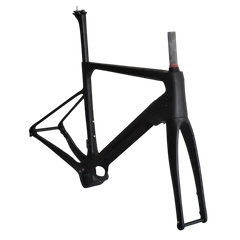
When you look at a road bike frame, you'll see several key measurements that decide how it fits you. Knowing what they mean helps you read geometry charts and choose the right carbon road bike frame with confidence.
Seat Tube Length

This is what you commonly hear as the "frame size," like 52cm or 56cm. Seat tube length is the distance from the center of the bottom bracket to the top of the seat tube.
It roughly tells you how "tall" the frame is.
A longer seat tube usually suits taller riders, while a shorter one fits shorter riders.
Headtube Length

This one is straightforward. It largely determines how high your handlebars can be positioned. Headtube length affects how high your handlebars sit.
A longer headtube gives you a more upright, comfortable position.
A shorter headtube puts you lower and more stretched out, better for racing.
Effective Top Tube Length

This is a more important reference than the actual seat tube length. It measures the horizontal distance from the center of the head tube to the center of the seat tube.
This is one of the most important numbers for reach.
If it's too long, you feel stretched; too short, you feel cramped.
Chainstays and Wheelbase

The chainstay is the part of the frame connecting the bottom bracket to the rear wheel axle. Chainstay length and wheelbase affect stability and handling.
Shorter chainstays/wheelbase = quicker, more responsive bike.
Longer chainstays/wheelbase = more stable and smoother, especially at speed.
How Does Road Bike Geometry Affect Sizing?
Road bike geometry decides how the bike feels on the road, even if two frames have the same "size" on paper. Two 54 cm frames can ride very differently. That's why you can't just look at the number; you also need to think about how you want the bike to handle, and you're considering a carbon road bike frame.

Carbon Road Frame
Send Inquiry Now

Carbon Bike Frame Road
Send Inquiry Now

Carbon Fiber Road Bike Frame
Send Inquiry Now

Carbon Fiber Road Bicycle Frame
Send Inquiry Now

Road Bike Frame Carbon Fiber
Send Inquiry Now

Road Bike Frame Carbon Fiber
Send Inquiry Now

Carbon Road Frame
Send Inquiry Now
Race Geometry
Race geometry is built for speed.
The headtube is shorter, the reach is longer, and you sit lower over the front of the bike.
You get:
A more aggressive position
Sharper handling
Better aerodynamics
But it can feel harsh if you prefer relaxed rides.
Endurance Geometry
Endurance geometry is made for comfort and long days in the saddle.
You sit a bit more upright, with a taller headtube and slightly shorter reach.
This helps reduce strain on your back, neck, and shoulders.
Reach
Reach is how far you stretch from the saddle to the bars.
Too long, and your lower back and hands suffer.
Too short, and you feel cramped and unstable.
Comfort Is Key
In the end, the "right" geometry is the one you can stay in for hours.
If you feel relaxed, stable, and in control, you've found the right balance between speed and comfort.
Let Us Help You Find the Right Size Road Bike
All this talk of numbers and geometry might feel like a lot. But you don't have to figure it out alone. We're here to make it simple. Sizing a road bike can be confusing, especially when you're choosing between two frame sizes that both seem close.
We provide detailed geometry charts for every model we make, so you can compare the stack, reach, and tube lengths you've just read about. If you're unsure or stuck between sizes, just ask. Our team can help you read your measurements and turn them into a clear, confident choice.

What you can do is:
Share your height, leg inseam, and usual riding style (racing, fitness, long-distance).
Tell us if you prefer a more relaxed position or a lower, sportier setup.
Let us know if you're planning to upgrade to a carbon road bike frame or build a new bike from scratch.
With this information, it's much easier to guide you toward a frame size that feels right on the road, not just looks correct on a chart.
How to Fine-Tune Your Road Bike Frame Fit
Even with the perfect frame size, some fine-tuning is normal. Think of it as the final step to make the bike truly yours. Start with the saddle height.
Most adjustments happen at three contact points: the saddle, the handlebars, and the pedals.
When the pedal is at the bottom of the stroke, your knee should have a slight bend, not be completely straight or overly bent.
Then look at the saddle position:
Slide the saddle forward if you feel too stretched.
Slide it back if you feel cramped over the bars.
Next, adjust the handlebar height and stem length. A higher bar is more relaxed, a lower bar is more sporty.
Take your time. Make one change at a time and test it on a short ride until the bike feels natural under you.
Conclusion
Choosing the right road bike frame size comes down to fit, not just numbers. When your frame matches your body and riding style, you'll be more comfortable, more efficient, and enjoy every ride a lot more. Height charts are a helpful starting point, but inseam, reach, and geometry are what truly make the difference.
At Carbon World, we offer carefully engineered carbon road bike frames with clear geometry data to help you choose with confidence. Reach out to us with your height, inseam, and riding goals, or explore our carbon road bike frame collection to compare geometry and options. We're here to help you find a frame that feels right from the first ride.
FAQ
Q: Do I need a different size if I switch to a carbon road bike frame?
A: Not necessarily, but it's smart to check the geometry. Two frames marked with the same size can feel different because the stack and reach numbers change. When you move to a carbon road bike frame, look at the geometry chart instead of just the size label, and aim to match your current contact point positions as closely as possible.
Q: Does my weight change the frame size I should choose?
A: Your weight doesn't change the frame size, but it does matter for wheel choice, tire pressure, and sometimes frame strength. Size is mainly about your height, inseam, and proportions.
Q: Can I upgrade my current bike to a carbon road bike frame?
A: In many cases, yes. As long as your fork, wheels, groupset, and brakes are compatible with the new carbon road bike frame (rim or disc, mechanical or electronic), you can move your parts over and keep your fit similar.
Q: Can I get matching carbon components with the frame?
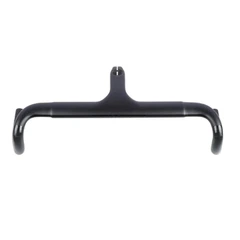
A: You can pair your frame with matching carbon wheels, fork, and cockpit for a complete build. This way, your road bike looks clean, rides lighter, and your fit can be set up correctly from day one.
Q: What measurements are useful before buying a carbon road bike frame?
A: Useful measurements include rider height, inseam, saddle height, preferred riding position, and current bike size. If you already ride a road bike, your current reach, stack, and stem length can also help.
Q: Can Carbon World help check frame size before production?
A: Yes. For carbon road bike frame projects, Carbon World can review frame size, geometry needs, surface finish, logo requirements, and OEM/ODM details before sampling or bulk production.
Q: What should bike brands confirm before ordering carbon road bike frames?
A: Bike brands should confirm size range, geometry chart, frame use, cable routing, brake type, tire clearance, fork specification, finish, logo, and sample approval before bulk orders.
Q: Can I use a road bike size chart for every brand?
A: Not exactly. Size charts vary between brands because frame geometry is different. A 54cm frame from one brand may not fit the same as a 54cm frame from another brand.