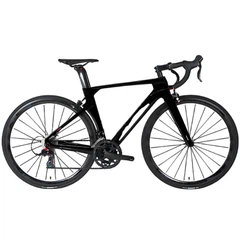
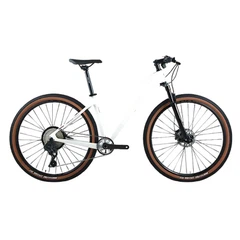
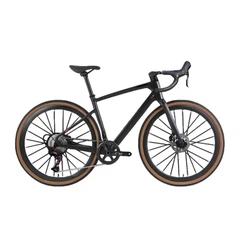
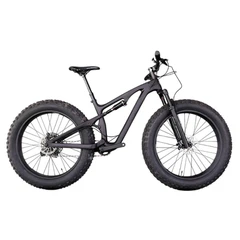

Choosing the right handlebar can change how your bike feels, even when the frame and wheels stay the same. Flat handlebars and riser handlebars are two common options, especially on mountain bikes, commuter bikes, fitness bikes, and custom bike builds.
The difference is not only about shape. It also affects how the bike fits your body and how it feels in daily riding.
This guide explains the basic differences between flat vs. riser handlebars, so you can better understand which type may fit your riding needs.
Key Takeaways
Flat handlebars keep the front end lower and are often used on XC bikes, fitness bikes, and bikes built for climbing or faster riding. Riser handlebars raise your hand position and are more common on trail, enduro, and downhill bikes where control and body movement matter more. The right choice depends on how you ride, not only the handlebar shape. Width, rise, backsweep, stem height, and bike geometry can all change how the bar feels.
What Are Flat Handlebars?
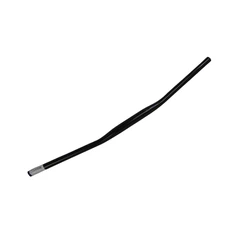
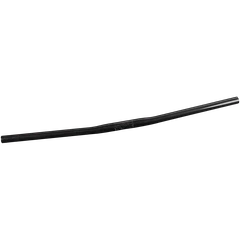
A flat handlebar is almost straight from the stem clamp to both grip ends. It does not bend upward like a riser handlebar, so your hands usually sit lower on the bike. Most flat MTB handlebars still have a small backsweep. This slight backward angle helps your wrists sit in a more natural position instead of forcing your hands straight across the bar.

What Are Riser Handlebars?
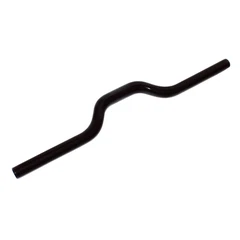
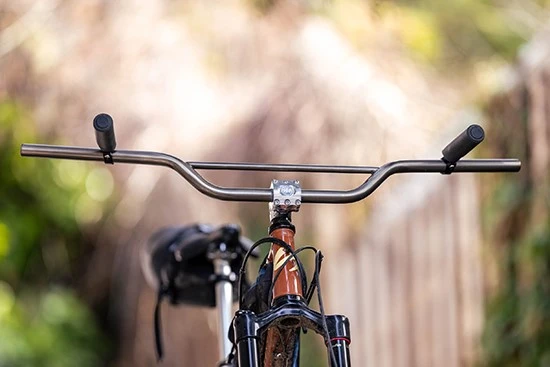
Riser handlebars bend upward from the stem clamp area before reaching the grip ends. This raised shape places your hands higher than a flat handlebar and can change how your upper body sits on the bike.
The rise height can vary. Common options are around 10 mm, 20 mm, 30 mm, or 40 mm, depending on the bike setup and riding style. Most riser MTB handlebars also include backsweep and upsweep to give your hands a more natural grip angle.

Flat vs. Riser Handlebars: Key Differences
| Point | Flat Handlebars | Riser Handlebars |
|---|---|---|
| Main Difference | Lower hand position. | Higher hand position. |
| Bike Feel | More forward and direct. | More upright and controlled. |
| Best Terrain | XC routes, climbs, smoother trails, fitness riding. | Trail riding, rough terrain, descents, technical sections. |
| Control | Quick steering response. | More leverage over the front end. |
| Comfort | Can feel more aggressive on long rides. | Usually feels easier on the upper body. |
| Setup Note | Works best when you want a lower front end. | Works best when you need more height without changing the frame. |
Riding Position and Body Posture
Handlebar shape changes where your hands sit. That changes your upper body angle, even before you think about riding style.
Lower Hand Position with Flat Bars
Flat handlebars usually place your hands lower and closer to the front wheel line. This can make your upper body lean forward more. On some bikes, the position feels lower and more stretched.

More Upright Fit with Riser Bars
Riser handlebars raise your hand position above the stem. This can make your back angle more upright and reduce how far you need to reach forward. The higher the rise, the more noticeable this change can feel.
Why Stem Height Also Matters
The handlebar is only one part of the fit. Stem angle, spacer height, stem length, and frame geometry also affect your posture. A flat bar on a high stem may feel different from a riser bar on a low stem.
Control and Steering Feel
Control changes with hand height and handlebar shape. The difference is not huge on every bike, but you can feel it more on trails, turns, and uneven ground.
Direct Steering Response
Flat handlebars often feel more direct. Your hands sit lower, and the bike may respond quickly to small steering input. This can suit XC riding, smoother trails, and riders who like a more precise front-end feel.
Better Leverage on Rough Terrain
Riser handlebars give you a higher grip position and more leverage over the front end. This can make it easier to guide the bike through rough terrain, tight turns, rocks, roots, and other technical sections.
Climbing Performance
Handlebar height can affect how your weight sits on the bike during climbs. This is why many XC bikes and climbing-focused setups use a lower front end.
Front-Wheel Pressure on Climbs
Flat handlebars can help keep more weight over the front wheel. On long climbs or steep sections, this may help the front tire stay planted rather than feel light or wander.
This setup often suits riders who climb seated and want a lower, more forward position.
When Riser Bars Still Work for Climbing
Riser handlebars can still climb well, especially with a low or moderate rise. If the bar is too high, you may need to lean forward more on steep climbs to keep front-wheel pressure.
Descending and Technical Terrain
On descents and rough trails, handlebar height can affect how much space you have to move your body over the bike.
More Room to Move on Descents
Riser handlebars lift your hands, which can make it easier to shift your body back on steep sections. This position is common on trail, enduro, and downhill bikes where the rider needs more movement over the front and rear of the bike.
Front-End Control on Technical Trails
On rocks, roots, loose gravel, and tight turns, riser bars can give you more leverage over the front end. This can make the bike feel easier to guide when the trail surface changes quickly.
Flat Bars Require More Body Control
Flat handlebars can feel quick on technical terrain, but the lower hand position gives you less room to move when the trail drops steeply. On loose gravel, roots, rocks, or sharp turns, you may need to shift your weight more carefully to keep the bike stable.
This setup can still work, but it asks more from the rider on rough descents.
Comfort for Long Rides
Small fit changes become more noticeable on long rides. A handlebar that feels fine for 20 minutes may feel different after one or two hours.
Wrist and Shoulder Pressure
Flat handlebars can put more load on your hands, wrists, and shoulders if the front end is too low or the reach is too long. This does not happen to every rider, but it is common when the setup is too aggressive for daily riding.
Upper Body Relaxation
Riser handlebars can reduce some upper body strain by raising the grip position. This may help your shoulders and back feel less tight on longer rides.
Still, comfort also depends on bar width, backsweep, saddle position, and stem length.
Handlebar Width, Rise, and Backsweep
Flat vs. riser handlebars is only part of the choice. The actual ride feel also depends on width, rise, and backsweep.

Handlebar Width
Handlebar width affects how much control you have and how your shoulders sit. A wider MTB handlebar can feel more stable on rough trails, but too much width may feel awkward or make tight spaces harder to pass.
Handlebar Rise
Rise is the height difference between the stem clamp area and the grip area. More rise raises your hands. Less rise keeps the front end lower. Even a small change can affect how the bike feels.
Backsweep
Backsweep is the slight backward angle of the grip area. It helps your wrists sit at a more natural angle, especially on longer rides.
Advantages and Disadvantages of a Flat Bar
Flat handlebars are simple, low, and direct. They work well when you want a lower front end and a more active riding position.
Advantages
Lower hand position for XC riding and climbing.
Direct steering feel on smoother trails and fitness bikes.
Usually lighter than high-rise handlebars.
Simple shape, easy to match with many bike setups.
Disadvantages
It can feel harder on your wrists and shoulders on long rides.
Gives less room to move on steep descents.
May feel too low if your bike already has an aggressive front end.
Advantages and Disadvantages of a Riser Bar
Riser handlebars raise your hand position and give the front end a different feel. They are common on trail, enduro, and downhill bikes.

Advantages
More upright hand position for many riders.
Better leverage on rough trails and technical sections.
More room to move your body on descents.
Useful when the front end feels too low.
Disadvantages
Can reduce front-wheel pressure on steep climbs if the rise is too high.
May feel less direct than a flat bar.
Usually slightly heavier than a flat handlebar.
Not ideal if you want a very low front-end setup.
Which Handlebar Is Better for Your Riding Style?
Handlebar choice should follow how the bike is used, not just the bar's look.
Cross-Country and Climbing
Cross-country bikes often use flat handlebars because the front end stays lower. This setup matches long climbs, fast pedaling, and smoother race routes.
Trail and Enduro Riding
Trail and enduro bikes often use riser handlebars. The higher grip position gives the rider more space to move on steep ground, rocks, roots, and tight turns.
Commuting and Fitness Riding
Commuter and fitness bikes can use either type. Flat bars keep the setup simple. A low riser bar can make daily riding feel less stretched.
Custom Bike Builds
Custom bike builds should confirm frame geometry, stem height, wheel size, rider height, and target use before choosing the handlebar.
Conclusion
Flat vs. riser handlebars is not a simple style choice. A small change in hand height can change how the whole front end feels. That is why the handlebar should be checked together with the stem, frame geometry, wheel size, and riding use.
For carbon handlebar projects, Carbon World can support basic specification confirmation, including width, rise, backsweep, clamp diameter, surface finish, and logo position. These details are useful before sampling or OEM/ODM production.

Carbon Handlebars Road
Send Inquiry Now

Carbon MTB Handlebars
Send Inquiry Now

Carbon BMX Handlebars
Send Inquiry Now

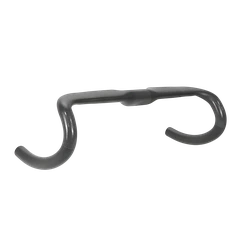
Carbon Gravel Handlebars
Send Inquiry Now
FAQ
Q: Can I switch from flat handlebars to riser handlebars?
A: Yes. You can switch, but check the clamp diameter, cable length, stem setup, and brake hose length before changing.
Q: Do riser handlebars make a bike more comfortable?
A: They can, especially if your current setup feels too low or stretched. Comfort still depends on width, backsweep, stem length, and saddle position.
Q: How do I know if my handlebar is too wide?
A: If your shoulders feel stretched or the bike feels hard to turn in narrow spaces, the handlebar may be too wide. Some riders trim MTB handlebars, but it should be done carefully.
Q: Does handlebar material change the ride feel?
A: It can. Carbon handlebars may reduce some vibration, while aluminum handlebars usually feel firmer. Shape, width, and tire setup also affect the final feel.
Q: Do I need special tools to install carbon handlebars?
A: You should use a torque wrench and follow the recommended torque limit. Over-tightening the stem, brake levers, or shifters can damage the carbon surface.
Q: What is the difference between backsweep and upsweep?
A: Backsweep angles the grip area backward toward the rider. Upsweep angles the grip area slightly upward. Both affect how your hands sit on the bar.
Q: Does handlebar rise affect brake and shifter position?
A: Yes. Changing from a flat bar to a riser bar can slightly change the lever angle and cable route. Brake levers and shifters should be adjusted after installation.