
You're not the only one who feels stuck choosing between a hardtail and a full suspension mountain bike. On paper, they both look great. On the trail, they feel very different.
A hardtail seems lighter, faster, and simpler.
A full suspension promises more comfort and control.
In this guide, you'll see how hardtail vs full suspension mountain bikes really compare in daily riding, not just in marketing words. You'll learn how they climb, how they descend, what they cost to maintain, and which one fits your local trails, budget, and riding style. By the end, you'll know which direction makes more sense for you.
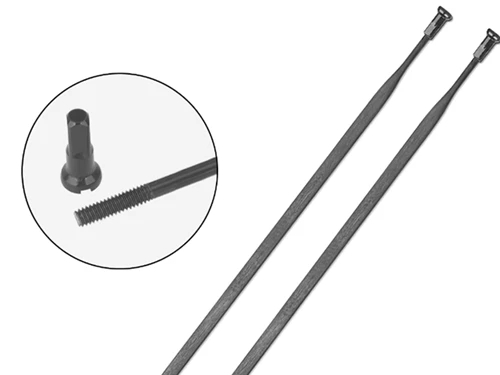
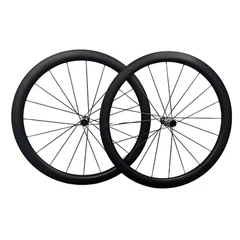
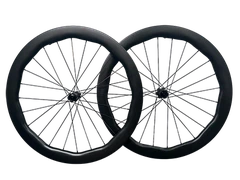
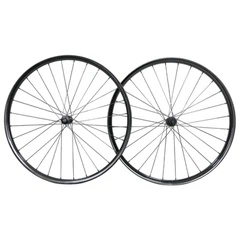
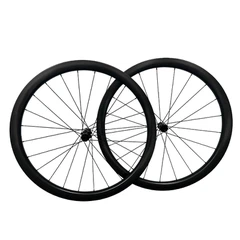
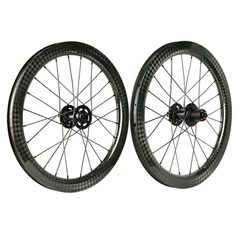
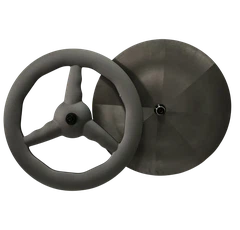
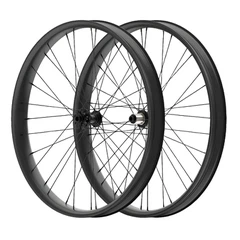
When you're picking a mountain bike, budget plays a big role. If you choose a hardtail, adding a carbon fiber bike wheelset can give you the advantage of lightweight and durability without breaking the bank. For riders interested in high-performance, carbon fiber bike rims offer improved aerodynamics and faster speeds, which can be a great upgrade.

What Is a Hardtail Mountain Bike?
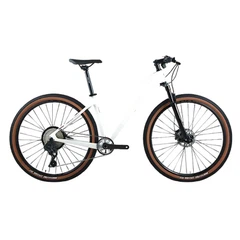
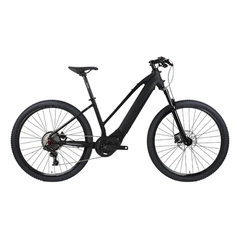
A hardtail mountain bike is a bike with a suspension fork in the front and a solid, rigid frame in the back. There's no rear shock, so the rear wheel is directly connected to the frame.
When you ride a hardtail, more of your pedaling power goes straight into the ground. It feels sharp and responsive, especially on climbs and smoother trails. You also feel more of the bumps and roots under your tires.
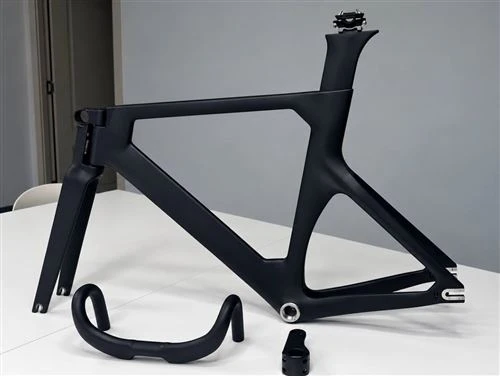
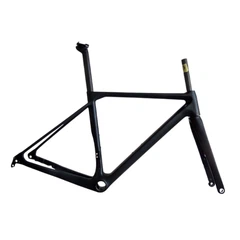
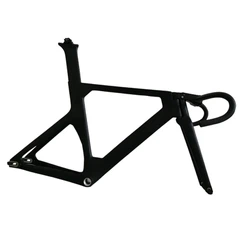
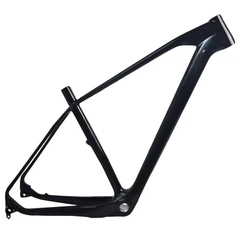
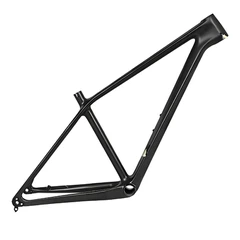
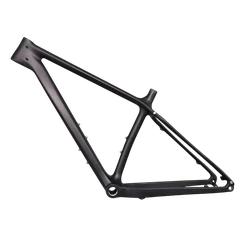
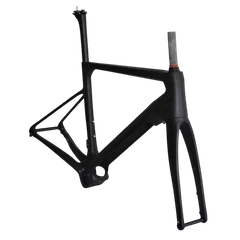
If you like a simple bike that's easier to maintain and usually lighter for the price, a hardtail mountain bike is a strong option to consider. Pairing it with a carbon fiber bike frame gives you additional strength and a lighter weight, making it perfect for long rides and challenging terrains.

What Is a Full Suspension Mountain Bike?
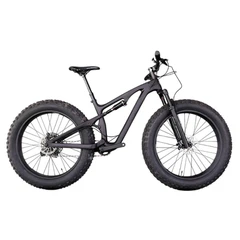
A full suspension mountain bike has suspension at both ends: a front fork and a rear shock connected by linkages. Instead of the rear wheel being fixed to a rigid frame, it can move up and down to absorb bumps and impacts.
When you ride a full suspension bike, the wheels stay in better contact with the ground. You feel more control on rocks, roots, and steep descents, and your body takes fewer hits.
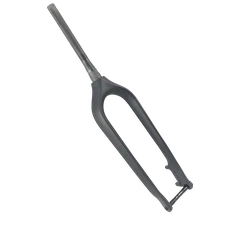
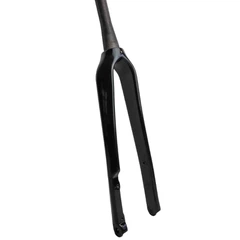
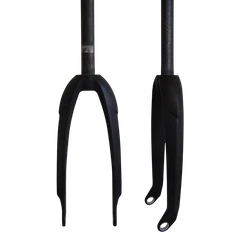
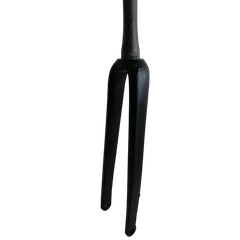
If your local trails are rough or you enjoy technical riding and longer descents, a full suspension mountain bike can make those rides feel smoother and safer. If you're looking to upgrade your ride's performance, pairing it with a carbon fiber front fork will improve handling and shock absorption, especially on rugged trails.

Why Is a Full Suspension Bike Not Called a Softtail?
You might hear the word "softtail" and wonder why your full suspension bike doesn't use that name. They sound similar, but they describe different designs.
A full suspension mountain bike has a real rear suspension system, with:
A rear shock
Linkages and pivots
A clear amount of travel you can set and adjust
A traditional softtail was usually a hardtail-style frame with a small amount of flex or a very short hidden shock in the rear stays. It only smoothed out tiny bumps and didn't offer the control or travel of a true rear suspension.
In modern mountain biking, brands use "full suspension" to indicate that a bike has both front and rear suspension for serious off-road riding.
Maintenance, Durability, and Running Costs
Taking care of a mountain bike isn't just about cleaning the chain. Over time, the type of bike you choose will change how often you service it, how many parts wear out, and how much money you spend keeping it on the trail.
Hardtail: Simple and Easy to Look After
A hardtail has fewer moving parts, so it's easier for you to maintain. Most of the time, you only need to care about:
The suspension fork
The drivetrain (chain, cassette, chainring)
The brakes and wheels

There are no pivots or rear shock, so there's less that can creak, wear out, or go wrong. Over a few seasons, this usually means lower running costs and less workshop time.
Full Suspension: More Performance, More Parts
A full suspension mountain bike gives you more comfort and control, but it also adds more parts to service:
Front fork and rear shock
Multiple pivots, bearings, or bushings
Extra hardware that needs checks and torque
If you ride often, you'll need regular suspension services and, from time to time, bearing replacements. This adds cost and a bit of downtime.
What This Means for You
If you want a bike that's simple, tough, and cheaper to keep running, a hardtail is easier to live with. If you're happy to invest more time and money into maintenance for better performance, a full suspension bike can still be worth it.
Budget, Value, and Upgrade Paths
When it comes to price, there's a noticeable difference between hardtails and full suspension bikes. Let's take a quick look at how each option fits within different budgets.
Budget
When you're picking a mountain bike, budget plays a big role in deciding whether you go for a hardtail or full suspension. Here's a breakdown:
Hardtails are generally cheaper because they have fewer components and simpler designs.
Full suspension bikes are pricier due to the added complexity of rear shocks, pivots, and more suspension parts.
You'll find hardtails offer more value if you're just getting started or if you plan on riding lighter trails.
Value
The key to great value is getting a bike that fits your needs without overspending. A mid-range hardtail will often give you more bang for your buck, especially when compared to a low-end full suspension bike. If you're just starting or sticking to less rugged trails, you'll get a lot of performance from a solid hardtail.
However, if you're planning on tackling rougher trails or want a bike that will handle tough descents, spending a little more for a quality full suspension bike will be worth it in the long run.
Upgrade Paths
You don't always need to buy your dream bike up front. A great way to build your perfect ride is to start with a high-quality hardtail and then upgrade components as you go.
Start with a solid frame, and upgrade the wheels, brakes, and drivetrain over time.
If you outgrow your hardtail or want to dive into more technical riding, you can move up to a full suspension bike later.
By spreading out your upgrades, you'll be able to customize your bike while staying within your budget.
How to Choose Between a Hardtail and a Full Suspension Bike?
Choosing between a hardtail and a full suspension bike comes down to your personal preferences, riding style, and the kind of terrain you tackle.

Rider Preference
It all starts with what kind of riding experience you enjoy.
If you love lightweight, fast rides with a direct connection to the trail, a hardtail might be your best bet.
If you prefer smooth, controlled rides with extra comfort and handling on rough terrain, a full suspension bike will offer more of what you're looking for.
Simplicity
Simplicity matters when it comes to maintenance and bike handling.
A hardtail is straightforward: fewer parts, less maintenance, and no extra complexity.
Full suspension bikes, while offering more comfort, come with extra components that need regular care, like the rear shock and pivots.
Riding Scenarios and Disciplines
Your riding style and the terrain you frequent also play a big role in your decision.
New Mountain Bike Rider
If you're new to mountain biking, a hardtail is a great starting point. It's easier to maintain, and you'll learn basic skills quickly on a simpler bike.
Trail Riding
For moderate trails with a mix of climbs and descents, both bikes work well, but a hardtail gives you a lighter, more responsive ride, especially on smoother paths.
Cross-Country Racing
For XC racing, the hardtail is usually the better option due to its lighter weight and efficient pedaling.
Enduro Racing
If you're into enduro racing, where technical descents and challenging climbs are common, a full suspension bike is best for better control and comfort on rough terrain.
Downhill
Downhill racing requires a full suspension bike for maximum control and safety at high speeds and over steep drops.
Dirt Jumping and Trials
For dirt jumping and trials, hardtails are often preferred because they are more responsive, giving you the agility needed for tricks and jumps.
What's the Ideal Wheel Size for Hardtail and Full-Suspension Bikes?
When choosing the right wheel size for your bike, it mostly comes down to how you ride and where you ride.
29-inch wheels are great for smooth trails, offering better stability and easier obstacle clearance. They're commonly used on both hardtails and full-suspension bikes for cross-country and trail riding.
27.5-inch wheels are more agile, making them a popular choice for technical trails, downhill, and enduro, where quick handling is more important.
Hardtail vs. Full-Suspension: A Quick Roundup of Pros and Cons
|
Feature |
Hardtail |
Full Suspension |
|
Weight |
Lighter, easier to handle |
Heavier due to extra suspension components |
|
Comfort |
Less comfortable on rough trails |
More comfortable, absorbs bumps and shocks |
|
Climbing Efficiency |
More efficient, uses less energy |
Less efficient, but offers better traction on steep climbs |
|
Cost |
Generally cheaper |
More expensive because of the rear suspension and linkages |
|
Maintenance |
Easier to maintain, fewer parts to worry about |
Requires more maintenance due to the complex suspension system |
This table highlights the key differences between hardtails and full suspension bikes-helping you decide based on what matters most for your riding style!
What if I am Still Not Sure?
If you're still unsure, don't worry, that's normal! Here's what you can do next:
Test ride both: Head to a local bike shop and try a hardtail and a full-suspension bike. Feel the difference on the trail.
Rent bikes: Rent a hardtail or full suspension to get a real-world sense of how each performs.
Start simple: If you're new, consider a solid hardtail as a first bike. You can always upgrade later.
FAQ
Q: Can a hardtail handle technical descents?
A: A hardtail can handle moderate descents but struggles on technical trails with rocks and steep drops. A full suspension bike offers better control on rough terrain.
Q: Do I need to upgrade my wheels on a full suspension bike?
A: Upgrading to carbon fiber bike wheels can improve handling and speed, especially on rough terrain. It's a good upgrade for any bike.
Q: Who should consider carbon fiber wheels?
A: Carbon fiber bike wheels are ideal for high-performance riders who seek lighter weight and better efficiency. These wheels provide faster acceleration, improved handling, and reduced weight, making them perfect for long rides and technical terrain.
Q: What parts can I customize on my bike?
A: You can choose from a variety of customizations, including: Carbon fiber bike rims: Lighter, more durable, and enhance performance. Carbon fiber front fork: Upgrades handling and shock absorption for a smoother ride. Brakes: Choose high-performance brakes for better stopping power and safety.
Conclusion
Choosing between a hardtail and a full suspension mountain bike really depends on the type of riding you do. If you prefer a lighter, more responsive bike for climbing and smoother trails, a hardtail with a carbon fiber bike frame is a solid choice, offering excellent value and low maintenance.
However, if you ride on more challenging terrain or enjoy downhill and technical trails, a full suspension bike provides better comfort and control with the added benefit of shock absorption from both the front and rear.
Both bikes have their place. No matter your choice, both bikes have their advantages. Think about your needs, budget, and how you ride to find the perfect match for you.