

You've seen them around, those bikes with the huge, almost comical tires. At first glance, they look like a bear on wheels. What are they even for?
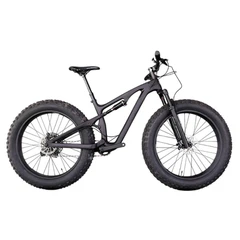
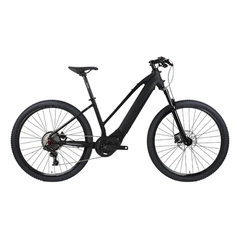
Let's clear that up. A fat tire bike is built for fun, freedom, and places where normal bikes hesitate. It's not just for snow. It's for sand, mud, rocky trails, and even bumpy city streets. Their wide tires, steady feel, and go-anywhere attitude make them appealing, whether you're new to cycling or exploring options like a carbon fat bike for better performance.

This guide is for you if you're curious. We'll walk through what makes these bikes special, where they shine, and what to know before you try one. No hype, just the straight talk you need.
Quick Answer
The fat tire bike is a bicycle equipped with extra-wide tires, usually 3.8 inches or wider, designed for riding on snow, sand, mud, gravel, and rough trails. With its large tire volume and lower tire pressure, this type of bike provides excellent traction, stability, and comfort.
What Is a Fat Bike?

It comes down to one simple thing: tire width. Think about the tires on a regular mountain bike. Now imagine them two or three times wider.
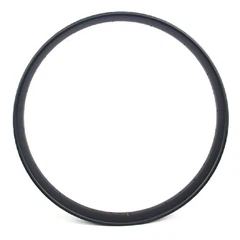
That's the heart of it. While there's no strict rule, most fat bikes have tires that are at least 3.8 inches wide. Many are 4 inches or even wider. They're mounted on extra-wide rims to fit.
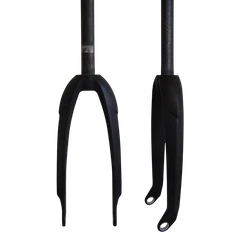
All that extra volume is the bike's secret power. It's not about being different for the sake of it. That huge tire is a tool. Their frames and forks are designed with extra clearance to fit these wide tires, and the low tire pressure gives you a steady, cushioned ride, something you feel even more distinctly when the bike is built around a lightweight carbon fat bike frame.
This creates a giant, soft contact patch. The bike can float over stuff instead of sinking in.
What Are the Advantages of Fat Bikes?
So why would you want one? The benefits are pretty straightforward.
Versatility
This is the big one. A fat bike can be your one-bike solution for almost any surface. Swap the tires, adjust the pressure, and you're ready for a completely different adventure. Snow, sand, loose gravel, and muddy trails all become rideable instead of off-limits.
Comfort & Stability
Those wide tires aren't just for show. They work like built-in suspension, softening bumps and reducing the jarring feel of rough ground. The extra traction also helps you stay balanced and in control, especially when the trail gets unpredictable.
Skill Development & Confidence Building
A fat bike makes it easier to learn good balance and steady handling. Because the bike feels planted, you have more room to focus on your technique instead of worrying about slipping or sinking. Over time, you'll notice your overall riding skills improving, whether you stay on the fat bike or switch back to another style.
How Fat Tires Work
Fat tires work differently from regular bike tires because of how they handle pressure, shape, and grip. Instead of staying stiff and narrow, the tire changes its form to match the ground under you. These simple mechanics are what make a fat bike feel stable on soft or uneven surfaces.

Tire Pressure Mechanics
You can run these tires at incredibly low pressure, think 5 to 15 PSI. When the pressure drops, the tire can squash and spread out. This helps it soak up bumps and stay controlled on soft ground instead of bouncing or sliding.
Contact Patch Physics
As the tire spreads, the area touching the ground becomes larger. This bigger contact patch creates more friction and more support. It also keeps the bike from sinking into snow or sand, which is something narrow tires struggle with.
Snow vs Sand vs Rock Traction Difference
This is where the physics come to life. On snow or sand, the large, soft patch floats, preventing you from sinking. On hardpack or rock, that same patch molds around obstacles, creating immense grip. You get traction where a skinny, hard tire would just spin or bounce.
Carbon vs Aluminum Fat Bikes
Below is a clear, easy-to-read comparison table to help you understand the main differences between carbon and aluminum fat bikes. It keeps things simple without losing the key details you need when choosing between the two.
|
Feature |
Carbon Fat Bike |
Aluminum Fat Bike |
|
Weight |
Lighter, easier to handle, especially on climbs |
Heavier but still manageable |
|
Ride Feel |
Smoother and more responsive; absorbs small vibrations well |
Stiffer ride; more trail feedback |
|
Strength |
Strong structure with high stiffness-to-weight ratio |
Durable and tough, good for rough use |
|
Cold-Weather Performance |
Performs well in low temperatures without feeling harsh |
Can feel a bit stiffer in cold conditions |
|
Durability |
Resistant to corrosion; holds up well with proper care |
Very durable, but can dent more easily |
|
Price |
More expensive due to materials and design |
More budget-friendly |
|
Best For |
Riders who want performance, light weight, and a smoother feel |
Riders who want durability and lower cost |
If you want a bike that feels lighter and more responsive on soft or uneven terrain, carbon is usually the better fit. If you're looking for something strong, simple, and affordable, aluminum gets the job done well.
Carbon World Carbon Fat Bike Frame Technology
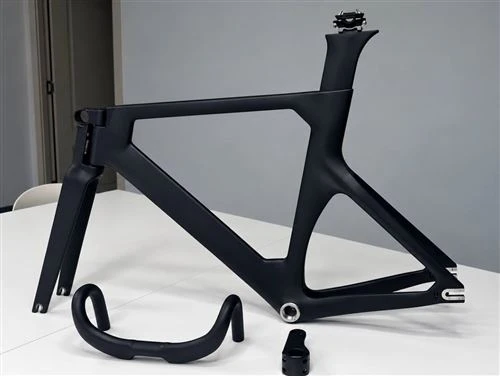
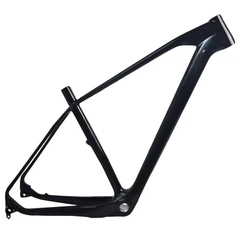
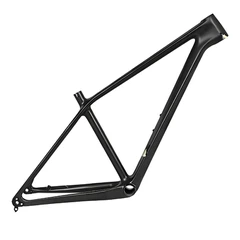
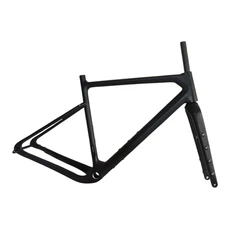
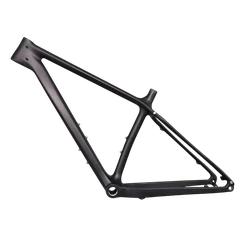
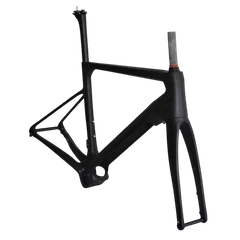
When you're pushing those big tires, a heavy frame can make the bike feel sluggish. That's where the right frame material makes a real difference. A good fat bike frame needs to stay strong, steady, and predictable on soft or uneven ground. At Carbon World, we build our fat bike frames entirely from carbon fiber. It's not just about being lightweight, though that's a huge plus. It's about control.

Carbon Fat Bike Frame
Send Inquiry Now

Carbon Fat Bike Frame
Send Inquiry Now

Carbon Fat Bike Frame
Send Inquiry Now

Carbon Fat Bike Frame
Send Inquiry Now
EPS Molding & Carbon Layup
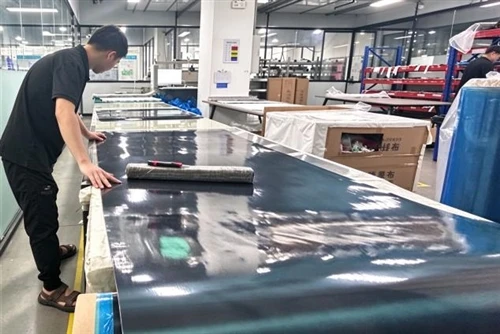
Carbon World uses EPS molding to create smooth, consistent inner walls. The process starts with a seamless, one-piece mold. This keeps the frame strong while removing unnecessary weight. The carbon layup is arranged in layers that support the areas that take the most stress-like the bottom bracket, head tube, and chainstay joints. You feel the difference when the trail gets rough or when you're moving through deep snow.
The frame also offers wide tire and rim clearance so you can run different setups depending on where you ride. Whether you choose a 26x4.8 or 27.5x4.0 tire, the frame stays stable and predictable. If you want a fat bike that feels confident on demanding ground, the technology behind Carbon World's frame helps you get there.
What Type of Rider Is Suitable for Riding a Fat Bike
Fat bikes aren't made for one type of rider. They fit different needs and riding styles, which is why so many people enjoy them. If you're unsure whether a fat bike makes sense for you, here's a simple way to see where you fit.
Beginners
If you're new to cycling, a fat bike gives you extra stability. The wide tires help you stay balanced, and the slower, steadier feel makes learning easier. You can take your time, build confidence, and enjoy riding without worrying about slipping.
Winter Commuters
Snowy paths and icy patches can make regular bikes feel unsafe. A fat bike handles these conditions better because the large contact patch gives you more grip.
Adventure/Bikepacking Riders
Fat bikes are great for riders who like exploring off the main trail. They carry weight well, roll over rough ground smoothly, and stay stable when fully loaded. If you enjoy long rides in the backcountry, a fat bike keeps you moving even when the terrain changes.
Riders Living in Sandy/Beach Areas
Soft sand is tough on most bikes, but fat tires float instead of sinking. If you ride near the coast or on desert paths, a fat bike makes these surfaces not only possible, but fun.
Basic Maintenance Tips for Fat Tire Bikes
Fat tire bikes don't need complicated care, but a few simple habits can keep them running smoothly. Because these bikes are often used on snow, sand, mud, and rocky trails, taking care of the tires and drivetrain goes a long way.
Check tire pressure every time you ride. This is the most important habit you can build. Fat tires work best at low pressure, so check them before each ride. Cold weather can drop the pressure quickly, while warm weather can raise it, so small adjustments make a big difference in how the bike feels.
Clean it more often, especially the drivetrain. After riding through sand or mud, rinse off the frame, wheels, and drivetrain so grit doesn't wear down moving parts. A soft brush helps remove stubborn dirt, and a quick wipe keeps the bike looking clean.
Don't forget to lubricate the chain. Fat bikes often face harsh conditions, so keeping the chain smooth prevents rust and stiff links. Finally, look over your bolts, brake pads, and wheels from time to time. A few minutes of checking can save you from bigger problems later.
Conclusion
Fat bikes stand out because they let you keep riding when the ground stops cooperating. Snow that usually swallows your wheels, loose sand that makes other bikes spin out, and rocky paths that feel too rough suddenly become rideable. You get more control, more comfort, and more chances to explore places you'd normally avoid.
If you're looking for something that feels stable on tricky surfaces or you want a bike that handles winter and summer with the same confidence, a fat bike is a solid choice. And if you want a setup that feels lighter and more responsive, Carbon World builds carbon fat bike frames and components that hold up well in harsh conditions. They're made for riders who want a bike that's durable, smooth, and ready for real terrain. Choose the parts that match the way you ride, and you'll feel the difference every time you roll out.
FAQ
Q: Is a carbon fat bike frame worth it?
A: If you want a lighter, smoother, and more responsive ride, a carbon frame can make a big difference. It also holds up well in cold weather, which many fat bike riders appreciate.
Q: Do fat bikes need special rims or forks?
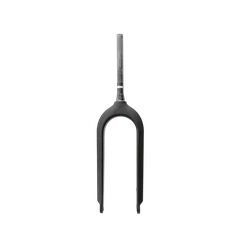
A: Yes. Fat bikes use extra-wide rims and forks to fit the larger tires. If you upgrade parts, make sure they're designed for fat bike spacing and tire width.
Q: Do fat bikes need special inner tubes if I don't go tubeless?
A: Yes. Fat bike tubes are larger than standard mountain bike tubes. They're made to fit wide rims and help keep the tire shape stable at low pressures.
Q: Do carbon fat bike rims make a noticeable difference?
A: They do. Carbon rims reduce rotational weight, which helps the bike feel quicker when accelerating or climbing. Riders often notice smoother handling and easier steering.
Q: Is a carbon fork a good upgrade for a fat bike?
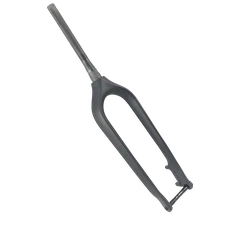
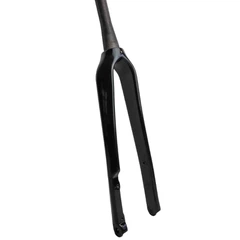
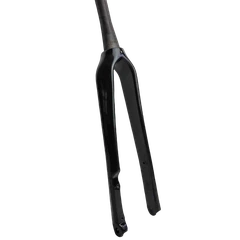
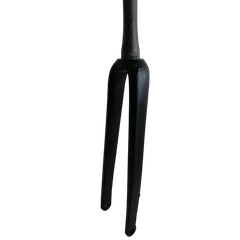
A: A carbon fork can remove a lot of front-end weight and absorb small vibrations. It keeps the steering sharp while reducing the fatigue you feel in your arms on long rides.
Q: Do carbon components crack easily?
A: Not when used correctly. Quality carbon fiber parts are tested to handle impacts, vibration, and heavy riding loads. Most failures come from damage or improper installation, not normal use.
Q: Do OEM suppliers offer private-label carbon components?
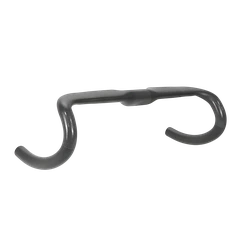
A: Many do. This includes branding on rims, handlebars, frames, and forks, ideal for bike shops or brands that want their own logo on products.