
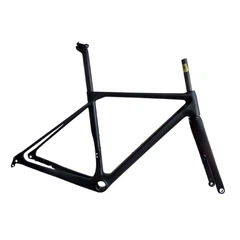
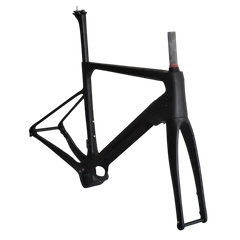
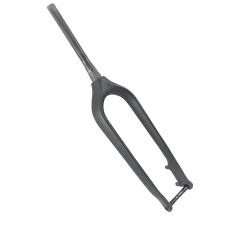
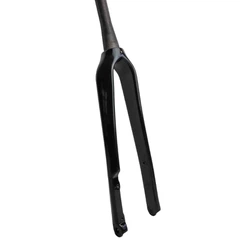
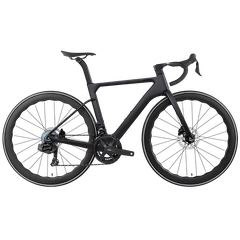
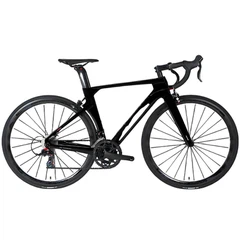
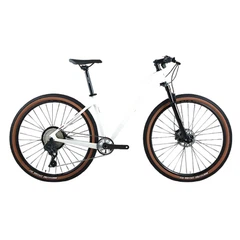
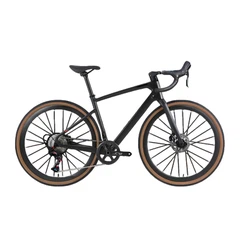


One of the most common questions cyclists ask when buying a road bike frame is: "How long will this frame last?" Road bike frames don't have a simple "expiration date." Two riders, even if they buy the same frame, may experience vastly different results. Some frames can last for many years without any problems, while others may be damaged prematurely due to crashes, improper sizing, or harsh riding conditions.
Therefore, a frame's lifespan depends not only on time or mileage, but more importantly, on how the frame is actually used. Smooth roads, proper storage, and good maintenance can reduce wear and tear on the frame. However, severe impacts, overtightened bolts, and repeated riding on rough surfaces will quickly shorten the frame's lifespan.
In this guide, you will learn the true meaning of "frame lifespan," a comparison of the performance of frames made from different materials, and what signs indicate that you need to inspect, repair, or replace your frame. Our goal is simple: to ensure your bicycle is safe and reliable and remains in optimal riding condition.
What "Frame Life" Actually Means
"Frame life" can mean two different things, and mixing them up causes a lot of confusion. The first meaning is safe to ride. That's the basic line. The frame has no cracks, no major dents, and no damage that could fail under normal riding. If a frame isn't safe, nothing else matters.
The second meaning still performs well. A frame can be safe, but not feel great anymore. Maybe it creaks under load, the handling feels off, or parts no longer line up the way they used to. Small impacts can knock things slightly out of place. Wear in the contact areas can also build up over time.

Typical Lifespan by Frame Material
Frame material doesn't give you an exact "end date," but it does change how a frame ages and what tends to kill it.
Carbon Fiber Road Bike Frame Life
Carbon doesn't fatigue in the same slow, bending way metals can. A well-made carbon frame can stay solid for many years. The main risk is impact damage, like a hard crash, a bike falling onto a sharp edge, or being crushed in a car rack. If it's not hit, it often keeps its ride feel for a long time.
Aluminum Road Bike Frame Life
Aluminum frames are light and stiff, but they can be less forgiving over very long use. They don't have the same "infinite fatigue" behavior people talk about with steel. That doesn't mean they fail quickly. It means you should pay attention to high-stress areas over time, especially if you ride rough roads or you're a heavier rider.

Steel Road Bike Frame Life
Steel is known for its durability and long service life. It can handle small dings and still be safe. The main enemy is rust. If you keep it clean, dry, and protected, steel can last a very long time.
Titanium Road Bike Frame Life
Titanium is both corrosion-resistant and very durable. It tends to age gracefully when it's built well. The biggest issues are usually not "wearing out," but damage from crashes, poor installation, or neglected parts around the frame.
Why Are Carbon Fiber Road Bike Frames So Popular Among Road Cyclists?
Carbon fiber is so popular because it offers the best strength-to-weight ratio of all common frame materials, allowing for a lightweight frame that remains stiff where needed while providing comfort in key areas. Unlike metal frames, you're not limited to a single, fixed riding feel. Engineers can shape the tubing and adjust the layup structure to make the bike responsive during pedaling while also filtering out some road vibrations.
Carbon fiber also gives designers greater freedom. It allows for smoother aerodynamic shapes, better integration of components, and frames that can accommodate modern tire widths. For many riders, this perfect combination of speed, fit, and ride quality is unmatched by other materials.

The Biggest Factors That Shorten Frame Life
A frame usually doesn't "expire." It gets worn down by stress, or it gets taken out by one bad event. Knowing the common causes helps you avoid the fast track to damage.
Mileage and Road Conditions
More miles mean more repeated loads, especially on rough roads. Potholes, gravel, and constant vibration increase stress at joints and high-load areas.
Rider Weight/Load
Higher total weight puts more force through the frame. Add a heavy backpack, bikepacking bags, or a powerful sprint style, and stress climbs even faster.
Crashes and Impacts
This is the big one. A hard crash, a bike falling onto a curb edge, or a clamp crushing a tube can cause damage that isn't obvious right away.
Poor Fit and Stress Points
A bad fit can create unusual forces, like too much seatpost showing, a slammed stem on the wrong setup, or over-tightened bolts. These turn small areas into stress hotspots.
Corrosion and Weather Exposure
Steel and aluminum hate salt and moisture. Even carbon frames can suffer when parts corrode around them. Wet storage and dirty winter rides speed up the damage.
Carbon Frame Care Notes
Carbon fiber itself isn't "sun sensitive" in the way people imagine, but the resin and clear coat can age over time if the bike lives in strong UV. If your frame spends hours in direct sun every day, the finish can fade or turn cloudy. It's mostly cosmetic, but it's still worth avoiding.
Heat matters more than most riders think. Don't leave a carbon bike baking in a closed car or pressed against a hot exhaust area on a rack. High heat can soften adhesives and stress some bonded parts.
Protect the surface with simple habits. Wipe off sweat and road grime, use a soft cloth, and avoid harsh solvents. If you use a work stand, clamp the seatpost, not the frame.

How to Check a Frame
Start with a clean bike. Dirt hides cracks, and you can't inspect what you can't see. Use good light, then look slowly over the areas that take the most load: the head tube, down tube, bottom bracket, chainstays, and seat tube.
Use your hands, not just your eyes. Run your fingers along the tubes and joints. Feel for sharp edges, raised lines, soft spots, or dents. On carbon, tap the surface with a coin and listen. A clear, even sound is normal. A dull "thunk" in one small area can be a warning sign.
Next, check the fit points. Make sure the seatpost isn't stuck or crushed, the headset turns smoothly, and the rear triangle is aligned. If you hear new creaks under load, don't ignore them. If something looks off or feels wrong, stop riding and get a shop to inspect it.
Repair vs Replace: When Each Makes Sense
|
Situation |
Repair usually makes sense when… |
Replace usually makes sense when… |
|
Small Crack or Chip in Paint |
It's clearly cosmetic, no soft spots, no spreading lines |
You can't tell if it's cosmetic or if the mark grows after rides |
|
Carbon Damage from a Local Impact |
The damage is in one area, away from key joints, and a pro shop says it's repairable |
The damage is at the head tube, bottom bracket, dropout, or a major joint |
|
Aluminum Dent |
It's minor, not near a weld, and the bike still tracks straight |
It's near a weld, causes alignment issues, or you see any cracking |
|
Steel rust or a Small Dent |
Rust is surface-level and can be cleaned; dents are not at high-stress points |
Rust is deep, inside tubes, or you see cracking at joints |
|
Crash History |
You can confirm the frame is aligned and passes inspection |
You can't confirm what happened, or the frame feels "off" after the crash |
|
Cost vs value |
The repair cost is reasonable compared to the frame's value, and you trust the repair |
Repair cost is close to replacement, or you need peace of mind for hard riding |
A simple rule: if it's structural, near a critical area, or hard to assess, treat replacement as the safer decision. If it's localized and confirmed repairable, a professional repair can be a smart option.
How to Extend the Life of Your Road Bike Frame
You don't need special tools to make a frame last longer. You just need a few habits that prevent slow damage and avoid the big "one-time" mistakes.
Reduce Rain and UV Exposure
If you ride in wet weather, try not to leave the bike soaked afterward. Store it indoors when you can. Long hours in direct sun can age the finish over time, so shaded storage helps too.
Keep the Frame Clean and Dry
A quick wipe after rides goes a long way. Dirt holds moisture, and salty sweat can corrode bolts and small parts. Pay attention to areas around the bottom bracket, bottle cages, and seatpost.
Avoid Impact Spots
Frames get hurt more from knocks than from miles. Be careful with curbs, stairs, and bike racks. Don't clamp the frame in a work stand; clamp the seatpost. And avoid over-tightening bolts. Use a torque wrench if you have one.
Stop Riding If Something Feels Off
New creaks, a sudden change in handling, or a "soft" feeling after an impact are warning signs. Don't keep pushing through it. A quick inspection now can prevent a bigger failure later.
Carbon Frame Options
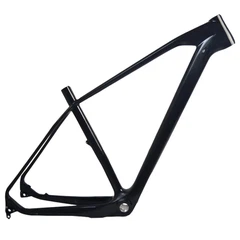
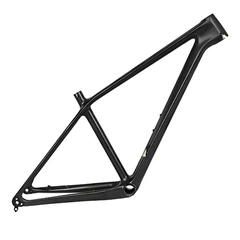
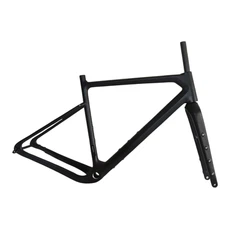
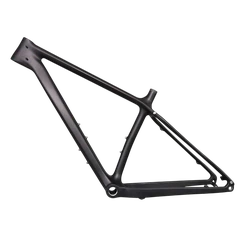
Carbon fiber frames come in several styles, each designed for a specific kind of riding.
Carbon Bike Frame

Carbon Fiber Road Frame
Get Best Price

Carbon Fiber MTB Frame
Get Best Price

Carbon Gravel Frame
Get Best Price

Carbon Fiber Frame Bmx
Get Best Price

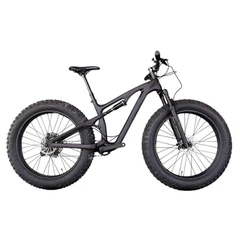
Carbon Fat Frame
Get Best Price
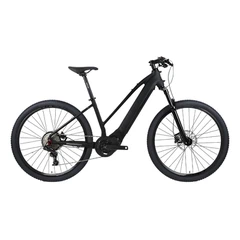
E-Bike Carbon Frame

Carbon E-bike Road Frame
Get Best Price

Carbon Fat Bike Frame 26er
Get Best Price

Carbon E-bike Frame MTB
Get Best Price

Carbon E-bike MTB Frame
Get Best Price
FAQ
Q: Is an aluminum frame less durable than carbon?
A: Not automatically. Aluminum can be very strong and reliable. The difference is that long-term fatigue and cracks near high-stress areas are more common concerns, so inspection matters.
Q: Can washing your bike shorten frame life?
A: Washing helps, but the wrong method can cause problems. Avoid blasting bearings and small gaps with high-pressure water. That pushes water inside and leads to corrosion around bolts and inserts.
Q: Can sunlight damage a carbon frame?
A: Direct sun mainly affects the clear coat and paint, not the carbon fibers. Over time, strong UV can fade the finish. It's usually cosmetic, but indoor or shaded storage is still the better habit.
Q: Is a small scratch on carbon dangerous?
A: Most scratches are only in the clear coat. The warning signs are deeper marks, a crack line that spreads, or a soft spot you can feel with your finger. If you're unsure, get it checked instead of guessing.
Q: Do bikes with internal cable routing have shorter frame life?
A: Not by default. But they can hide grime and moisture around entry ports if you never clean the bike. Keep those areas clean, and check for rattles or cable rub that can wear the finish.
Conclusion
A road bike frame can last a long time, but its "life" depends more on stress and impacts than on age. Even if the frame is aluminum, carbon fiber, or steel, it's still exposed to the same real-world threats: rain, UV rays, and the constant knocks from rough roads. That's why simple habits matter. Clean your frame regularly, keep it dry when you can, and slow down for curbs or sharp bumps instead of smashing into them.
Most problems also give you clues, new noises, changes in handling, or marks around high-stress areas. When you catch those early, you stay safer and avoid bigger repair costs later.
If you're planning a new build or replacing an old frame, Carbon World can help you choose a carbon road frame that fits your riding style, tire size, and durability needs. Send your height, riding type, and target tire width, and we'll point you in the right direction.