

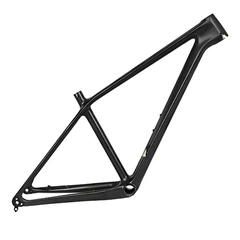
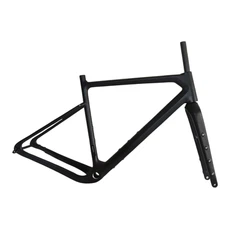
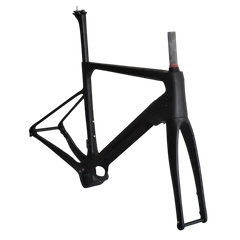
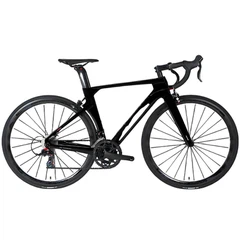
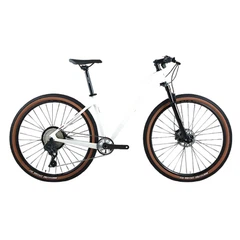
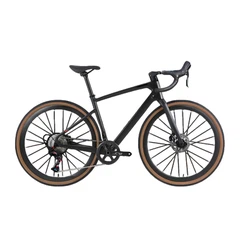
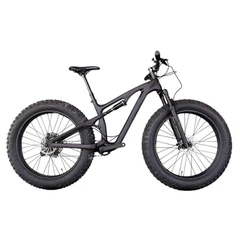



Cycling enthusiasts worldwide know that handlebars are one of the most frequently contacted components between the rider and the bicycle. They affect comfort, handling, and even your riding confidence. The right components can significantly improve the riding experience. When it comes to handlebars, carbon fiber is a popular choice due to its lightweight construction, high strength, and comfort-enhancing properties. Whether you're road cycling, exploring gravel roads, or tackling rugged mountain trails, each type of riding has different requirements for handlebars. The shape, width, material, and strength of the handlebars are all crucial. While carbon fiber offers distinct advantages, not all carbon fiber handlebars are created equal.
So, how do you choose the best carbon fiber handlebars for your road bike? Read on to find out.
What Are Carbon Fiber Handlebars?
Before delving into the types and advantages of carbon fiber handlebars, let's first understand their composition.

Carbon fiber handlebars are made from multiple layers of carbon fiber woven together and then bonded with resin to form a strong and durable structure. Unlike aluminum handlebars, this material is incredibly lightweight while also possessing exceptional rigidity, making it ideal for bicycle components that require both strength and lightness. This allows manufacturers to control the stiffness and flexibility in different areas. Where needed, you get a firm, responsive feel, and where your hands grip, you experience a degree of comfort.
Types of Carbon Fiber Handlebars
Carbon fiber handlebars come in several styles, each designed for a specific kind of riding.

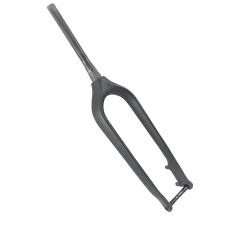
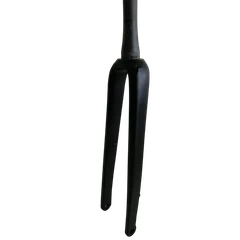
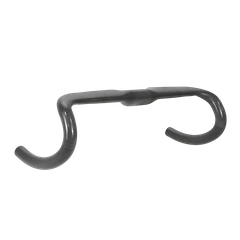
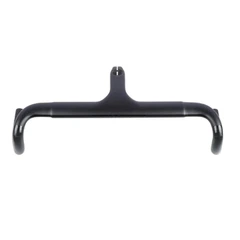
Carbon Fiber Road Bike Handlebars
Ask for Price

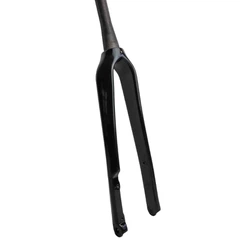
Carbon Fiber MTB Handlebar
Ask for Price

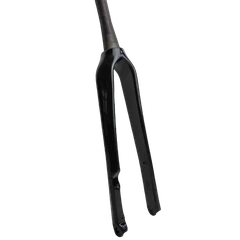
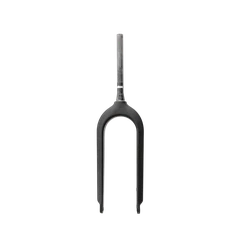
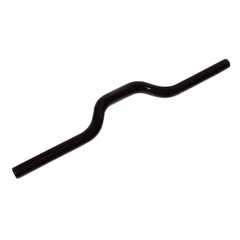
Carbon Fiber BMX Handlebars
Ask for Price

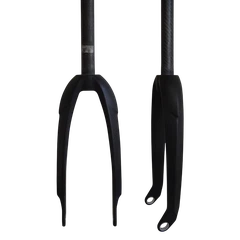
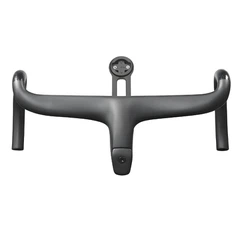
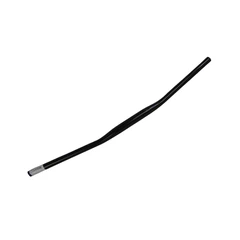
Carbon Fiber Gravel Handlebar
Ask for Price
Advantages of Carbon Fiber Handlebars
From a performance point of view, carbon fiber handlebars aren't about one single benefit.
They improve how the bike feels in several small but important ways, which add up over time.
Lower Weight Where It Matters
One of the first things you'll notice is the weight difference.
Carbon fiber handlebars are lighter than most metal options, and that weight sits right at the front of the bike.
This can make steering feel quicker and the bike easier to control, especially when you're changing direction or riding for long periods.
Better Vibration Control
Weight is only part of the story. Comfort plays an equally important role.
Carbon fiber has a natural ability to absorb small vibrations from the road or trail.
Those tiny bumps don't disappear, but they feel less sharp in your hands. Over long rides, this can reduce fatigue and help you stay relaxed.

Tuned Stiffness and Control
Light and comfortable doesn't mean soft or vague.
Carbon handlebars are designed to be stiff where control matters most, such as during hard braking or fast descents.
At the same time, they allow a bit of flex in less critical areas. This balance gives you precise steering without a harsh feel.
Design Flexibility
All of these performance traits come from how carbon fiber can be shaped and layered.
Unlike metal, carbon allows more freedom in design.
That flexibility makes it easier to fine-tune weight, strength, and ride feel for different riding styles, without compromising safety.
Carbon Fiber Handlebars vs. Aluminum Handlebars
|
Comparison Factor |
Carbon Fiber Handlebars |
Aluminum Handlebars |
|
Weight |
Lighter overall, especially noticeable at the front of the bike |
Heavier, but the weight difference is consistent and predictable |
|
Vibration Feel |
Better at reducing small road and trail vibrations |
Transfers more vibration to the hands |
|
Ride Comfort |
Feels smoother on long rides |
Can feel harsher over rough surfaces |
|
Stiffness |
Can be tuned by layup for control and comfort |
Stiffness is fixed by tube shape and wall thickness |
|
Strength Behavior |
Strong under normal use, but damage may not always be visible |
Dents or bends are usually visible before failure |
|
Durability Over Time |
Resistant to fatigue when properly designed |
Good fatigue life, but may weaken after long-term stress |
|
Safety Margin |
Requires correct torque and installation |
More tolerant of installation errors |
|
Cost |
Higher upfront cost |
More affordable and widely available |
Key Considerations When Choosing a Carbon Fiber Handlebar
Choosing a carbon fiber handlebar is about more than looks or weight.
Several practical details work together to decide how the bar feels once it's on your bike.
Material and Manufacturing Process
Not all carbon fiber handlebars are made the same way.
The type of carbon used and how it's laid up affect strength, stiffness, and comfort.
Higher-grade fibers allow better control over flex, while careful layup and curing help keep the bar consistent from one piece to the next. A well-made handlebar should feel solid, not unpredictable. Manufacturing quality matters just as much as the material itself.

Handlebar Shape and Geometry
Usually, road bike handlebars consist of two fundamental forms: straight bars and drop bars.
Reach and drop influence hand positions on road and gravel bikes, while rise and sweep matter more for mountain bikes.
Small changes in geometry can affect steering and comfort. If the bar shape doesn't suit your riding style, even a high-quality handlebar can feel wrong.
Width, Fit, and Rider Position
Fit is often overlooked, but it directly affects control.
Handlebar width should roughly match your shoulder width and riding needs.
Wider bars can offer more stability, while narrower bars may feel quicker and more efficient. Your riding posture, flexibility, and terrain all influence what feels right. There's no single "correct" size for everyone.
Strength, Safety, and Durability
Performance only matters if the handlebar is safe.
Carbon fiber handlebars are strong, but they rely on correct design and proper installation.
Pay attention to torque limits, stem compatibility, and regular inspection. Unlike metal, damage may not always be obvious. Choosing a handlebar built to recognized testing standards helps ensure long-term reliability and peace of mind.
Why Choose Carbon Fiber Handlebars?
By the time you consider carbon fiber handlebars, you're usually looking for a clear reason to upgrade. Not because they look good, but because you expect a real difference on the bike.
When Carbon Fiber Makes Sense
Carbon fiber handlebars are a good choice if you spend long hours riding.
They can help reduce hand and arm fatigue by softening small vibrations that add up over time.
They also make sense if you care about the overall bike feel. Saving weight at the front of the bike can make steering feel lighter and more responsive, especially on climbs or technical sections.
When Aluminum May Still Be Enough
Carbon isn't always the right answer.
If your riding is short, casual, or mainly focused on simplicity, aluminum handlebars can still do the job well.
They're more forgiving during installation and easier to inspect after a crash. For some riders, that peace of mind matters more than marginal performance gains.

Carbon Fiber Materials and Layup Explained
Carbon fiber handlebars may look simple on the outside, but what's inside matters far more. The materials and layup choices largely decide how the handlebar feels when you ride.
Carbon Fiber Grades
Not all carbon fiber is the same. Different fiber grades are used depending on strength, stiffness, and weight goals.
Higher-grade fibers can offer better strength with less material, while standard grades are often chosen for durability and cost control. What matters most isn't the name of the fiber, but how well it's matched to the handlebar's design and use.
Layup Direction and Structure
The real performance comes from how the fibers are arranged. Carbon handlebars are built by layering fibers in specific directions, known as layup.

Some layers focus on stiffness for steering control. Others are placed to allow slight flex where comfort is needed. A smart layup balances both, instead of chasing stiffness everywhere.
This is why two handlebars with the same shape can feel very different on the road or trail.
UD vs. Woven Carbon
You'll often see terms like UD or woven carbon.
These mostly describe appearance, but they also reflect how fibers are grouped.
UD carbon uses straight, aligned fibers and is common in performance-focused designs. Woven carbon adds visual texture and can help with surface durability. Neither is automatically better. It depends on how the layers work together.
Why Layup Quality Matters
Good materials can't fix poor construction.
Consistent layup, proper curing, and quality checks help ensure the handlebar behaves the same way every time you ride.
When materials and layup are done right, you get predictable control, steady comfort, and confidence that lasts beyond the first few rides.
OEM and Custom Carbon Handlebar Options
If you're sourcing carbon fiber handlebars for a brand or a specific project, off-the-shelf options aren't always enough. This is where OEM and custom solutions come in.
Custom Geometry and Fit
OEM production allows you to adjust key details like width, rise, reach, or drop.
You can fine-tune the handlebars to match a bike's geometry or a target riding style, rather than forcing a standard shape to fit.
Surface Finish and Branding
Customization isn't only about shape.
You can choose different surface finishes, textures, and subtle branding treatments to align with your product line without changing the core structure.
Testing and Production Considerations
A reliable OEM process also includes testing and quality control.
This helps ensure each handlebar meets strength and safety expectations, especially when produced in volume.
For you, the goal of custom carbon handlebars is simple: consistent performance, a controlled fit, and fewer compromises across your product range.
FAQ
Q: How long do carbon fiber handlebars last?
A: With normal use and proper care, they can last for many years. Regular inspection and avoiding over-tightening help extend their service life.
Q: Can carbon fiber handlebars crack without visible damage?
A: In some cases, yes. Carbon doesn't always show dents like metal. If you've had a hard crash or impact, it's a good idea to inspect the bar closely or replace it for safety.
Q: Do carbon fiber handlebars require special installation?
A: They do. Using a torque wrench and following the recommended torque values is important. This helps prevent damage and ensures a secure fit.
Q: Can you cut carbon fiber handlebars to adjust the width?
A: In most cases, yes, but only within the marked cutting zones. Cutting outside those areas can weaken the handlebars. If there are no clear markings, it's safer not to cut at all.
Q: What happens if a carbon fiber handlebar is over-tightened?
A: Over-tightening can damage the fibers inside the bar. This may not be visible right away, but it can weaken the structure. Using a torque wrench and following the recommended values is important.
Q: Are carbon fiber handlebars compatible with all stems?
A: Most are compatible with standard stem clamp sizes, but not all. You should always check the clamp diameter and the manufacturer's recommendations to avoid fit issues.
Conclusion
Choosing the right carbon fiber handlebars comes down to understanding your needs, not chasing specs.
When the shape fits your riding style, the width matches your body, and the material is built for real use, the difference shows up every time you ride.
Carbon fiber isn't automatically better for everyone. But if you value comfort on long rides, controlled handling, and a cleaner overall feel, it can be a smart upgrade. The key is balance. Weight, geometry, strength, and proper installation all matter more than any single feature.
Take the time to match the handlebars to how you actually ride. That's where good decisions are made.
At CarbonWorld, we focus on practical designs, consistent quality, and options that adapt to real-world riding, not just the catalog.


