

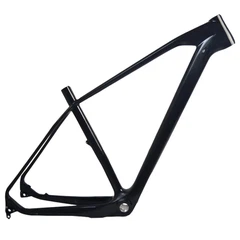
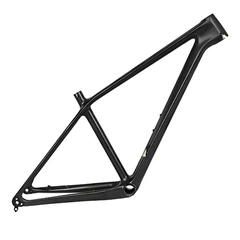
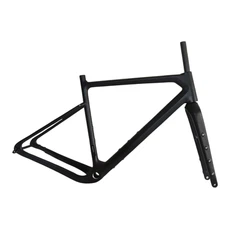
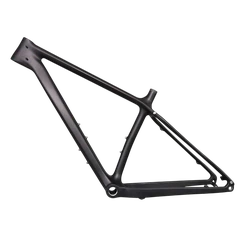
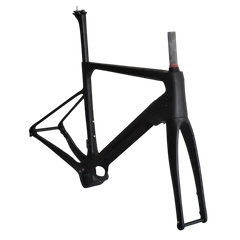
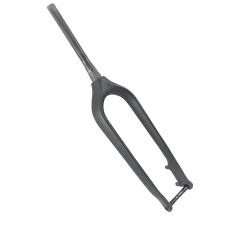
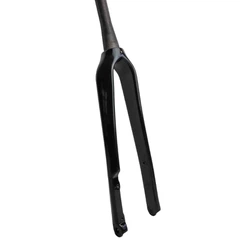







A carbon frame is built for performance, but that does not mean you can ignore how you handle it. In daily use, damage often comes from small things that riders do not notice at first, such as over-tightened bolts, poor transport setup, cable rub, chain slap, and careless storage. That is why carbon frame protection is not just about avoiding crashes. It is also about protecting the bike during normal use. Cleaning it the right way, checking high-contact areas, using correct torque, and avoiding unnecessary pressure all help keep the frame in better condition over time. These habits do not need to be complicated, but they do need to be consistent. If you want your carbon frame to stay reliable and look good for longer, the best protection starts with how you use it every day. Please continue reading the following article.
Why Carbon Frame Protection Matters
Carbon frames are strong, but they still need proper care. Protecting the frame is not about treating it like something fragile. It is about understanding that a long-term condition depends on how the bike is handled in everyday situations. Small mistakes can add up over time, especially around clamping points, contact areas, and places that see repeated vibration or rubbing. Protection also helps preserve performance.

A carbon frame works best when its structure stays clean, secure, and free from avoidable damage. Deep scratches, sharp impacts, poor storage, or too much pressure in the wrong place may not seem serious at first, but they can affect how confident you feel about the bike later. Regular care lowers that risk.
It also makes maintenance easier. When you protect the frame from the start, it is easier to notice changes, inspect problem areas, and keep the bike in good shape through normal riding, transport, and storage.
Clean Your Carbon Frame the Right Way
Cleaning a carbon frame is simple, but the way you do it still matters. The goal is not only to keep the bike looking good. It is also to avoid surface damage and make it easier to spot any marks or wear early.
Use Mild Cleaning Methods
The safest approach is usually mild soap, clean water, and a soft cloth or sponge. This is enough for normal dirt, sweat, and road grime. You do not need harsh chemicals to clean a carbon frame well.
Avoid Rough Tools and Strong Chemicals
Stiff brushes, abrasive pads, and strong cleaners can do more harm than good. They may leave scratches on the surface or damage the finish over time. If dirt is stuck on the frame, it is better to soften it with water first instead of scrubbing too hard.
Dry the Frame After Washing
After cleaning, dry the frame with a soft towel. This helps prevent water from sitting around bolts, joints, and hidden contact points. It also gives you a chance to look over the frame and notice anything unusual.

Avoid Over-Tightening Components
Over-tightening is one of the easiest ways to damage a carbon frame without meaning to. The frame may look fine from the outside, but too much force at the wrong point can create unnecessary stress.
Use the Correct Torque
When you install or adjust parts on a carbon bike, torque matters. Seatpost clamps, stem bolts, bottle cage bolts, and other contact points should be tightened to the recommended level, not just "as tight as possible." A torque wrench is one of the simplest tools for avoiding this mistake.
Pay Attention to Clamping Areas
Some parts of the bike are more sensitive to clamping force than others. Areas around the seat tube, stem, and cockpit should be handled with extra care. Tightening beyond the recommended value does not make the setup safer. It only increases the risk of pressure damage.
One over-tightened bolt may not always cause visible damage right away. But repeated force, poor installation habits, or uneven tightening can create problems over time. Using the right torque helps protect the frame and keeps your setup more reliable.
Avoid Excessive Clamping or Squeezing
Not all carbon frame damage comes from riding. Sometimes it comes from how the bike is held when it is not moving. Extra pressure from the wrong place can be a problem, especially when the frame is squeezed in a stand, pressed against hard surfaces, or packed too tightly during travel.
This is most common in workshop and storage situations.
If you use a repair stand, avoid treating the frame like a part that can be gripped anywhere with force. The same applies when you load the bike into a car, place it in a bike bag, or store it next to other bikes and tools. A tight strap, a hard edge, or a frame tube pressed against another object can create stress in a small area.
The safer habit is simple. Keep the bike secure without forcing the frame into a tight hold. A carbon frame is made to handle riding loads in the right direction, not random squeezing from the outside. Better handling in these quiet moments can prevent avoidable pressure damage later.

Avoid Sharp Impacts on the Carbon Frame
A carbon frame can handle normal riding loads well, but sharp impacts are different. A hard hit from a pointed or narrow object can concentrate force in one small area, which is never a good thing for the frame surface.
A pedal striking the frame, a tool slipping during maintenance, a bike falling against a metal edge, or a sharp object hitting the tube during transport can all leave marks that should not be ignored. Even if the damage looks small at first, the contact may be deeper than it appears on the surface.
The best habit is simple. Keep sharp tools, hard edges, and loose metal parts away from the frame whenever possible. During storage and transport, make sure the bike is not resting against anything that can hit or dig into the carbon surface. Preventing one bad impact is much easier than dealing with damage after it happens.
Protect High-Risk Contact Areas
Some parts of a carbon frame are more likely to pick up wear than others. These are usually the spots where cables move, the chain hits, or outside objects touch the frame again and again. You do not need to cover the whole bike.
Focus on the areas that see repeated contact. Common examples include cable rub points near the head tube, chain slap areas on the chainstay, and spots that touch racks, straps, or storage hooks. These areas may not look serious at first, but repeated friction can wear through the finish over time.
Frame protection tape or small guards can help in these places. The goal is not to hide the frame. It is to reduce unnecessary rubbing in spots that already take more contact than the rest of the bike.
Be Careful During Transport and Storage
A carbon frame can stay in good condition for years, but careless transport and storage can create damage long before riding does. Many frame marks come from these quiet moments, not from the road or trail.
Prevent Frame-to-Object Contact
During transport, the frame should not be left rubbing against metal racks, other bikes, pedals, or loose tools. Even light movement over time can leave scratches or pressure marks. If the bike is packed in a car or travel case, use padding where the frame may touch something hard.
Secure the Bike Without Forcing It
The bike should stay stable, but it should not be tied down so tightly that the straps press hard into the frame. A secure setup is important, but the goal is controlled support, not aggressive force. This matters even more when the bike is transported over longer distances.
Store It in a Safe Position
When the bike is not in use, avoid leaning it in unstable places where it can slide, fall, or hit another object. A dry and stable storage space is better than a crowded corner where the frame may be knocked or pressed by other items.
Good storage is simple. Keep the frame protected from unnecessary contact, movement, and impact when the bike is off the road.
Inspect Your Carbon Frame Regularly
Regular inspection helps you catch small problems before they become bigger ones. A carbon frame does not need constant worry, but it does benefit from careful attention from time to time.
Check After Unusual Events
If the bike has been dropped, crashed, packed poorly, or hit by something hard, it makes sense to inspect the frame soon after. Even when the bike still looks mostly normal, these situations can leave marks that are easy to miss at first glance.
Look at the Right Areas
Focus on places that see more stress or contact. Check around the head tube, bottom bracket area, chainstay, seat tube clamp area, and any spot that recently took a hit or showed rubbing. Look for cracks, deep scratches, chips, unusual marks, or changes that were not there before.
Make Inspection a Habit
You do not need a complicated routine. A quick check while cleaning the bike or after a rough ride is often enough to notice if something looks different. The goal is not to overthink every mark. It is important to stay aware of the frame's condition so you can respond early if something seems wrong.
Protect Your Carbon Frame While Riding
A carbon frame is also affected by how you ride, not just how you store or clean it. The goal is not to be overly careful. It is to avoid the kind of contact that creates unnecessary damage.
Watch for Hard Contact
While riding, direct hits are more of a problem than normal road vibration. Loose rocks, curbs, chain slap, and careless parking during a ride can all leave marks on the frame.
Use a Better-Matched Setup
A poor setup can make riding impacts harsher than they need to be. Tire pressure that does not match the surface can increase shock and make control worse on rough ground.
Check the Frame After Rough Rides
After gravel, trail, or broken-road riding, take a quick look at the frame. You do not need a full inspection every time, but it helps to notice new chips, rub marks, or impact points early.
Carbon Frame Protection Tips for Road, MTB, and Gravel Bikes
Carbon frame protection is not the same for every type of bike. The risks change with the riding style and the surfaces you use most.

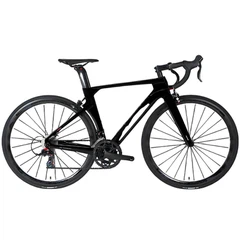
Carbon Fiber Road Frame
Send Inquiry Now
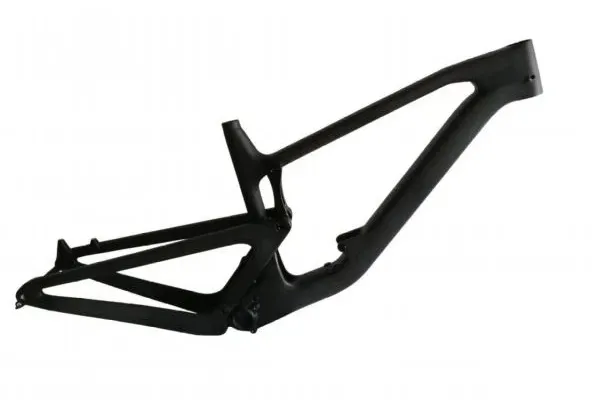
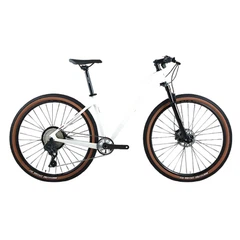
Carbon Fiber MTB Frame
Send Inquiry Now
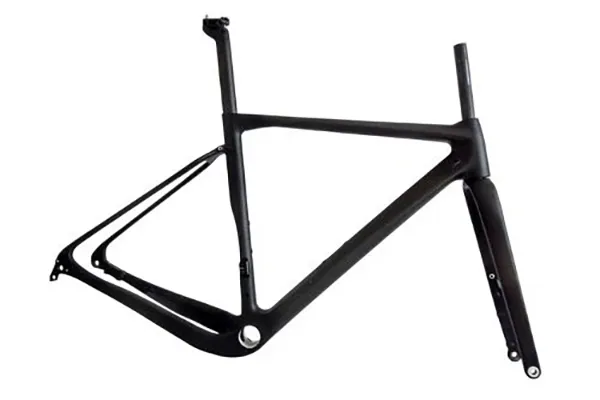
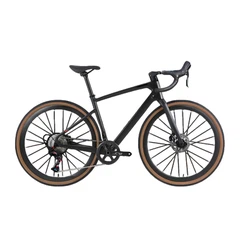
Carbon Gravel Frame
Send Inquiry Now
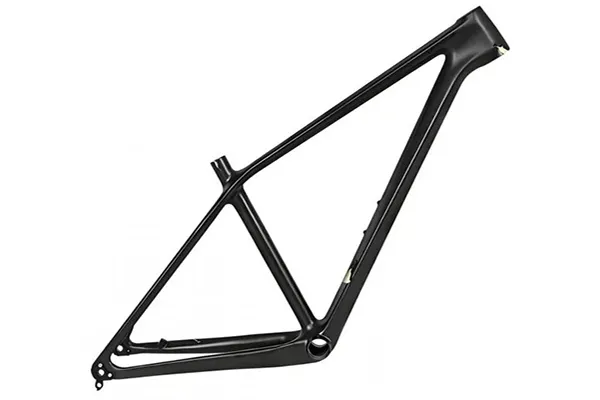
Carbon Fiber Frame BMX
Send Inquiry Now
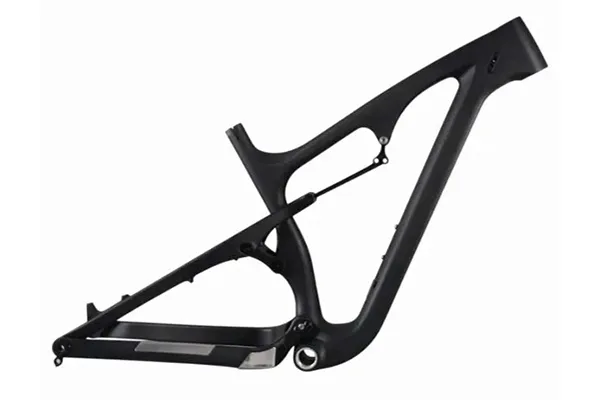
Carbon Fat Frame
Send Inquiry Now

Carbon E-bike Road Frame
Send Inquiry Now

Carbon Fat Bike Frame 26er
Send Inquiry Now

Carbon E-bike Frame MTB
Send Inquiry Now

Carbon E-bike MTB Frame
Send Inquiry Now
On a road bike, protection often means paying attention to transport, sweat, and small contact points. Indoor trainer use, leaning the bike against rough walls, and cable rub are common issues that are easy to overlook.
On an MTB, impact risk is higher. Rock strikes, chain slap, mud buildup, and rough trail contact can all affect the frame over time. That makes regular cleaning and checking key areas more important.
Gravel bikes sit somewhere in between. They often deal with vibration, dust, loose stones, and mixed terrain wear. For gravel use, it helps to watch both impact areas and repeated rubbing points.
The type of bike changes the details, but the goal stays the same: protect the frame from avoidable wear before it becomes a bigger problem.
FAQ
Q: Can sunlight damage a carbon frame over time?
A: Normal riding and storage exposure are usually not the main concern. The bigger issue is prolonged neglect in harsh conditions. Keeping the bike in a stable storage space is still a better long-term habit.
Q: Is frame protection tape worth using on a carbon bike?
A: It can be worth it in the right places. Protection tape is most useful where the frame sees repeated rubbing or small contact, not as something you need to cover everywhere.
Q: Do carbon frames need different care in wet or muddy conditions?
A: They do not need complicated care, but wet and muddy riding means you should clean the bike sooner. Dirt left on the frame too long can hide rub marks, trap grit, and make inspection harder.
Q: Should you protect a matte carbon frame differently from a glossy one?
A: The basic care is the same, but matte finishes can show rub marks or surface wear differently. Soft cleaning and careful handling still matter most.
Q: Can a carbon frame be customized for different riding styles?
A: Yes. A carbon frame can be developed with different riding goals in mind, such as road racing, gravel use, or mountain bike applications. The structure, geometry, and layout can all be adjusted based on the intended use.
Q: What can be customized on a carbon frame?
A: Customization can include frame geometry, tube shape, surface finish, branding, cable routing, and other design details. In some projects, structural direction and layout choices may also be part of development.
Conclusion
If you want to protect your carbon frame, focus on the things that actually cause damage in real life. Most problems do not start with some dramatic failure. They usually come from everyday habits such as tightening bolts too hard, clamping the bike carelessly, letting cables rub the same spot for too long, or packing the bike badly during transport. That is where protection really starts.
You do not need to overprotect the frame or treat it as if it cannot be used normally. You just need better habits. Clean it with the right tools, watch the areas that take repeated contact, use correct torque, and check the frame after travel, rough rides, or any hard knocks. Those simple steps do more than most riders think.
If you are working on carbon frame development and need support with custom structure, finish options, or OEM and ODM production, Carbon World can help you build a frame project around real use, not just appearance.