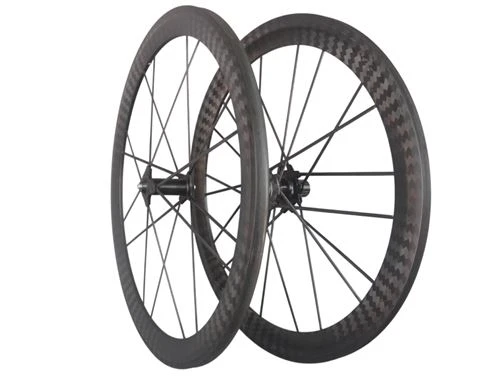
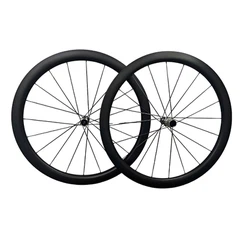

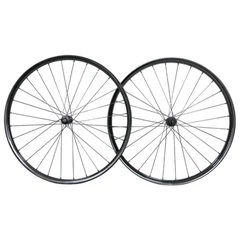
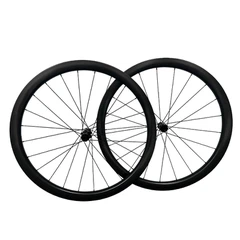
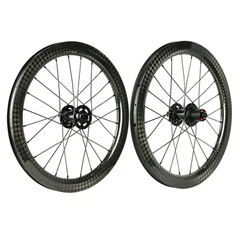
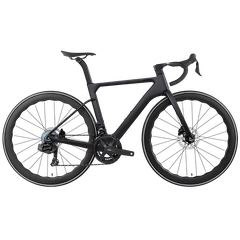
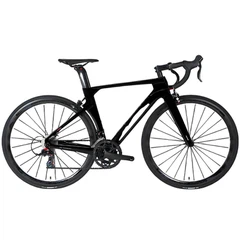
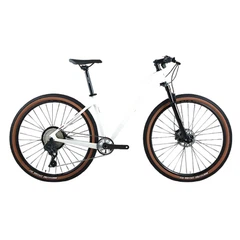
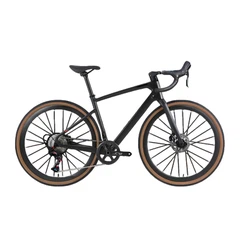




Understanding the parts of a bicycle wheel helps you choose, maintain, and compare bike wheels more clearly. A complete bike wheel is not just a rim and tire. It includes the rim, hub, spokes, nipples, tire system, bearings, and small setup parts that affect strength, rolling feel, and long-term use.
Each part, from the rim and spokes to the hub and tire, plays a specific role in strength, stability, and power transfer. The wheel must support rider weight, absorb road impact, and rotate smoothly under load. Even small differences in materials or construction can affect how a bike feels on climbs, descents, or rough terrain.
Main Parts of a Bicycle Wheel
A bicycle wheel is made up of several essential components that work together to support weight, maintain balance, and transfer power efficiently. Each part has a specific function, and even small differences in design or material can influence performance.
Rim
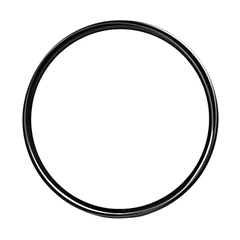
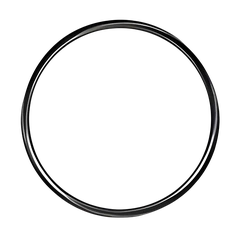
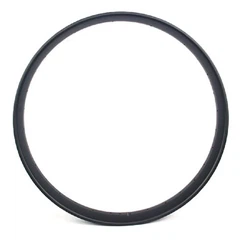
The rim is the outer circular structure of the wheel. It holds the tire and provides the main support surface for riding.
Rims are designed to withstand impact from the road while maintaining lateral stiffness. Their internal width, depth, and material all affect ride quality and handling. A wider rim can improve tire stability, while deeper rims may enhance aerodynamic performance on road bikes.
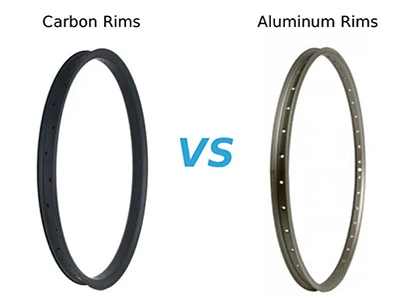
Rims are typically made from aluminum or carbon fiber, each offering different characteristics in weight, stiffness, and durability.

Hub
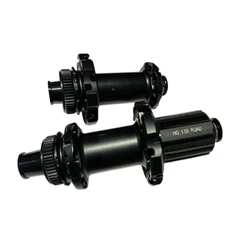
The hub sits at the center of the wheel and connects it to the bike frame or fork. It allows the wheel to rotate smoothly through its internal bearings.
Front hubs are relatively simple, mainly supporting rotation. Rear hubs are more complex. They include the freehub body, which engages with the cassette and transfers pedaling force to the wheel.
Hub quality affects rolling resistance, durability, and engagement speed. Sealed cartridge bearings are common in modern wheels for smoother performance and easier maintenance.

Spokes
Spokes connect the rim to the hub and create the wheel's tension structure. Contrary to common belief, spokes primarily work under tension, not compression.
When a rider sits on the bike, the lower spokes slightly reduce tension while the overall structure maintains balance. Proper spoke tension keeps the wheel true and strong.
Spoke count and lacing patterns vary depending on riding style. Road wheels often use fewer spokes for weight savings, while mountain bike wheels use more spokes for strength and impact resistance.

Nipples
Nipples are small threaded components that attach the spokes to the rim. They allow adjustment of spoke tension during wheel building and maintenance. Precise nipple adjustment ensures the wheel remains straight and evenly tensioned. Poor tension balance can lead to wobbling, uneven load distribution, or premature spoke failure.
Nipples are usually made of brass or aluminum. Brass offers durability, while aluminum reduces weight.
Tire and Inner Wheel Components
Beyond the rim, hub, and spokes, the tire system plays a major role in how a bicycle wheel performs. These components directly affect grip, comfort, and rolling efficiency.
Tire
The tire is the outermost part of the wheel and makes direct contact with the ground. Tire width, tread pattern, and rubber compound all influence traction and control. Road tires are typically narrow and smooth for speed, while mountain bike tires are wider with aggressive tread for grip.
Inner Tube or Tubeless Setup
Traditional wheels use an inner tube to hold air pressure. Tubeless systems remove the tube and rely on an airtight rim bed and sealant. Tubeless setups can reduce punctures and allow lower tire pressure for better comfort and traction.
Rim Tape
Rim tape covers the spoke holes inside the rim. It protects the tube or helps seal the rim in tubeless systems. Proper rim tape installation is essential for maintaining air pressure and preventing leaks.
How a Bicycle Wheel Works
A bicycle wheel may look simple, but it functions as a tension-based structure rather than a solid disc. The rim, spokes, and hub work together to distribute load efficiently.
When a rider sits on the bike, the rider's weight does not "push down" directly on the spokes. Instead, the lower spokes slightly lose tension while the rest of the wheel maintains overall balance. This tension system allows the wheel to stay strong while remaining lightweight.
As you pedal, force travels from the crank to the chain, into the rear hub, and then through the spokes to the rim. The rim transfers that energy to the tire, which grips the ground.
This continuous transfer of load and motion is what makes the wheel both durable and efficient under real riding conditions.
Materials Used in Bicycle Wheel Components
The materials used in bicycle wheel components directly affect weight, stiffness, durability, and ride feel. Modern wheels combine different materials to balance strength, performance, and cost. Understanding these differences helps you choose components that match your riding style and terrain.
Aluminum vs Carbon Rims
Rim material plays a major role in overall wheel performance. Aluminum and carbon fiber are the most common choices.
| Feature | Aluminum Rim | Carbon Fiber Rim |
|---|---|---|
| Weight | Moderate | Lighter for similar strength |
| Stiffness | Good | Higher stiffness-to-weight ratio |
| Ride Feel | Slightly more flexible | More responsive and direct |
| Impact Resistance | Can dent under hard impact | Can crack under severe impact |
| Aerodynamics | Limited by shaping constraints | Allows deeper, aerodynamic profiles |
| Cost | More affordable | Higher cost |
Steel vs Bladed Spokes
Spokes are typically made from stainless steel, but their shape can vary.
| Feature | Traditional Round Steel Spokes | Bladed (Aero) Spokes |
|---|---|---|
| Shape | Cylindrical | Flattened profile |
| Aerodynamics | Standard | Reduced drag |
| Weight | Slightly heavier | Slightly lighter |
| Strength | High tensile strength | Similar tensile strength |
| Cost | More affordable | Higher cost |
Hub Shell Materials
Hub shells are usually made from aluminum alloy, though higher-end designs may use carbon fiber or hybrid constructions.
Aluminum hub shells provide a strong balance of durability, weight, and cost. They are easy to machine with tight tolerances and work well with sealed cartridge bearings.
Carbon hub shells are lighter and may increase stiffness in certain designs. However, they require precise manufacturing and are typically found in performance-focused wheelsets.
Regardless of material, hub quality depends heavily on bearing type, engagement system, and machining precision.
Common Bicycle Wheel Problems
Even well-built bicycle wheels experience wear over time. Recognizing common wheel problems early helps prevent larger mechanical issues and improves riding safety.
Wheel Out of True
A wheel is considered "out of true" when it wobbles side to side or hops vertically while spinning. This usually happens due to uneven spoke tension or minor impacts. Riding with a misaligned wheel can reduce braking performance and increase spoke fatigue.
Broken or Loose Spokes
Spokes operate under constant tension. Over time, they may loosen or break, especially after hard impacts or long-term use. A single broken spoke can quickly affect wheel alignment and load distribution.
Bearing Wear or Hub Play
Hub bearings allow the wheel to rotate smoothly. If you feel grinding, resistance, or side-to-side movement at the hub, the bearings may be worn. Sealed cartridge bearings typically require replacement rather than adjustment.
Rim Damage or Cracks
Aluminum rims may dent from strong impacts. Carbon rims can develop cracks under severe stress. Regular inspection of the rim sidewalls and spoke holes helps detect damage early.
Choosing the Right Wheel Components
Selecting wheel components should be based on riding style, terrain, and performance goals. Each riding category places different demands on rim strength, spoke tension, and hub engagement.
Road Cycling
Road riders often prioritize low weight and aerodynamic efficiency. Deeper rims can improve airflow at higher speeds, while lighter materials enhance acceleration. Fewer spokes may reduce weight, but stiffness must remain sufficient for stable handling.

Mountain Biking
Mountain bike wheels need durability and impact resistance. Wider rims support larger tires for traction, and higher spoke counts improve strength under rough conditions. Reliable hub engagement is especially important for technical climbs and quick power delivery.
Gravel and Mixed Terrain
Gravel riding requires balance. Moderate rim width improves tire stability on loose surfaces, while sealed hub bearings protect against dust and moisture. A medium spoke count often provides a good mix of strength and weight savings.
Material Considerations
Material choice also influences performance. Aluminum components offer durability and value. Carbon fiber components reduce rotational weight and increase stiffness, which can improve responsiveness. The right material depends on how you ride and what performance characteristics matter most to you.
Carbon Fiber Wheel Components
Carbon fiber has become increasingly popular in modern wheel design due to its high stiffness-to-weight ratio and design flexibility. When used in rims and certain structural components, carbon construction can improve responsiveness without significantly increasing overall weight.

Carbon Road Bike Wheels
Send Inquiry Now

Carbon MTB Bike Wheelset
Send Inquiry Now

Carbon Wheels For Gravel
Send Inquiry Now

Carbon BMX Race Wheels
Send Inquiry Now

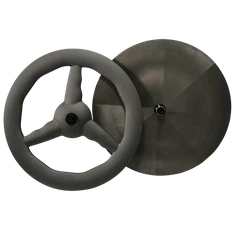
Carbon Time Trial Wheels
Send Inquiry Now

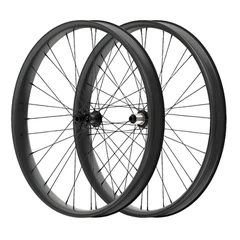
Carbon Fiber Fat Bike Wheels
Send Inquiry Now
Carbon Rims
Carbon rims are known for their ability to maintain stiffness while reducing rotational mass. Lower rotational weight can improve acceleration and climbing efficiency. Carbon manufacturing also enables deeper, more aerodynamic rim profiles, which benefit road riders at higher speeds.
In addition to stiffness, carbon material can help dampen road vibration. This may contribute to a smoother ride feel compared to traditional metal rims, depending on tire pressure and setup.

Carbon Road Rims
Send Inquiry Now

Carbon MTB Rims
Send Inquiry Now

Carbon Rims BMX
Send Inquiry Now

Carbon Rims Gravel
Send Inquiry Now

Carbon Fiber Fat Bike Rims
Send Inquiry Now
Carbon Hub and Structural Parts
While less common than aluminum hub shells, carbon-based hub components or hybrid designs may reduce weight further. These designs require precise engineering to ensure durability and bearing alignment.

Bike Hubs
Send Inquiry Now

Bike Hubs
Send Inquiry Now

Bike Hubs
Send Inquiry Now

Bike Hubs
Send Inquiry Now

Bike Hubs
Send Inquiry Now

Bike Hubs
Send Inquiry Now

Bike Hubs
Send Inquiry Now

Bike Hubs
Send Inquiry Now
When Carbon Makes Sense
Carbon fiber wheel components are often chosen for performance-oriented riding, racing, and weight-conscious builds. However, they are most effective when paired with proper spoke tension, quality hubs, and suitable riding conditions.
Maintenance Tips for Bicycle Wheels
Proper maintenance extends the lifespan of your wheel components and ensures consistent performance. Even high-quality rims and hubs require regular inspection.
Check Spoke Tension Regularly
Spokes operate under constant tension. Over time, vibration and impact can cause them to loosen. Uneven spoke tension may lead to a wheel going out of true. Periodically check for loose spokes and address small issues before they become larger alignment problems.
Inspect the Rim for Wear or Damage
Examine the rim sidewalls and spoke holes for cracks, dents, or unusual wear. Aluminum rims may develop flat spots after hard impacts, while carbon rims should be inspected carefully for surface cracks or delamination.
Maintain Hub Bearings
Smooth hub rotation depends on healthy bearings. If you notice grinding, resistance, or side-to-side movement, the bearings may require adjustment or replacement. Sealed cartridge bearings typically need replacement rather than lubrication.
Monitor Tire Pressure
Proper tire pressure protects the rim and improves efficiency. Underinflated tires increase impact risk, while overinflated tires reduce traction and comfort.
FAQ
Q: What are the main parts of a bicycle wheel?
A: The core parts of a bicycle wheel include the rim, hub, spokes, and nipples. The rim supports the tire, the hub allows rotation, and the spokes connect the two in a tension-based structure. Additional components, such as rim tape, valves, and bearings, also play important supporting roles.
Q: How many spokes does a bicycle wheel need?
A: Spoke count depends on riding style. Road wheels often use 20–24 spokes to reduce weight, while mountain bike wheels may use 28–32 spokes for added strength. Heavier riders or rough terrain may require higher spoke counts.
Q: Are deeper rims always better?
A: Deeper rims can improve aerodynamics at higher speeds, especially on road bikes. However, they may increase weight and be more affected by crosswinds. The best rim depth depends on riding conditions and goals.
Q: Can I upgrade just one part of a bicycle wheel?
A: In some cases, yes. You can replace spokes, nipples, or hub bearings without replacing the entire wheel. However, upgrading only the rim or hub may require a full wheel rebuild. For major performance changes, replacing the entire wheelset is often more efficient.
Q: What is the role of spoke lacing patterns?
A: Spoke lacing patterns, such as radial or cross-laced designs, affect stiffness and load distribution. Cross-lacing is common on rear wheels to handle pedaling torque, while radial patterns are sometimes used on front wheels to reduce weight.
Q: Can I mix different wheel components from different brands?
A: Yes, but compatibility must be checked carefully. Rim drilling must match spoke count, hub spacing must match frame standards, and axle types must be compatible with your fork and frame.
Q: Can bicycle wheels be customized for specific riding needs?
A: Yes. Bicycle wheels can be customized based on riding style, rider weight, terrain, and performance goals. Custom options may include rim depth, internal width, spoke count, hub engagement type, and axle standards. Choosing the right combination ensures a better balance between weight, stiffness, and durability.
Q: Are carbon fiber wheel components available in custom specifications?
A: Carbon fiber rims and wheelsets can be produced in different widths, depths, and layup configurations. Custom carbon construction allows manufacturers to adjust stiffness and weight targets based on performance requirements. Proper engineering and quality control are essential to maintain durability and safety.
Conclusion
A bicycle wheel is a carefully balanced system where the rim, hub, spokes, and tire components work together under tension. Each part affects strength, rolling efficiency, and overall ride quality. Small differences in material, spoke configuration, or rim design can change how the bike accelerates, handles impacts, and maintains stability.
Choosing the right components means thinking beyond weight alone. Durability, riding terrain, and intended performance all matter when building or upgrading a wheel.
For riders and brands seeking engineered carbon fiber wheel components, Carbon World provides precision-built carbon rims and related solutions designed for consistent performance and structural reliability. A well-matched wheel system, built with the right materials and specifications, delivers long-term efficiency and dependable riding results.