




Think about everything your bike's wheels do. They carry your weight, absorb bumps, and transfer your power to the road or trail. They're tough, but they're not invincible.
Many riders forget about their wheels until something goes wrong. A wobbly rim, a broken spoke, or a grinding sound from the hub is your final warning. Regular care is what prevents these surprises.
Good maintenance isn't complicated. It's about simple, consistent habits. These habits protect your investment and make every ride smoother and safer. You don't need to be a mechanic. You just need to pay a little attention.
Let's look at four straightforward tips. They will help your wheels last for years and thousands of miles. Your future self, and your wallet, will thank you.
To extend the lifespan of your bicycle wheels, keep them clean and regularly check spoke tension, hub bearings, and tire pressure. After riding in wet, muddy, or dusty conditions, wipe the rims, spokes, and hub area promptly to prevent dirt buildup.
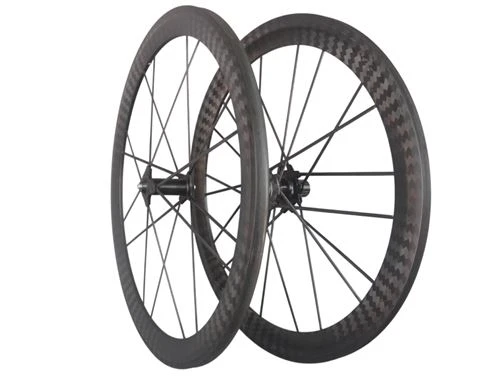
Also, avoid spraying high-pressure water directly at the hubs, and do not continue riding if the spokes are loose or the wheel has a slight wobble. For carbon wheels, check the rim edge and sidewalls for damage after pothole strikes or heavy impacts
Why Wheel Maintenance Matters
Bicycle wheels carry rider weight, absorb road vibration, and handle repeated forces from braking, cornering, climbing, and rough surfaces. If cleaning, spoke tension, bearing condition, or tire pressure is neglected for too long, the rim and hub may experience uneven stress, which can lead to wobble, noise, wear, or damage.
For carbon wheels, regular inspection is especially important. After hitting potholes, curbs, or rocks, check the rim edge, spoke holes, and sidewalls for cracks or impact marks.
Good maintenance helps you find problems early, reduce repair costs, and keep your wheels stable and reliable during daily riding, training, and long-distance rides.

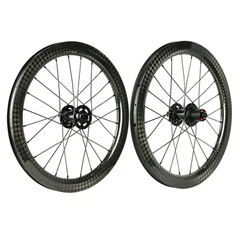
Carbon Road Bike Wheels
Send Inquiry Now

Carbon MTB Wheelset
Send Inquiry Now

Carbon Gravel Wheels
Send Inquiry Now

Carbon BMX Race Wheels
Send Inquiry Now

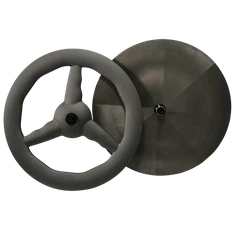
Carbon Time Trial Wheels
Send Inquiry Now

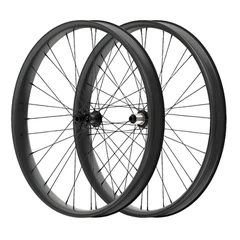
Carbon Fat Bike Wheels
Send Inquiry Now
Tip #1 - Keep Your Wheels Clean
Dirty wheels wear faster. Grit acts like sandpaper on your rim, spokes, and hub seals. If you ride in rain or dust, that buildup happens quicker than you think.
Cleaning doesn't need to be hard. After a dirty ride, rinse the wheels with low-pressure water, then wipe them down with a soft cloth. Use mild soap if you need it. Avoid blasting the hubs with a high-pressure hose. That can push water and dirt past the seals and shorten bearing life.

Pay attention to the small spots. Wipe around the spoke nipples, the valve area, and the rim bed. If you run disc brakes, clean the rotor with isopropyl alcohol and keep greasy hands off it.
Do this after any particularly dirty ride. A quick wipe-down every couple of weeks keeps things from building up. Clean wheels work better and last much longer. It's that simple.
Tip #2 - Check Spoke Tension and True Your Wheels Early
A wobbly wheel is more than just an annoyance. It's a sign that your wheel is stressed and uneven. Catching it early is the key to saving the wheel.

A wheel is a tension system. All the spokes should pull with about the same force. When one gets a little loose, the wheel can start to wobble from side to side. If you ignore it, you can end up with broken spokes, cracked nipples, or a rim that won't hold tension well. We call this "being out of true." A wheel with a hop or dip is "out of round."
Here's how to check. Lift your bike and spin the wheel. Watch where the rim passes by your brake pads. Look for any side-to-side movement. You can also gently squeeze pairs of spokes. They should feel firm and similar.
A very slight wobble is normal and can be fixed. This is called "truing" the wheel. It involves carefully tightening or loosening specific spokes with a special wrench. A small adjustment makes a big difference.
Here is the critical advice: if you've never done this before, do not try to fix it yourself. You can easily make the problem worse. Taking it to a bike shop for a professional wheel true is a small, smart investment. A mechanic can correct the wobble and check the tension of every single spoke.
Checking for wobble once a month takes seconds. It lets you spot a problem long before a spoke breaks or the wheel gets damaged beyond repair. A true wheel is a strong, reliable wheel.
Tip #3 - Protect Your Hubs and Bearings
Your hubs are the "engine room" of your wheels. If water and grit get inside, bearings wear fast. The wheel can still spin, but it won't feel smooth. Then small problems turn into expensive ones.

Start with simple habits. Don't spray hubs with high-pressure water. After wet rides, wipe the hub area dry and let the bike sit somewhere with airflow. If you ride in the rain often, check your end caps and seals more regularly.
Listen for early warning signs. Good bearings feel quiet and smooth. Worn bearings feel rough, sticky, or noisy.
Watch for:
a grinding feel when you spin the wheel by hand
play or clicking when you wiggle the rim side to side
a freehub that sounds different or engages late
A basic service schedule helps. For most riders, a quick check every month and a hub clean-and-regrease every few months (or after heavy wet riding) is enough. If you're not comfortable opening hubs, a shop can do it fast.
Tip #4 - Use the Right Tire Pressure and Avoid Rim Damage
Your tire is a protective cushion for your rim. The air inside is what makes it work. Too little, and the cushion fails. Too much, and it can't do its job properly.

Running tires too soft is a major cause of rim damage. Hit a pothole or curb with low pressure, and the tire can't absorb the hit. The rim takes the full force. This can cause a flat spot, a bend, or even a crack. This is called a "pinch flat" or "snake bite."
But simply pumping your tires to the maximum isn't the answer. Rock-hard tires make your ride jarring and less controlled. They transfer more shock directly to the rim and the rest of your bike.
Find the right number. Look at the sidewall of your tire. You'll see a recommended pressure range, like "65-85 PSI." Use a floor pump with a gauge. Start in the middle of that range. Adjust slightly based on your weight and the riding surface.
Your tires lose air naturally over time. Check the pressure before every ride, or at least once a week. It takes one minute.
Also, be mindful of your path. Try to avoid directly slamming into sharp edges like curbs and deep potholes. When installing a tire, use plastic tire levers carefully to avoid scratching or denting the rim's edge.
The right pressure keeps a safe distance between your delicate rim and the hard road. It's your wheel's first and best defense.
Maintenance Schedule Table
| Maintenance Task | Suggested Frequency | Why It Matters |
| Clean wheels | Every 1–2 weeks, or after wet/dirty rides | Removes grit and brake dust |
| Check tire pressure | Before every ride or weekly | Prevents rim strikes and poor handling |
| Spin wheel for wobble | Monthly | Finds real issues early |
| Check spoke tension | Monthly or after hard impacts | Prevents loose spokes and uneven load |
| Inspect hubs and bearings | Monthly | Finds roughness, play, or noise early |
| Check rim tape / tubeless tape | Every few months | Prevents slow air leaks |
Common Mistakes That Shorten Wheel Life
Avoiding damage isn't just about what you do. It's also about what you don't do.
Mistake #1: Using High-pressure Water On The Hub
A strong spray feels like a shortcut, but it can push water past the seals. After that, grit sits in the bearings and wear speeds up.
Mistake #2: Forgetting About Spoke Tension Until One Breaks
Spokes rarely snap "for no reason." Often, one spoke gets loose, then the others carry an extra load. If you wait until a spoke breaks, the wheel may need more than a simple adjustment.
Mistake #3: Running Tire Pressure That Doesn't Match Your Roads
Too high feels fast, but it can punish the rim on rough pavement. Too low can cause rim strikes. Both shorten wheel life over time.
Mistake #4: Riding a Wheel That's Slightly Out of True
A small wobble doesn't seem urgent, so you keep riding. The problem is that the load shifts unevenly. Spokes loosen faster, nipples take more stress, and the rim can fatigue sooner.
Conclusion
Taking care of your wheels is not about complicated maintenance. It's about consistent, simple habits.
Think of these tips as a short routine. Check your pressure. Look for wobble. Keep things clean. Avoid big impacts. None of these actions takes much time or special skill. Together, they make a huge difference.
Good wheels are built to last. Your job is simply to give them a fair chance. A little attention prevents the small problems that turn into big, expensive ones down the road.
This isn't just about saving money on new wheels, though that's a real benefit. It's about safety and reliability. It's about knowing your bike is ready for your next ride, whether that's a quick trip to the store or a long weekend adventure.
Start with one tip. Maybe it's checking your tire pressure this weekend. Then add another. Build your own routine.
Your wheels work hard for you. This is how you return the favor.